E-mail: [email protected]
E-mail: [email protected]Address: NO. 132 Xingye Road,Fengqiao Town ,Zhuji City,Zhejiang
Whatsapp: +86-13958007768
Whatsapp: +86-13655857582




Need Help
+86-13958007768
E-mail: [email protected]
E-mail: [email protected]
Address: NO. 132 Xingye Road,Fengqiao Town ,Zhuji City,Zhejiang
Whatsapp: +86-13958007768
Whatsapp: +86-13655857582
Our team is proud to offer on time guarantee and product guarantee to customer satisfaction.
Read MoreNews
 Home / News / Industry News / Does the response speed of the ECAS valve meet the requirements of actual operating conditions?
  2026.02.12
 Industry News
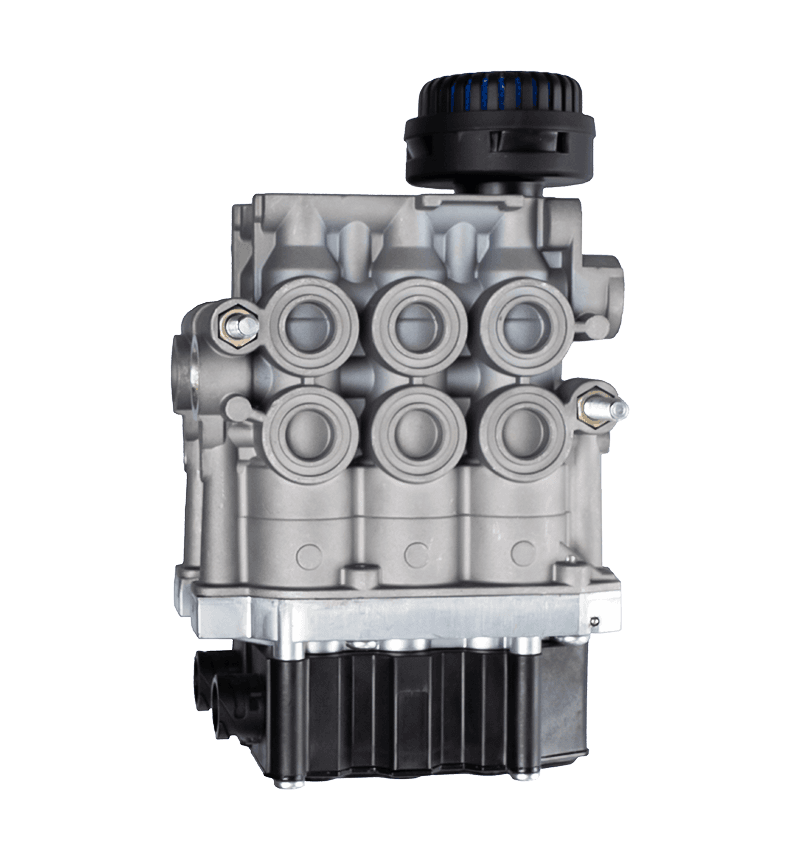
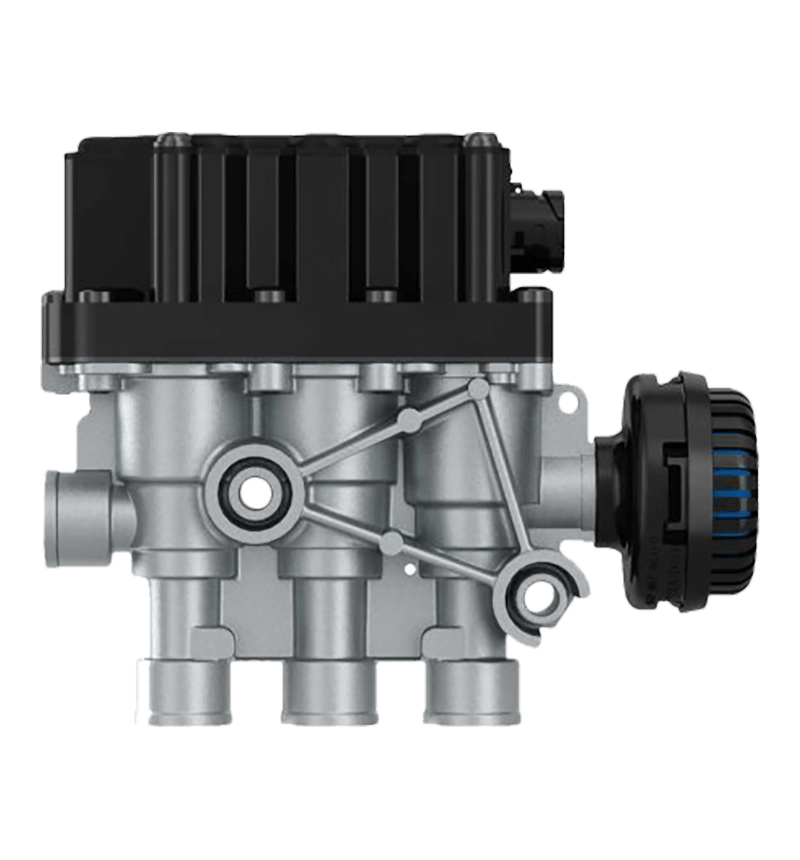
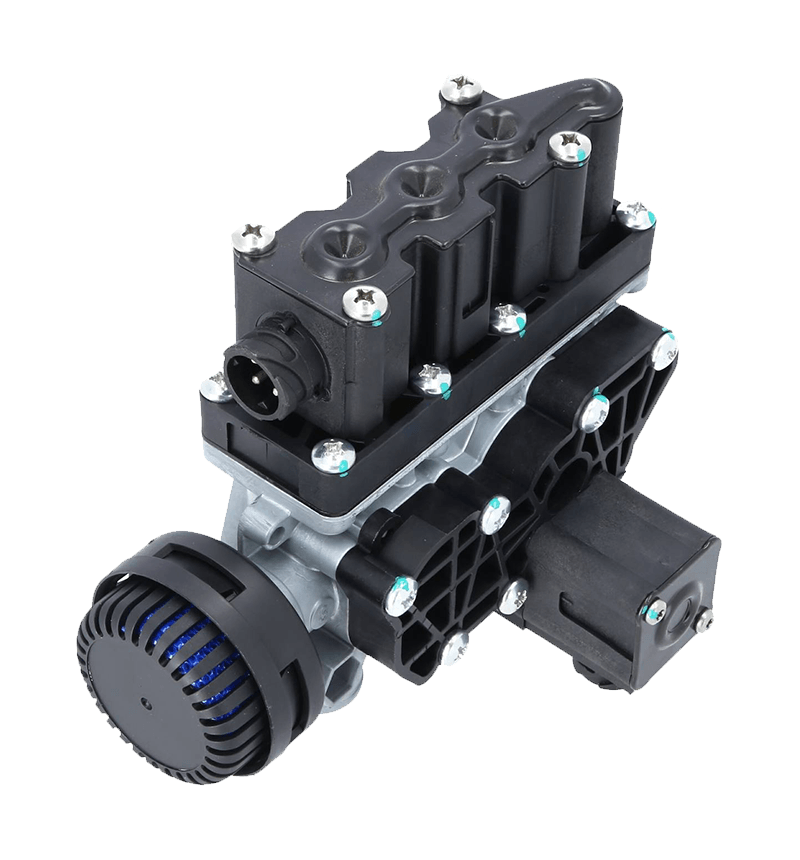
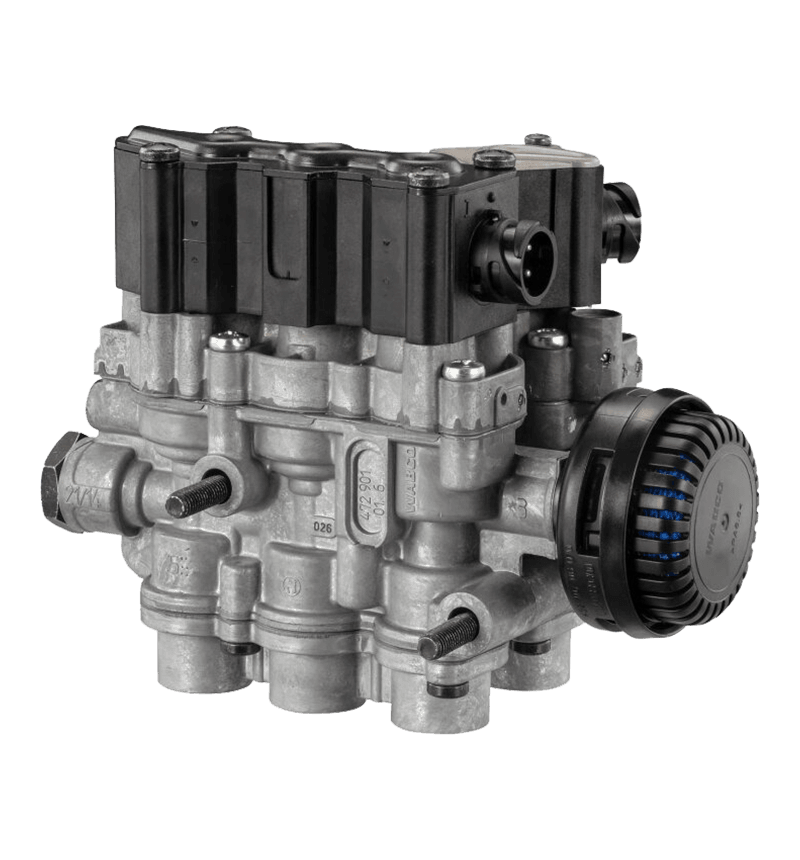
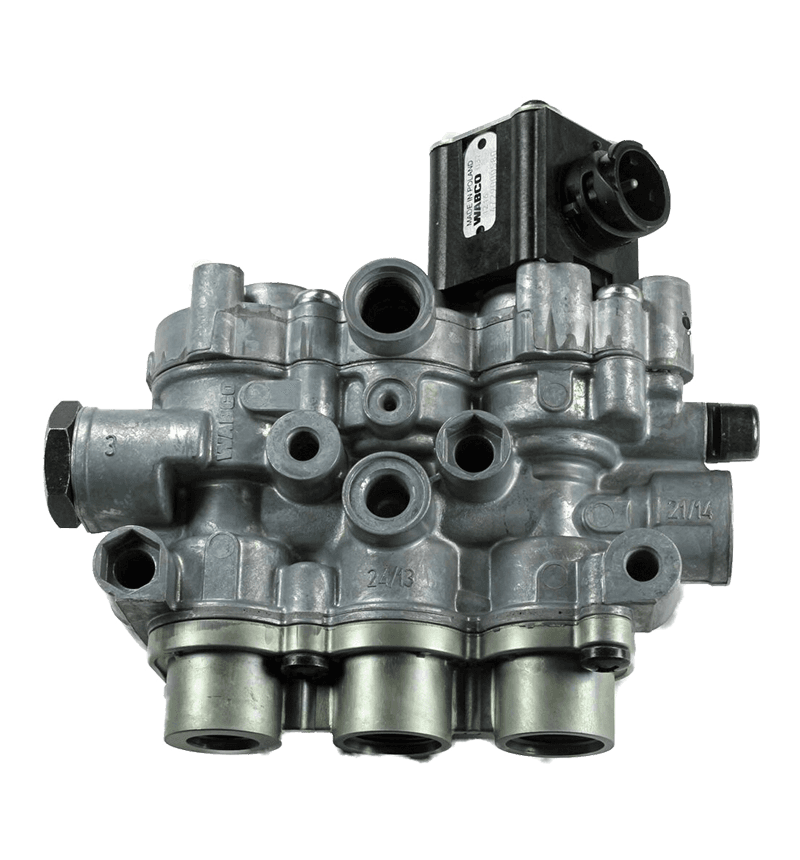
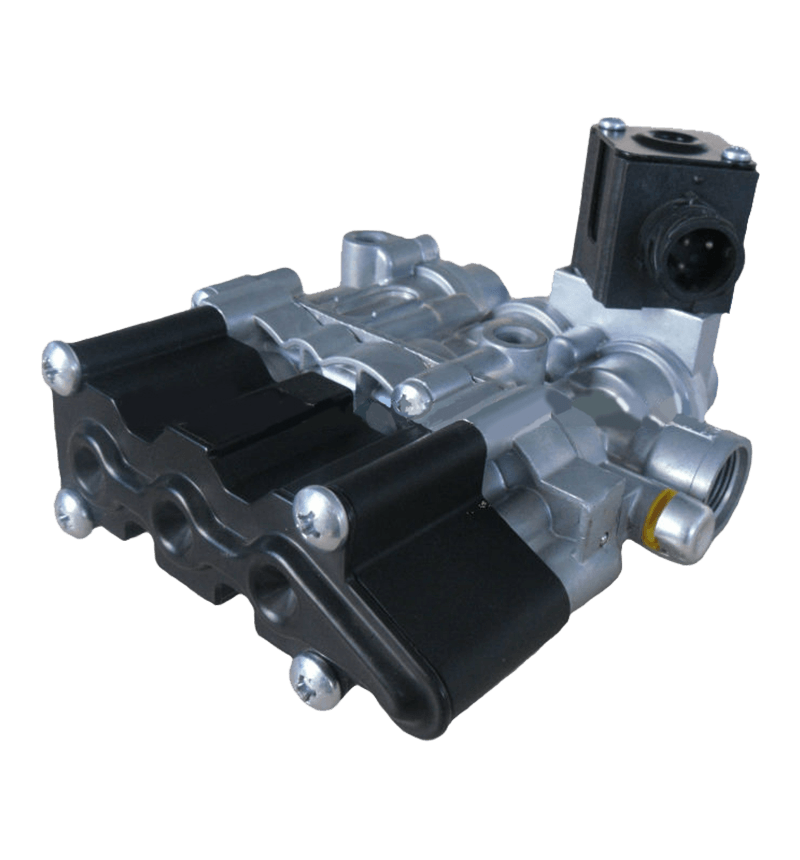
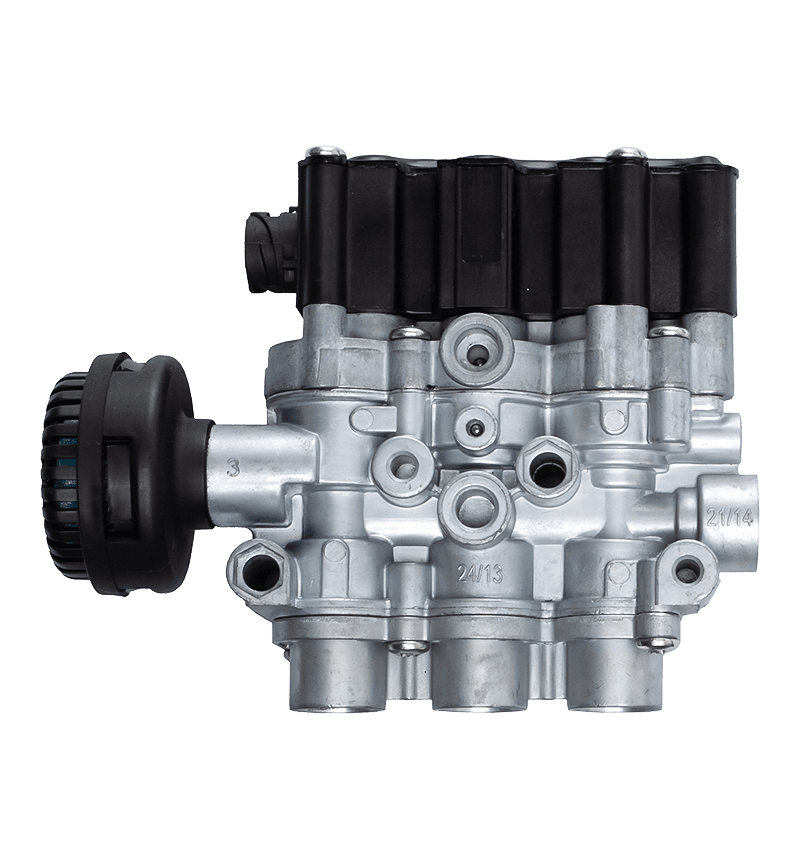
The ECAS valve, commonly used in electronically controlled air suspension systems, plays a central role in adjusting vehicle height and maintaining ride stability. Response speed refers to the time it takes for the valve to react to control signals and complete air intake or exhaust actions. In real operating conditions, this response must align with vehicle dynamics, road conditions, and driver input. If the response is too slow, height correction may lag behind actual needs, while overly aggressive response may introduce instability or discomfort.
Understanding whether the response speed of the ECAS valve meets real-world requirements requires an examination of how the system functions as a whole. The valve does not operate in isolation; it interacts with sensors, electronic control units, air springs, and compressors. Each component contributes to the overall reaction time observed during vehicle operation.
The ECAS valve operates by regulating compressed air flow into and out of air suspension components based on electronic signals. Height sensors continuously monitor the distance between the chassis and axles, sending data to the control unit. When a deviation from the target height is detected, the control unit issues commands to the ECAS valve to either supply air or release it.
The response speed of the valve includes both the electrical response of the solenoid and the mechanical movement of internal components. These actions must occur smoothly and within defined time limits to ensure that the suspension system reacts appropriately to changing loads or road conditions.
In practical applications, response speed is not measured solely by milliseconds of valve actuation. It also includes the time required for air pressure changes to propagate through the system and result in measurable height adjustment. This broader definition better reflects actual operating conditions encountered by vehicles.
Manufacturers often define acceptable response windows rather than a single fixed value. These windows account for variations in air pressure, ambient temperature, and system load. Within these parameters, the ECAS valve is expected to provide consistent and predictable behavior.
Actual operating conditions for vehicles equipped with ECAS systems vary widely. Urban driving, highway cruising, loading and unloading operations, and uneven terrain each impose different demands on response speed. During loading, for example, the system may allow slower adjustments to avoid frequent corrections. In contrast, during dynamic driving situations, faster response is needed to maintain vehicle balance.
Temperature also influences operating conditions. Cold environments can increase air density and affect valve movement, while higher temperatures may alter seal behavior. The response speed must remain within acceptable limits across these conditions to meet real-world expectations.
The electrical component of response speed begins with signal transmission from the control unit to the valve solenoid. Modern ECAS systems use digital communication and controlled voltage levels to ensure consistent activation. The solenoid must generate sufficient magnetic force quickly to move the valve spool or plunger.
Electrical response is generally fast compared to mechanical air flow changes. However, variations in supply voltage, connector condition, and electromagnetic design can influence how quickly the valve reacts. Well-designed systems aim for repeatable electrical response that does not degrade noticeably over time.
Once electrically actuated, the mechanical components of the ECAS valve must move to open or close air passages. The design of the valve seat, spring force, and internal clearances all influence mechanical response. Smooth internal surfaces and balanced forces help reduce delay and prevent sticking.
Airflow dynamics then determine how quickly pressure changes occur in the suspension circuit. Larger orifices allow faster air movement but may reduce control precision, while smaller passages improve control but slow response. Designers balance these factors based on expected operating conditions.
Evaluating whether response speed meets actual requirements requires looking beyond the valve itself. Air line length, reservoir size, compressor performance, and air spring volume all affect how quickly height changes occur. Even a fast-acting ECAS valve may appear slow if downstream components limit airflow.
System integration is therefore critical. Manufacturers test the ECAS valve within a complete suspension system to confirm that overall response aligns with vehicle performance targets rather than relying on isolated component measurements.
One of the most common operating scenarios for ECAS systems is load variation. When passengers or cargo are added, the suspension compresses and triggers height correction. In these cases, response speed is intentionally moderated to avoid abrupt changes that could be felt by occupants.
The ECAS valve typically responds within a controlled timeframe that balances correction efficiency with ride comfort. This behavior aligns with real operating needs, where gradual adjustment is often preferred over immediate correction.
During cornering, braking, or acceleration, suspension dynamics change rapidly. However, ECAS systems are generally not designed to respond instantly to every transient event. Instead, they focus on maintaining a stable baseline height rather than reacting to momentary fluctuations.
In this context, the response speed of the ECAS valve meets operating requirements by avoiding overreaction. Controlled response helps maintain predictable handling characteristics without introducing oscillation or unnecessary air movement.
Software algorithms within the control unit play a major role in shaping perceived response speed. Delay thresholds, filtering of sensor signals, and decision logic determine when the ECAS valve is activated. These algorithms prevent excessive cycling and reduce wear.
As a result, the valve may not respond immediately to minor height deviations. This behavior is intentional and reflects the practical requirements of long-term reliability and system stability rather than a limitation of the valve itself.
The table below outlines general response expectations for ECAS valve behavior under different operating scenarios. These values are illustrative and depend on specific system designs.
| Operating Scenario | Expected Response Behavior | Functional Objective |
| Vehicle loading or unloading | Gradual height correction | Maintain comfort and stability |
| Long-term height deviation | Timely correction within set window | Preserve designed ride height |
| Short-term dynamic movement | Limited or delayed response | Avoid unnecessary adjustments |
Dust, moisture, and vibration can influence ECAS valve performance over time. Sealing design and material selection help protect internal components, supporting consistent response speed in real operating environments. Regular maintenance also plays a role in preserving responsiveness.
When these factors are managed effectively, the valve continues to respond within expected timeframes despite long-term exposure to challenging conditions.
Manufacturers validate response speed through bench testing and vehicle-level testing. Bench tests focus on electrical activation time and airflow capacity, while vehicle tests observe actual height adjustment behavior under controlled conditions.
These tests simulate real operating scenarios such as load changes, temperature variation, and repeated cycling. Results are compared against predefined criteria to confirm that response speed aligns with practical requirements.
Increasing response speed is not always beneficial. Faster actuation can increase wear on seals and mechanical components, potentially reducing service life. Designers therefore balance speed with durability to achieve reliable long-term operation.
The response characteristics of the ECAS valve are tuned to meet everyday operating needs rather than extreme or theoretical performance targets.
From a driver or operator perspective, acceptable response speed is defined by perceived comfort and vehicle behavior rather than numerical specifications. Smooth height adjustment and consistent ride quality indicate that the system is functioning as intended.
Even if the valve does not react instantly, its response may still meet or exceed practical expectations by delivering stable and predictable outcomes.
Over time, repeated actuation can affect response characteristics if components wear or contamination occurs. Quality manufacturing and appropriate material choices help minimize these effects.
When maintained properly, the ECAS valve continues to respond within designed parameters, meeting the requirements of actual operating conditions throughout its service life.
Considering electrical actuation, mechanical movement, airflow dynamics, and control logic together, the response speed of the ECAS valve is generally aligned with the needs of real-world vehicle operation. It provides timely adjustment without introducing instability or excessive system activity.
This balanced approach reflects an understanding that practical operating conditions require controlled and consistent response rather than maximum speed alone.
 NO. 132 Xingye Road,Fengqiao Town ,Zhuji City,Zhejiang
 +86-13958007768 +86-13655857582
Copyright © Zhuji Infia Auto Parts Co., Ltd. All Rights Reserved.
Wholesale Truck/Bus Brake Parts Suppliers
 English
 Español