E-mail: [email protected]
E-mail: [email protected]Address: NO. 132 Xingye Road,Fengqiao Town ,Zhuji City,Zhejiang
Whatsapp: +86-13958007768
Whatsapp: +86-13655857582




Need Help
+86-13958007768
E-mail: [email protected]
E-mail: [email protected]
Address: NO. 132 Xingye Road,Fengqiao Town ,Zhuji City,Zhejiang
Whatsapp: +86-13958007768
Whatsapp: +86-13655857582
Our team is proud to offer on time guarantee and product guarantee to customer satisfaction.
Read More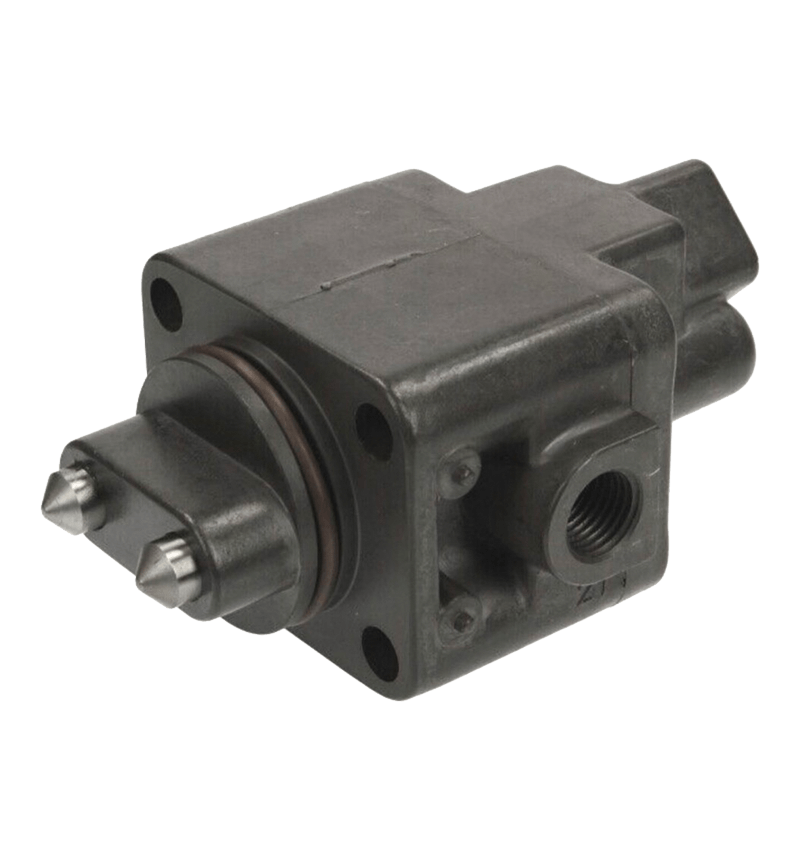
YFY No.
YFY16001
TECHNICAL DATAILS
Port 1=M12x1.5
Port 21,22=M14x1.5
VEHICLES
DAF,MERCEDES,MAN
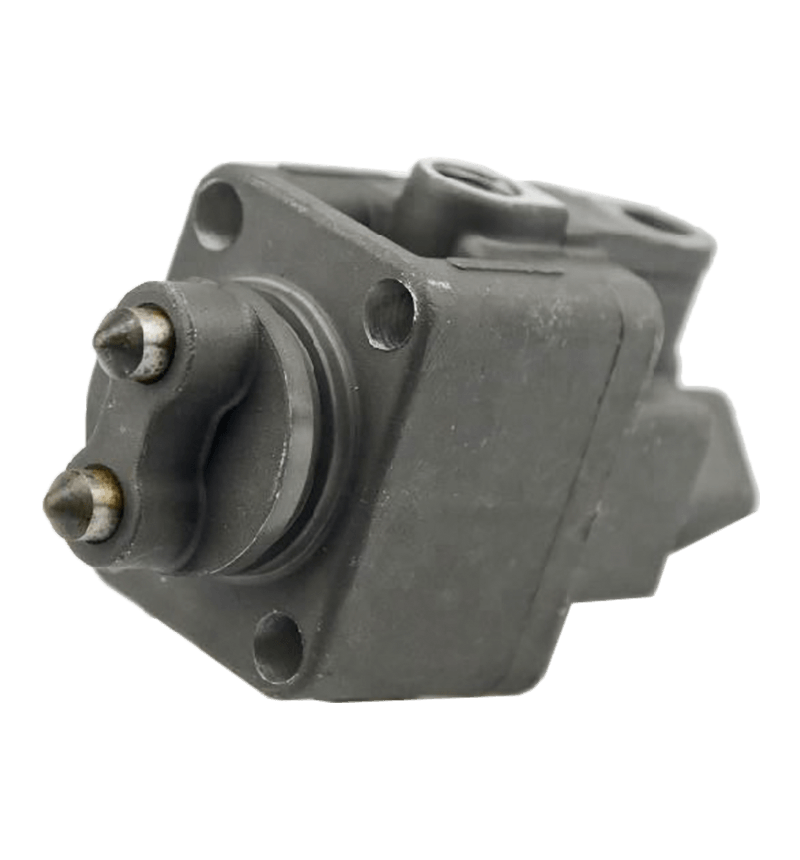
YFY No.
YFY16002
TECHNICAL DATAILS
Port 1=M12x1.5
Port 21,22=M14x1.5
VEHICLES
MAN,MERCEDES,IVECO
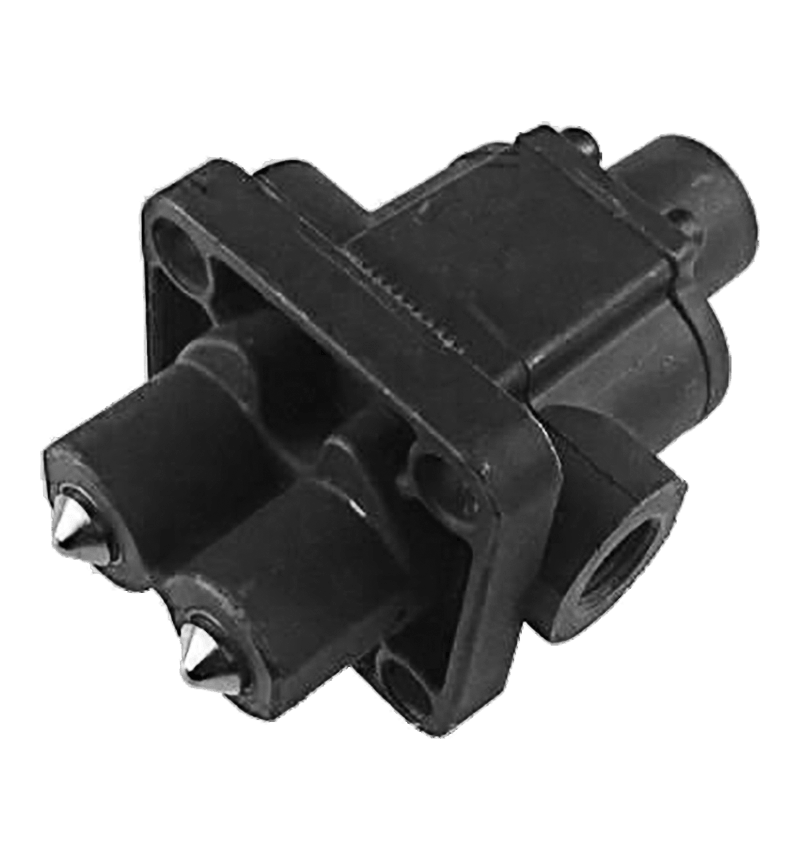
YFY No.
YFY16003
TECHNICAL DATAILS
Port 1=M16x1.5
Port 21,22=M14x1.5
VEHICLES
HOWO
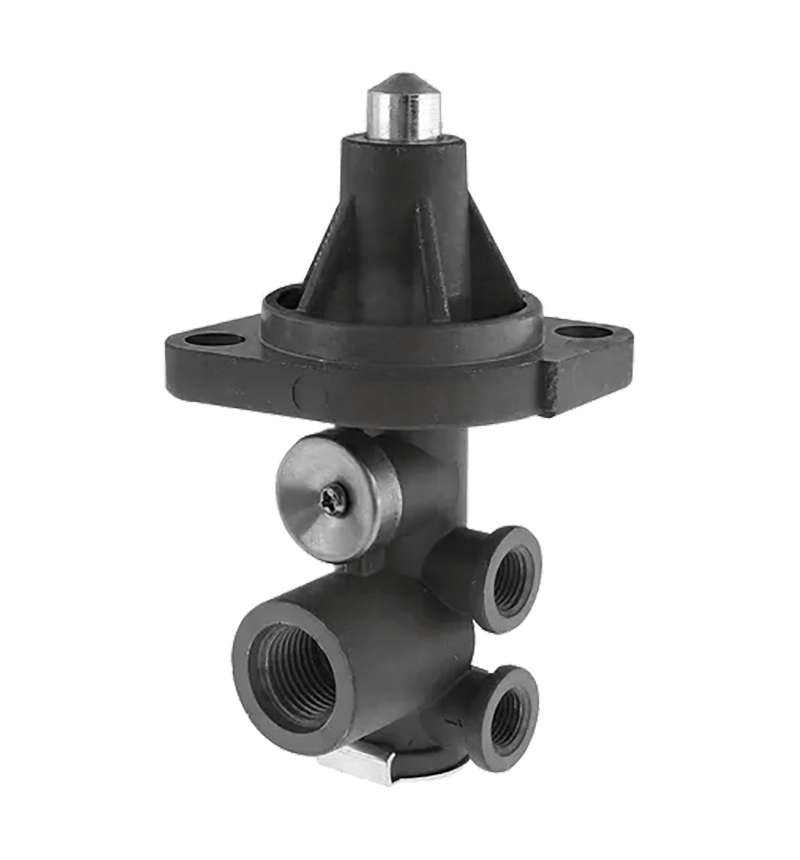
YFY No.
YFY16004
TECHNICAL DATAILS
Port 1=M16x1.5
Port 2=M10x1
VEHICLES
VOLVO
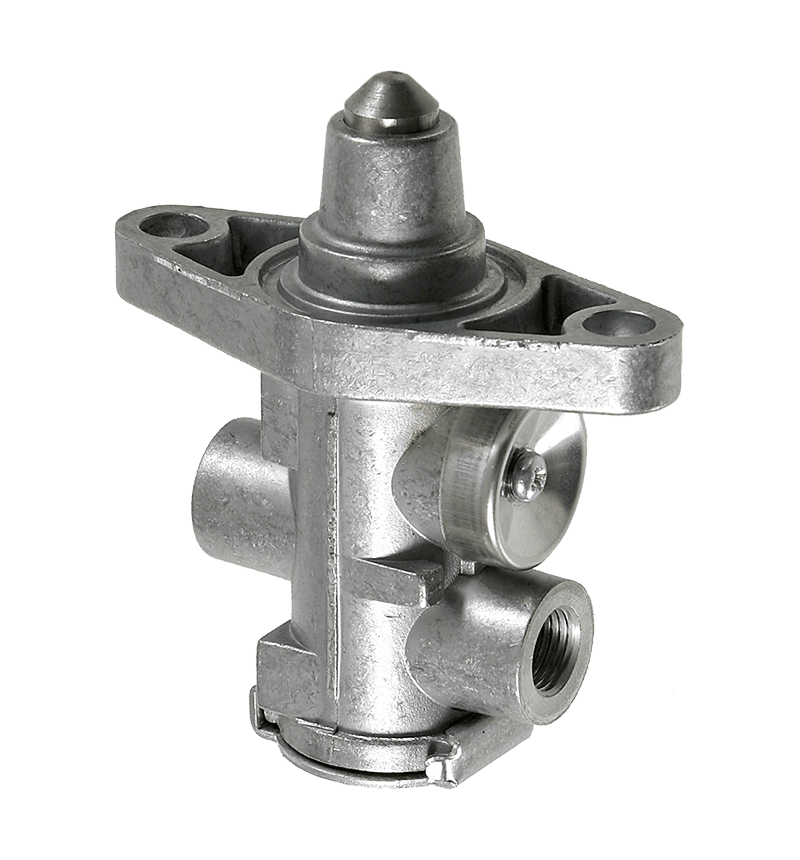
YFY No.
YFY16005
TECHNICAL DATAILS
Port 1,2=M10x1
VEHICLES
SCANIA
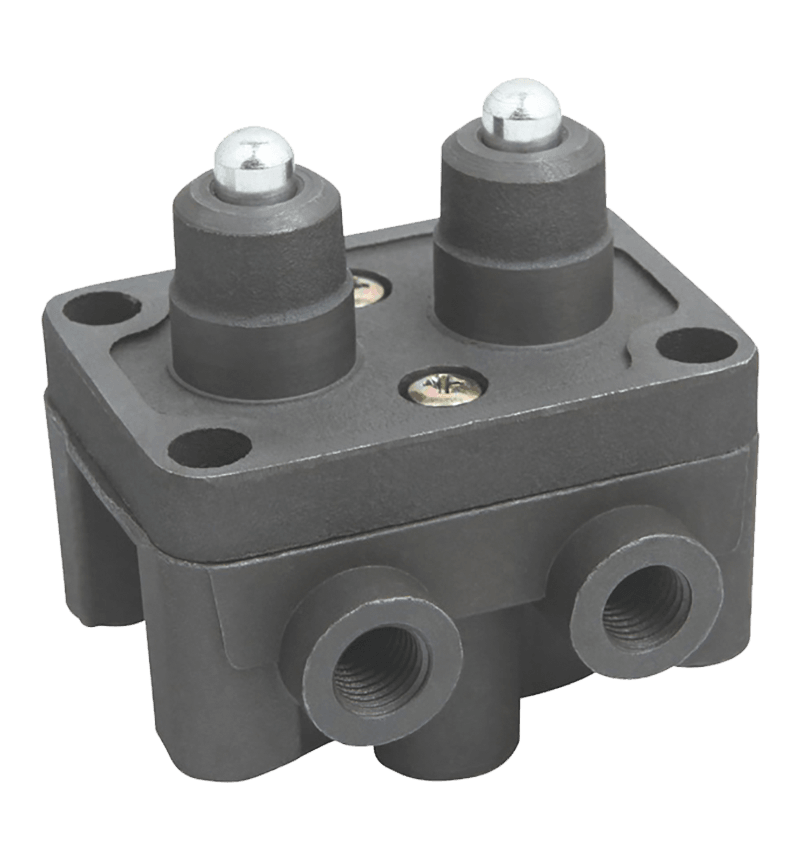
YFY No.
YFY16006
TECHNICAL DATAILS
Port 1,21,22=M12x1.5
VEHICLES
MERCEDES
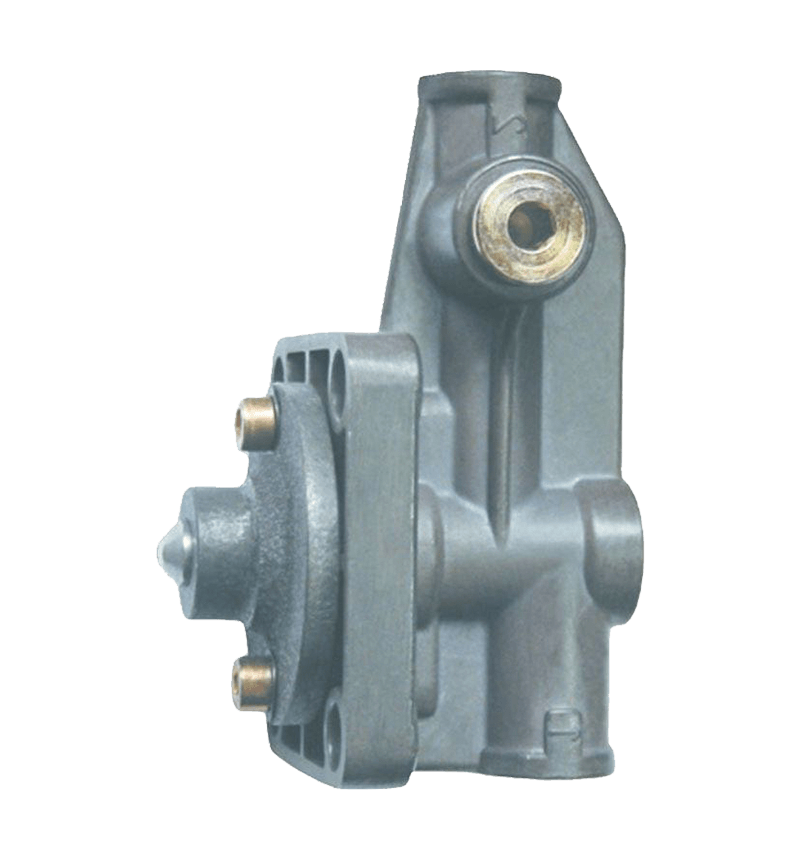
YFY No.
YFY16007
TECHNICAL DATAILS
Port 1,2=M12x1.5
VEHICLES
MERCEDES,DAF,MAN,IVECO,RENAULT
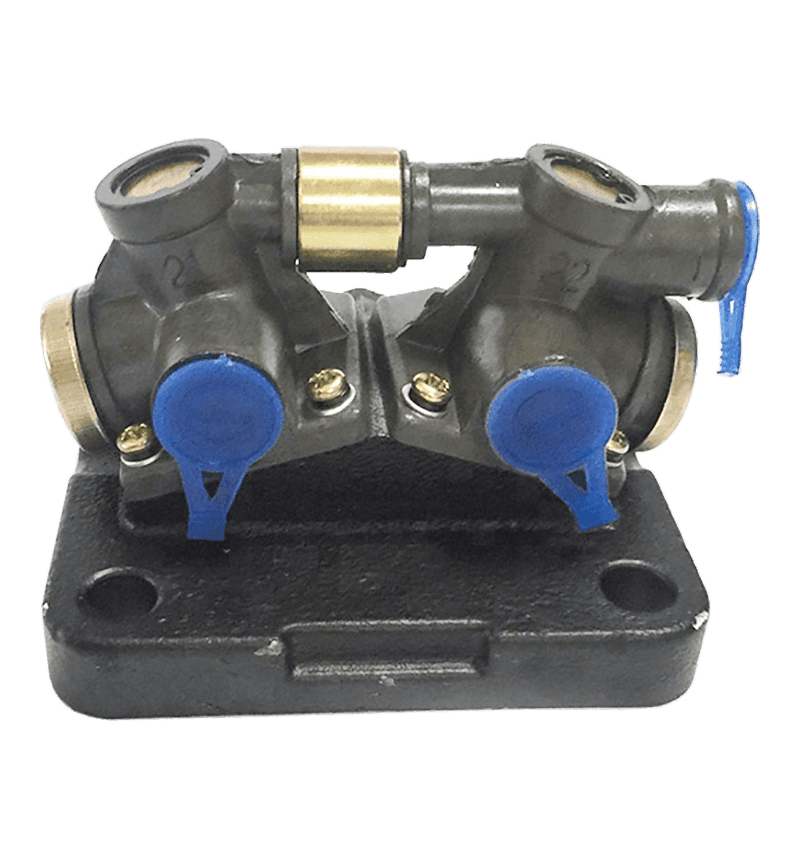
YFY No.
YFY16008
TECHNICAL DATAILS
Port 1,21,22=M12x1.5
VEHICLES
IVECO,MERCEDES
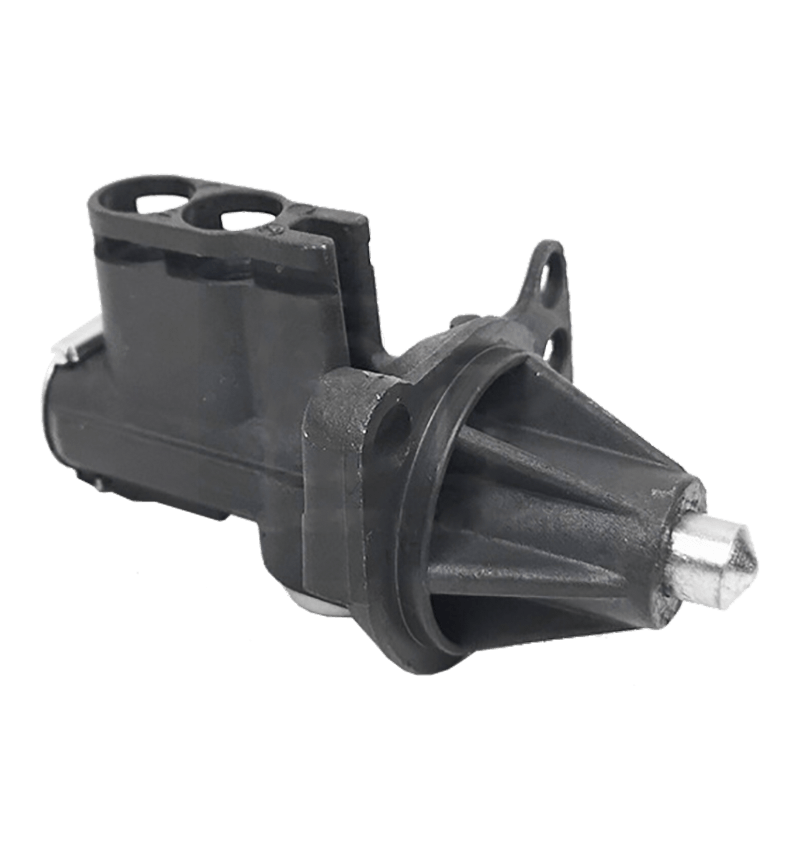
YFY No.
YF16009
TECHNICAL DATAILS
Port 1,2=Φ10
VEHICLES
VOLVO
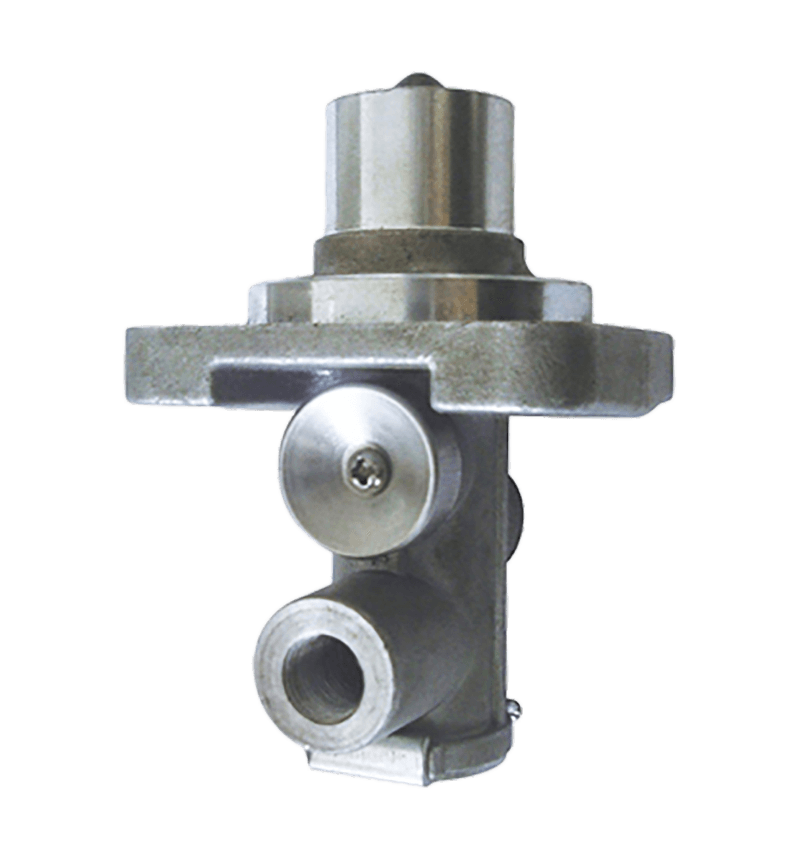
YFY No.
YFY16010
TECHNICAL DATAILS
Port 1,2=1/8"NPT
VEHICLES
VOLVO
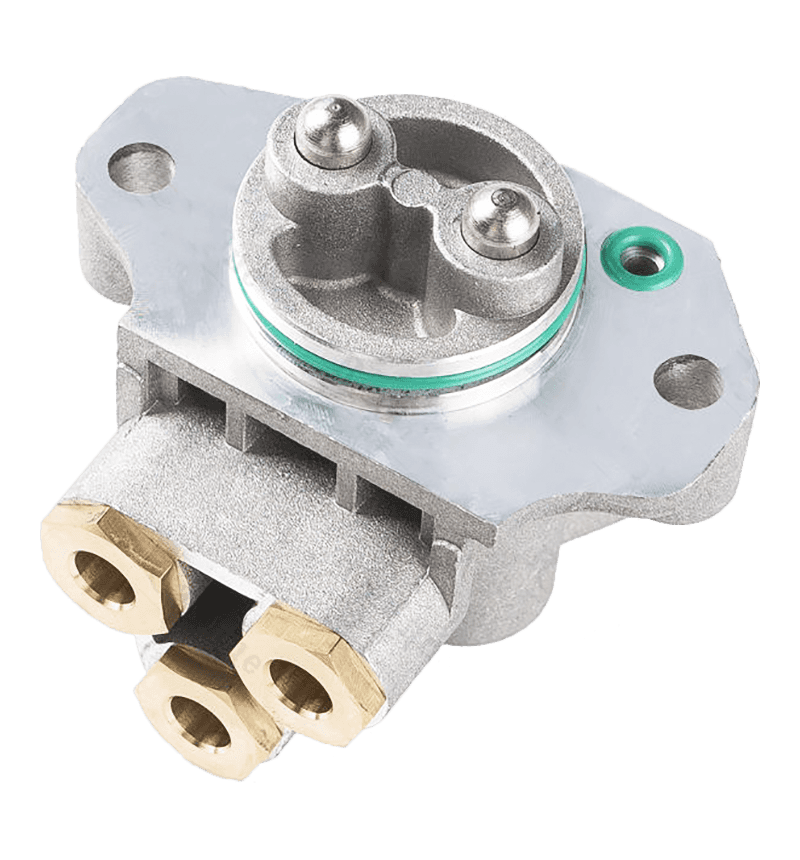
YFY No.
YFY16011
TECHNICAL DATAILS
Port 1,21,22=Φ9
VEHICLES
MERCEDES
YFY No.
YFY16012
TECHNICAL DATAILS
Port 1,21,22=Φ9
VEHICLES
MERCEDES
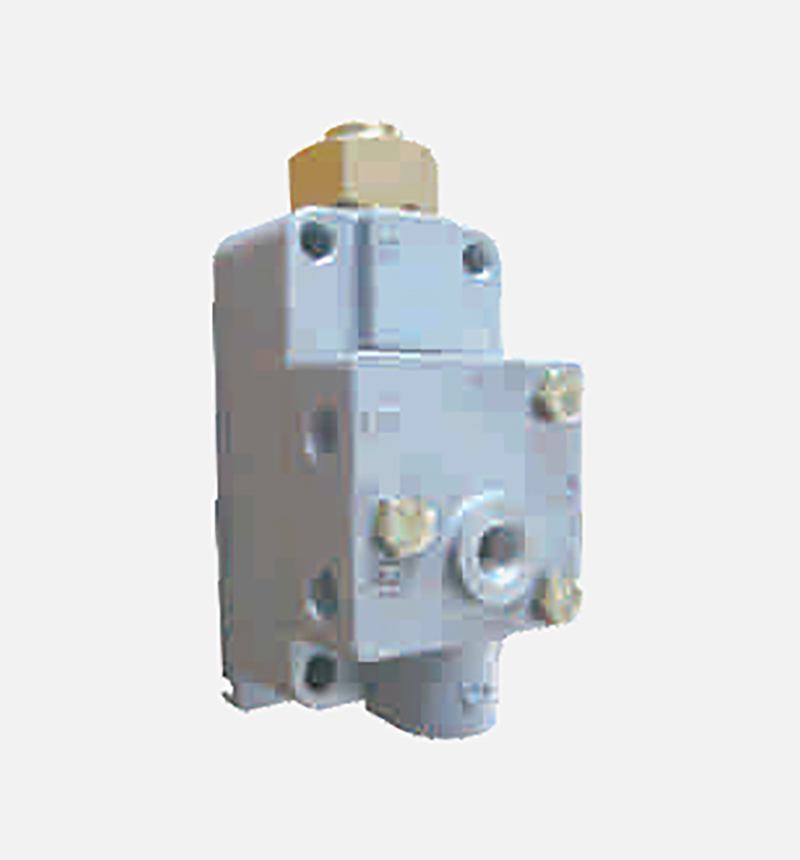
YFY No.
YFY16013
TECHNICAL DATAILS
All Ports: 1/8"NPT
VEHICLES
TRAILER
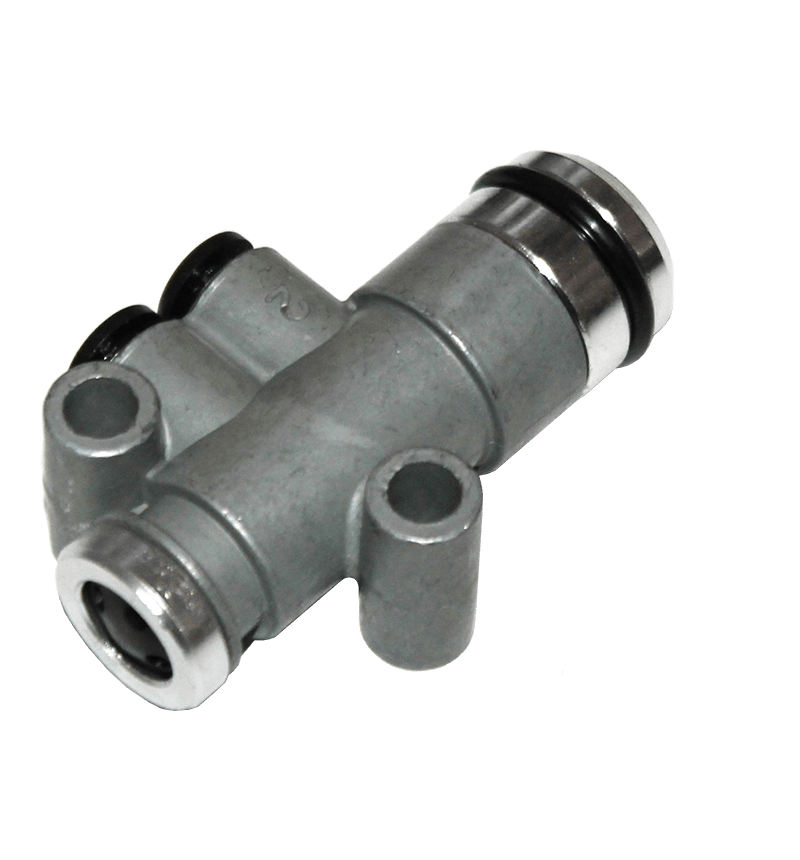
YFY No.
YFY16014
TECHNICAL DATAILS
VEHICLES
MAN
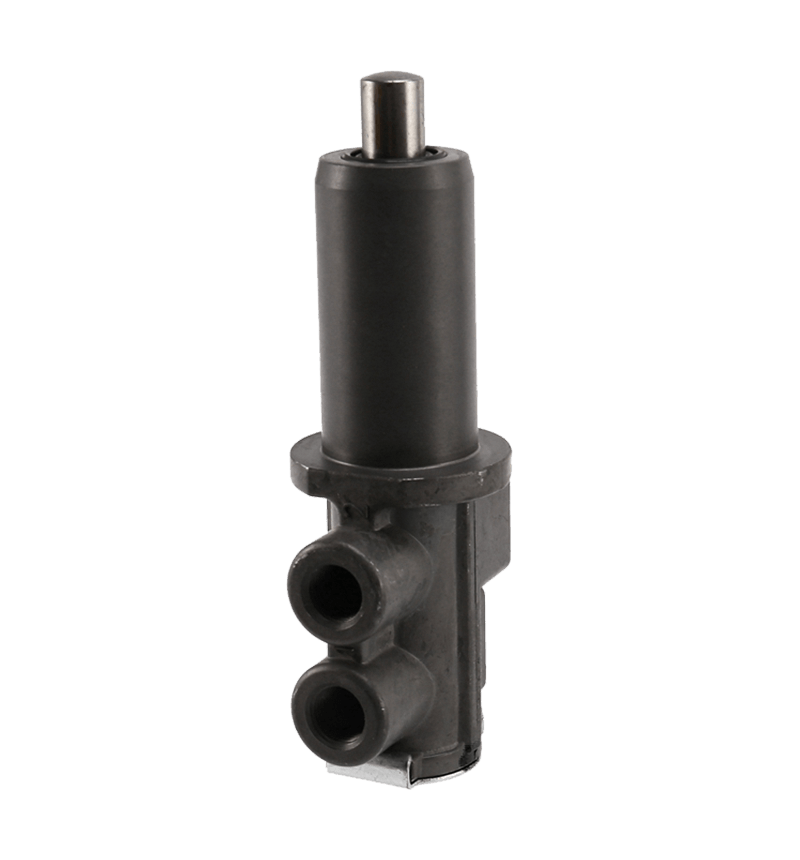
YFY No.
YFY16015
TECHNICAL DATAILS
Port 1,21,22=M10x1
VEHICLES
VOLVO
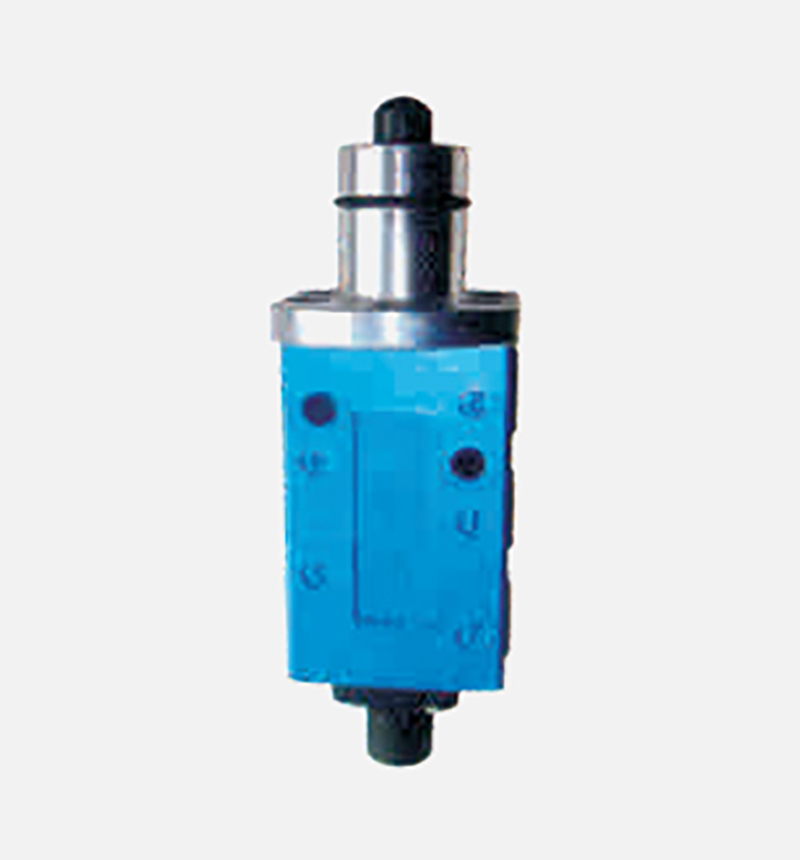
YFY No.
YFY16016
TECHNICAL DATAILS
Port 1,2,3,4,5=1/8"NPT
VEHICLES
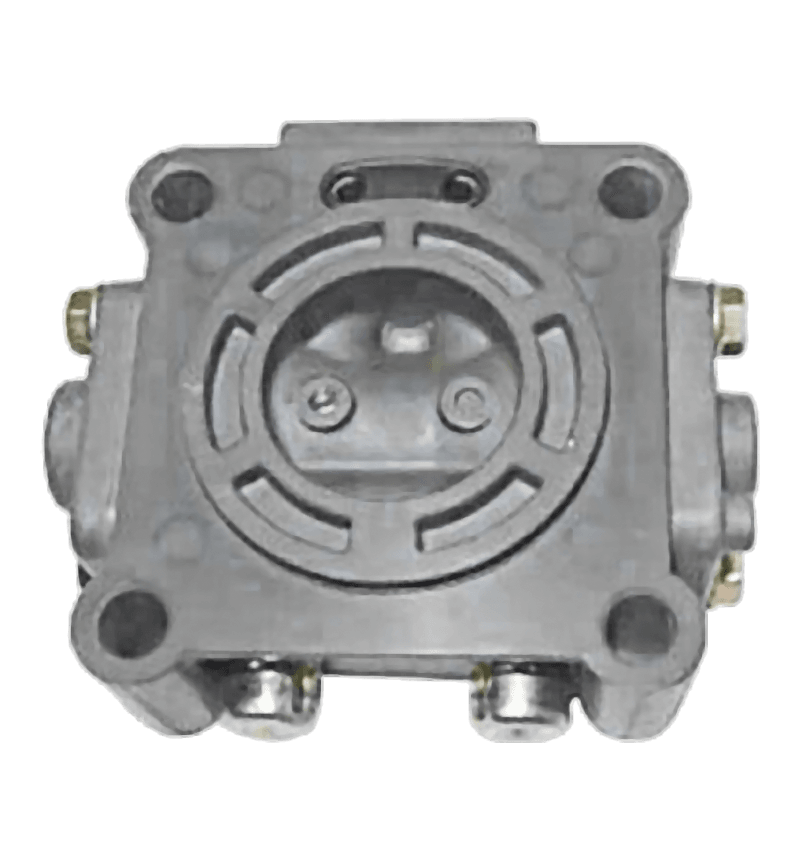
YFY No.
YFY16017
TECHNICAL DATAILS
Port 1=M12x1.5
Port 41=M10x1
VEHICLES
VOLVO
YFY No.
YFY16018
TECHNICAL DATAILS
Port 1=M12x1.5
Port 41=M10x1
VEHICLES
MAN
YFY No.
YFY16019
TECHNICAL DATAILS
VEHICLES
MERCEDES
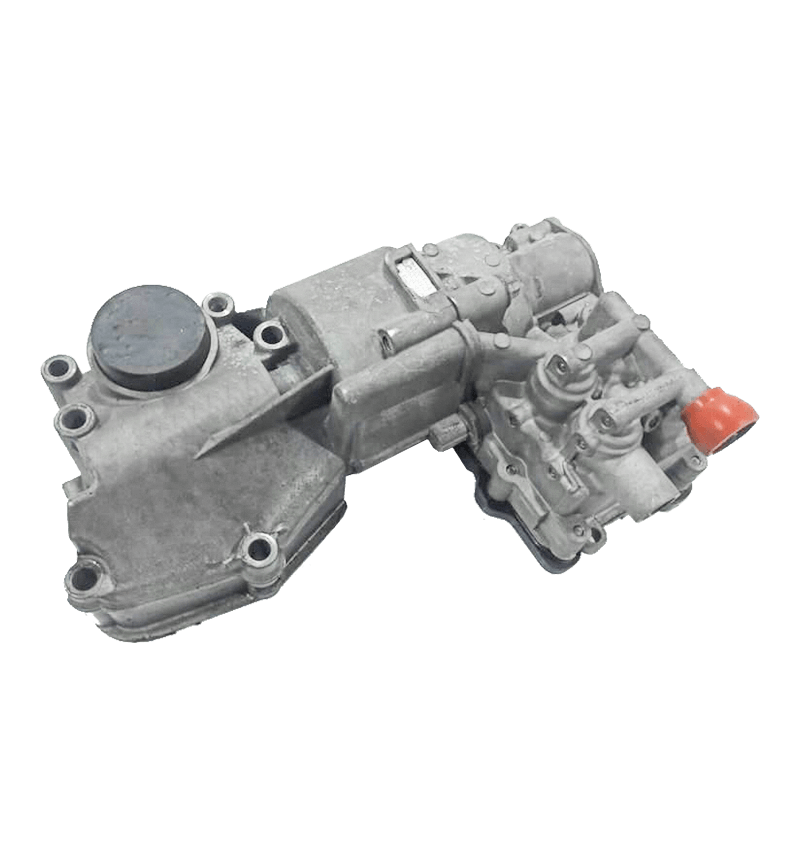
INFIA Gearbox Valves are key components designed for the transmission system of trucks. These valves play a vital role in the transmission, ensuring smooth operation and efficient performance of the transmission by precisely controlling the hydraulic system. INFIA Gearbox Valves feature precise control. They use high-precision hydraulic control technology to accurately regulate the pressure and flow in the transmission hydraulic system, resulting in smooth shifting operation and reliable performance. These valves have durability and reliability. The use of high-quality materials and advanced manufacturing processes ensures that the valves can operate stably for a long time in harsh working environments, reducing the frequency of maintenance and replacement and reducing maintenance costs. INFIA Gearbox Valves seamlessly integrate with the transmission system of trucks and have good adaptability and compatibility. They can ensure the stability and consistency of the system, providing drivers with a stable driving experience. These valves also improve the performance and efficiency of the transmission by optimizing the working of the hydraulic system. They ensure smooth and rapid shifting, provide a driving experience, and help improve the fuel economy of the vehicle. INFIA Gearbox Valves play a key role in the hydraulic control of the transmission system, ensuring the safety of the driver during driving. They ensure the stability of the transmission under various road and load conditions, reducing the possibility of unexpected failures and accidents.
A compressed-air hiss under the cab usually means one thing: a brake valve has failed. A vehicle brake valve is not a single part, but a family of pneumatic components that control the pressure, timi...
View MoreWhen a heavy truck loses brake response at the pedal, a workshop might spend an afternoon checking slack adjusters, brake chambers and compressor output before finally removing the treadle valve from...
View MoreA truck that tilts to one side when parked, a suspension warning light that comes on after a cold morning, and an air compressor that runs almost constantly: these are signs of an ECAS valve that is ...
View MoreThe clutch pedal is stiff, the next gear is difficult to find, and a low hissing sound appears every time you push it down. If that sounds familiar, the clutch servo on your truck is probably not wor...
View MoreEvery fleet technician knows the complaint: the clutch pedal is getting harder to push, and by the end of a long shift the driver's left leg is tired. On modern commercial trucks and buses, that effo...
View MoreA city bus kneels at every stop so passengers can step aboard without strain. A highway tractor holds its deck level as the trailer load shifts. Both movements depend on a small component: the ECAS s...
View MoreExecutive Summary Optimizing electronically controlled air suspension systems relies heavily on the precise pneumatic regulation provided by ECAS solenoid valves. When choosing or troubleshooting t...
View MorePressure Limiting Valves: The Engineering Guide to System Protection and Safety Pressure limiting valves are the most critical safety components in any hydraulic or pneumatic system, preventing cat...
View MoreAs the core component of the hydraulic system inside the gearbox, GEARBOX VALVES is undoubtedly an outstanding embodiment of modern automotive engineering technology with its complex and exquisite structural design. These valves not only carry the important mission of controlling the flow of oil and achieving precise shifting and speed change, but also must maintain a high degree of stability and reliability in extreme and changeable operating environments.
From the perspective of material selection, the manufacturing materials of GEARBOX VALVES have undergone rigorous screening and testing. Considering the high pressure, high speed and possible corrosive oil environment inside the gearbox, high-strength, corrosion-resistant special steel or alloy materials are generally used as the basic materials of the valve body. These materials not only have excellent mechanical properties and can withstand huge pressure and impact, but also have good corrosion resistance, which effectively prevents additives or impurities in the oil from corroding the valve body. In addition, for high-temperature working environments, GEARBOX VALVES also uses high-temperature resistant materials to ensure that it can still maintain stable physical properties and chemical stability under high temperature conditions, thereby extending the service life of the valve.
In terms of structural design, GEARBOX VALVES demonstrates extremely high precision and complexity. The intricate oil channel structure is formed inside the valve body through precise processing and assembly technology. These oil channels are like blood vessels, accurately transporting oil to various parts of the gearbox, providing the necessary power support for the shifting and speed change process. In order to achieve precise control of the oil, the gearbox valve is also equipped with multiple precisely designed valve cores and valve seats. The matching clearance between these components is extremely small. Through fine grinding and adjustment, it is ensured that the oil can flow according to the predetermined path and flow when flowing through the valve. At the same time, in order to prevent oil leakage, the gearbox valve also adopts a multi-layer sealing structure. These seals are usually made of high-performance rubber or plastic materials, have good elasticity and sealing performance, and can maintain the sealing effect for a long time under high temperature and high pressure environment.
In addition to material selection and structural design, GEARBOX VALVES also incorporates advanced intelligent control technology. Modern automobile gearboxes generally use electronic control units (ECUs) for intelligent management, and the gearbox valve, as a key actuator of the hydraulic system, is naturally closely connected with the ECU. Through the sensors and actuators integrated on the transmission valve, the ECU can monitor the working status information of the transmission in real time, including oil temperature, pressure, flow rate and gear position. After obtaining this information, the ECU will use complex algorithms for analysis and calculation, and send precise control signals to the transmission valve. These control signals will drive the actuators such as the solenoid valve or hydraulic valve inside the transmission valve to respond quickly, thereby achieving precise control of the oil and smooth transition of the shifting process.
It is worth mentioning that the intelligent control technology of GEARBOX VALVES also has adaptive and self-learning capabilities. During the driving process of the vehicle, the ECU will continuously adjust the control strategy and parameter settings of the transmission valve according to factors such as the driver's driving habits, road conditions and vehicle load. In this way, the transmission valve can gradually adapt to different working conditions and improve fuel economy and driving comfort while maintaining smooth shifting.
In the face of harsh environmental challenges such as high temperature and vibration inside the transmission, GEARBOX VALVES also adopts a variety of protective measures to ensure its long-term stable operation. For example, high-temperature resistant coating is applied on the valve body surface to improve its heat resistance; reinforcing ribs are added at key locations to improve its anti-vibration capability; and optimized heat dissipation design is used to reduce valve body temperature. These measures together constitute a comprehensive protection system for the transmission valve, providing a strong guarantee for the efficient and stable operation of the automobile transmission.
 NO. 132 Xingye Road,Fengqiao Town ,Zhuji City,Zhejiang
 +86-13958007768 +86-13655857582
Copyright © Zhuji Infia Auto Parts Co., Ltd. All Rights Reserved.
Custom Gearbox Valves Manufacturers
 English
 Español
