E-mail: [email protected]
E-mail: [email protected]Address: NO. 132 Xingye Road,Fengqiao Town ,Zhuji City,Zhejiang
Whatsapp: +86-13958007768
Whatsapp: +86-13655857582




Need Help
+86-13958007768
E-mail: [email protected]
E-mail: [email protected]
Address: NO. 132 Xingye Road,Fengqiao Town ,Zhuji City,Zhejiang
Whatsapp: +86-13958007768
Whatsapp: +86-13655857582
Our team is proud to offer on time guarantee and product guarantee to customer satisfaction.
Read MoreTrailer Control Valves OEM/ODM
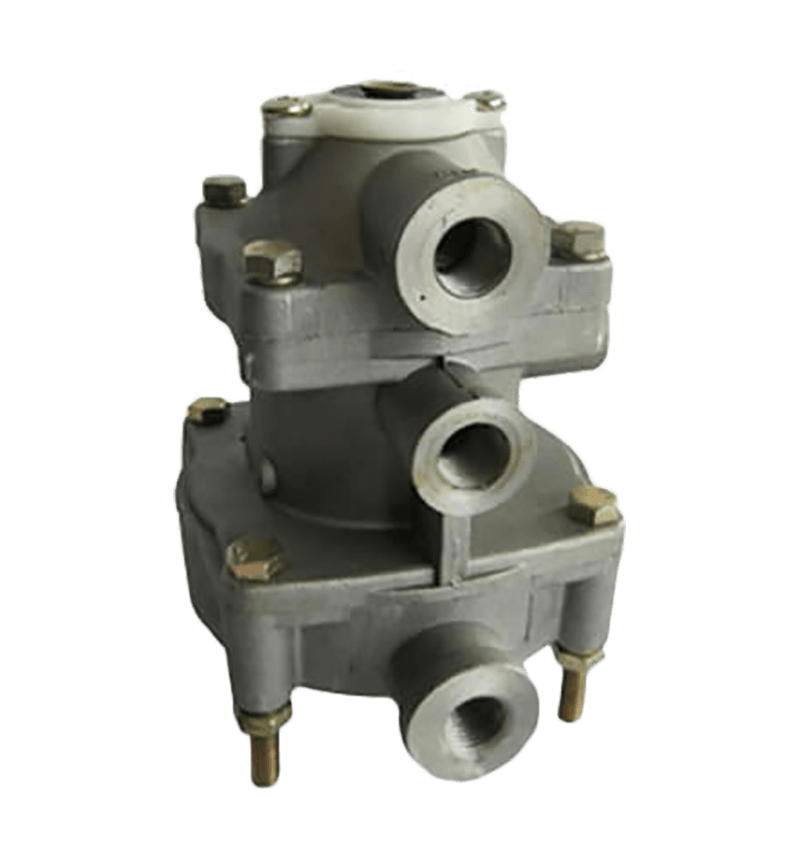
YFY No.
YFY09001
TECHNICAL DATAILS
Port 1,2,41,42,43=M16x1.5
Pred: 0BAR-FIXED
VEHICLES
SCANIA,VOLVO,DAF,MAN,MERCEDES,EVOBUS
YFY No.
YFY09002
TECHNICAL DATAILS
Port 1,2,41,42,43=M22x1.5
Pred: 0BAR-ADJUSTABLE
VEHICLES
IVECO
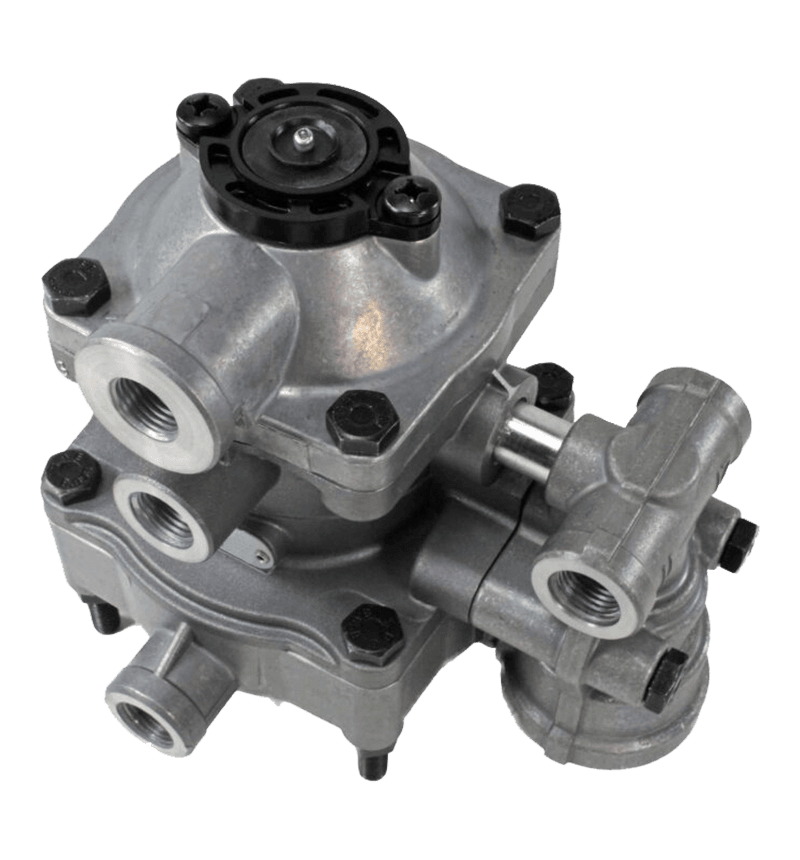
YFY No.
YFY09003
TECHNICAL DATAILS
Port 11,12,22 =M16x1.5,
Port 41,42,43=M16x1.5
Pred: 0BAR-FIXED
VEHICLES
IVECO,RENAULTMERCEDES
YFY No.
YFY09004
TECHNICAL DATAILS
Port 11,12,22 =M16x1.5,
Port 41,42,43=M16x1.5
Pred: 0.2BAR-ADJUSTABLE
VEHICLES
IVECO,RENAULT,MERCEDES,VOLVO
YFY No.
YFY09005
TECHNICAL DATAILS
Port 11,12,21,22 =M16x1.5
Port 41,42,43=M16x1.5
Pred: 0.2BAR-ADJUSTABLE
VEHICLES
MAN,MERCEDES
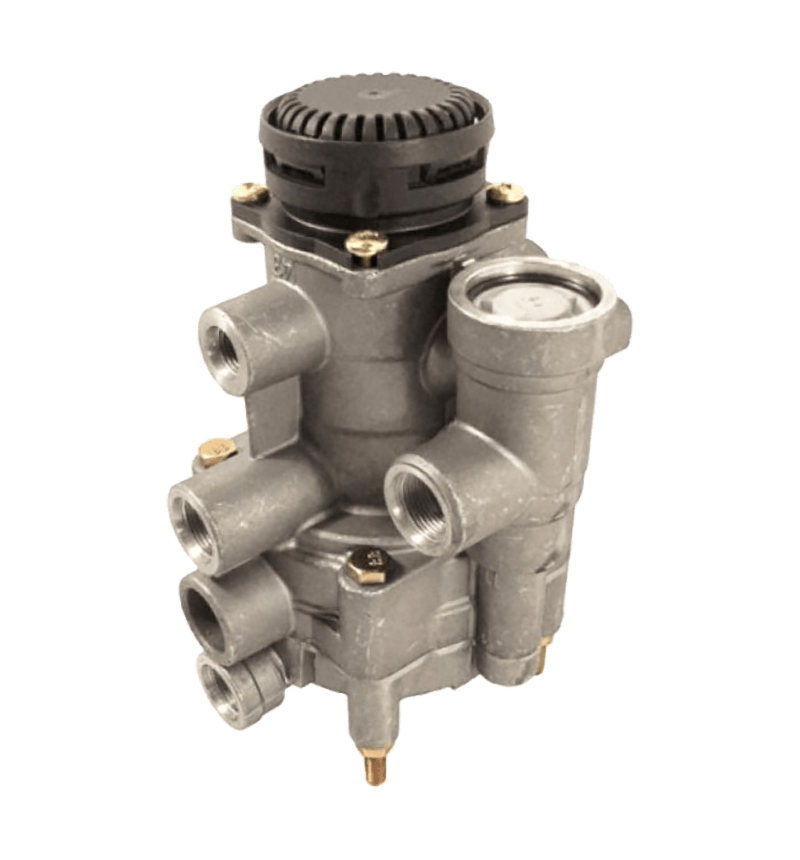
YFY No.
YFY09006
TECHNICAL DATAILS
Port 11,12,22,41,42=M22x1.5 VOSS
Port 43=M16x1.5 VOSS
Pred: 0.2BAR
VEHICLES
MAN,RENAULT,DAF,EVOBUS
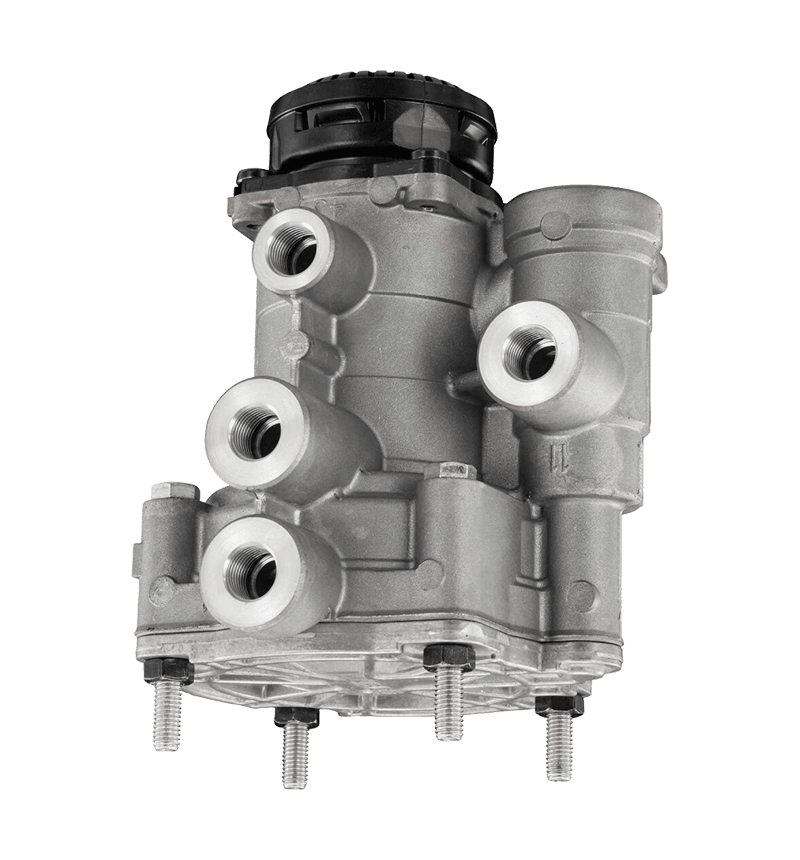
YFY No.
YFY09007
TECHNICAL DATAILS
Port 11,12,21,22 =M16x1.5
Port 41,42,43=M16x1.5
Pred: 0.4BAR
VEHICLES
SCANIA,VOLVO,DAF,MANDE,EVOBUS
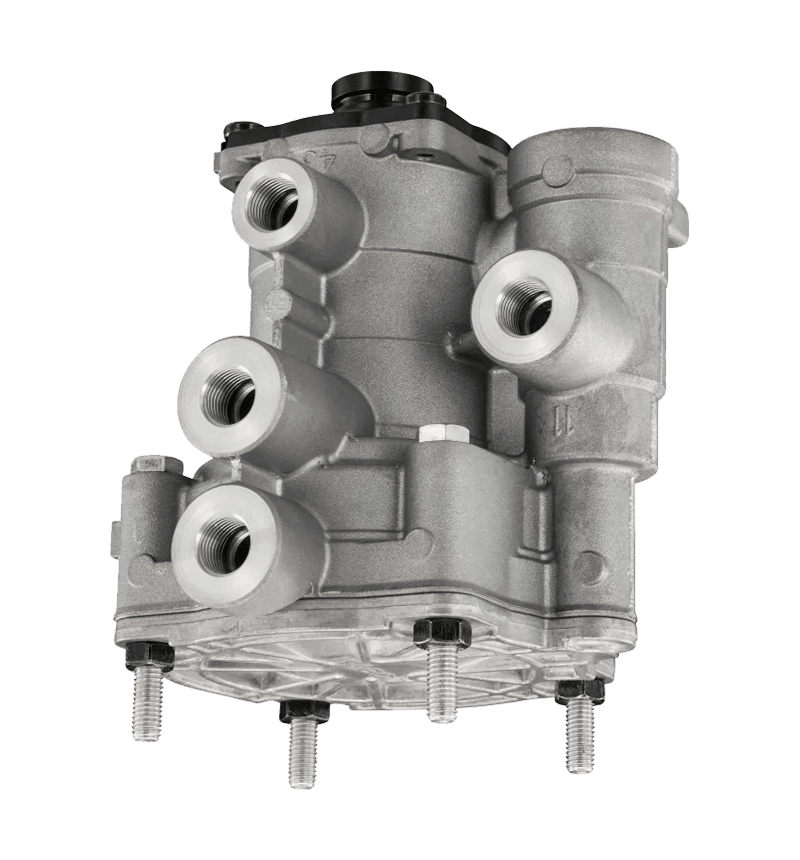
YFY No.
YFY09008
TECHNICAL DATAILS
Port 11,12,22,41,42=M22x1.5 VOSS
Port 43=M16x1.5 VOSS
Pred: 0.2BAR
VEHICLES
MAN,MERCEDES,DAF
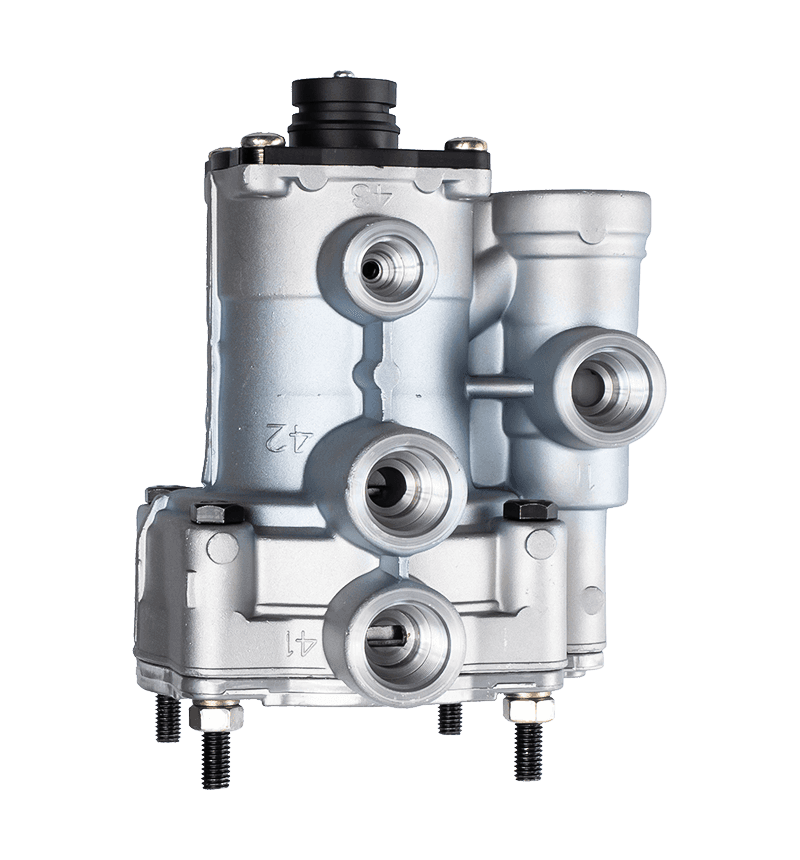
YFY No.
YFY09009
TECHNICAL DATAILS
Port 11,12,21,22 =M16x1.5
Port 41,42,43=M16x1.5
Pred: 0.2BAR
VEHICLES
IVECO,VOLVO
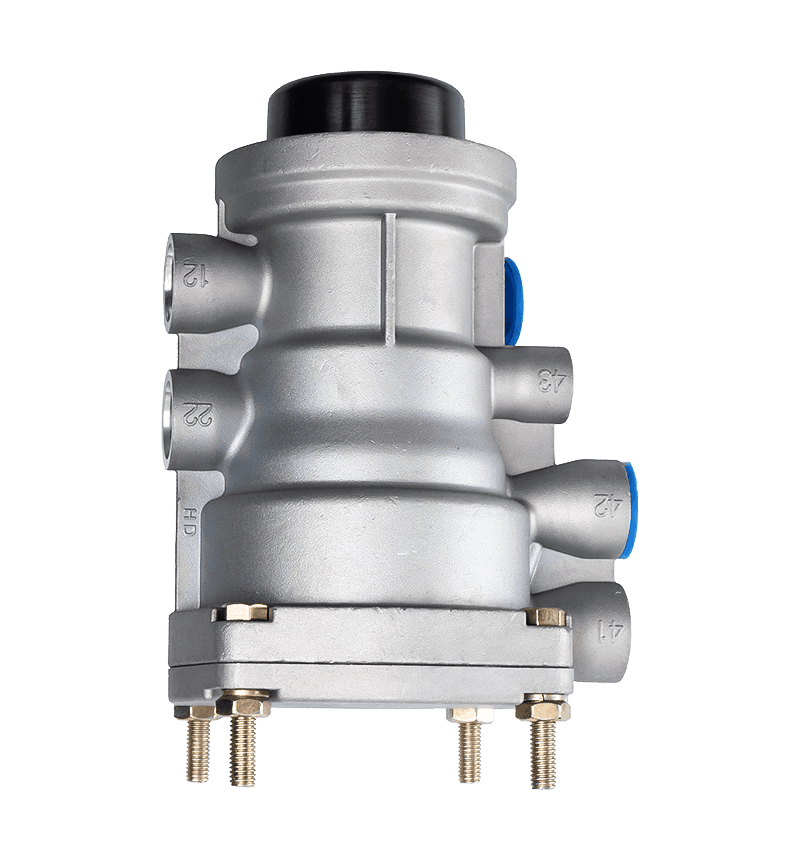
YFY No.
YFY09010
TECHNICAL DATAILS
Port 11,12,22,41,42=M22x1.5VOSS
Port 43=M16x1.5VOSS
Pred: 0BAR-FIXED
VEHICLES
RENAULT,DAF
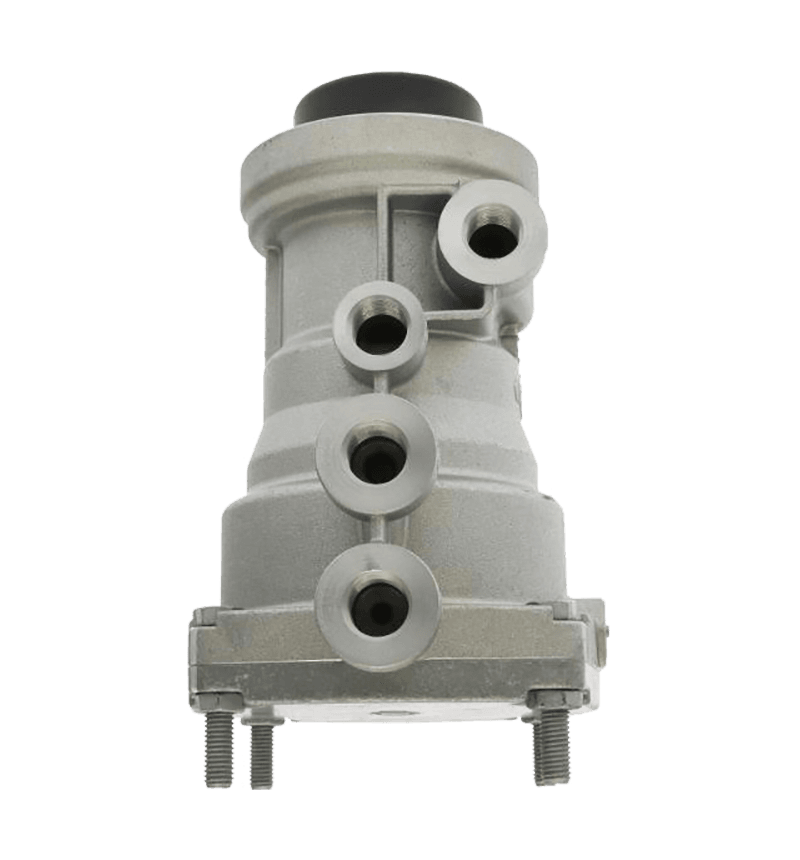
YFY No.
YFY09011
TECHNICAL DATAILS
Port 11,12,22=M16x1.5
Port 41,42,43=M16x1.5
VEHICLES
IVECO,DAF,VOLVO
YFY No.
YFY09012
TECHNICAL DATAILS
Port 11,12,22=M16x1.5
Port 41,42,43=M16x1.5
VEHICLES
SCANIA
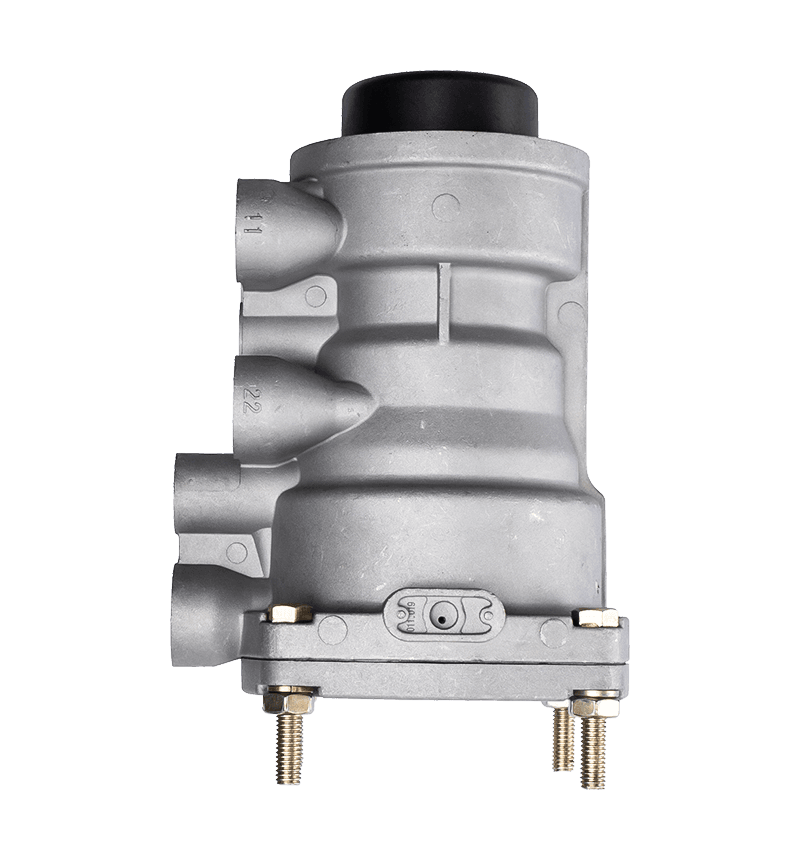
YFY No.
YFY09013
TECHNICAL DATAILS
Port 11,12,22,41,42=M22x1.5VOSS
VEHICLES
MERCEDES
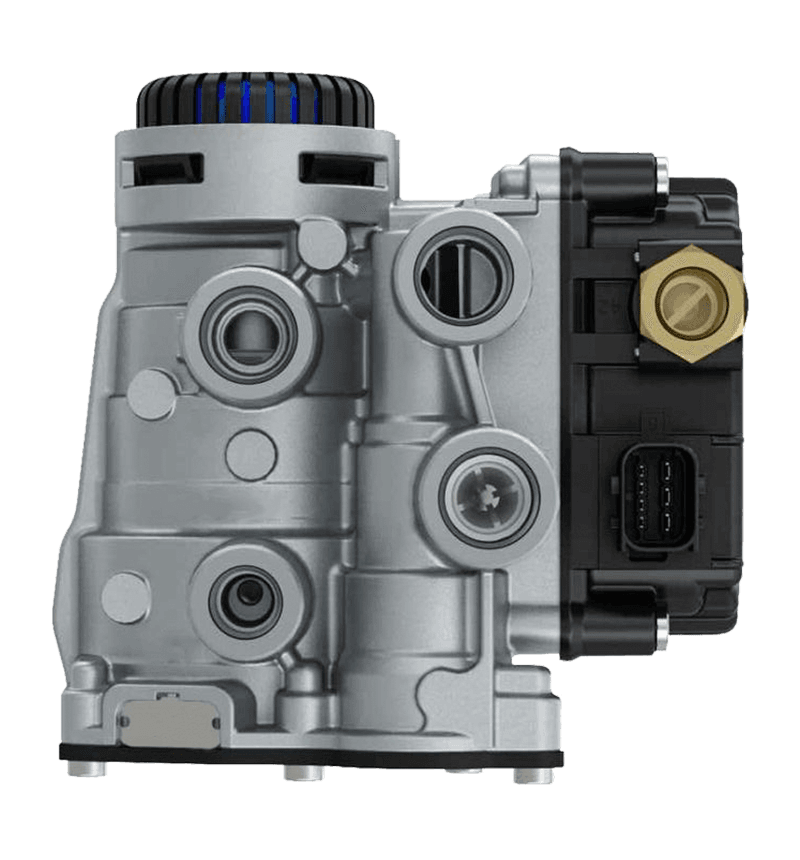
YFY No.
YFY09014
TECHNICAL DATAILS
Port 11,12,22,41,42=M22x1.5VOSS
Port 43=M16x1.5
VEHICLES
MERCEDES
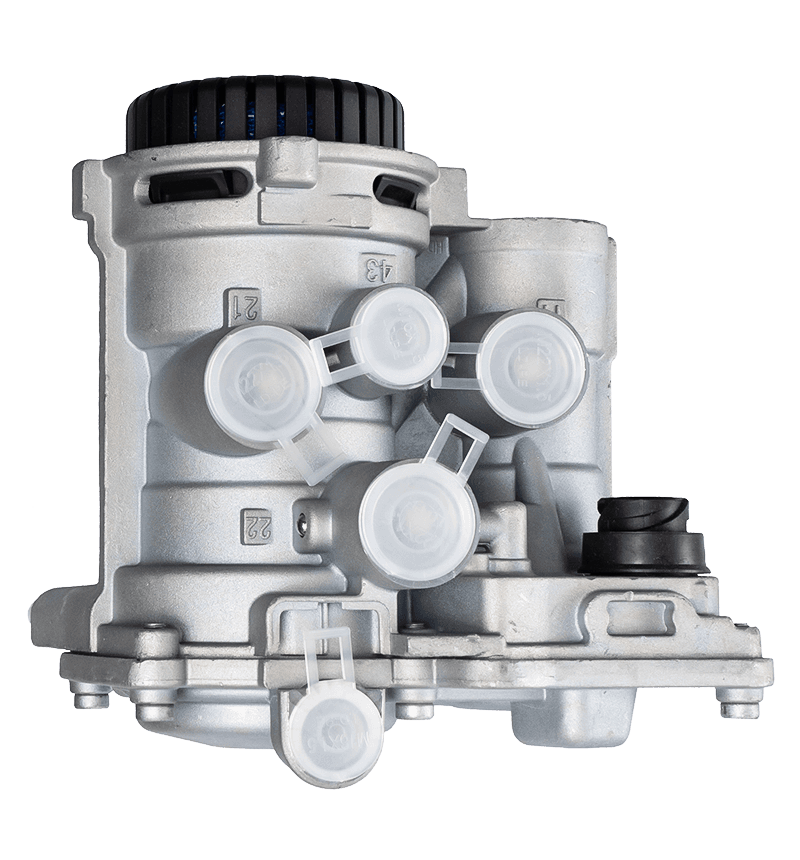
YFY No.
YFY09015
TECHNICAL DATAILS
Port 11,12,22,41,42=M22x1.5VOSS
Port 43=M16x1.5
VEHICLES
MERCEDES
The Air Brake Relay Valve is one of the key components in the braking system of large cars and trucks. It plays a vital role in the air brake system. The air brake system uses compressed air to transmit braking force so that the vehicle can achieve effective braking. The Air Brake Relay Valve is responsible for controlling and distributing these compressed air to ensure the normal operation of the braking system, thereby improving vehicle safety and reliability. In the braking system, when the driver presses the brake pedal, the air brake valve opens, allowing compressed air to enter the braking system. The Air Brake Relay Valve receives signals from the brake pedal and controls the flow of air as needed. It ensures that compressed air is distributed correctly to individual brakes, such as pneumatic brakes on wheels. At the same time, when the brake needs to be released, the relay valve is also responsible for releasing compressed air so that the brake can release pressure. The working principle of a relay valve is based on a simple but key concept: controlling the flow of compressed air. Through the relay valve, the braking system can apply appropriate braking force when the driver needs to brake, and release the brake when braking is not required. This ensures the braking system is flexible and responsive, improving the driver's control of the vehicle. The reliability and efficiency of the Air Brake Relay Valve are critical to vehicle safety. Its design and working principle enable the braking system to work stably and provide reliable braking effects under various road conditions and load conditions.
A compressed-air hiss under the cab usually means one thing: a brake valve has failed. A vehicle brake valve is not a single part, but a family of pneumatic components that control the pressure, timi...
View MoreWhen a heavy truck loses brake response at the pedal, a workshop might spend an afternoon checking slack adjusters, brake chambers and compressor output before finally removing the treadle valve from...
View MoreA truck that tilts to one side when parked, a suspension warning light that comes on after a cold morning, and an air compressor that runs almost constantly: these are signs of an ECAS valve that is ...
View MoreThe clutch pedal is stiff, the next gear is difficult to find, and a low hissing sound appears every time you push it down. If that sounds familiar, the clutch servo on your truck is probably not wor...
View MoreEvery fleet technician knows the complaint: the clutch pedal is getting harder to push, and by the end of a long shift the driver's left leg is tired. On modern commercial trucks and buses, that effo...
View MoreA city bus kneels at every stop so passengers can step aboard without strain. A highway tractor holds its deck level as the trailer load shifts. Both movements depend on a small component: the ECAS s...
View MoreExecutive Summary Optimizing electronically controlled air suspension systems relies heavily on the precise pneumatic regulation provided by ECAS solenoid valves. When choosing or troubleshooting t...
View MorePressure Limiting Valves: The Engineering Guide to System Protection and Safety Pressure limiting valves are the most critical safety components in any hydraulic or pneumatic system, preventing cat...
View MoreTRAILER VALVE, as the core component in the trailer braking system, its functions and effects far exceed the scope of simple mechanical components. In a complex road traffic environment, ensuring the synchronization of braking between the trailer and the towing vehicle is not only related to the smoothness of driving, but also directly related to the major issues of road traffic safety and passenger life safety. Therefore, the design, manufacture and installation of TRAILER VALVE are subject to strict standards and tests to ensure that it can work stably and reliably under various working conditions.
When the towing vehicle starts to brake, its braking system will quickly generate a braking signal. This signal, whether it is a pneumatic signal or an electronic signal, carries key information about the current braking status of the towing vehicle. As an important link in this signal transmission link, the primary task of TRAILER VALVE is to accurately receive and analyze this signal. This process requires TRAILER VALVE to have highly sensitive sensors and precise signal processing systems to respond to the braking signal in a very short time.
Once the brake signal is received, the TRAILER VALVE begins its core work - regulating and distributing the brake pressure. This step may seem simple, but it actually involves complex engineering technology and sophisticated mechanical design. The TRAILER VALVE is equipped with precise pressure control mechanisms that can automatically adjust the internal pressure level according to the strength and frequency of the brake signal to ensure that the generated brake pressure can meet the braking needs of the trailer without exceeding its tolerance. At the same time, in order to ensure that the brake pressure between the brakes of the trailer is evenly distributed, the TRAILER VALVE also uses advanced flow distribution technology to ensure that each brake can obtain sufficient braking force to achieve smooth braking of the trailer.
During the braking process, the TRAILER VALVE also has an important function - feedback and adjustment. It can monitor the braking status and feedback signals of the trailer in real time through internal sensors. If it is found that the actual braking effect deviates from the expected, it will immediately fine-tune the brake pressure to ensure the braking synchronization between the trailer and the towing vehicle. This closed-loop control mechanism not only improves the accuracy of braking, but also greatly enhances the adaptability and stability of the trailer's braking system.
In addition, the durability and reliability factors are fully considered in the design and manufacturing process of TRAILER VALVE. Since the trailer brake system needs to work in harsh road environments for a long time, the TRAILER VALVE must have a high degree of wear resistance, corrosion resistance and impact resistance. To achieve this goal, the TRAILER VALVE will use high-quality materials and advanced production processes, and pass rigorous testing and verification to ensure that its performance and quality meet the standard requirements.
In addition to the technical requirements, the installation and maintenance of the TRAILER VALVE are also crucial. During the installation process, it is necessary to ensure that the TRAILER VALVE is closely matched with other components of the trailer brake system and the connection is reliable; during the maintenance process, it is necessary to regularly check the working status and performance of the TRAILER VALVE, and clean and replace worn or damaged parts in time to ensure that it always maintains a good working condition.
 NO. 132 Xingye Road,Fengqiao Town ,Zhuji City,Zhejiang
 +86-13958007768 +86-13655857582
Copyright © Zhuji Infia Auto Parts Co., Ltd. All Rights Reserved.
OEM/ODM Trailer Valve Manufacturers
 English
 Español
