E-mail: [email protected]
E-mail: [email protected]Address: NO. 132 Xingye Road,Fengqiao Town ,Zhuji City,Zhejiang
Whatsapp: +86-13958007768
Whatsapp: +86-13655857582




Need Help
+86-13958007768
E-mail: [email protected]
E-mail: [email protected]
Address: NO. 132 Xingye Road,Fengqiao Town ,Zhuji City,Zhejiang
Whatsapp: +86-13958007768
Whatsapp: +86-13655857582
Our team is proud to offer on time guarantee and product guarantee to customer satisfaction.
Read MoreNews
 Home / News / Industry News / Understanding Brake System Valves: Types and Selection for Commercial Vehicles
  2026.09.24
 Industry News
An air brake system can build full pressure at the compressor and still fail to stop a truck safely if a single brake system valve is sticking, leaking, or incorrectly specified. In commercial vehicles, valves do much more than move air: they modulate braking pressure, sequence signals, protect separate air circuits, and even control suspension height. The practical conclusion is simple: the brake system valve controls how consistent and predictable braking feels, and choosing the correct valve family matters more than chasing the lowest price.
Brake system valves are usually divided by the medium they control. Hydraulic brake valves operate with brake fluid and are common in passenger cars and light trucks. Pneumatic brake valves operate with compressed air and are standard in medium- and heavy-duty commercial vehicles.
| Brake system | Medium | Common valves | Primary task |
|---|---|---|---|
| Hydraulic | Brake fluid | Combination valve, proportioning valve, metering valve, residual valve | Balance pressure between front and rear brakes |
| Pneumatic | Compressed air | Foot brake valve, hand brake valve, relay valve, quick-release valve, protection valve, ABS relay valve, ECAS solenoid valve | Modulate and distribute air pressure for safe, controlled braking |
This difference matters when searching for a replacement. A hydraulic proportioning valve cannot be used in an air brake system, and an air relay valve cannot solve a hydraulic braking imbalance. If the vehicle is a car or light truck, the search usually leads to hydraulic valves. If the vehicle is a truck, trailer, bus, or tractor, the relevant parts are pneumatic valves, and selection depends on pressure range, flow capacity, and response time.
In a commercial air brake system, no single valve does everything. The system depends on a small group of valves that work together:
A more detailed overview of how vehicle brake valves are classified explains the relationships between these components. In practice, three valve groups deserve special attention during replacement or sourcing: foot brake valves, relay valves, and ECAS solenoid valves.
A foot brake valve takes the physical force from the pedal and turns it into a proportional air pressure signal. When the driver presses the pedal, the valve allows reservoir air to flow into the brake chambers; when the pedal is released, the valve exhausts the downstream pressure. This valve sets the baseline for how the entire brake system responds.
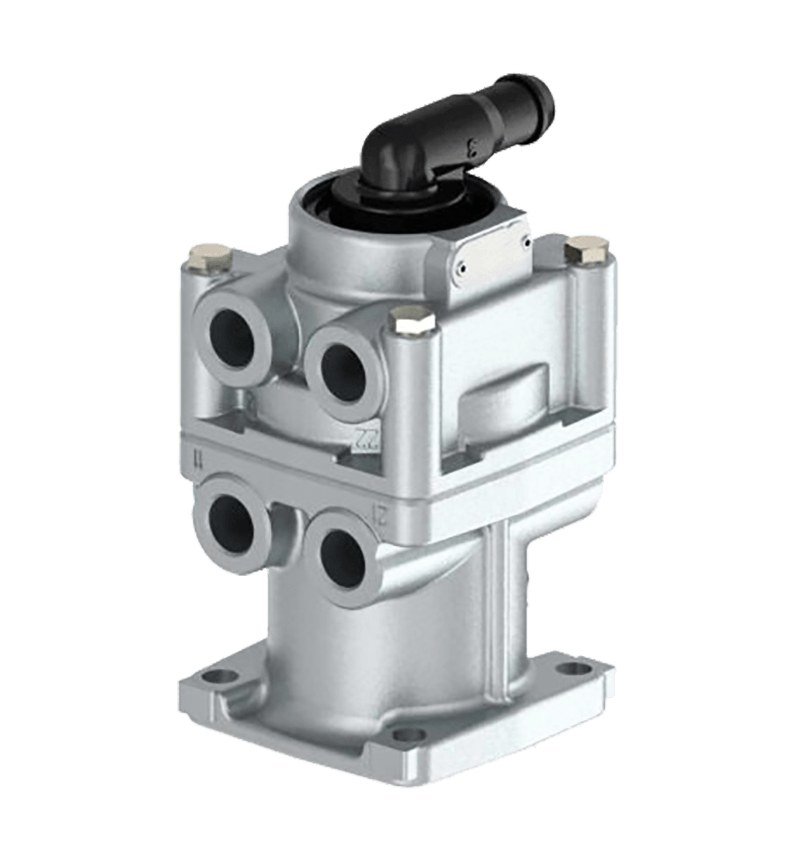 Foot Brake Valve with Multiple Port ConfigurationsThis valve converts pedal force into a proportional air signal for the brake system. Its port sizes and thread options support several truck brands, making it worth checking when matching mounting and pedal feel.View Product →
When selecting a foot brake valve, compare pedal force, port size, and mounting geometry. A valve that looks similar may require a different pedal ratio or produce a different pressure curve. Those differences show up immediately in brake feel and can confuse drivers even though the rest of the braking system is normal.
Fleet managers often keep a small stock of foot brake valves for the most common models to reduce downtime. When sourcing from a manufacturer, ask for the pressure-output curve instead of relying only on a part number.
A relay valve shortens the distance air has to travel from the source to the brake chamber. Instead of the foot brake valve sending the full volume of air to a far axle, the foot valve sends a small pilot signal to a relay valve located near the axle, and the relay valve opens a larger local air supply. This design reduces response time on long wheelbases and is critical for combination vehicles.
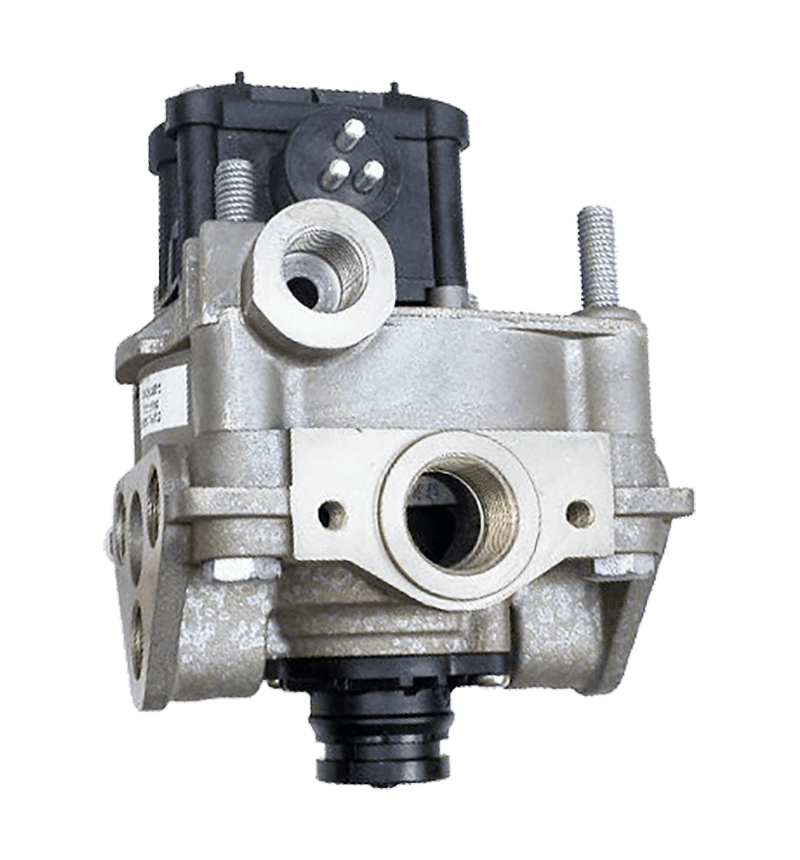
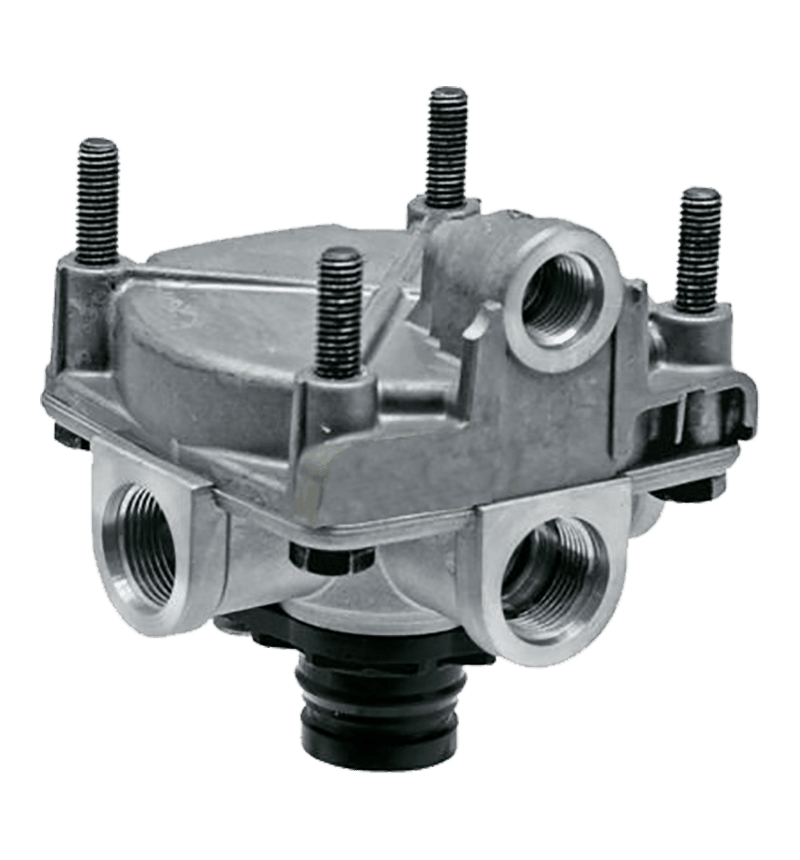 Relay Valve for Reduced Brake Response TimeThis relay valve shortens air travel for quicker brake application on long wheelbases. With port options for major European truck makers, it is relevant when verifying flow capacity and ABS compatibility.View Product →
The main purchasing concern is flow capacity. A relay valve that is too small will slow brake application; one with an unstable internal spring can cause inconsistent output. If the vehicle is fitted with ABS, the relay valve often becomes an ABS relay valve that adds solenoid control for wheel-slip management.
Response time is especially important for trucks towing trailers. A relay valve placed near the rear axle moves a high volume of air without waiting for the entire signal to travel through the full air line.
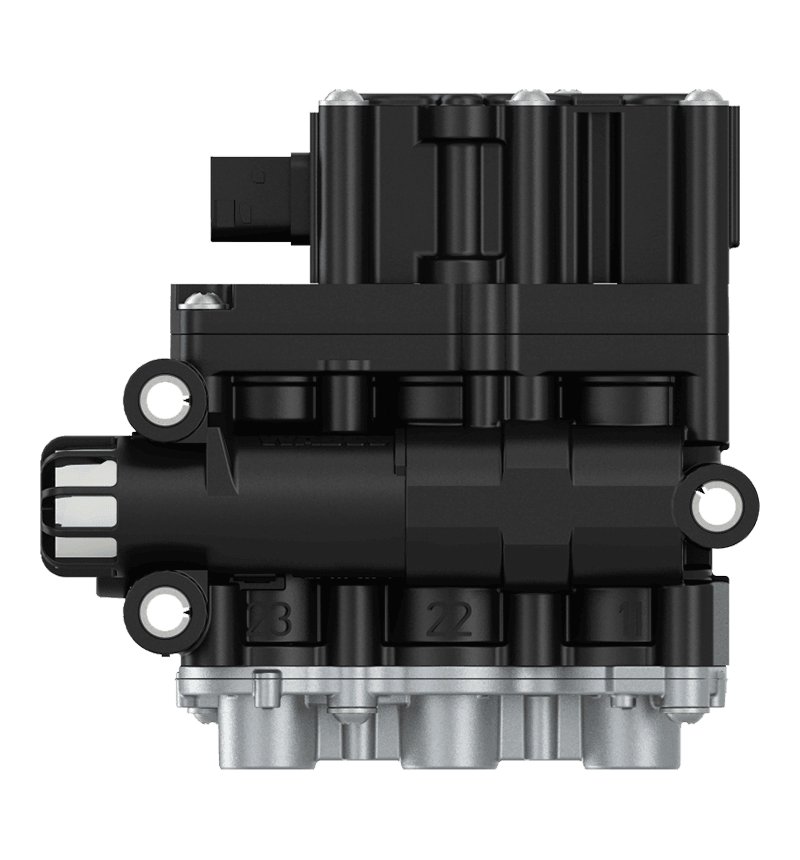
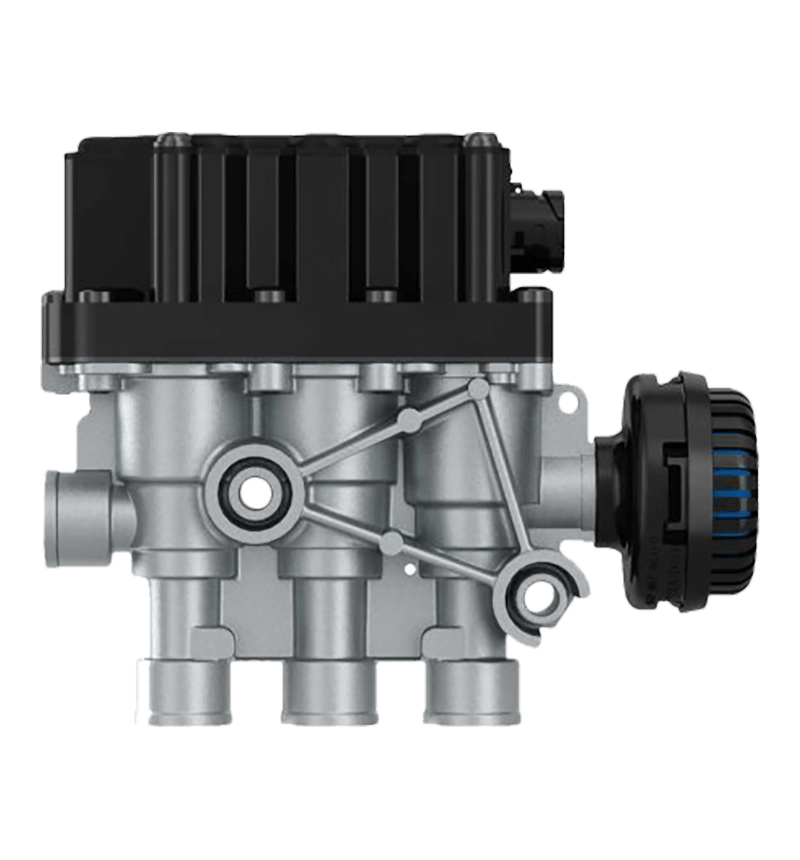
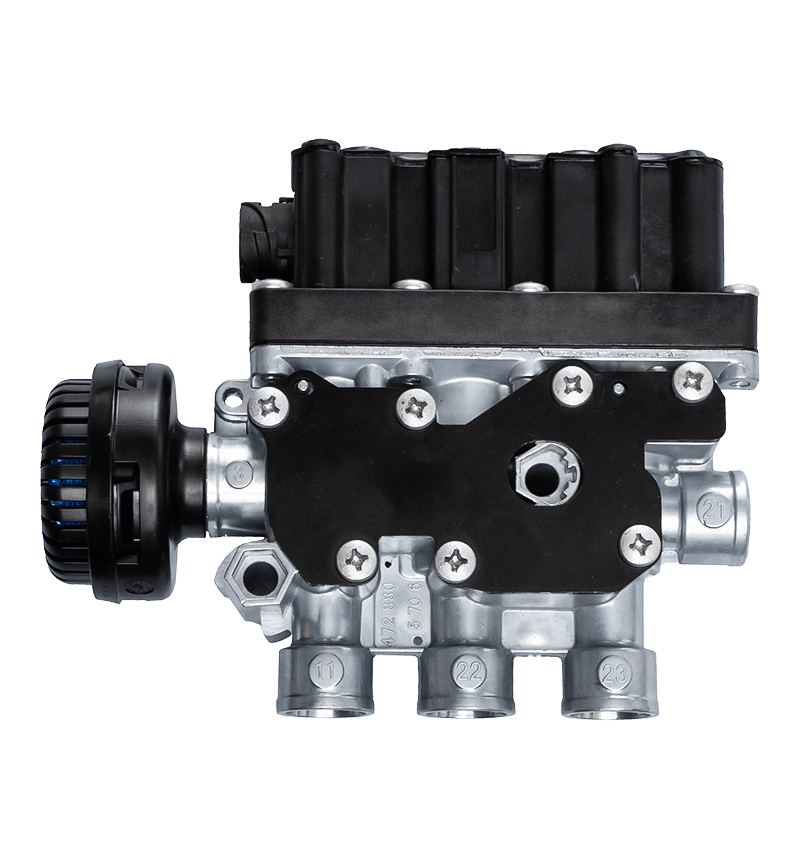
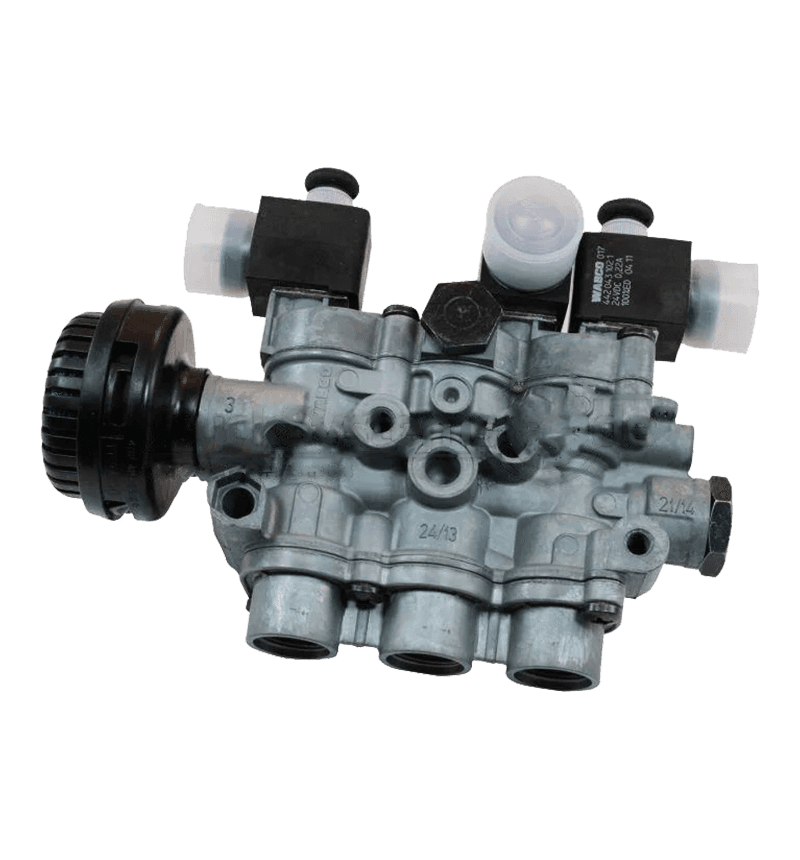
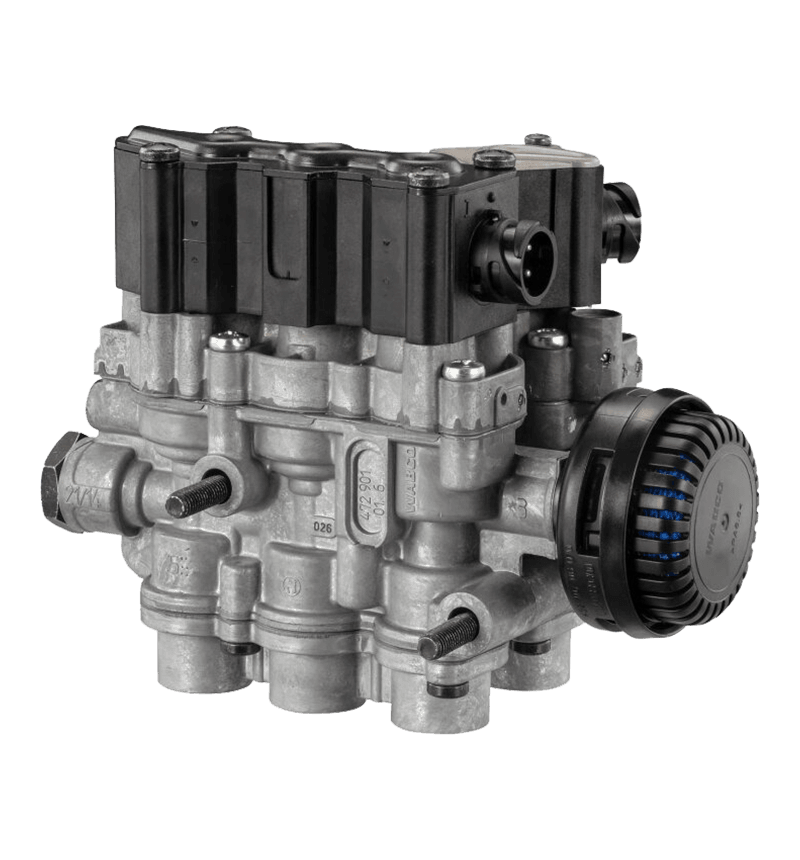
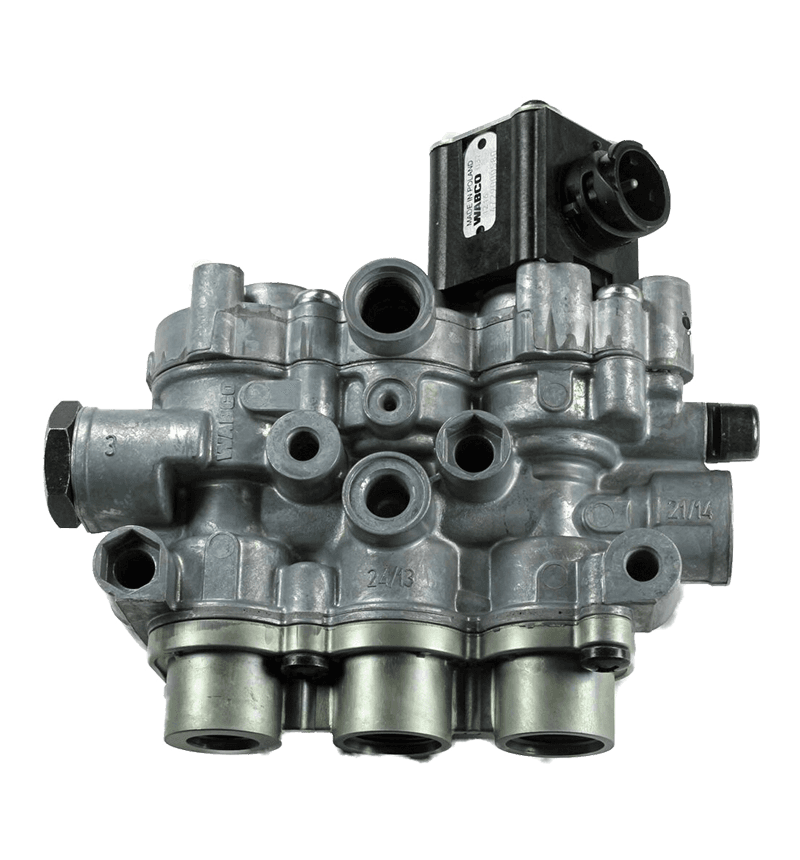
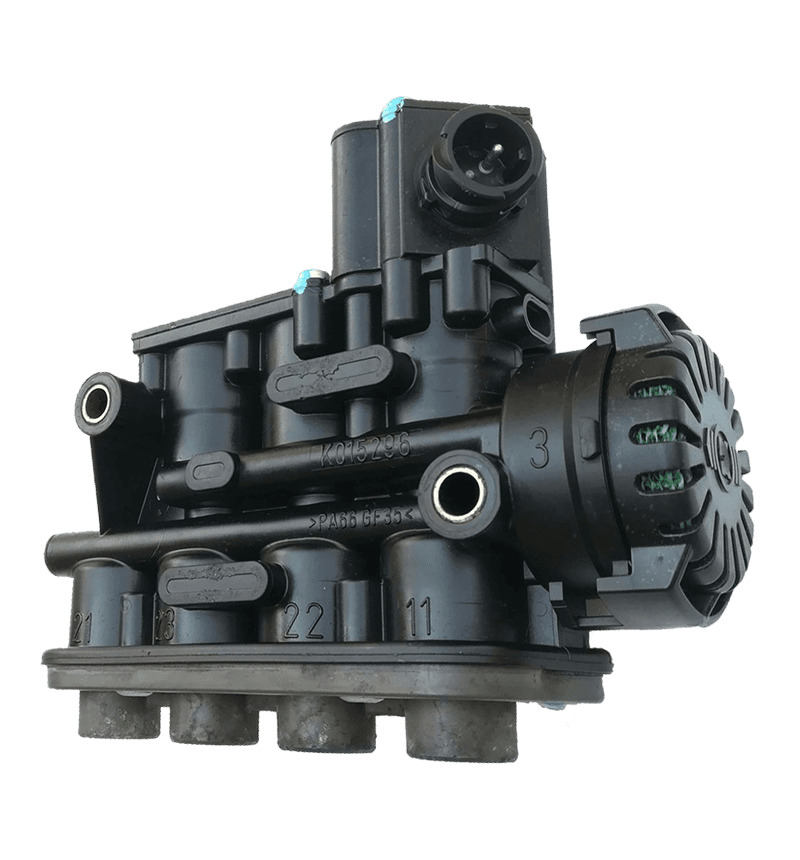
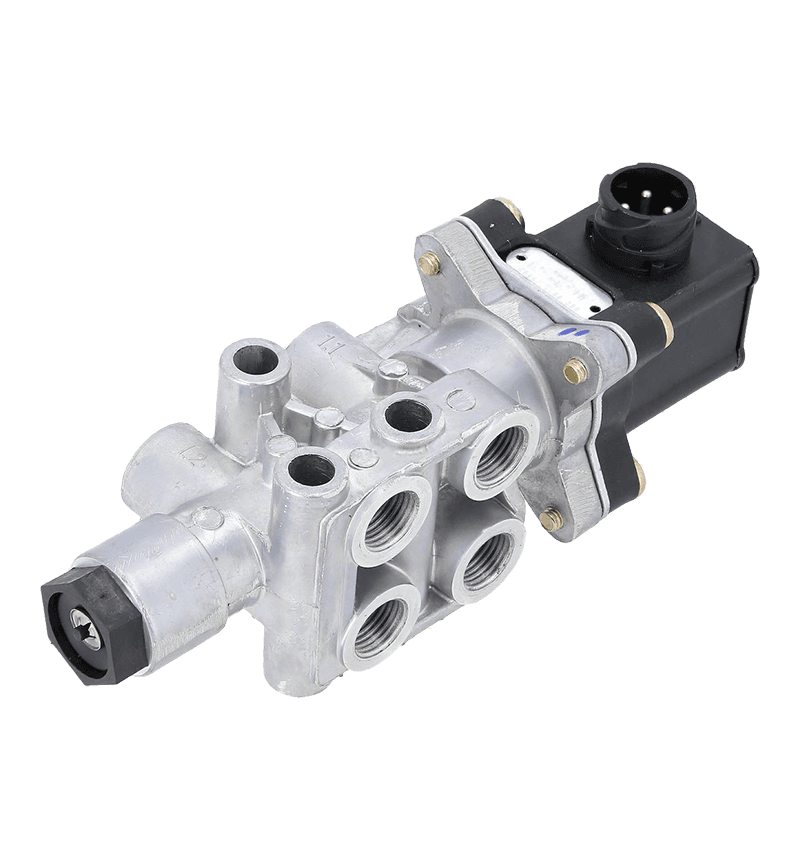
ECAS solenoid valves are not direct brake pressure valves, but they are part of the vehicle's air management system and increasingly important in commercial vehicle specification. An ECAS valve receives electrical signals from the suspension control unit and changes the pressure in air springs to raise or lower the chassis. This affects ride height, loading height, and overall vehicle stability.
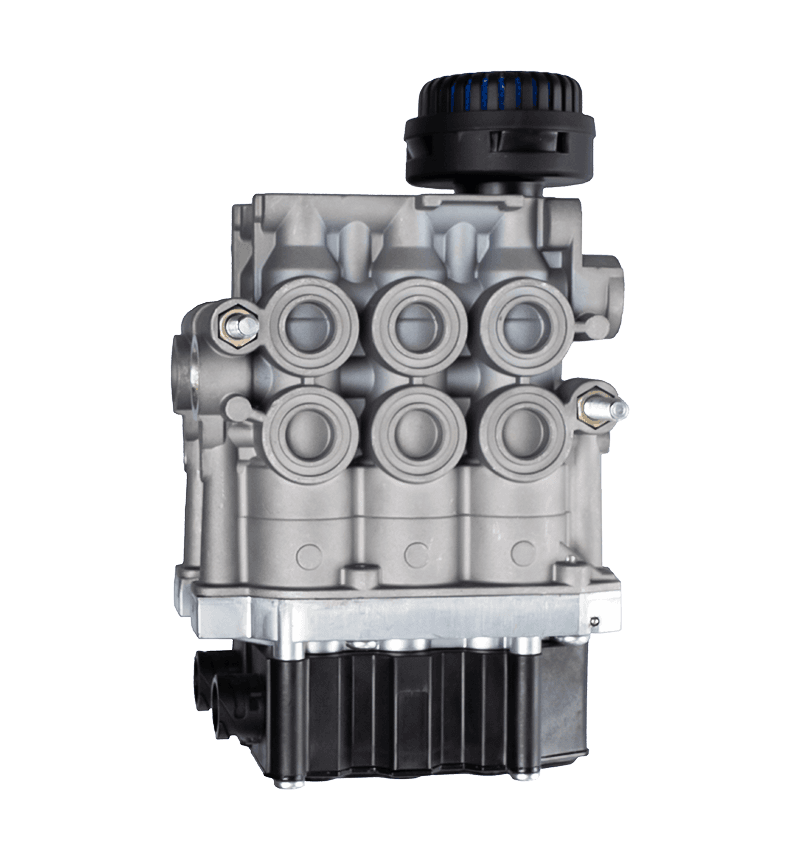 ECAS Solenoid Valve for Air Suspension ControlThis electronically controlled valve adjusts air spring pressure to manage ride height and stability. Given its role in the air management system, checking voltage, connectors, and sealing is important for reliable operation.View Product →
Because these valves are electronically controlled, the selection checklist is different. Check supply voltage, connector type, protection rating against water and dust, and compatibility with the suspension control unit. A purely mechanical brake valve may dry out or leak in different ways, but an ECAS solenoid valve also has electrical failure modes that need diagnosis.
In many vehicles, the ECAS solenoid valve shares the same air supply as the brake system, so contamination in the air preparation unit can affect its operation. That is another reason air dryers and pressure protection valves belong in the same maintenance conversation.
Procurement mistakes usually happen because buyers compare part numbers without checking functional details. Before committing to a brake system valve, verify the following:
The cheapest valve is rarely the cheapest in the long run. A valve failure can stop a truck on the road, add labor time, and delay a delivery. It is safer to compare valves on test results and functional specifications than on price or surface finish.
For large orders, ask for sample testing, seal kits, and documentation. These details separate a professional manufacturing partner from a trader that only moves boxes.
When volume or replacement coverage becomes important, working directly with a manufacturer changes the conversation. Infia is a professional manufacturer of valves in vehicle brake systems, covering foot brake valves, relay valves, ECAS solenoid valves, hand brake valves, air dryers, leveling valves, trailer control valves, and spring brake chambers. The product range is designed around the air brake system as a whole, not just one valve family.
Since 2007, Infia has supplied customers with standard products and with components developed from their drawings or samples. For a distributor, this means fewer suppliers and simpler communication. For an OEM or workshop, it means a partner that understands the relationship between pressure control, flow, sealing, and delivery.
Having one supplier for these valve families simplifies inventory because the same quality and packaging standards can be applied across the range.
Whether you are maintaining one vehicle or building a full valve line for distribution, the right brake system valve must meet the vehicle's pressure and response requirements, fit correctly, and come from a supplier that can deliver consistent quality. Valve selection is not only about finding a part; it is about understanding what that part does inside the brake system.
 NO. 132 Xingye Road,Fengqiao Town ,Zhuji City,Zhejiang
 +86-13958007768 +86-13655857582
Copyright © Zhuji Infia Auto Parts Co., Ltd. All Rights Reserved.
Wholesale Truck/Bus Brake Parts Suppliers
 English
 Español