E-mail: [email protected]
E-mail: [email protected]Address: NO. 132 Xingye Road,Fengqiao Town ,Zhuji City,Zhejiang
Whatsapp: +86-13958007768
Whatsapp: +86-13655857582




Need Help
+86-13958007768
E-mail: [email protected]
E-mail: [email protected]
Address: NO. 132 Xingye Road,Fengqiao Town ,Zhuji City,Zhejiang
Whatsapp: +86-13958007768
Whatsapp: +86-13655857582
Our team is proud to offer on time guarantee and product guarantee to customer satisfaction.
Read MoreRelease Valves/Check Valves Custom
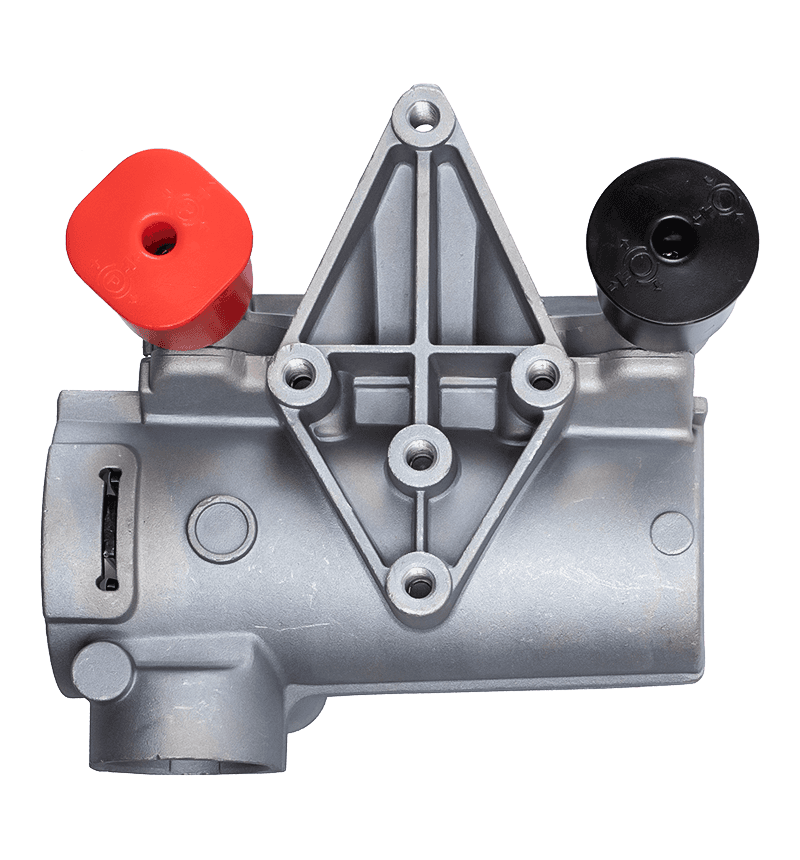
YFY No.
YFY18101
TECHNICAL DATAILS
Port 1-1,1-2=M16x1.5
Port 4,21,22=M16x1.5
VEHICLES
DAF,MAN,KOGEL,SCANIA
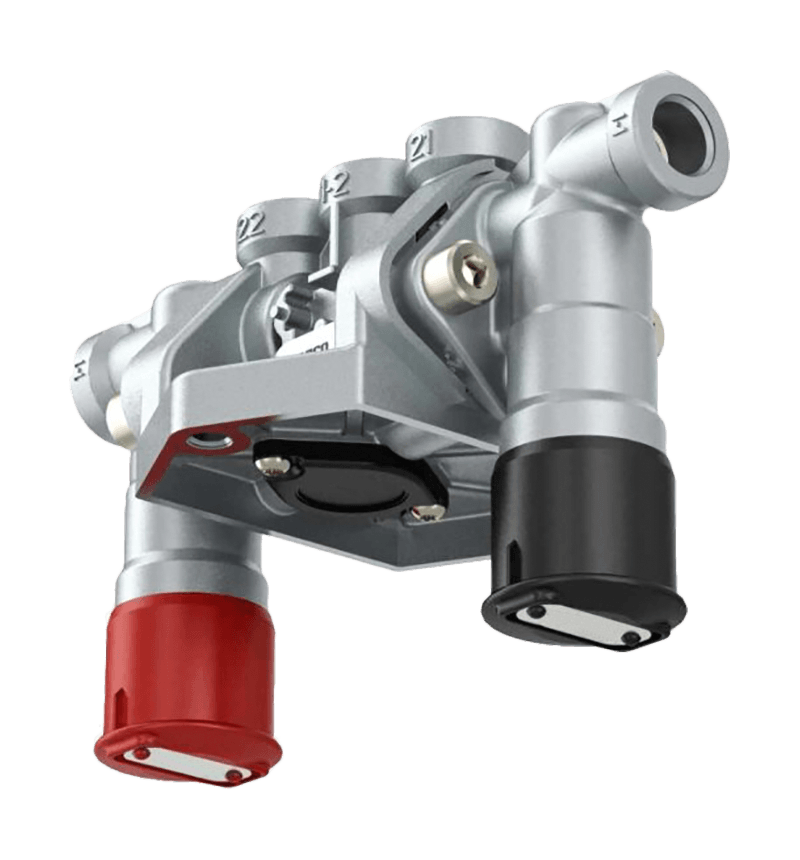
YFY No.
YFY102
TECHNICAL DATAILS
Port 1-1,1-2,3=M16x1.5
Port 21,22=M16x1.5
VEHICLES
DAF,MAN,RVI,SCANIA
YFY No.
YFY18103
TECHNICAL DATAILS
Port 1-1,1-2,3=M16x1.5
Port 21,22=M16x1.5
VEHICLES
DAF,NEOPLAN
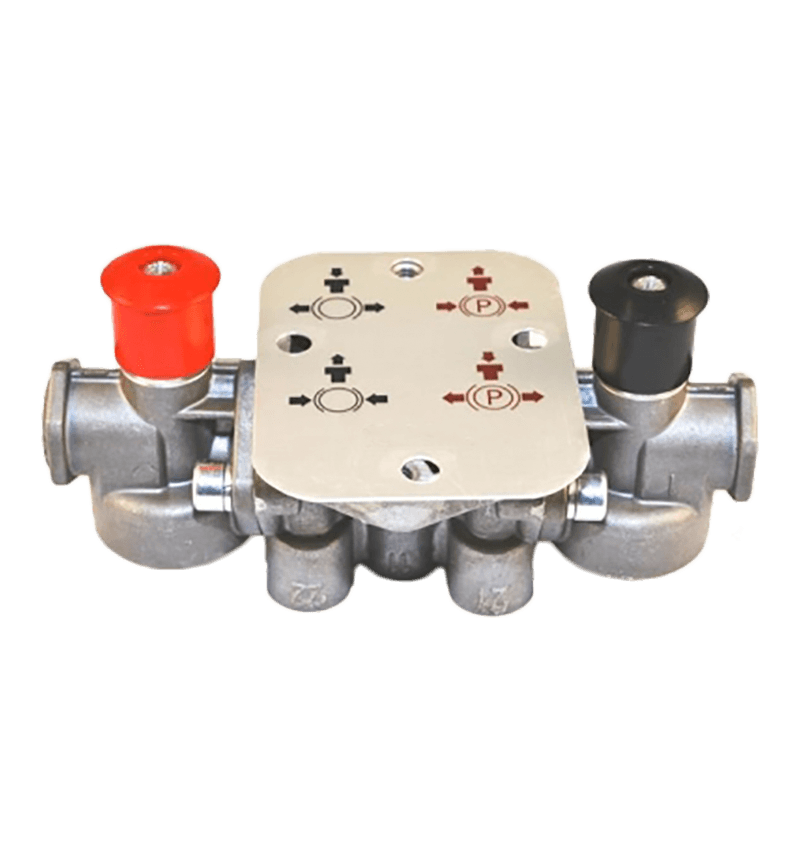
YFY No.
YFY18104
TECHNICAL DATAILS
Port 1,2=M16x1.5
Port 11,21,22=M16x1.5
VEHICLES
SCANIA,DAF,MAN
YFY No.
YFY18105
TECHNICAL DATAILS
Port 1,2=M16x1.5
Port 11,21,22=M16x1.5
VEHICLES
SCANIA,DAF,MAN
YFY No.
YFY18106
TECHNICAL DATAILS
Port 1,2,11,21,22=M16x1.5
VEHICLES
SCANIA,DAF,MAN
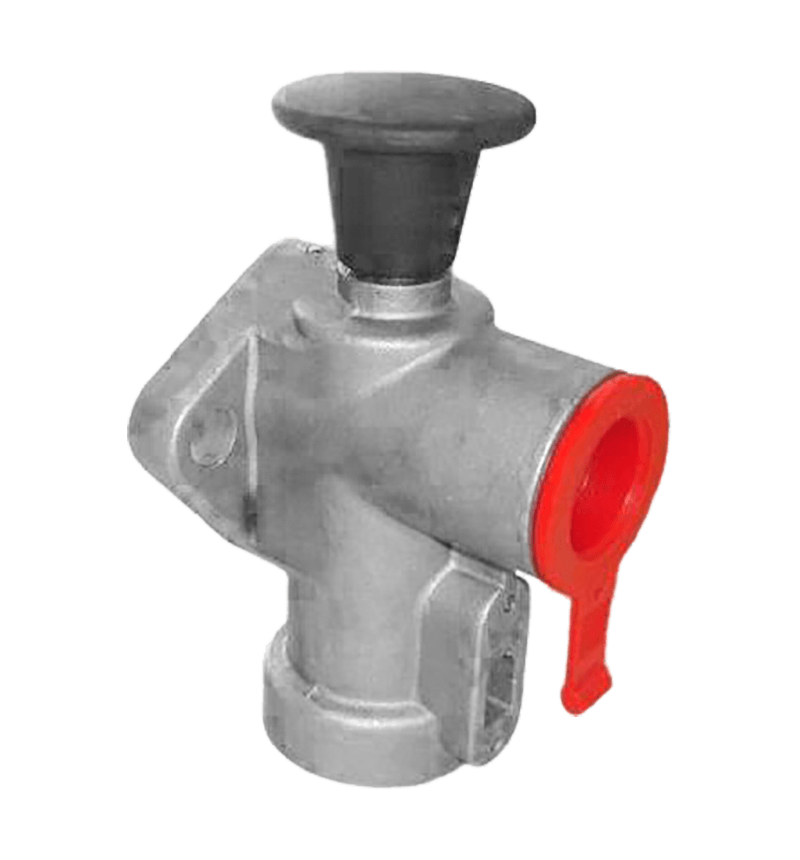
YFY No.
YFY18107
TECHNICAL DATAILS
Port 1=M22x1.5
Port 2=FLANGE
VEHICLES
DAF,EVOBUS
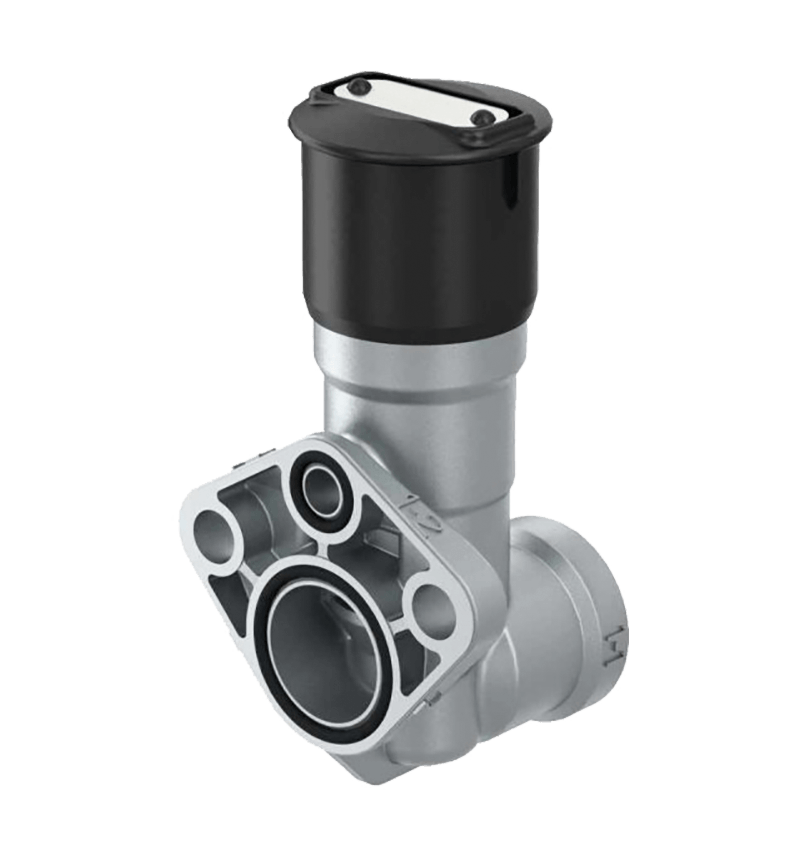
YFY No.
YFY18108
TECHNICAL DATAILS
Port 1=M22x1.5
Port 2=Φ21.5
VEHICLES
DAF,RENAULT,MAN,EVOBUS
YFY No.
YFY18109
TECHNICAL DATAILS
Port 1=M16x1.5
Port 2=Φ21.5
VEHICLES
DAF,RENAULT
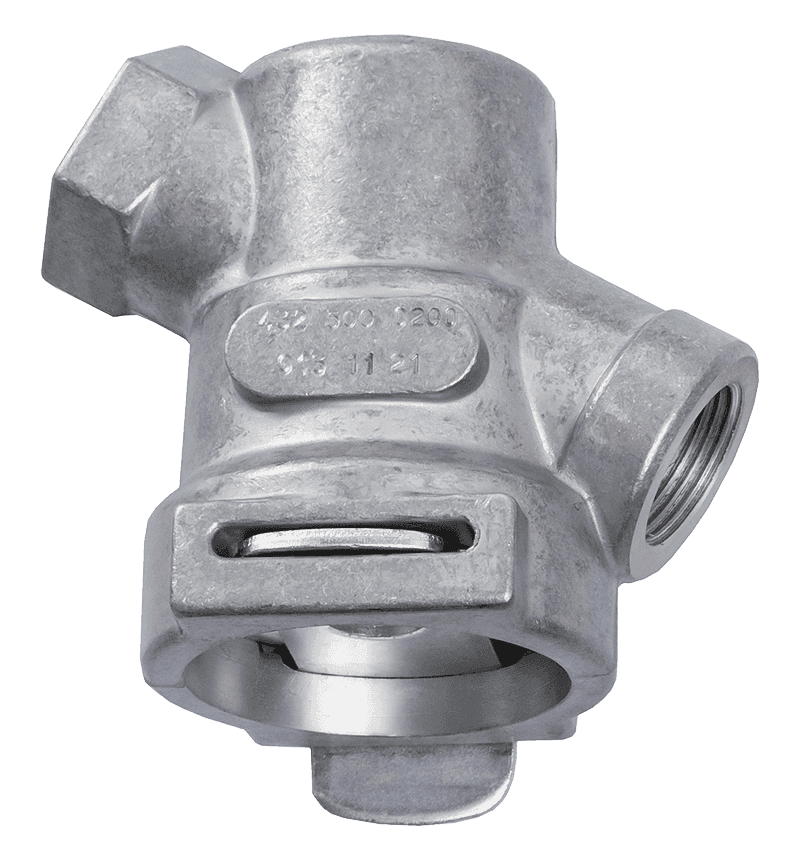
YFY No.
YFY18201
TECHNICAL DATAILS
Port 1,2=M22x1.5
VEHICLES
SCANIA,VOLVO,RVI,MAN,IVECO
YFY No.
YFY18202
TECHNICAL DATAILS
Port 1,2=M16x1.5
VEHICLES
DAF,RVI
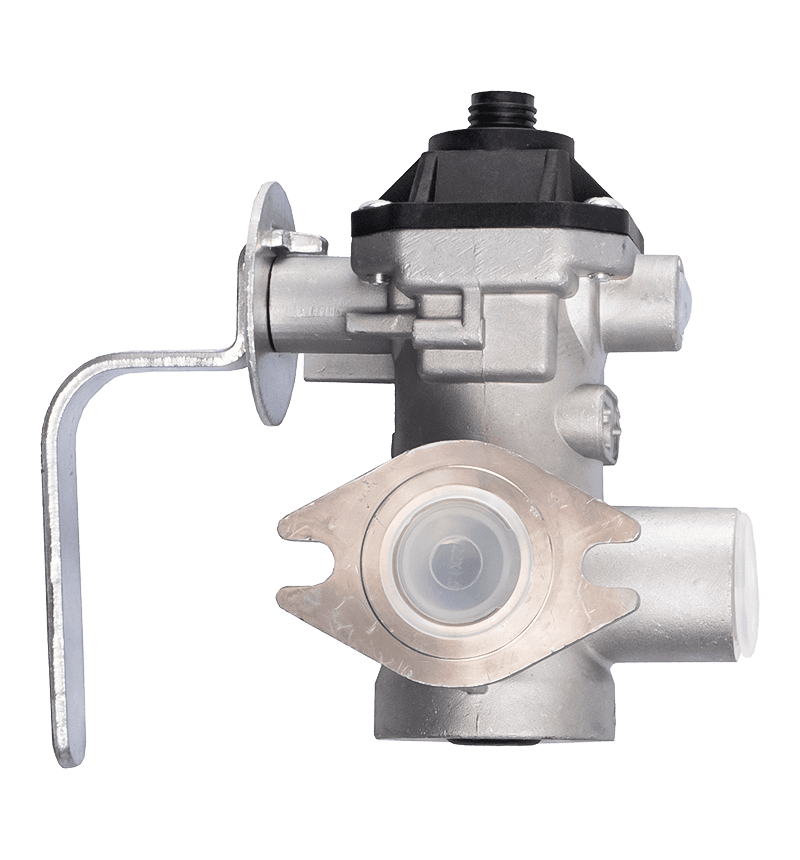
YFY No.
YFY18203
TECHNICAL DATAILS
Port 1,2=M22x1.5
Gear Moving:4 SHIFT
VEHICLES
SCANIA,RENAULT,DAF,MAN,EVOBUS
YFY No.
YFY18204
TECHNICAL DATAILS
Port 1,2=M22x1.5
Gear Moving:3 SHIFT
VEHICLES
SCANIA,EVOBUS,DAF
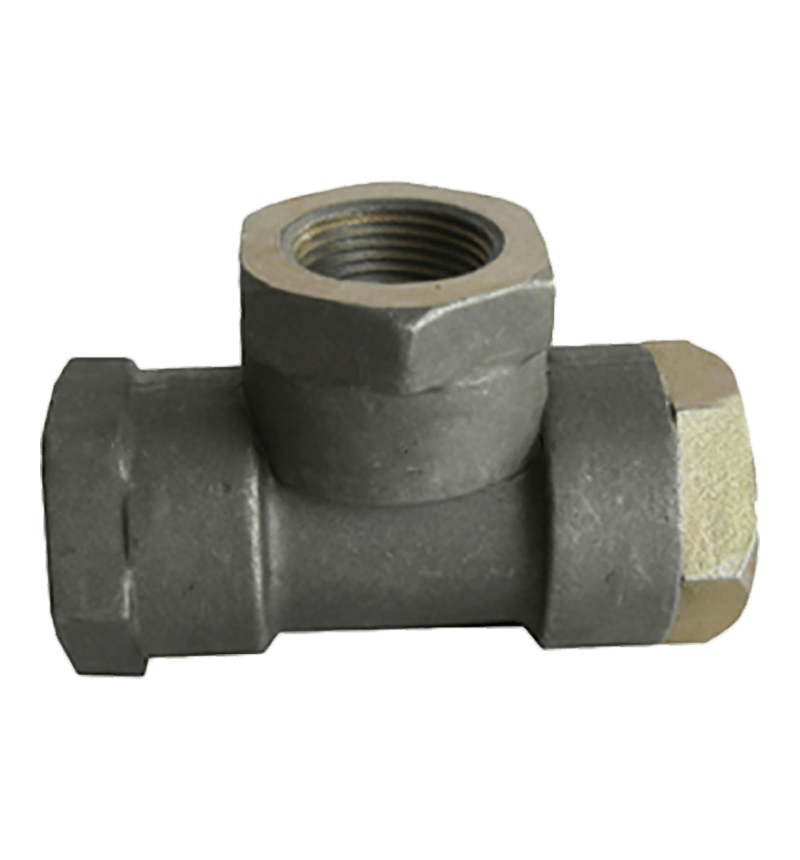
YFY No.
YFY18205
TECHNICAL DATAILS
Port 2,11,12=M22x1.5
VEHICLES
MERCEDES,MAN,EVOBUS
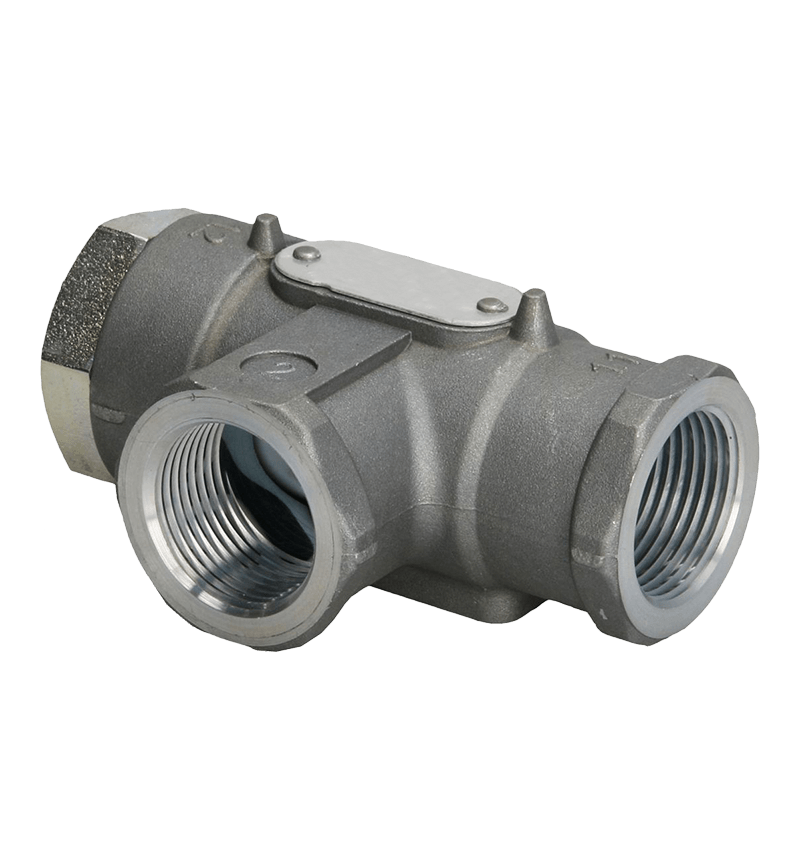
YFY No.
YFY18206
TECHNICAL DATAILS
Port 2,11,12=M16x1.5
VEHICLES
RVI,MERCEDES,VOLVO
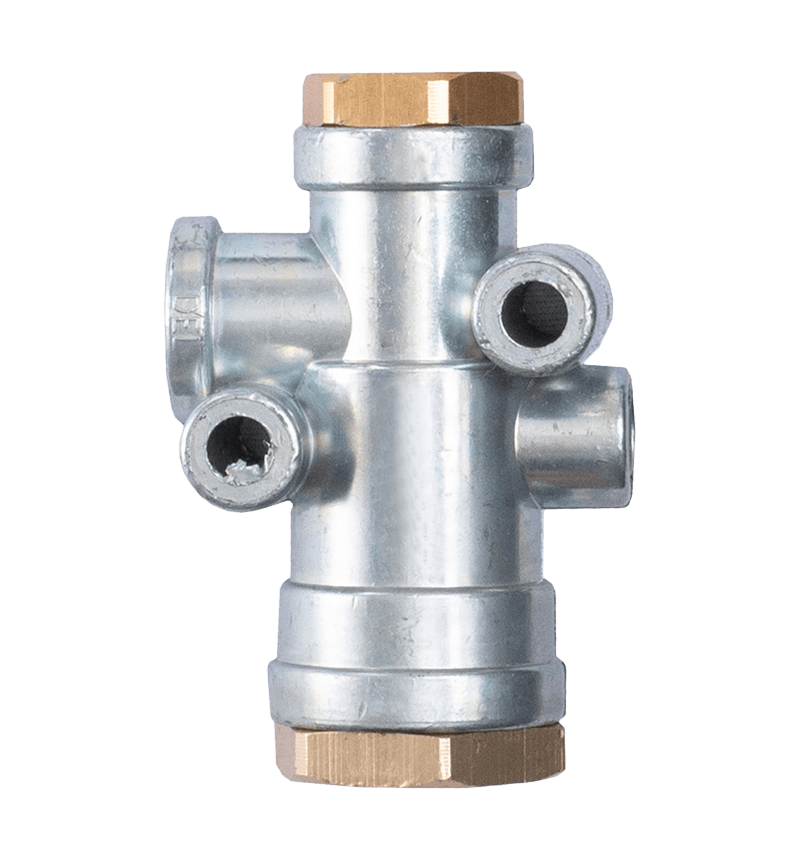
YFY No.
YFY18207
TECHNICAL DATAILS
SUP+DEL+CON=1/4"NPT
EXH=1/8"NPT
VEHICLES
TRAILER
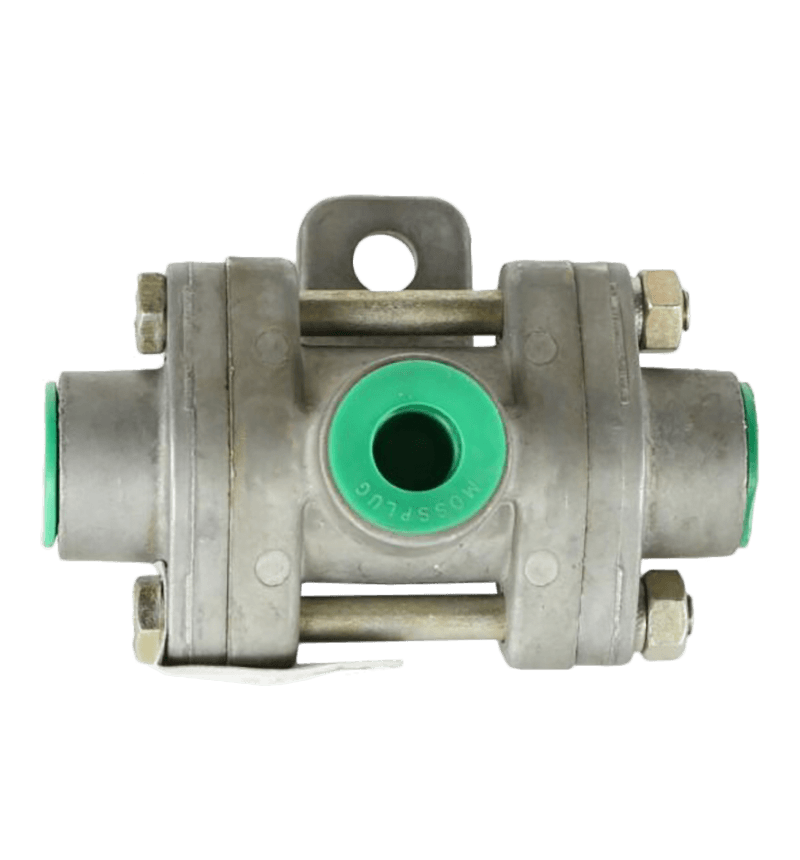
YFY No.
YFY18208
TECHNICAL DATAILS
Port 2,11,12=3/8"NPT
VEHICLES
TRAILER
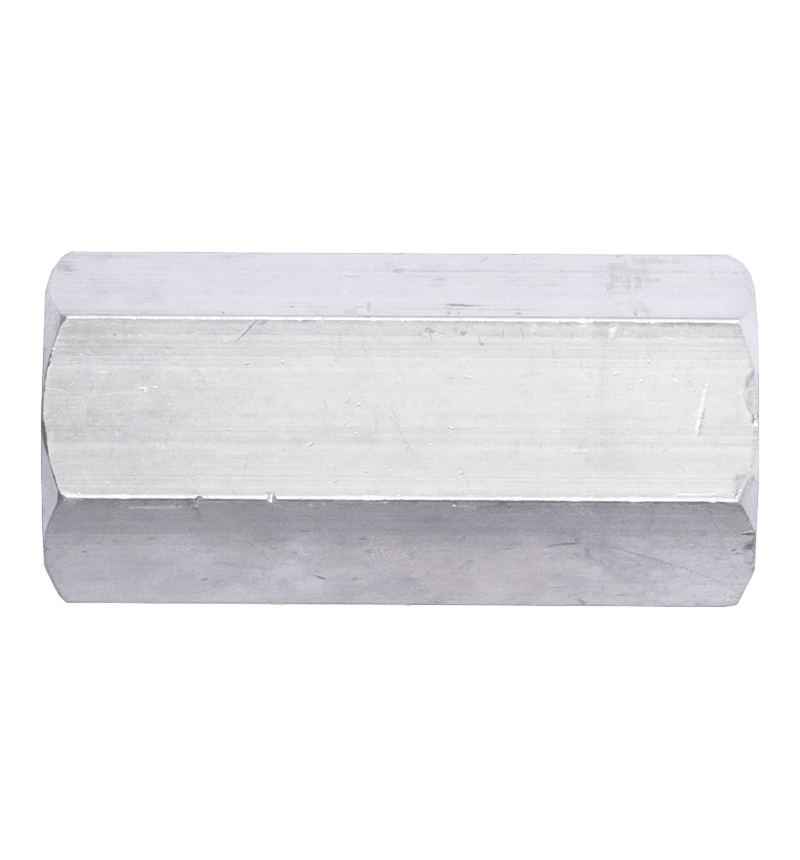
YFY No.
YFY18209
TECHNICAL DATAILS
Port 1,2=M22x1.5
VEHICLES
DAF,MERCEDES,IVECO
DAF Release Valves play an important role in the wastewater treatment process, and their features and functions are critical to the performance of the system. These release valves have a variety of features that make them an integral component of the wastewater treatment system. Efficient discharge is one of the key features of the release valve. They are designed to effectively release the gas collected during the degreasing flotation process, ensuring the stability and continuous performance of the wastewater treatment system. Automatic operation is another important feature. Many release valves can open and close automatically according to system needs, reducing manual intervention and improving the operating efficiency of the system. Corrosion resistance is one of the key design considerations of the release valve. They are usually made of corrosion-resistant materials to cope with the corrosive substances that may be present in the wastewater, thereby extending their service life and reducing maintenance requirements. Adjustability is another important feature of the release valve. Some release valves have adjustable features that can be adjusted according to specific application needs to ensure the performance of the system. Safety is one of the important aspects of the release valve design. Release valves are usually designed to be safe and reliable to prevent unnecessary gas leaks or other unexpected situations, ensuring the safety of operators and the environment.
A compressed-air hiss under the cab usually means one thing: a brake valve has failed. A vehicle brake valve is not a single part, but a family of pneumatic components that control the pressure, timi...
View MoreWhen a heavy truck loses brake response at the pedal, a workshop might spend an afternoon checking slack adjusters, brake chambers and compressor output before finally removing the treadle valve from...
View MoreA truck that tilts to one side when parked, a suspension warning light that comes on after a cold morning, and an air compressor that runs almost constantly: these are signs of an ECAS valve that is ...
View MoreThe clutch pedal is stiff, the next gear is difficult to find, and a low hissing sound appears every time you push it down. If that sounds familiar, the clutch servo on your truck is probably not wor...
View MoreEvery fleet technician knows the complaint: the clutch pedal is getting harder to push, and by the end of a long shift the driver's left leg is tired. On modern commercial trucks and buses, that effo...
View MoreA city bus kneels at every stop so passengers can step aboard without strain. A highway tractor holds its deck level as the trailer load shifts. Both movements depend on a small component: the ECAS s...
View MoreExecutive Summary Optimizing electronically controlled air suspension systems relies heavily on the precise pneumatic regulation provided by ECAS solenoid valves. When choosing or troubleshooting t...
View MorePressure Limiting Valves: The Engineering Guide to System Protection and Safety Pressure limiting valves are the most critical safety components in any hydraulic or pneumatic system, preventing cat...
View MoreIn industrial production and various complex systems, the handling of emergencies is related to the safety of life and property and the protection of the environment. In this context, as key components in the field of fluid control, RELEASE VALVES/CHECK VALVES are particularly important in emergency situations.
1. Application of RELEASE VALVES in emergencies
Prevent system overpressure: In high-pressure operating environments such as chemical, petroleum, and natural gas, once the internal pressure of the system exceeds the safety threshold, it may cause catastrophic consequences such as explosions and leaks. As a type of safety valve, RELEASE VALVES is designed to automatically open when the system pressure rises abnormally to release excess pressure, thereby protecting the equipment from damage. In emergency situations, this function is particularly important, as it can quickly respond to pressure changes and effectively curb further deterioration of the situation.
Responding to emergencies: In some emergencies, such as natural disasters such as fires and earthquakes, the pressure in the system may change dramatically due to external factors. RELEASE VALVES can be opened quickly to release the accumulated pressure, reduce the burden on the system, and buy precious time for rescue work. In some occasions where the fluid supply needs to be cut off urgently, RELEASE VALVES can also facilitate the safe shutdown of the system by releasing the medium in the pipeline.
Environmental protection and safety: In terms of environmental protection and safety, RELEASE VALVES also plays an irreplaceable role. For example, when handling toxic and hazardous media, once a leakage accident occurs, RELEASE VALVES can quickly release pressure, reduce the risk of leakage, and prevent the medium from spreading to the surrounding environment, thereby protecting the ecological environment and personnel safety.
2. Application of CHECK VALVES in emergencies
Prevent medium backflow: In emergency situations, such as pipeline rupture, pump failure, etc., the fluid may flow back into the system or equipment, causing further damage to the system. CHECK VALVES can quickly close the valve when the medium flows back through its one-way flow characteristics, cut off the medium return path, and protect the system from damage. This function is of great significance in preventing the spread of fire and pollution.
Maintain system stability: CHECK VALVES helps maintain system pressure balance and flow stability by preventing media backflow, and reduces system fluctuations and shocks caused by media backflow. This helps maintain the normal operation of the system and provides favorable conditions for emergency treatment.
Improve emergency response efficiency: CHECK VALVES's automatic closing function can quickly cut off the media flow path, reducing the need for manual intervention, thereby improving emergency response efficiency, which helps to reduce accident handling time, reduce accident losses, and ensure personnel safety and environmental safety.
In industrial production, energy supply and various fluid handling systems, valves are key components for controlling fluid flow. Their reliability is directly related to the safe and stable operation of the entire system. As an important member of the valve family, RELEASE VALVES/CHECK VALVES has won wide application and recognition for its excellent reliability. So why is the reliability of RELEASE VALVES/CHECK VALVES so high?
1. The selection of materials is the basis for ensuring the reliability of valves. RELEASE VALVES and CHECK VALVES are made of high-strength, corrosion-resistant and high-temperature-resistant high-quality materials, such as stainless steel, alloy steel, cast iron, etc. These materials not only have good mechanical properties and can withstand the test of harsh working conditions such as high pressure and high temperature, but also have excellent corrosion resistance, which can effectively resist medium erosion and extend the service life of valves. Valves under some special working conditions will also use special corrosion-resistant materials, such as Hastelloy and Monel alloy, to meet more demanding use requirements.
2. The scientific nature of the design principle is an important guarantee for the reliability of the valve. The design of RELEASE VALVES follows the principle of pressure balance and rapid response. By accurately calculating the opening and closing pressures of the valve, it ensures that the valve can be quickly opened to release pressure when the system pressure is abnormal, and can be closed in time after the pressure returns to normal to avoid medium leakage. CHECK VALVES adopts the design principle of one-way flow, using the flow force of the medium itself to push the valve disc to open or close, realizing the one-way flow control of the medium. This design is not only simple and reliable, but also can effectively prevent the backflow of the medium and protect the safety of the system.
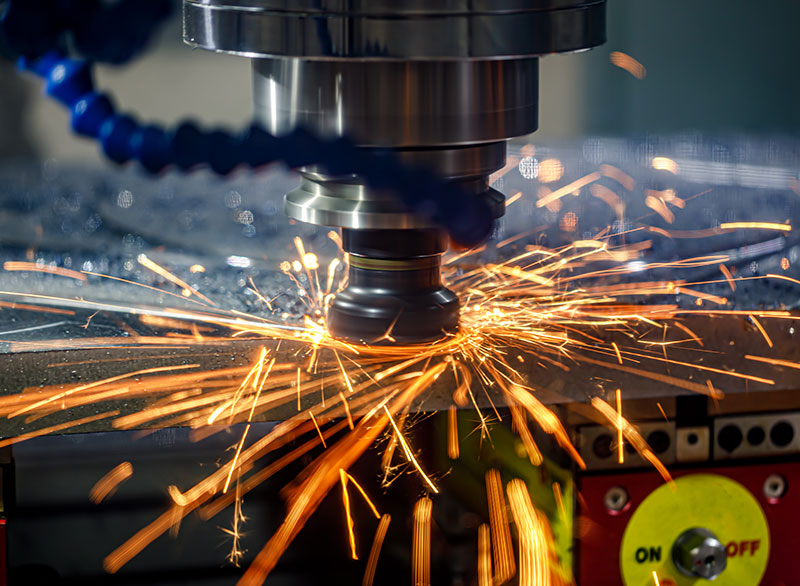
3. The refinement of the manufacturing process has a vital impact on the reliability of the valve. In the production process of RELEASE VALVES and CHECK VALVES, our manufacturer adopts advanced manufacturing processes and equipment to ensure that every part meets the design requirements. We will also conduct strict inspection and testing of the valve, including pressure testing, sealing testing, material composition analysis, etc., to ensure that the quality of the valve meets the standards. Some high-end valves will also use precision machining and surface treatment technology to improve the wear resistance, corrosion resistance and sealing performance of the valve, and further improve the reliability of the valve.
 NO. 132 Xingye Road,Fengqiao Town ,Zhuji City,Zhejiang
 +86-13958007768 +86-13655857582
Copyright © Zhuji Infia Auto Parts Co., Ltd. All Rights Reserved.
Custom Release Valves/Check Valves Manufacturers
 English
 Español
