E-mail: [email protected]
E-mail: [email protected]Address: NO. 132 Xingye Road,Fengqiao Town ,Zhuji City,Zhejiang
Whatsapp: +86-13958007768
Whatsapp: +86-13655857582




Need Help
+86-13958007768
E-mail: [email protected]
E-mail: [email protected]
Address: NO. 132 Xingye Road,Fengqiao Town ,Zhuji City,Zhejiang
Whatsapp: +86-13958007768
Whatsapp: +86-13655857582
Our team is proud to offer on time guarantee and product guarantee to customer satisfaction.
Read MoreSolenoid Valves Wholesale
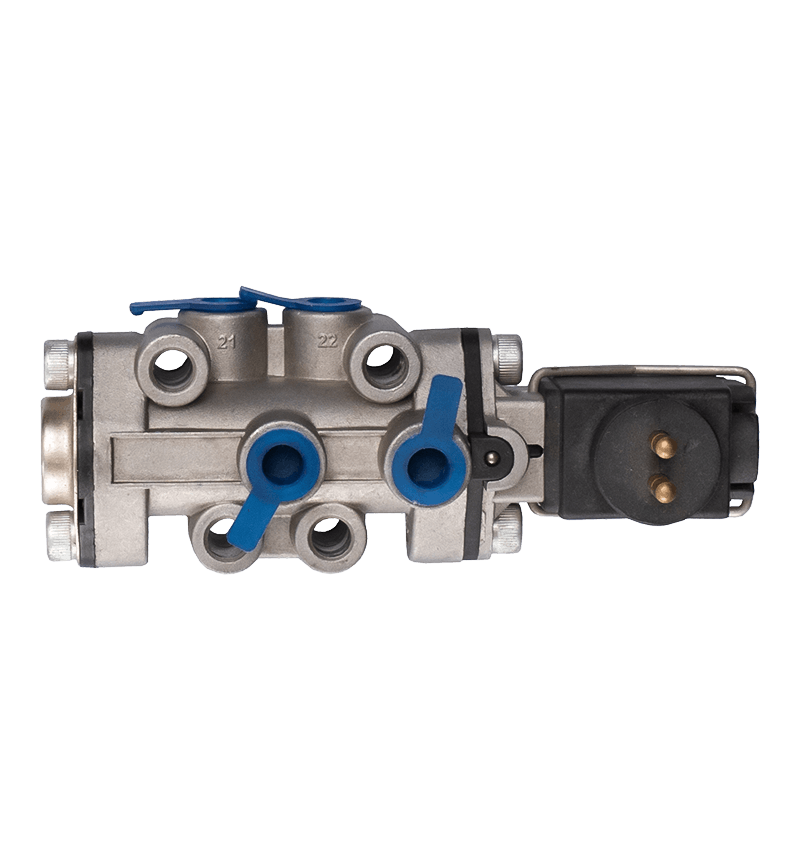
YFY No.
YFY14001
TECHNICAL DATAILS
Port 4=M10x1
Port 1,21,22=M14x1.5
VEHICLES
DAF
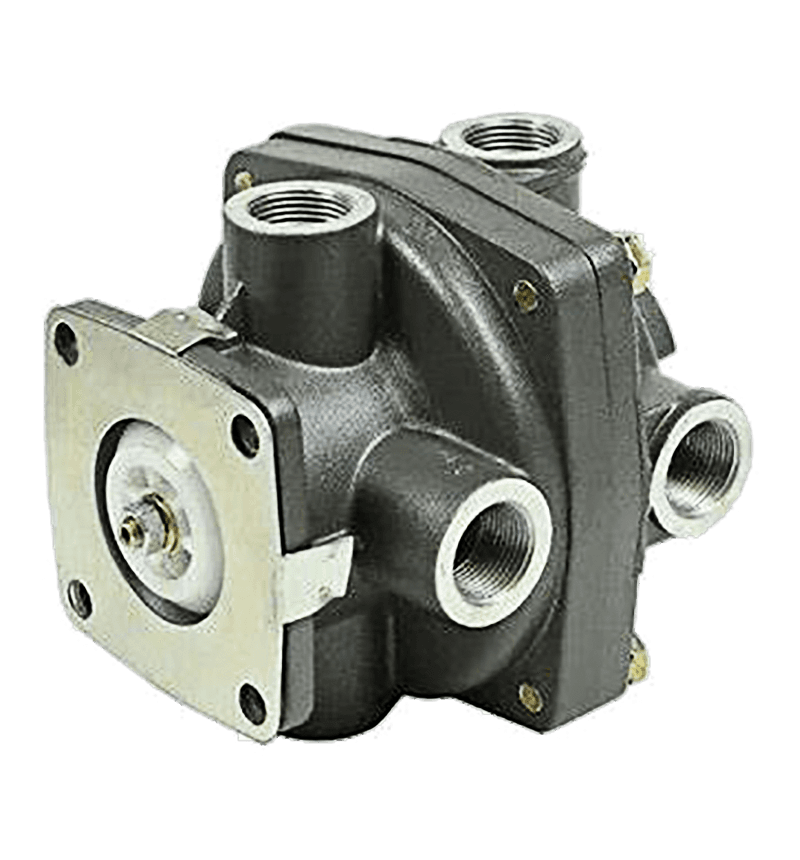
YFY No.
YFY14002
TECHNICAL DATAILS
Port 4=M10x1
Port 1,21,22=M14x1.5
VEHICLES
DAF
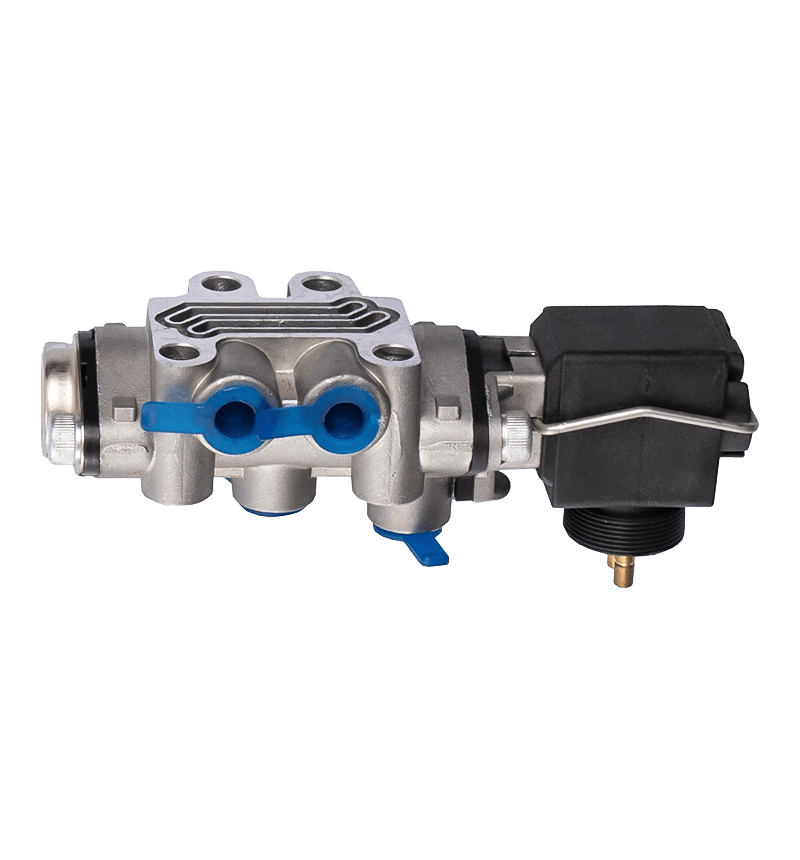
YFY No.
YFY14003
TECHNICAL DATAILS
Port 11,21,21,22=M10x1
VEHICLES
SCANIA
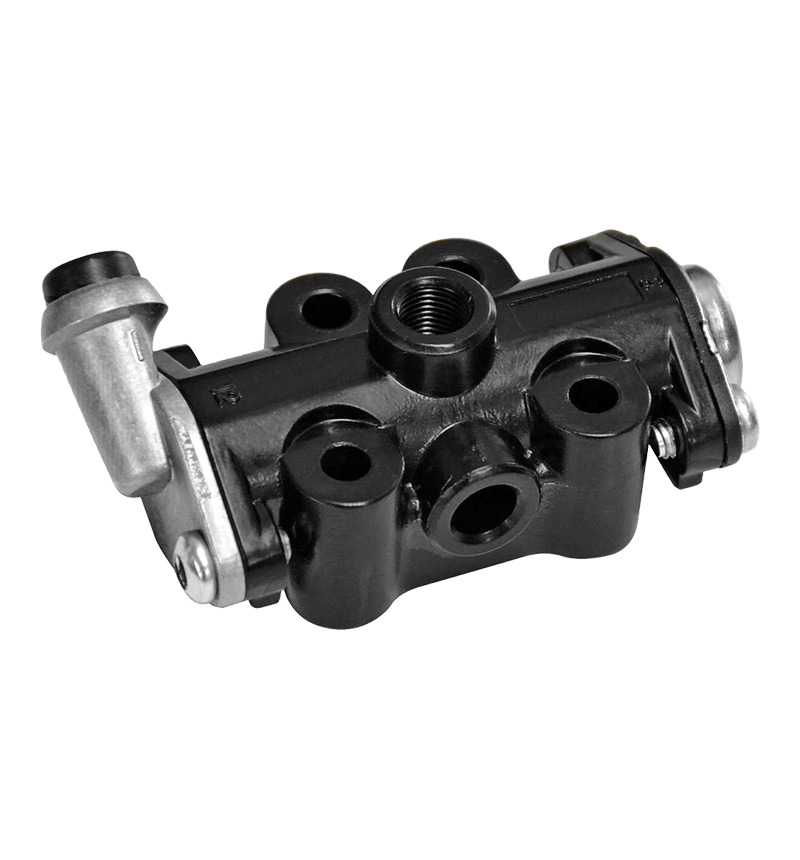
YFY No.
YFY14004
TECHNICAL DATAILS
Port 1=M10x1
VEHICLES
VOLVO
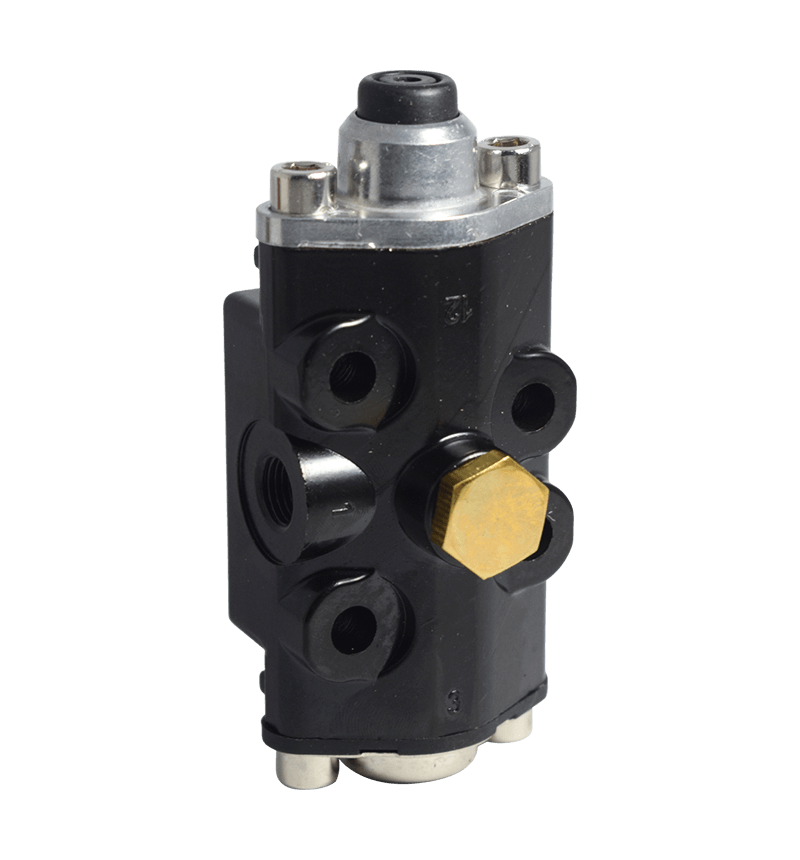
YFY No.
YFY14005
TECHNICAL DATAILS
Port 1=M10x1
VEHICLES
VOLVO
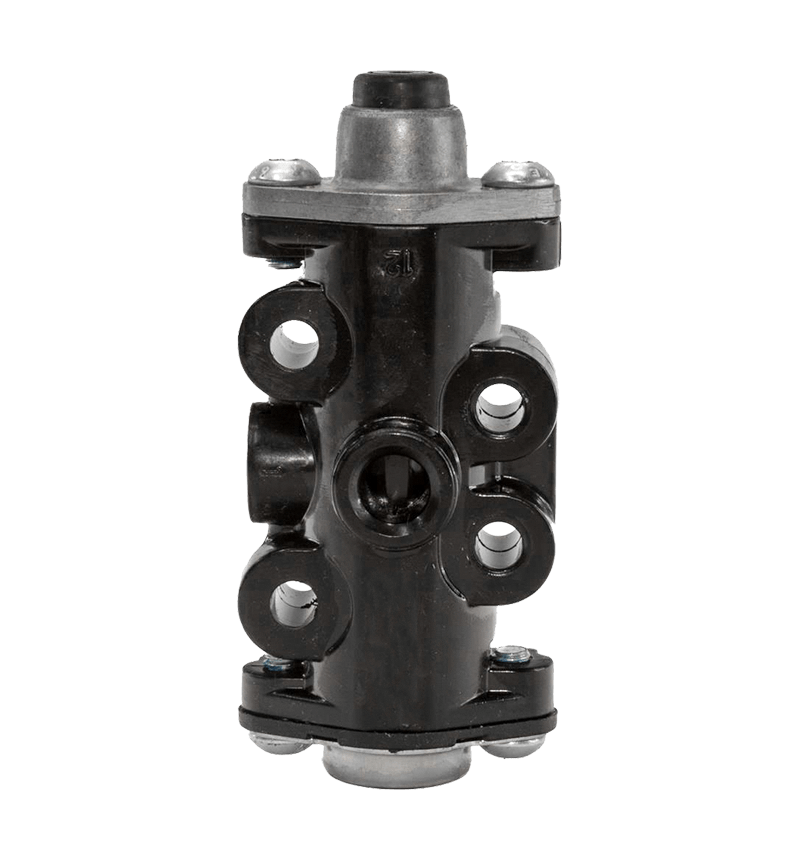
YFY No.
YFY14006
TECHNICAL DATAILS
Port 1=M10x1
VEHICLES
VOLVO
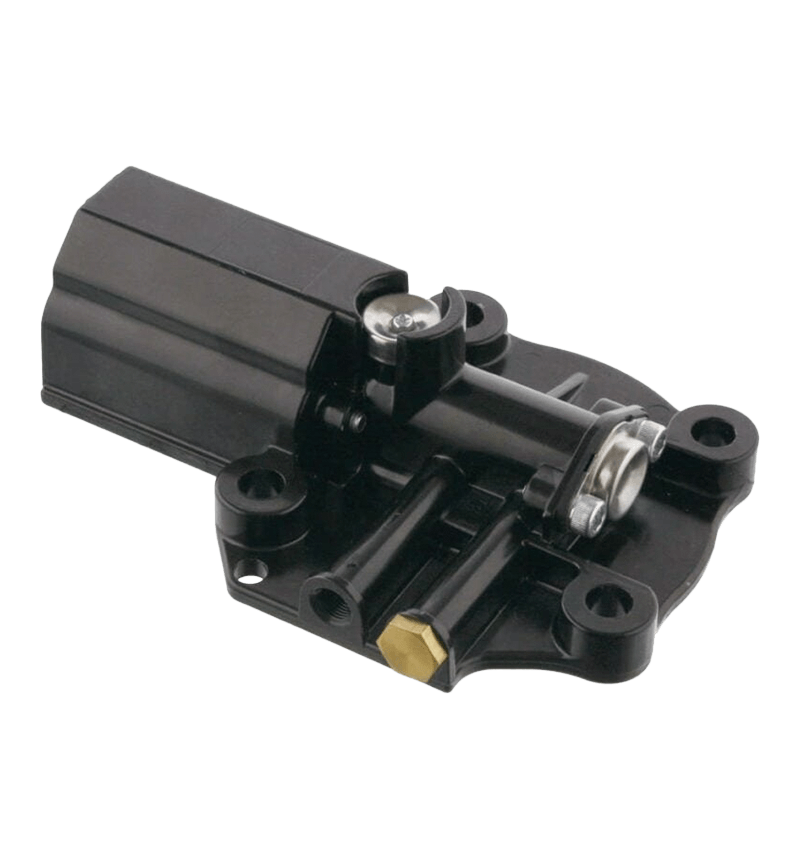
YFY No.
YFY14007
TECHNICAL DATAILS
Port 1=M10x1
VEHICLES
VOLVO
YFY No.
YFY14008
TECHNICAL DATAILS
Port 1=M10x1
VEHICLES
VOLVO
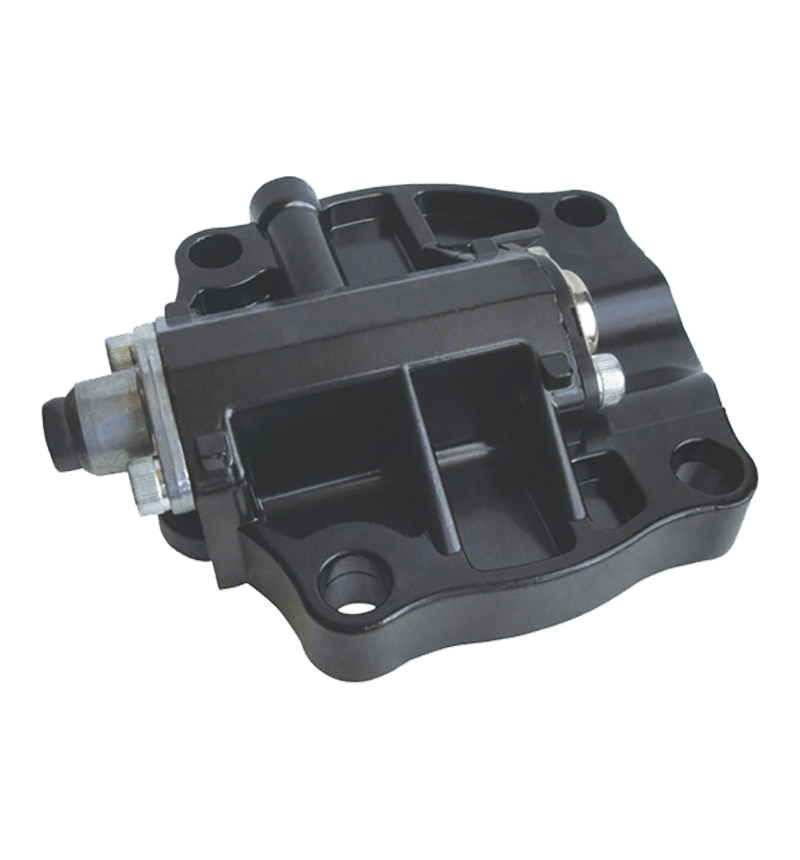
YFY No.
YFY14009
TECHNICAL DATAILS
Port 1=M10x1
VEHICLES
VOLVO
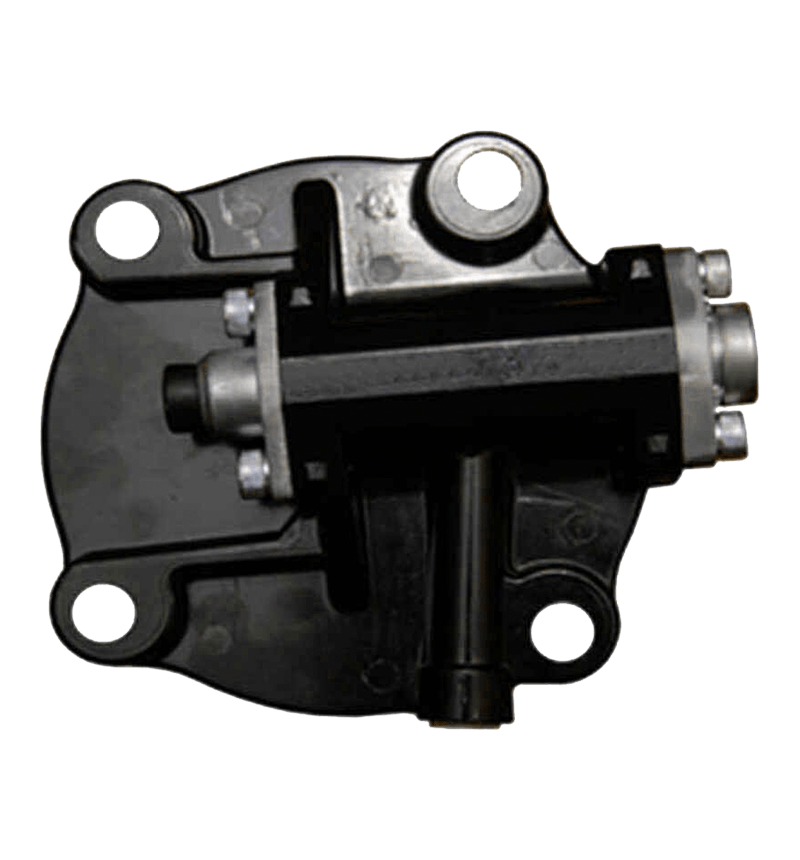
YFY No.
YFY14010
TECHNICAL DATAILS
Port 1=M10x1
VEHICLES
VOLVO
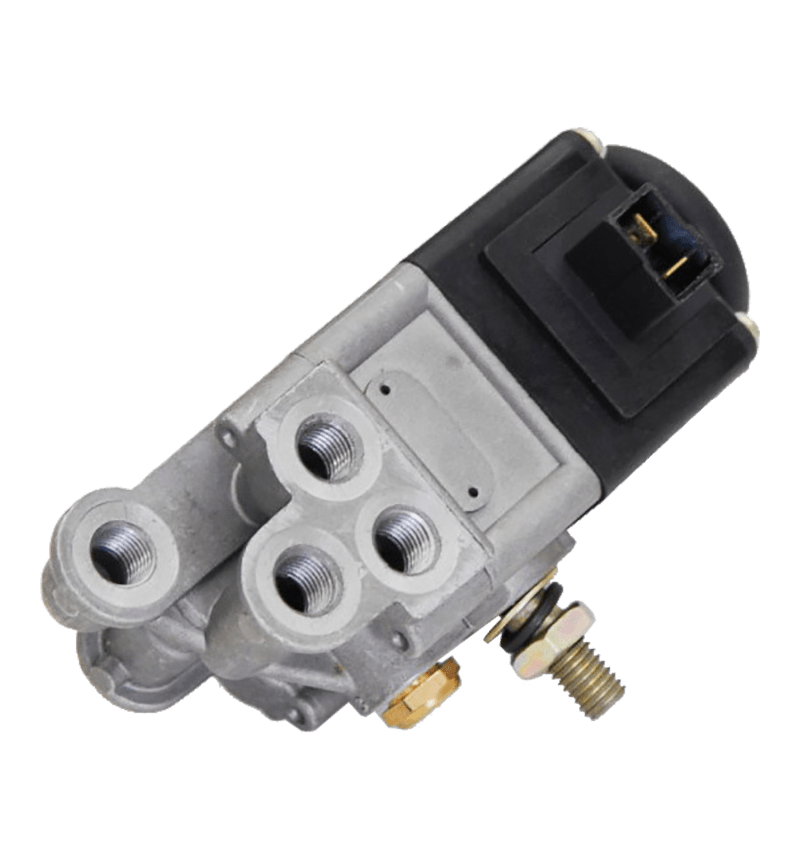
YFY No.
YFY14011
TECHNICAL DATAILS
Port 5,11,12 =M12x1.5
Port 21,22,23,24=M12x1.5
12V DC
VEHICLES
DAF,MERCEDES,IVECO
YFY No.
YFY14012
TECHNICAL DATAILS
Port 5,11,12 =M12x1.5
Port 21,22,23,24=M12x1.5
24V DC
VEHICLES
DAF,MERCEDES,IVECO
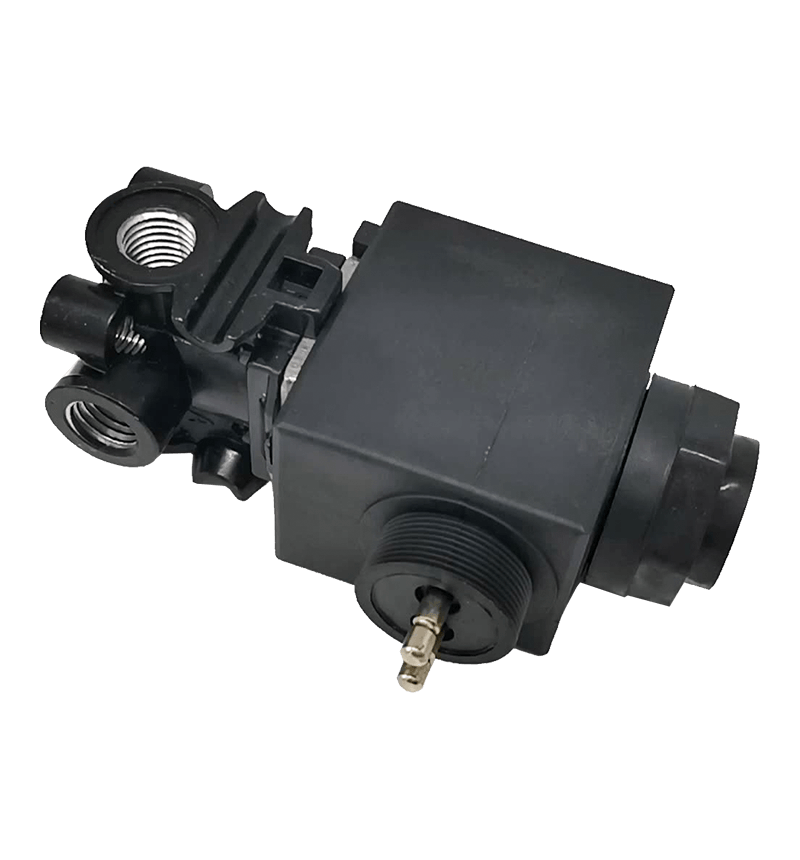
YFY No.
YFY14013
TECHNICAL DATAILS
Port 1,2=M12x1.5
24V DC
VEHICLES
SCANIA
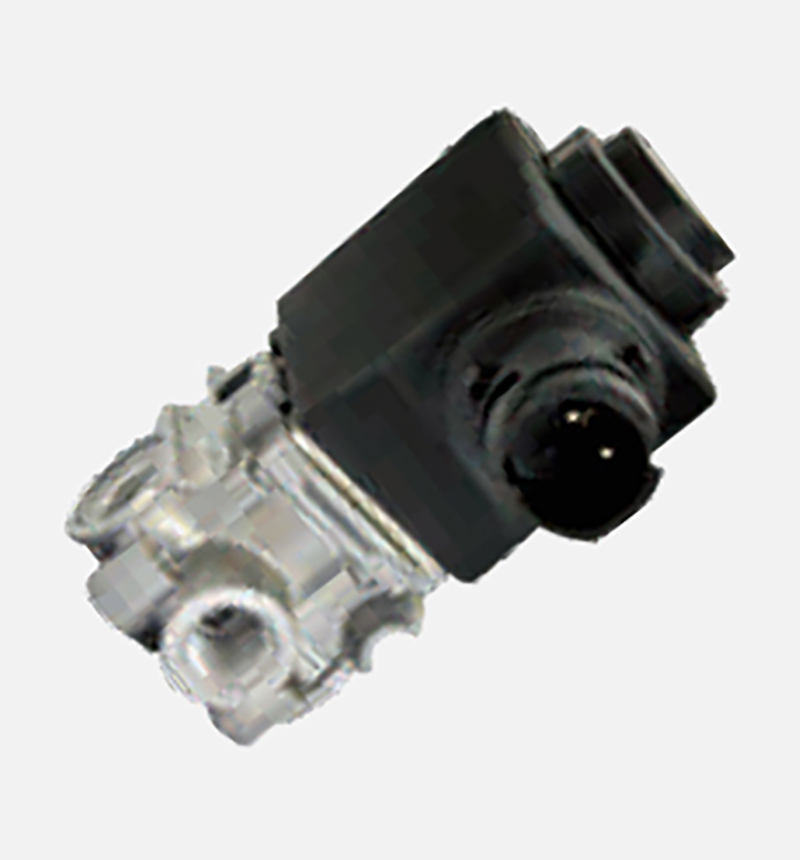
YFY No.
YFY14014
TECHNICAL DATAILS
Port 1,2=M12x1.5
24V DC
VEHICLES
SCANIA
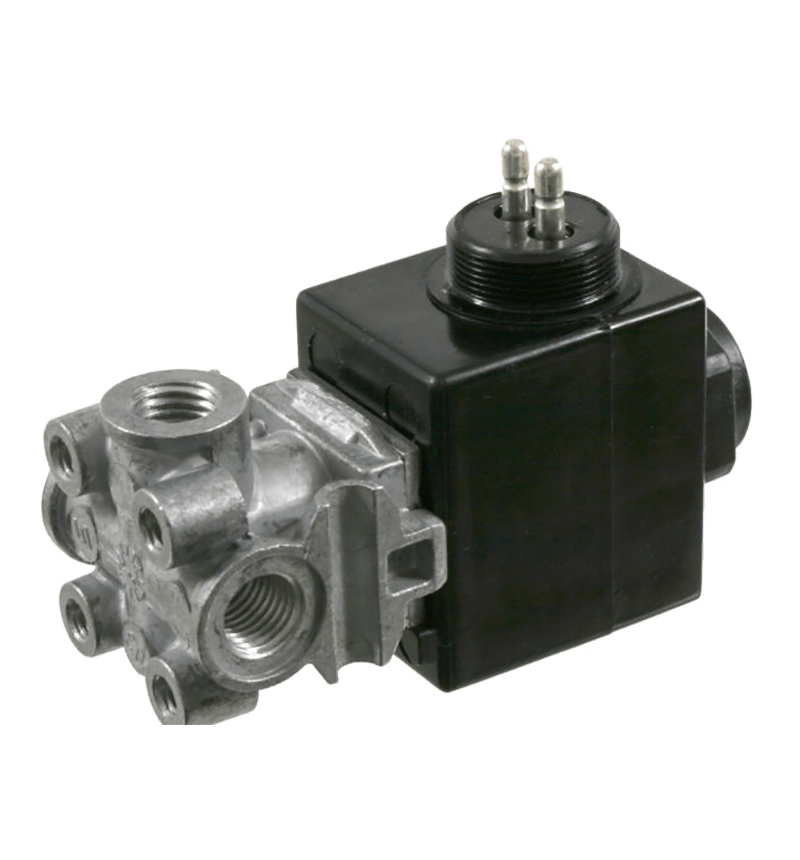
YFY No.
YFY14015
TECHNICAL DATAILS
Port 1,2=M12x1.5
24V DC
VEHICLES
SCANIA
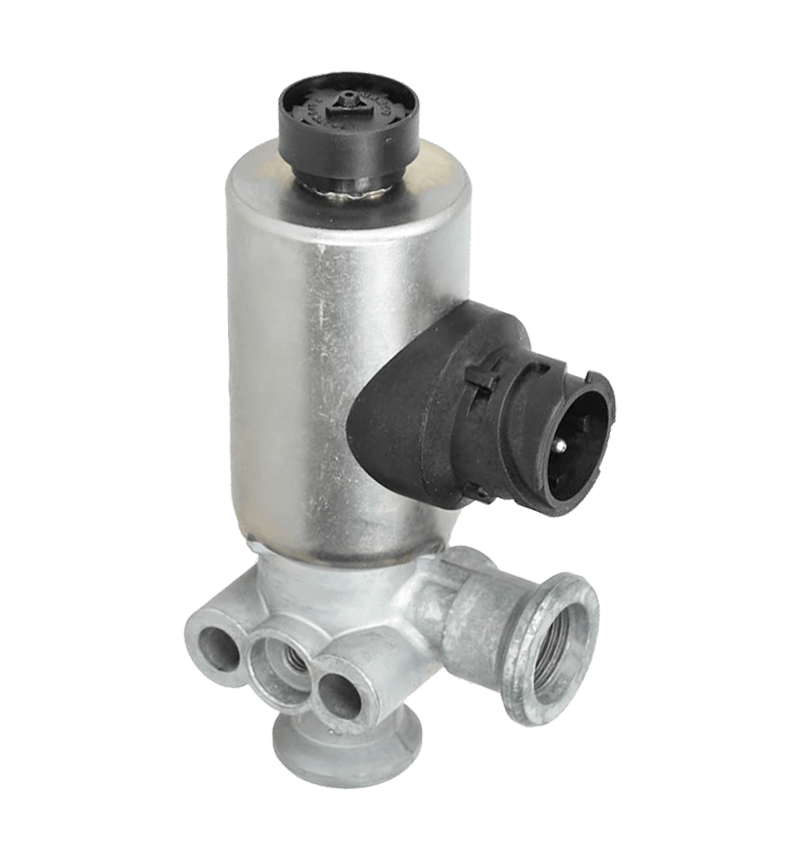
YFY No.
YFY14016
TECHNICAL DATAILS
Port 1,2=M16x1.5VOSS
24V DC
VEHICLES
MERCEDES
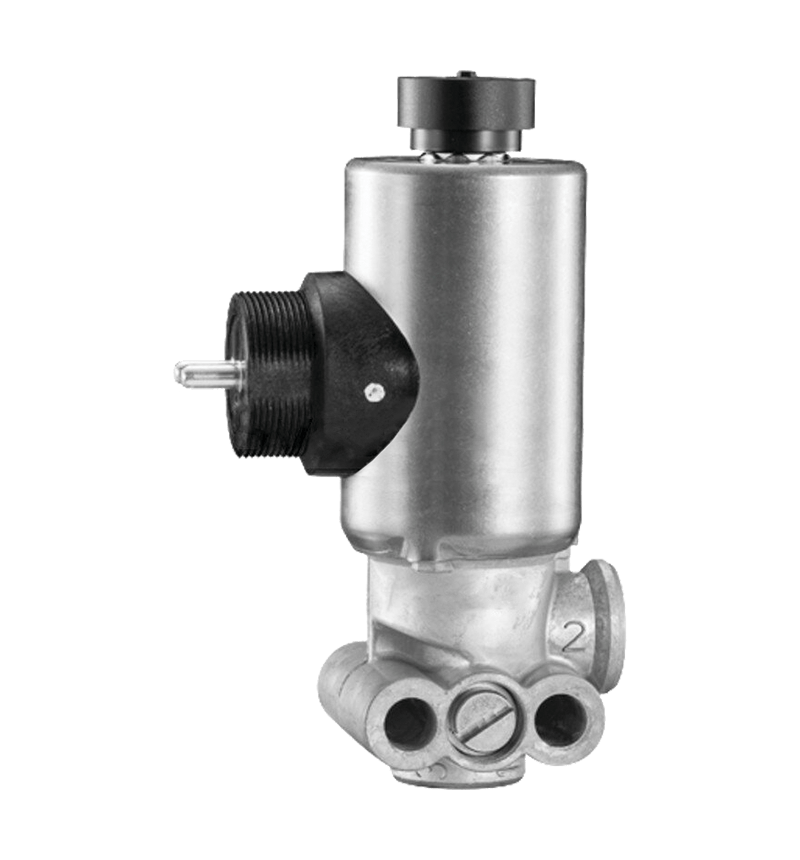
YFY No.
YFY14017
TECHNICAL DATAILS
Port 1,2=M12x1.5
24V DC
VEHICLES
DAF,MERCEDES,SCANIA,RENAULT
YFY No.
YFY14018
TECHNICAL DATAILS
Port 1,2=M12x1.5
24V DC
VEHICLES
DAF,SCANIA
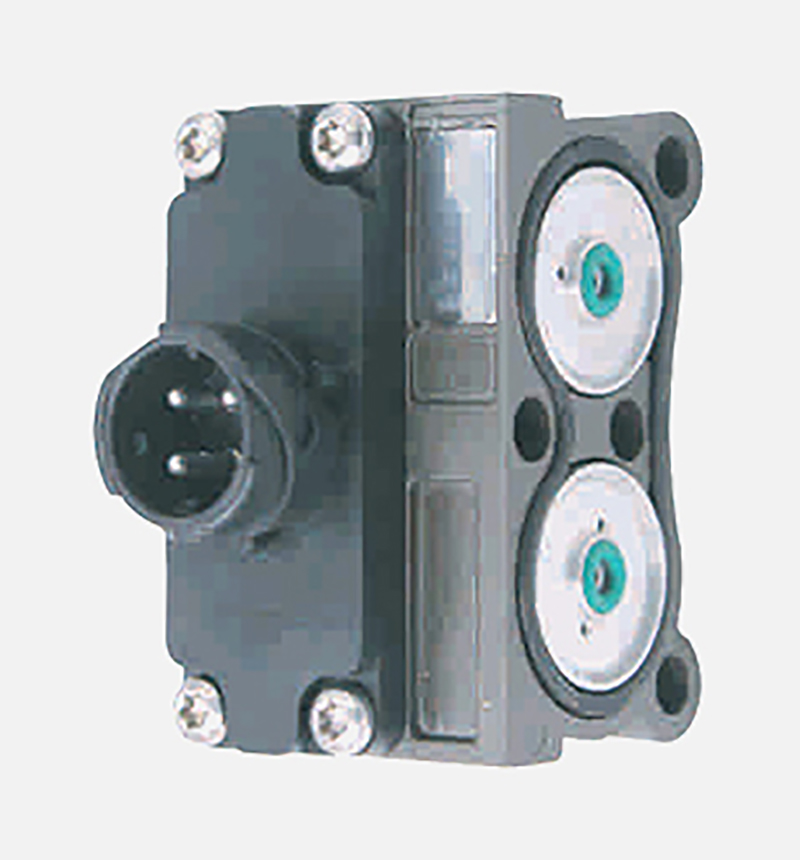
YFY No.
YFY14019
TECHNICAL DATAILS
VEHICLES
MERCEDES
DAF SOLENOID VALVE is a high-performance solenoid valve designed to meet the needs of industrial and commercial applications. The valve is made of advanced technology and materials to ensure its reliability and durability in various environments. The solenoid valve is well known for its performance. Its advanced design and manufacturing process ensures fast and accurate control of fluid flow, and the valve can provide performance regardless of high-pressure or low-pressure systems. At the same time, it is manufactured with high-quality materials and strict quality control standards, with durability and stability. No matter how harsh the conditions are, the valve can operate for a long time without being affected, providing users with reliable service. DAF SOLENOID VALVE is highly flexible. Users can customize it according to their specific needs, including different sizes, materials, and connection methods. This means that whether it is used for liquid, gas, or steam control, the valve can provide the solution to meet the user's specific application requirements. The valve is also very easy to install and maintain. The simple design and easy operation and maintenance make it easy for users to operate and maintain, reduce downtime, and improve production efficiency. This makes DAF SOLENOID VALVE an ideal choice for fluid control systems, which can play an important role in both industrial production lines and commercial applications.
A compressed-air hiss under the cab usually means one thing: a brake valve has failed. A vehicle brake valve is not a single part, but a family of pneumatic components that control the pressure, timi...
View MoreWhen a heavy truck loses brake response at the pedal, a workshop might spend an afternoon checking slack adjusters, brake chambers and compressor output before finally removing the treadle valve from...
View MoreA truck that tilts to one side when parked, a suspension warning light that comes on after a cold morning, and an air compressor that runs almost constantly: these are signs of an ECAS valve that is ...
View MoreThe clutch pedal is stiff, the next gear is difficult to find, and a low hissing sound appears every time you push it down. If that sounds familiar, the clutch servo on your truck is probably not wor...
View MoreEvery fleet technician knows the complaint: the clutch pedal is getting harder to push, and by the end of a long shift the driver's left leg is tired. On modern commercial trucks and buses, that effo...
View MoreA city bus kneels at every stop so passengers can step aboard without strain. A highway tractor holds its deck level as the trailer load shifts. Both movements depend on a small component: the ECAS s...
View MoreExecutive Summary Optimizing electronically controlled air suspension systems relies heavily on the precise pneumatic regulation provided by ECAS solenoid valves. When choosing or troubleshooting t...
View MorePressure Limiting Valves: The Engineering Guide to System Protection and Safety Pressure limiting valves are the most critical safety components in any hydraulic or pneumatic system, preventing cat...
View MoreWhen selecting a solenoid valve, a key fluid control component, we need to conduct in-depth analysis and consideration to ensure that the selected product can perfectly meet the specific needs of the system and maintain efficient and stable operation under various working conditions. This process is not only related to the optimization of system performance, but also directly related to production safety and economic benefits.
Clarifying the working pressure range of the system is the primary task in selecting a solenoid valve. The working pressure of the system may vary due to various factors such as process requirements, medium characteristics and environmental conditions. Therefore, we need to have a comprehensive understanding of the operating conditions of the system, including its normal operating pressure level, possible instantaneous pressure peaks, and the frequency and amplitude of pressure fluctuations. This process may require reference to system design documents, historical operating data or professional pressure testing and analysis. With this information, we can set a clear working pressure range for the selection of solenoid valves, laying the foundation for subsequent selection work.
We need to set a reasonable nominal pressure value for the solenoid valve within the selected working pressure range. The nominal pressure is an important parameter in the design and manufacture of solenoid valves, which represents the rated pressure bearing capacity of the solenoid valve. In order to ensure the safe operation of the solenoid valve, we generally require that the nominal pressure of the selected solenoid valve should be higher than the maximum working pressure of the system, and leave a certain safety margin. The setting of this safety margin needs to take into account multiple factors such as the actual working conditions of the system, the corrosiveness of the medium, the temperature effect, and the fatigue life of the solenoid valve material. By reasonably setting the safety margin, we can effectively reduce the risk of solenoid valve damage or system failure caused by overpressure operation.
When selecting a solenoid valve, we also need to carefully review the technical specification sheet. The technical specification sheet is an important way to understand the performance parameters of the solenoid valve. It lists in detail the key parameters of the solenoid valve, such as nominal pressure, maximum working pressure, flow characteristics, control method, material and sealing performance. Through the comparative analysis of these parameters, we can make a preliminary assessment of the applicability of the solenoid valve. For example, we can choose a solenoid valve with a suitable diameter according to the flow requirements of the system; choose a suitable material according to the corrosiveness of the medium; choose a suitable control method according to the control requirements, etc. The reasonable selection of these parameters will directly affect the service life and control effect of the solenoid valve.
In addition to the above factors, we also need to consider the sealing performance of the solenoid valve. Sealing performance is one of the important performance indicators of solenoid valves, which is directly related to the leakage problem and operation stability of the system. When selecting a solenoid valve, we need to pay attention to factors such as the design of its sealing structure, the selection of sealing materials, and the processing accuracy of the sealing surface. These factors will directly affect the sealing effect and service life of the solenoid valve. In order to ensure that the sealing performance of the solenoid valve meets the system requirements, we can conduct necessary sealing performance tests or require the manufacturer to provide relevant test reports.
The control method of the solenoid valve is also an important aspect that needs to be paid attention to during the selection process. In modern industrial control systems, there are various control methods for solenoid valves, including manual control, electromagnetic control, pneumatic control and intelligent control. We need to choose a suitable control method according to the control requirements of the system. For example, in situations where remote automatic control is required, we can choose a solenoid valve with a remote control interface; in situations where complex control logic needs to be implemented, we can choose a solenoid valve with intelligent control functions.
For uncertain or complex selection situations, we recommend timely consultation with professional engineers or technicians. With their rich professional knowledge and practical experience, they can provide us with more accurate suggestions and solutions. Through communication and exchanges with them, we can have a more comprehensive understanding of the performance characteristics and application scenarios of solenoid valves, so as to make a more wise choice.
 NO. 132 Xingye Road,Fengqiao Town ,Zhuji City,Zhejiang
 +86-13958007768 +86-13655857582
Copyright © Zhuji Infia Auto Parts Co., Ltd. All Rights Reserved.
Wholesale Solenoid Valves Manufacturers
 English
 Español
