E-mail: [email protected]
E-mail: [email protected]Address: NO. 132 Xingye Road,Fengqiao Town ,Zhuji City,Zhejiang
Whatsapp: +86-13958007768
Whatsapp: +86-13655857582




Need Help
+86-13958007768
E-mail: [email protected]
E-mail: [email protected]
Address: NO. 132 Xingye Road,Fengqiao Town ,Zhuji City,Zhejiang
Whatsapp: +86-13958007768
Whatsapp: +86-13655857582
Our team is proud to offer on time guarantee and product guarantee to customer satisfaction.
Read MoreSpring Brake Chambers Custom
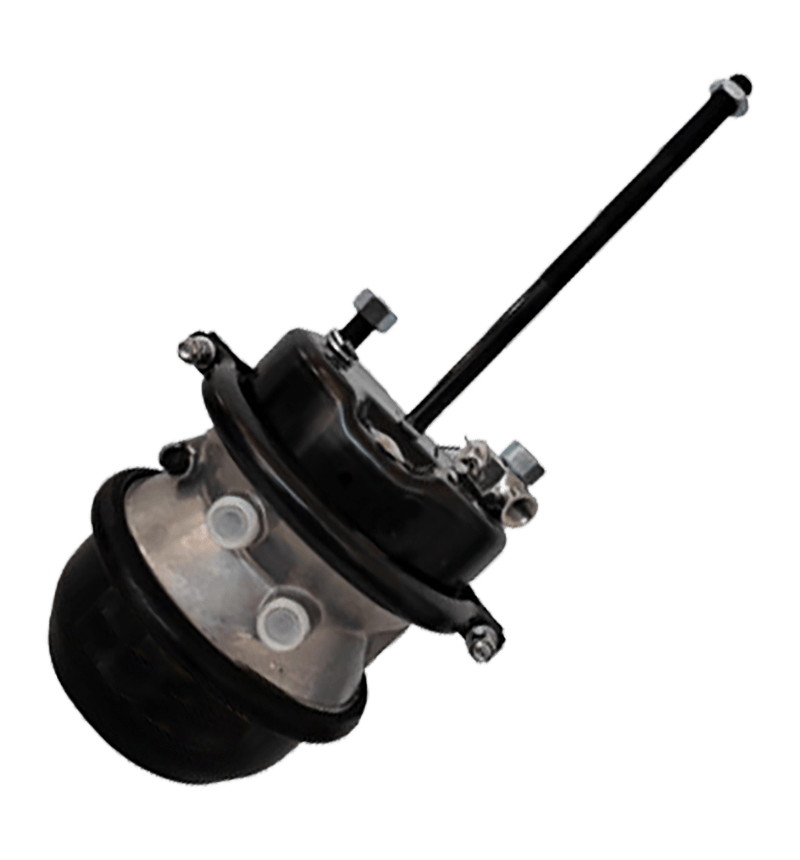
YFY No.
YFY19001
TECHNICAL DATAILS
TYPE: T30/30DD
STROKE: 64/64
PORT THREAD: M16x1.5
BOLT THREAD: M16x1.5
PUSH ROD THREAD: M16x1.5
PUSH ROD LENGTH: 285mm
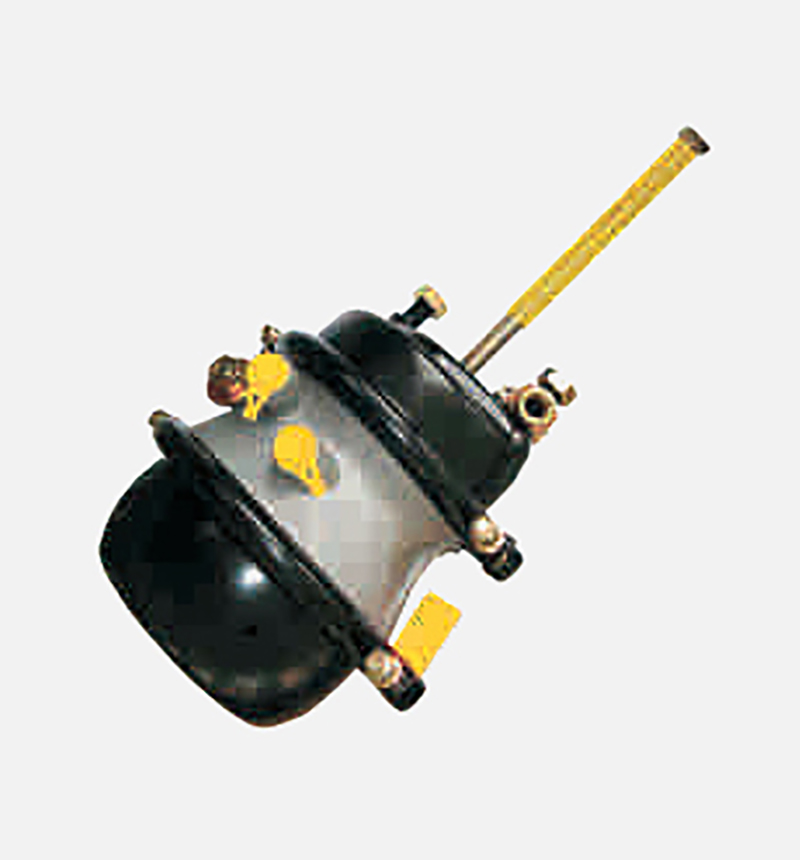
YFY No.
YFY19002
TECHNICAL DATAILS
TYPE: T24/30DD
STROKE: 64/64
PORT THREAD: M16x1.5
BOLT THREAD: M16x1.5
PUSH ROD THREAD: M16x1.5
PUSH ROD LENGTH: 285mm
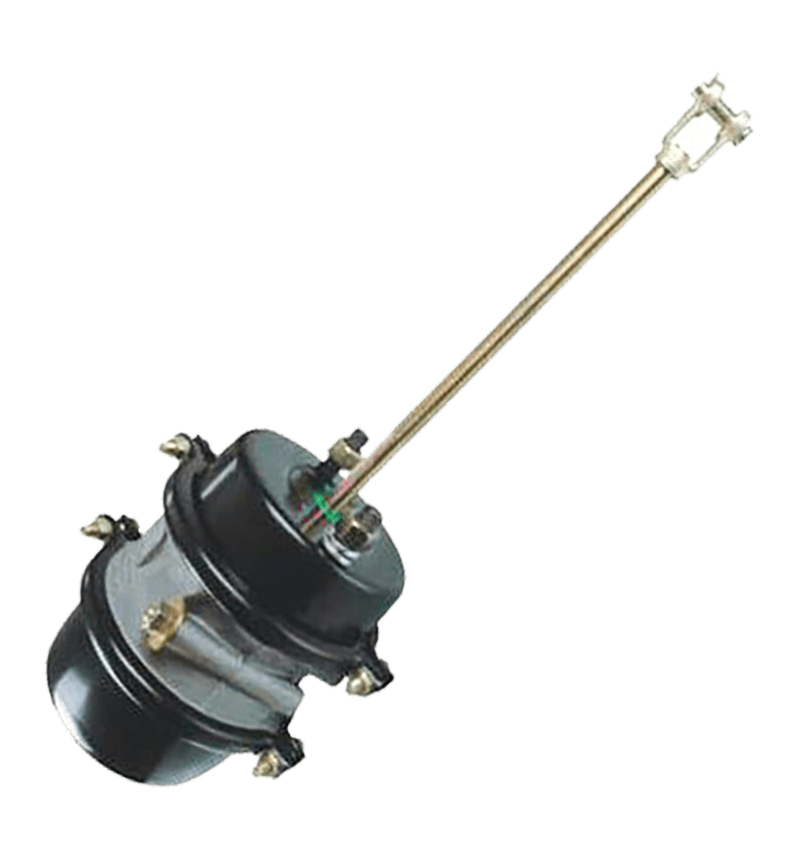
YFY No.
YFY19003
TECHNICAL DATAILS
TYPE: T24/24DD
STROKE: 64/64
PORT THREAD: M16x1.5
BOLT THREAD: M16x1.5
PUSH ROD THREAD: M16x1.5
PUSH ROD LENGTH: 285mm
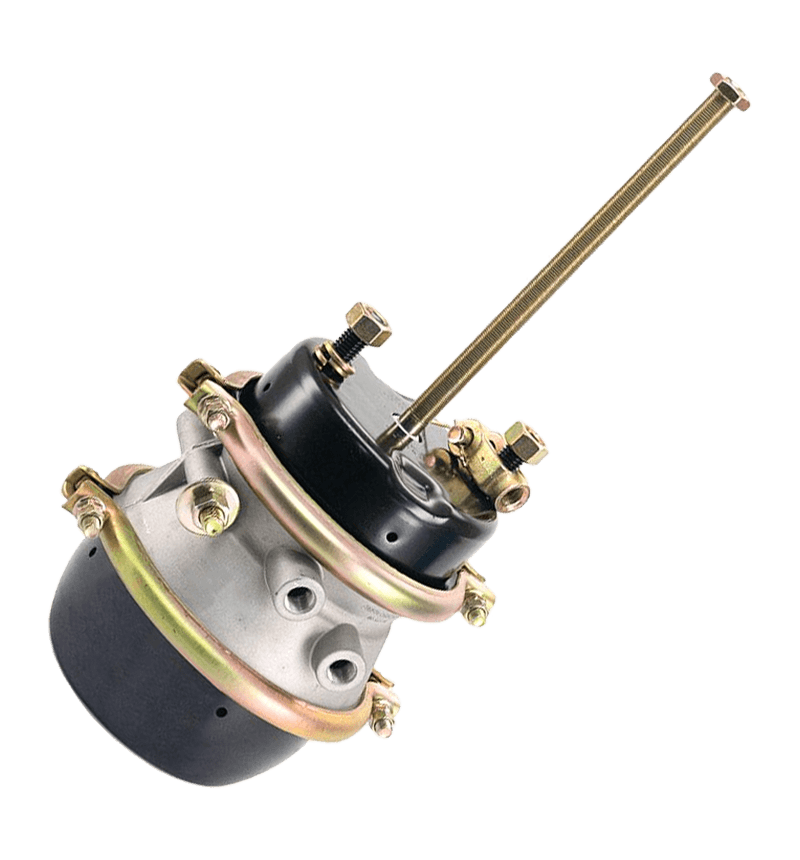
YFY No.
YFY19004
TECHNICAL DATAILS
TYPE: T20/24DD
STROKE: 64/64
PORT THREAD: M16x1.5
BOLT THREAD: M16x1.5
PUSH ROD THREAD: M16x1.5
PUSH ROD LENGTH: 285mm
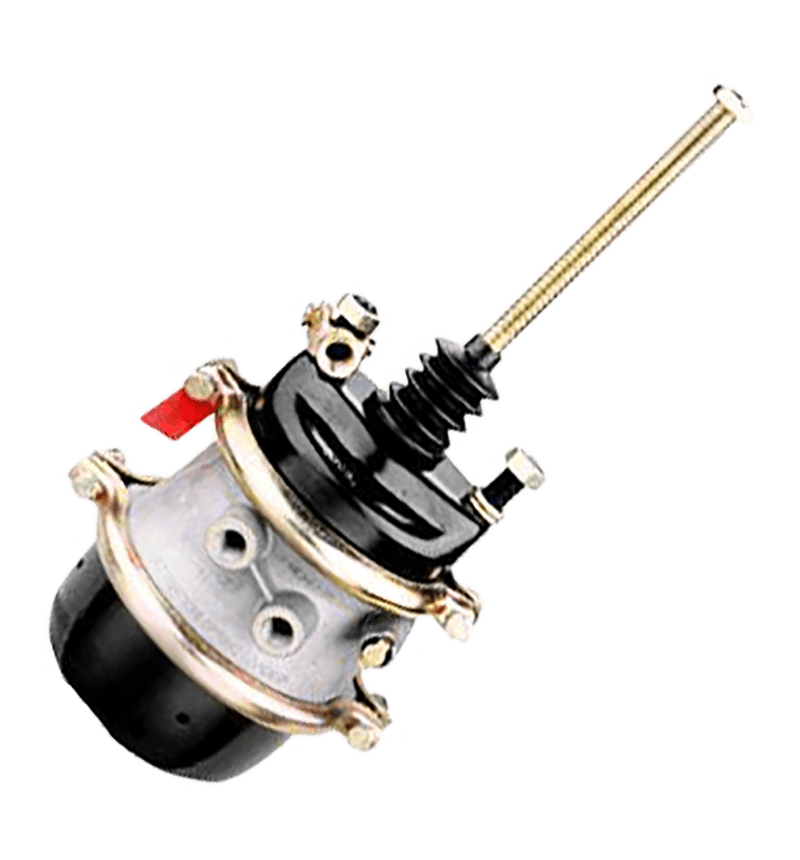
YFY No.
YFY19005
TECHNICAL DATAILS
TYPE: T16/24DD
STROKE: 64/64
PORT THREAD: M16x1.5
BOLT THREAD: M16x1.5
PUSH ROD THREAD: M16x1.5
PUSH ROD LENGTH: 285mm
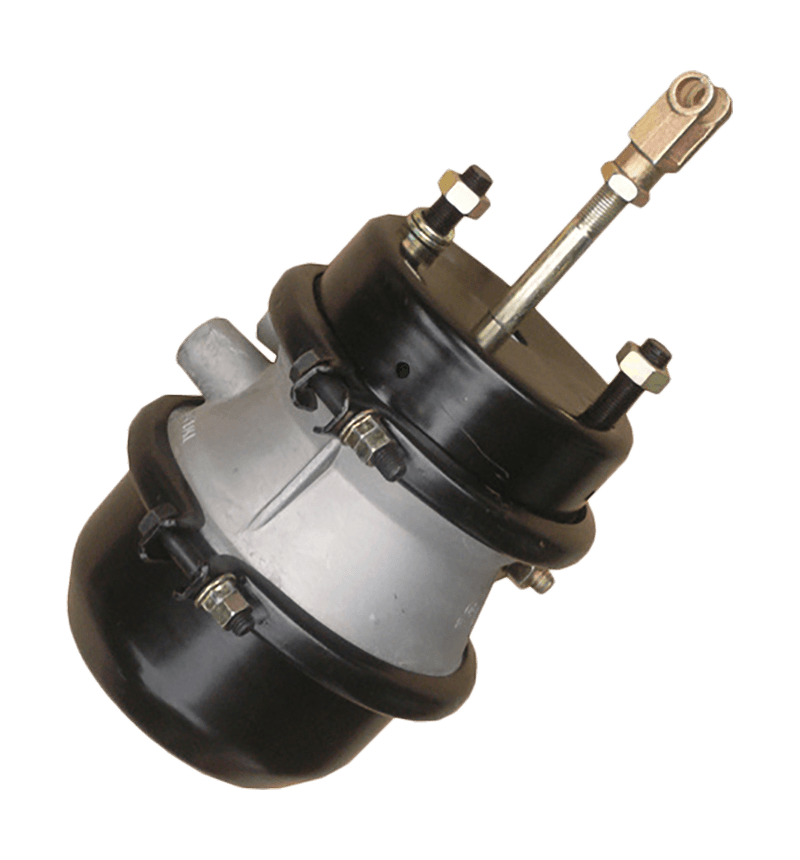
YFY No.
YFY19006
TECHNICAL DATAILS
TYPE: T24/24DD(disc)
STROKE: 57/57
PORT THREAD: M16x1.5
BOLT THREAD: M16x1.5
PUSH ROD THREAD: Φ16
PUSH ROD LENGTH: 15mm
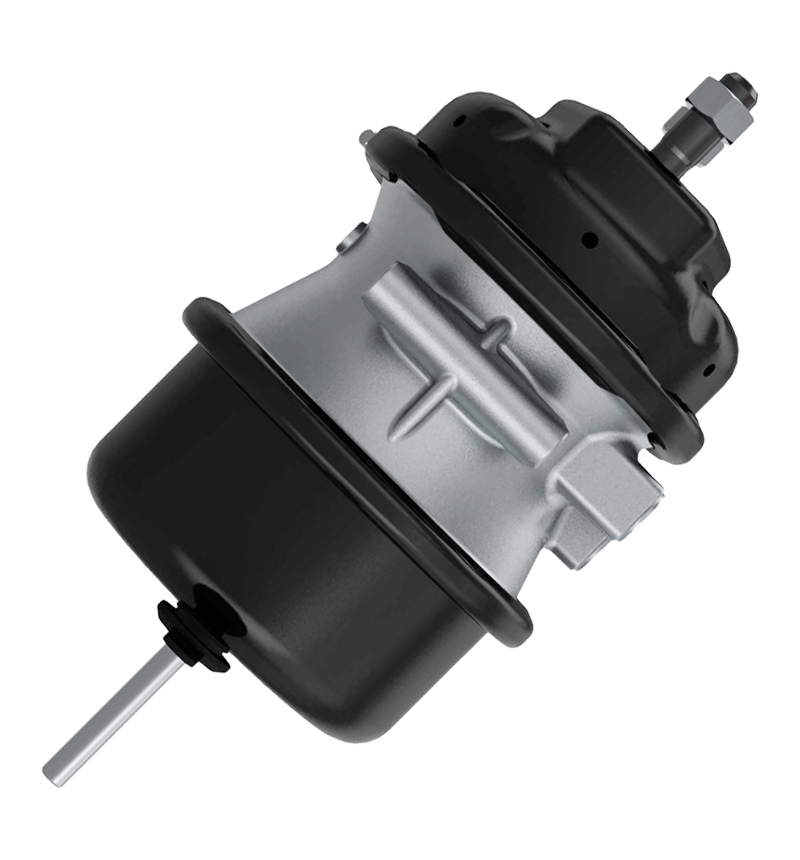
YFY No.
YFY19007
TECHNICAL DATAILS
TYPE: T20/24DD(disc)
STROKE: 57/57
PORT THREAD: M16x1.5
BOLT THREAD: M16x1.5
PUSH ROD THREAD: Φ16
PUSH ROD LENGTH: 15mm
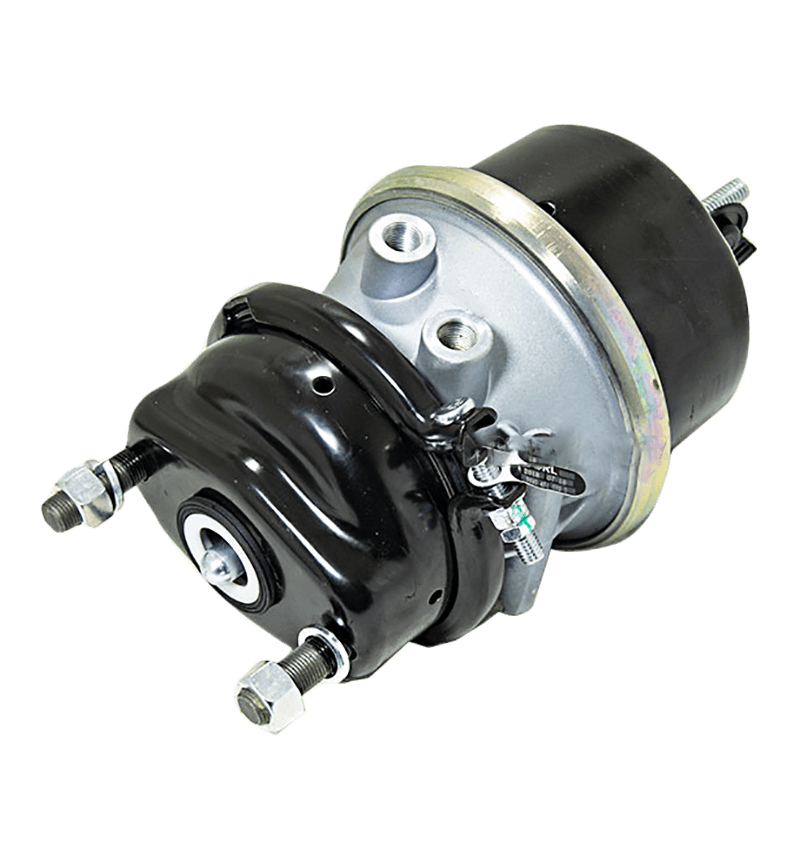
YFY No.
YFY19008
TECHNICAL DATAILS
TYPE: T16/24DD(disc)
STROKE: 57/57
PORT THREAD: M16x1.5
BOLT THREAD: M16x1.5
PUSH ROD THREAD: Φ16
PUSH ROD LENGTH: 15mm
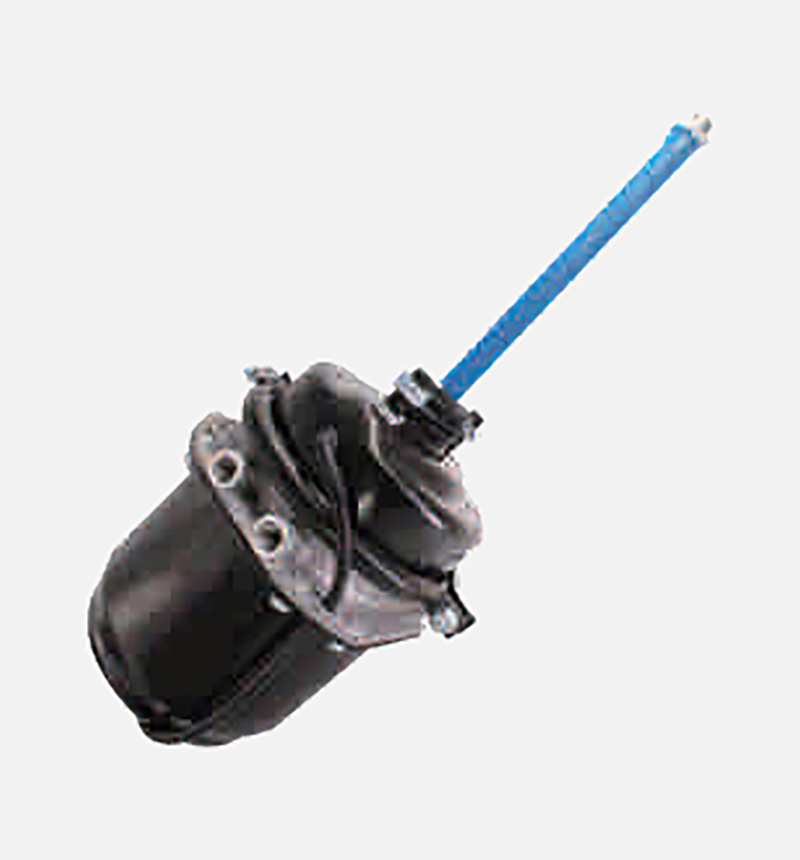
YFY No.
YFY19009
TECHNICAL DATAILS
TYPE: T30/30DP
STROKE: 64/64
PORT THREAD: M16x1.5
BOLT THREAD: M16x1.5
PUSH ROD THREAD: M16x1.5
PUSH ROD LENGTH: 285mm
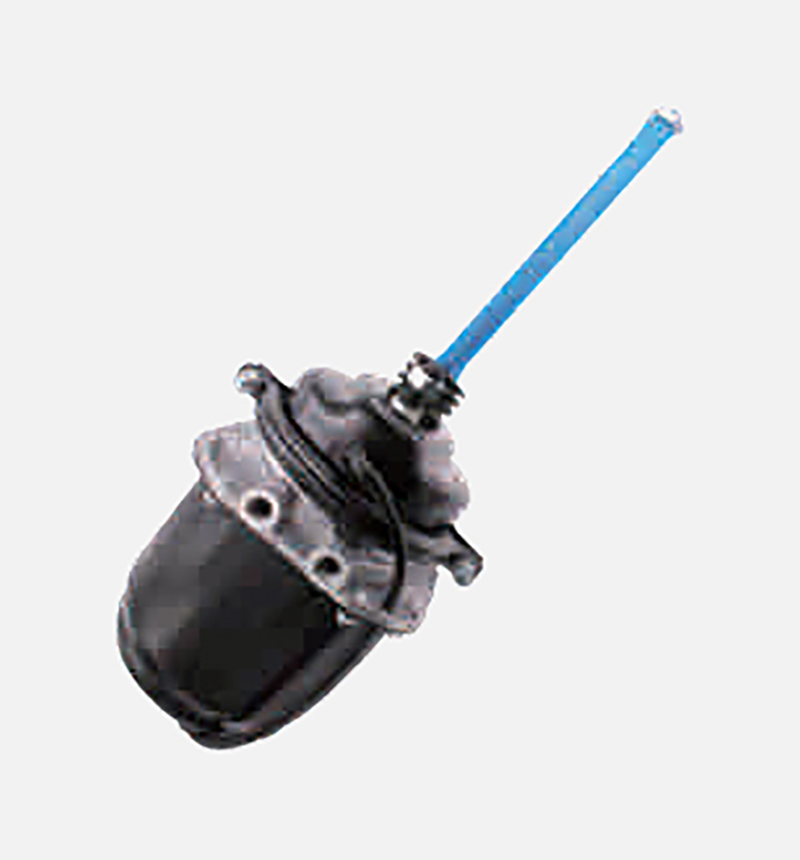
YFY No.
YFY19010
TECHNICAL DATAILS
TYPE: T24/30DP
STROKE: 64/64
PORT THREAD: M16x1.5
BOLT THREAD: M16x1.5
PUSH ROD THREAD: M16x1.5
PUSH ROD LENGTH: 340mm
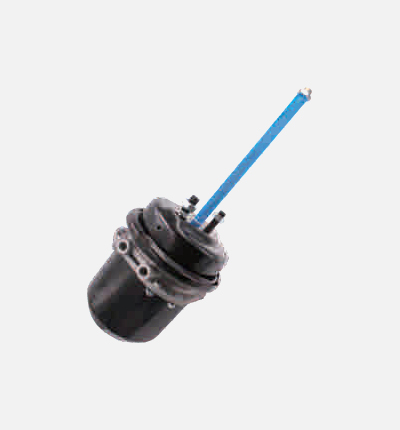
YFY No.
YFY19011
TECHNICAL DATAILS
TYPE: T30/24DP
STROKE: 64/64
PORT THREAD: M16x1.5
BOLT THREAD: M16x1.5
PUSH ROD THREAD: M16x1.5
PUSH ROD LENGTH: 285mm
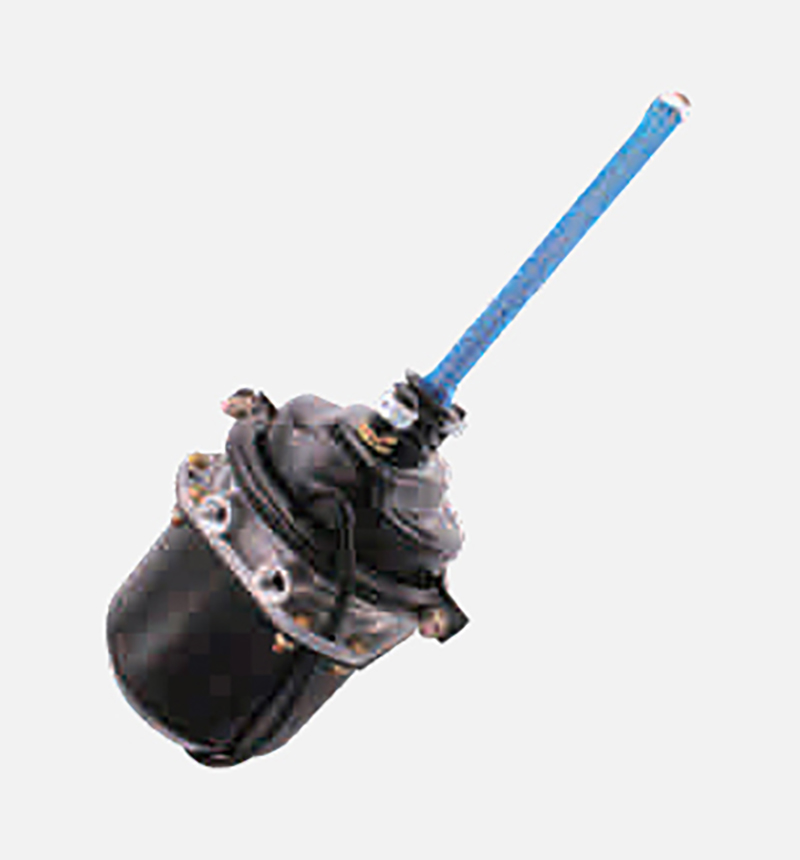
YFY No.
YFY19012
TECHNICAL DATAILS
TYPE: T24/24DP
STROKE: 64/64
PORT THREAD: M16x1.5
BOLT THREAD: M16x1.5
PUSH ROD THREAD: M16x1.5
PUSH ROD LENGTH: 200mm
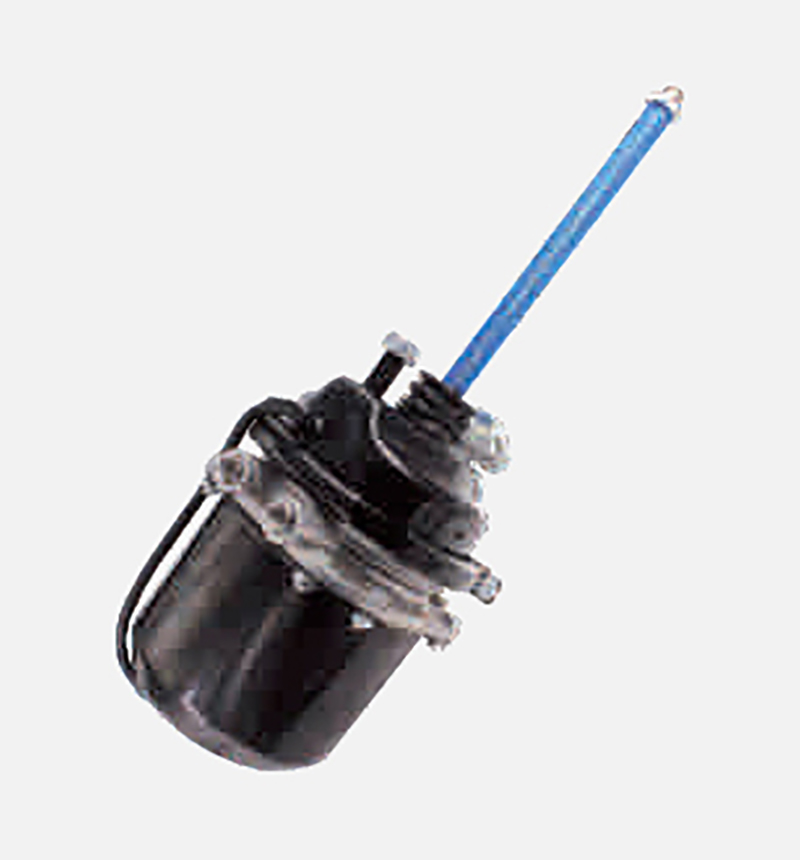
YFY No.
YFY19013
TECHNICAL DATAILS
TYPE: T24/24DP
STROKE: 64/64
PORT THREAD: M22x1.5
BOLT THREAD: M16x1.5
PUSH ROD THREAD: M16x1.5
PUSH ROD LENGTH: 320mm
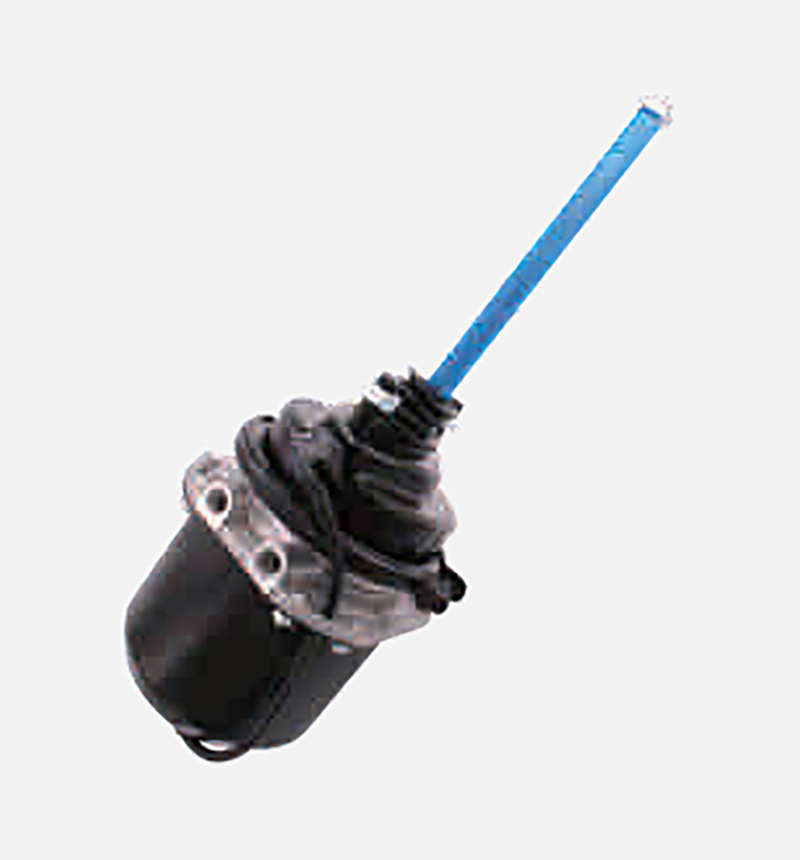
YFY No.
YFY19014
TECHNICAL DATAILS
TYPE: T16/24DP
STROKE: 64/64
PORT THREAD: M16x1.5
BOLT THREAD: M16x1.5
PUSH ROD THREAD: M16x1.5
PUSH ROD LENGTH: 285mm
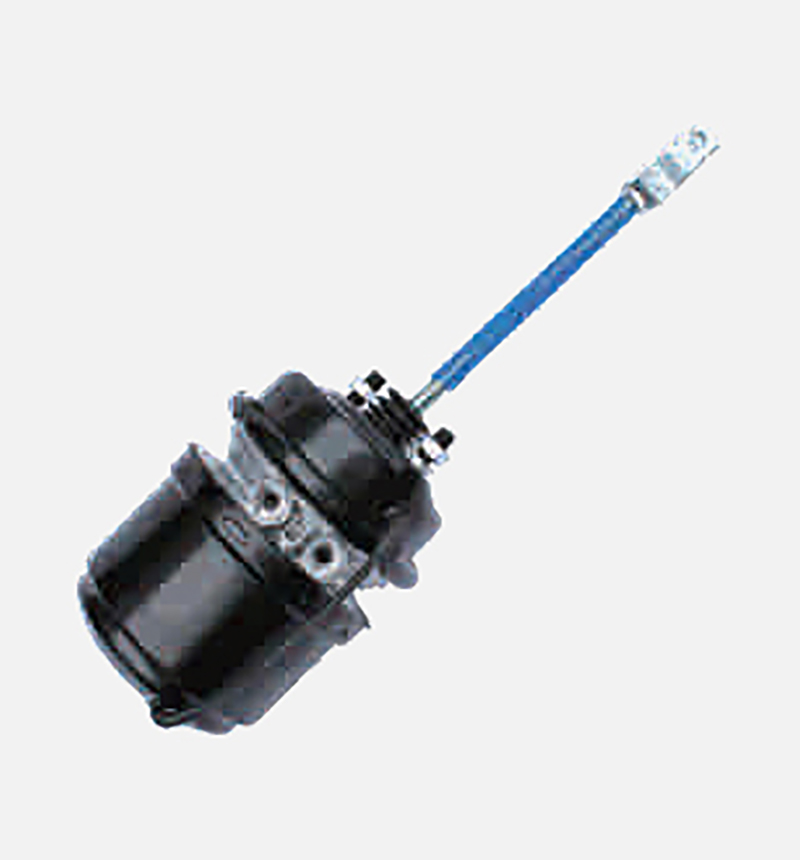
YFY No.
YFY19015
TECHNICAL DATAILS
TYPE: T30/30DP
STROKE: 64/64
PORT THREAD: M22x1.5
BOLT THREAD: M16x1.5
PUSH ROD THREAD: M16x1.5
PUSH ROD LENGTH: 300mm
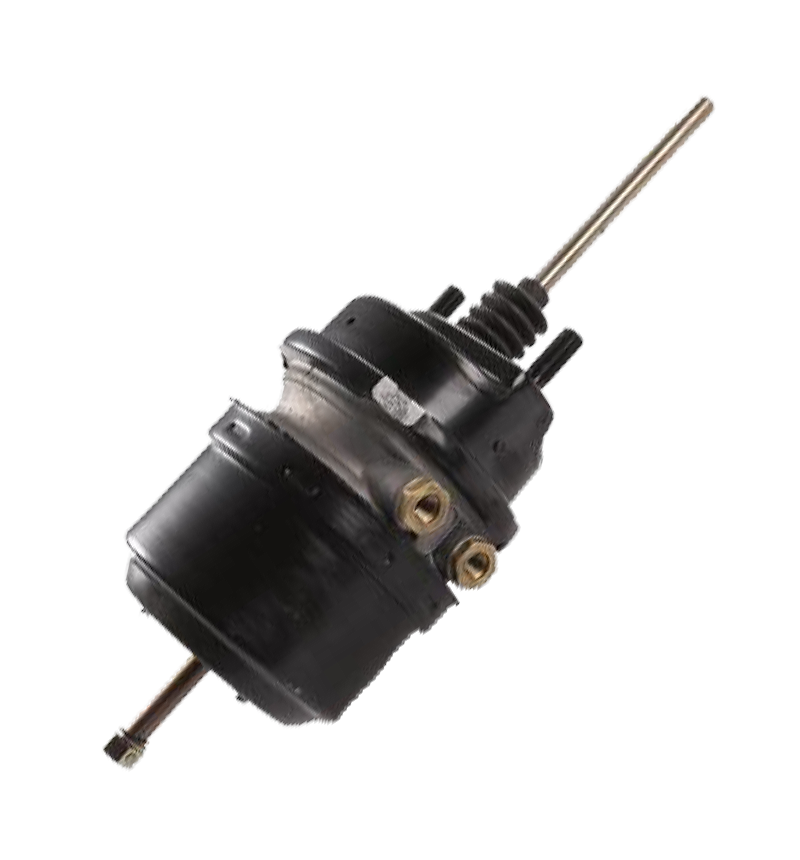
YFY No.
YFY19016
TECHNICAL DATAILS
TYPE: T24/24DP
STROKE: 57/57
PORT THREAD: M22x1.5
BOLT THREAD: M16x1.5
PUSH ROD THREAD: M16x1.5
PUSH ROD LENGTH: 300mm
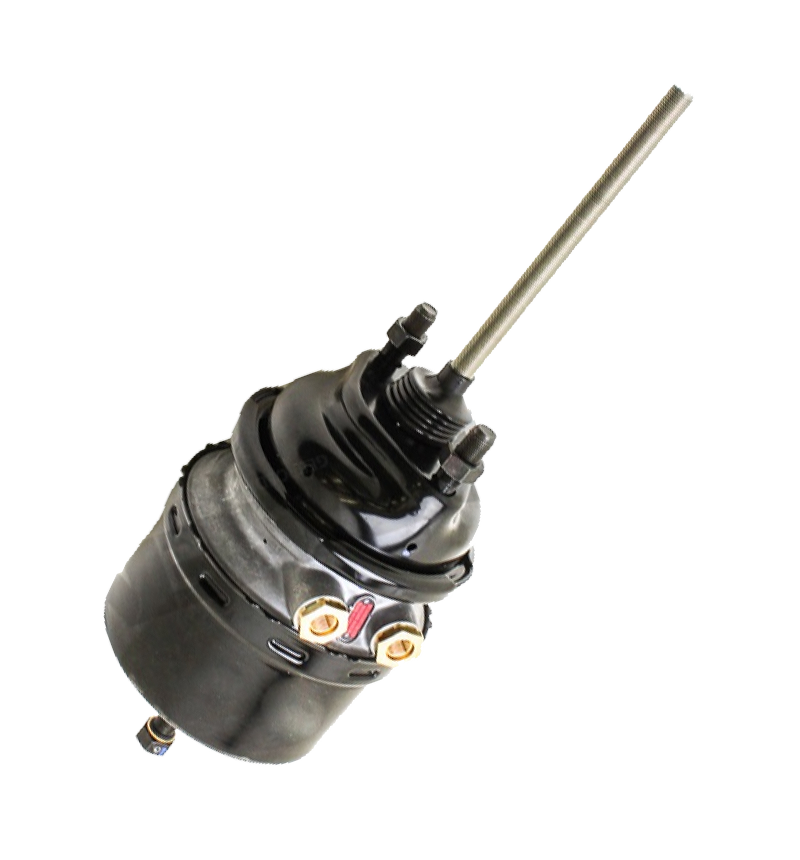
YFY No.
YFY19017
TECHNICAL DATAILS
TYPE: T20/24DP
STROKE: 57/57
PORT THREAD: M22x1.5
BOLT THREAD: M16x1.5
PUSH ROD THREAD: M16x1.5
PUSH ROD LENGTH: 300mm
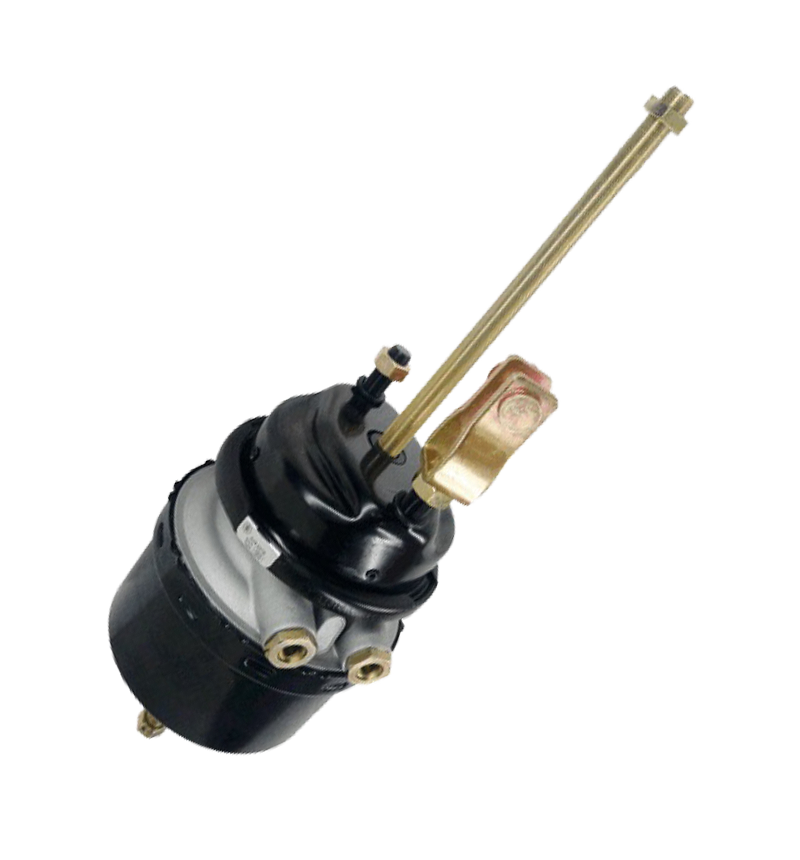
YFY No.
YFY19018
TECHNICAL DATAILS
TYPE: T16/24DP
STROKE: 57/57
PORT THREAD: M22x1.5
BOLT THREAD: M16x1.5
PUSH ROD THREAD: M16x1.5
PUSH ROD LENGTH: 300mm
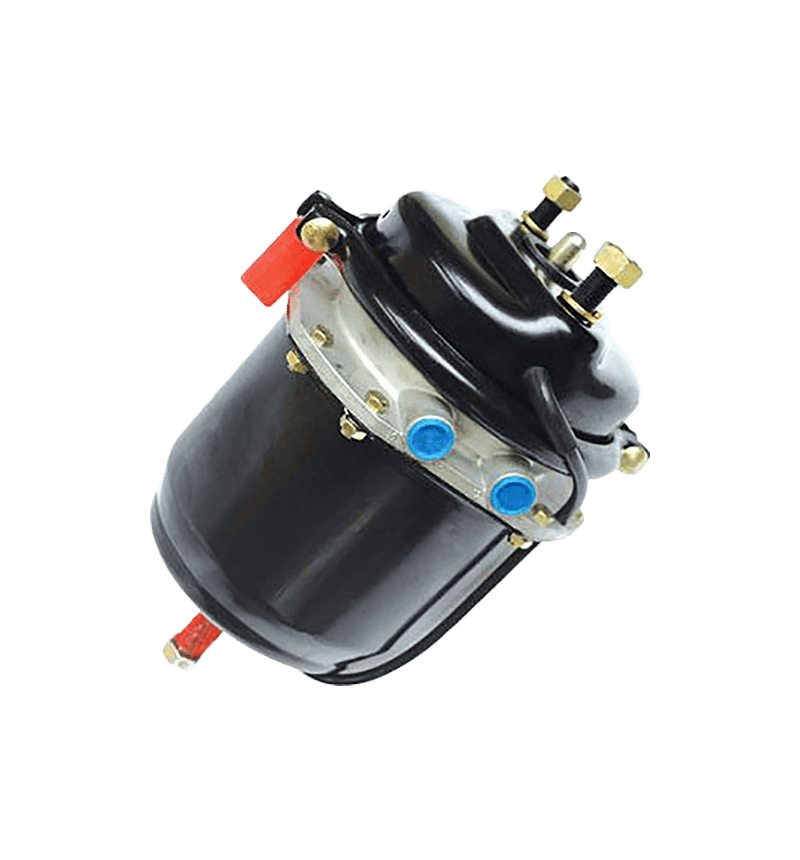
YFY No.
YFY19019
TECHNICAL DATAILS
TYPE: T30/30DP(disc)
STROKE: 64/64
PORT THREAD: M16x1.5
BOLT THREAD: M16x1.5
PUSH ROD THREAD: Φ16
PUSH ROD LENGTH: 15mm
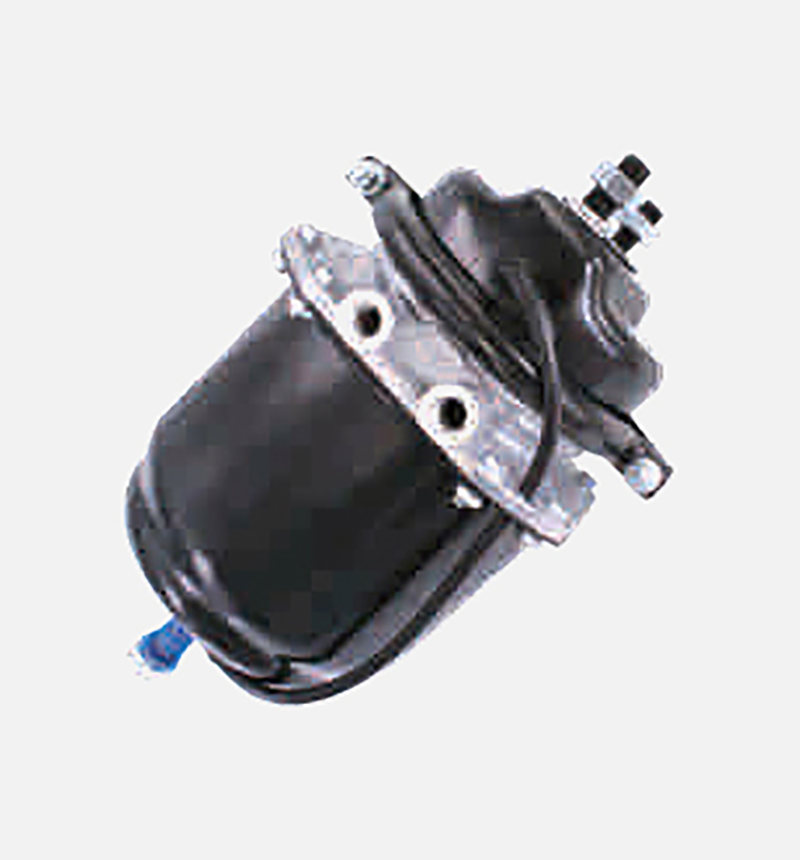
YFY No.
YFY19020
TECHNICAL DATAILS
TYPE: T24/30DP(disc)
STROKE: 64/64
PORT THREAD: M16x1.5
BOLT THREAD: M16x1.5
PUSH ROD THREAD: Φ16
PUSH ROD LENGTH: 15mm
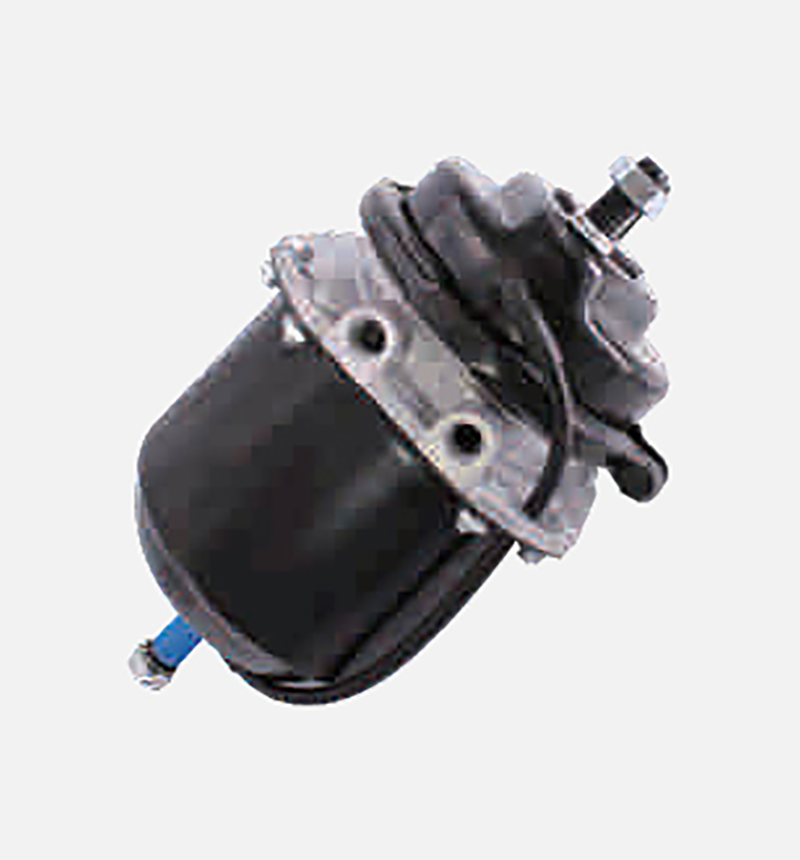
YFY No.
YFY19021
TECHNICAL DATAILS
TYPE: T24/24DP(disc)
STROKE: 64/64
PORT THREAD: M16x1.5
BOLT THREAD: M16x1.5
PUSH ROD THREAD: Φ16
PUSH ROD LENGTH: 15mm
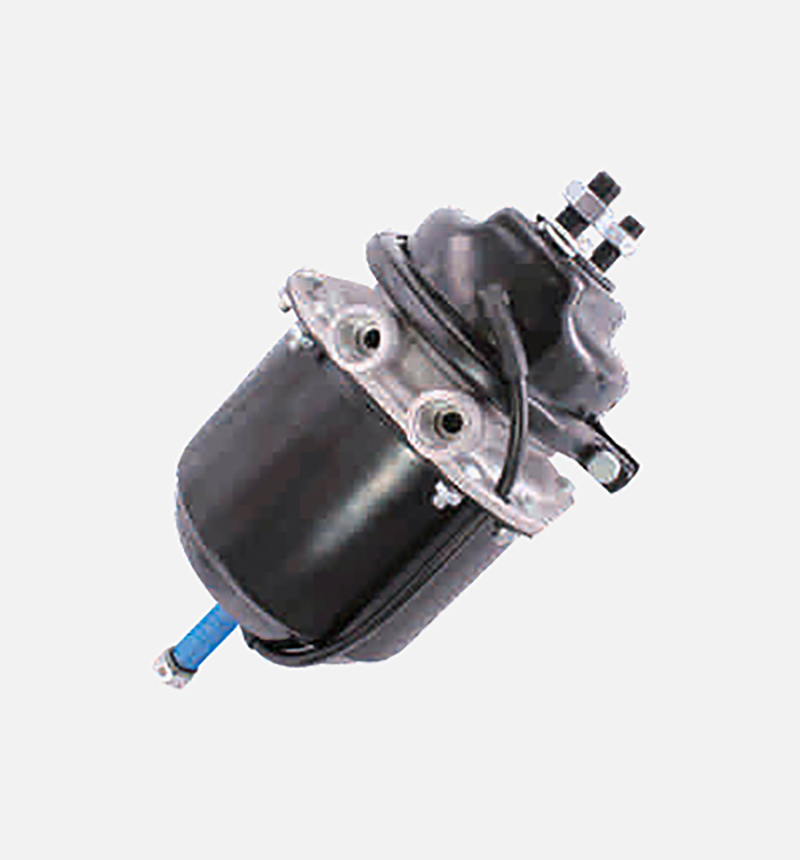
YFY No.
YFY19022
TECHNICAL DATAILS
TYPE: T16/24DP(disc)
STROKE: 57/57
PORT THREAD: M22x1.5
BOLT THREAD: M16x1.5
PUSH ROD THREAD: Φ16
PUSH ROD LENGTH: 15mm
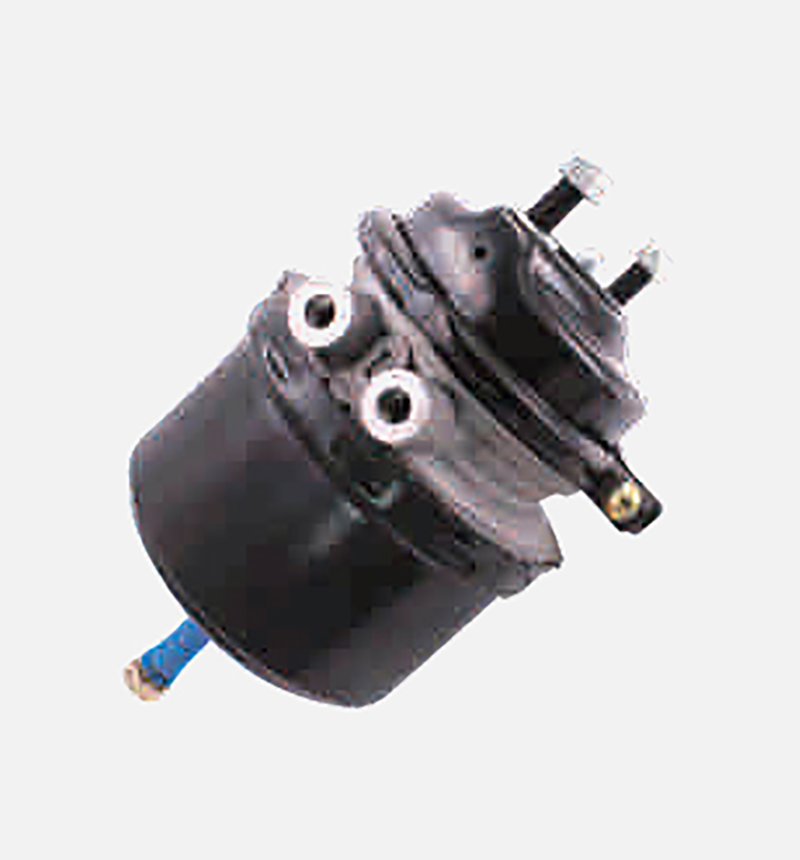
YFY No.
YFY19023
TECHNICAL DATAILS
TYPE: T30/30DP(disc)
STROKE: 64/64
PORT THREAD: M16x1.5
BOLT THREAD: M16x1.5
PUSH ROD THREAD: Φ16
PUSH ROD LENGTH: 15mm
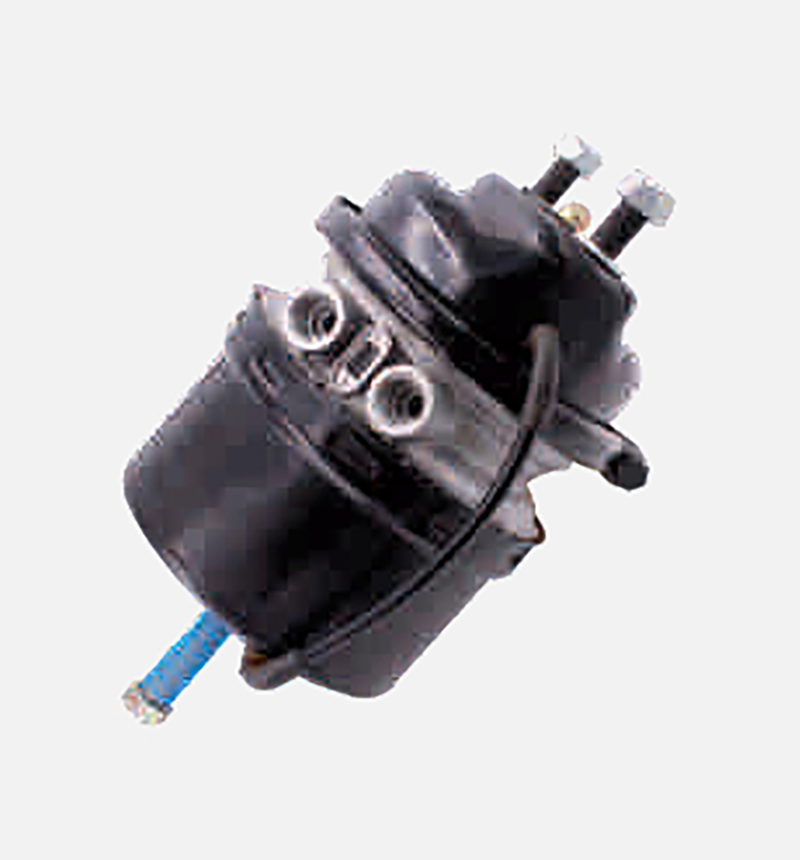
YFY No.
YFY19024
TECHNICAL DATAILS
TYPE: T24/24DP(disc)
STROKE: 57/57
PORT THREAD: M22x1.5VOSS
BOLT THREAD: M16x1.5
PUSH ROD THREAD: Φ16
PUSH ROD LENGTH: 15mm
The standard size and reliable performance of 285mm PUSH ROD LENGTH Spring Brake Chambers make it an important guarantee for the safe driving of vehicles. This product has many advantages, including a standard 285mm push rod length, reliable braking effect, durability, and the safety guarantee provided. 285mm PUSH ROD LENGTH Spring Brake Chambers adopt a standard 285mm push rod length and are compatible with the pneumatic brake system of commercial vehicles. This standard size ensures simple installation and reliable performance. Whether it is an original replacement or an upgrade installation, it can be easily handled to ensure the normal operation of the braking system. This product has a reliable braking effect. As one of the key components of the pneumatic brake system, Spring Brake Chambers realizes the braking function through air pressure. Its precise design and high-quality materials ensure a reliable braking effect, allowing the vehicle to achieve stable braking under various road conditions. This provides drivers with higher safety and reduces the risk of accidents. Spring Brake Chambers have durability. Products made of high-strength materials can withstand long-term use and the challenges of various harsh environmental conditions. This ensures its long-term stability and reliability, reducing vehicle maintenance costs. Drivers can safely rely on this product without frequent replacement or maintenance. As an important part of the pneumatic brake system, Spring Brake Chambers bears the important responsibility of ensuring vehicle driving safety. Its precise braking performance and stable working state provide reliable safety protection for drivers and passengers. Whether on urban roads or highways, this product can ensure the reliability and stability of the vehicle's braking system.

A compressed-air hiss under the cab usually means one thing: a brake valve has failed. A vehicle brake valve is not a single part, but a family of pneumatic components that control the pressure, timi...
View MoreWhen a heavy truck loses brake response at the pedal, a workshop might spend an afternoon checking slack adjusters, brake chambers and compressor output before finally removing the treadle valve from...
View MoreA truck that tilts to one side when parked, a suspension warning light that comes on after a cold morning, and an air compressor that runs almost constantly: these are signs of an ECAS valve that is ...
View MoreThe clutch pedal is stiff, the next gear is difficult to find, and a low hissing sound appears every time you push it down. If that sounds familiar, the clutch servo on your truck is probably not wor...
View MoreEvery fleet technician knows the complaint: the clutch pedal is getting harder to push, and by the end of a long shift the driver's left leg is tired. On modern commercial trucks and buses, that effo...
View MoreA city bus kneels at every stop so passengers can step aboard without strain. A highway tractor holds its deck level as the trailer load shifts. Both movements depend on a small component: the ECAS s...
View MoreExecutive Summary Optimizing electronically controlled air suspension systems relies heavily on the precise pneumatic regulation provided by ECAS solenoid valves. When choosing or troubleshooting t...
View MorePressure Limiting Valves: The Engineering Guide to System Protection and Safety Pressure limiting valves are the most critical safety components in any hydraulic or pneumatic system, preventing cat...
View MoreIn the modern automotive industry, the performance of the braking system is directly related to the safety, stability and driver confidence of the vehicle. SPRING BRAKE CHAMBERS, as an important part of the braking system, its design, working principle and integration with other vehicle systems together constitute a solid foundation for ensuring the braking performance and stability of the vehicle.
The core of SPRING BRAKE CHAMBERS lies in its dual-chamber design, which not only reflects the engineers' deep understanding of the complexity of the braking system, but also a subtle interpretation of the balance between vehicle braking performance and stability. The independent existence of the service chamber and the parking chamber allows the braking force to be precisely adjusted according to different working conditions. When the driver steps on the brake pedal, the air pressure quickly acts on the service chamber, pushing the piston to compress the spring and release the braking force to achieve service braking. When the vehicle is parked or the air pressure is insufficient, the spring in the parking chamber will automatically apply braking force to ensure that the vehicle is parked stably. This design not only improves the response speed of braking, but also enhances the reliability of braking, providing a strong guarantee for the stability of the vehicle under various working conditions.
The working principle of SPRING BRAKE CHAMBERS is based on air pressure control, which is an efficient and stable braking method. During the braking process, the air pressure system achieves precise regulation of the braking force by precisely controlling the transmission and distribution of air pressure. When the air pressure acts on the service chamber, the interaction between the piston and the spring enables the braking force to be applied to the wheel quickly and smoothly. At the same time, the air pressure system also has an automatic adjustment function, which can automatically adjust the braking force according to factors such as the vehicle's load, speed and road conditions to ensure that the vehicle can maintain stable braking performance under different working conditions. This air pressure control method not only improves the efficiency of braking, but also reduces noise and wear during braking, extending the service life of the braking system.
SPRING BRAKE CHAMBERS does not exist in isolation, but is closely integrated with other braking systems of the vehicle to form a comprehensive system to ensure the braking performance and stability of the vehicle. Among them, the integration with the anti-lock braking system (ABS) is particularly critical. The ABS system monitors the speed and slip rate of the wheel in real time and adjusts the braking force as needed to prevent the wheel from locking during braking. The coordinated work of SPRING BRAKE CHAMBERS and ABS system enables the vehicle to maintain stable steering ability and short braking distance during emergency braking, greatly improving the safety and stability of the vehicle.
In addition, SPRING BRAKE CHAMBERS also work closely with advanced safety assistance systems such as traction control system (TCS) and stability control system (ESC). The TCS system automatically adjusts the engine output torque and braking force distribution by monitoring the driving force and slip rate of the wheels to prevent the vehicle from slipping during starting or acceleration. The ESC system automatically adjusts the braking force and driving force distribution by monitoring the vehicle's driving state and the driver's intention to maintain the stability and controllability of the vehicle. The coordinated work of these systems enables SPRING BRAKE CHAMBERS to more accurately control the size and direction of the braking force during braking, further improving the braking performance and stability of the vehicle.
SPRING BRAKE CHAMBERS achieves a perfect balance between braking force and vehicle stability through its exquisite structural design, efficient working principle and close integration with other braking systems of the vehicle. In the future development, with the continuous progress of automobile technology and the improvement of intelligence level, SPRING BRAKE CHAMBERS will also be continuously upgraded and improved. By introducing more advanced sensors and control algorithms, more precise control and faster response of the braking process can be achieved; through deep integration with other intelligent systems, the braking performance and safety of the vehicle can be further improved. We have reason to believe that in the future automotive world, SPRING BRAKE CHAMBERS will continue to play an important role and provide drivers with a safer, more stable and comfortable driving experience.
 NO. 132 Xingye Road,Fengqiao Town ,Zhuji City,Zhejiang
 +86-13958007768 +86-13655857582
Copyright © Zhuji Infia Auto Parts Co., Ltd. All Rights Reserved.
Custom Spring Brake Chambers Manufacturers
 English
 Español
