E-mail: [email protected]
E-mail: [email protected]Address: NO. 132 Xingye Road,Fengqiao Town ,Zhuji City,Zhejiang
Whatsapp: +86-13958007768
Whatsapp: +86-13655857582




Need Help
+86-13958007768
E-mail: [email protected]
E-mail: [email protected]
Address: NO. 132 Xingye Road,Fengqiao Town ,Zhuji City,Zhejiang
Whatsapp: +86-13958007768
Whatsapp: +86-13655857582
Our team is proud to offer on time guarantee and product guarantee to customer satisfaction.
Read MoreNews
 Home / News / Industry News / Vehicle Brake Valve Types, Functions and Selection Guide for Commercial Trucks
  2026.09.10
 Industry News
A compressed-air hiss under the cab usually means one thing: a brake valve has failed. A vehicle brake valve is not a single part, but a family of pneumatic components that control the pressure, timing and safety of an air brake system. Whether you maintain a fleet of heavy trucks, specify parts for a bus operator or simply want a clearer picture before buying replacement valves, the practical question is the same: which valve does what, and how do you choose the right one?
Brake valves control every brake application in the vehicle. They convert driver input into air pressure, delay or accelerate the signal, and protect circuits from pressure spikes. Without them, even a well-maintained air compressor and brake chamber cannot stop a truck reliably.
The main job of the foot brake valve is to modulate air pressure according to how far the pedal is pushed. The hand brake valve applies and releases spring brakes, usually separate from the service brake circuit. Relay valves and quick release valves shorten response time by allowing air to flow from a local reservoir instead of waiting for a signal from the cab. Protection valves keep different air circuits independent, so a leak in one circuit does not drain the entire system. Together, these functions determine whether a vehicle stops predictably under heavy load, in an emergency or on a steep slope.
Air dryers and pressure limiting valves protect the system itself. Clean, dry air prevents corrosion in brake valves and helps keep moving parts lubricated. That is why a complete vehicle brake valve system includes more than the valves you see when opening the hood.
A good way to start is to look at the most common valves in a commercial air brake system. The table below gives a quick overview, and the explanation after it shows what matters in practice.
| Valve type | Primary function | Typical use |
|---|---|---|
| Hand brake valve | Controls spring brake apply and release | Parking and emergency brake |
| Foot brake valve | Modulates service brake pressure | Normal braking |
| Relay valve | Speeds up brake application for rear axles | Long trucks, trailers |
| Quick release valve | Vents brake air quickly when pedal is released | Short wheelbase vehicles |
| Trailer control valve | Coordinates trailer brake pressure | Combination vehicles |
| Protection valve | Divides air circuits and prevents total air loss | All multi-circuit systems |
Hand brake valve – This is the valve the driver pulls to park the vehicle. In a typical spring brake system, the hand brake valve exhausts air from the spring brake chamber, which lets the powerful spring push the brake on. When the valve is returned to the release position, air reapplies pressure and compresses the spring. A common failure is internal leakage that allows the spring brake to creep on. If you see a vehicle slowly rolling after parking, inspect the hand brake valve first. For a range of valves built for commercial duty, see our hand brake valve product range.
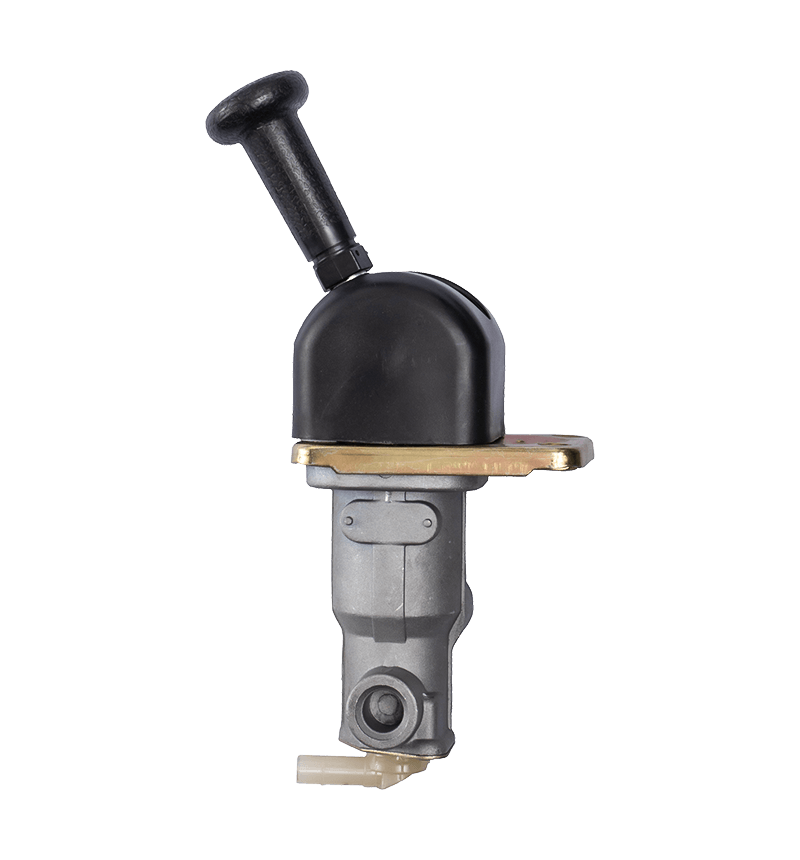 Wholesale Hand Brake Valves Manufacturers, Suppliers, FactoryZhuji Infia Auto Parts Co., Ltd. is China Hand Brake Valves manufacturers and Hand Brake Valves suppliers, our factory wholesale Hand Bra...View Product →
Foot brake valve – Often called a treadle valve, it translates pedal travel and force into air pressure. The driver's foot controls the rate of braking, so a responsive and consistent foot brake valve is essential for safe stop distances. Worn seals and a weak return spring are frequent issues in high-mileage vehicles. If the pedal feels spongy or the brakes engage unevenly, the foot brake valve should be checked before blaming the brake chambers. Our foot brake valve options cover common mounting patterns and pressure ranges for heavy trucks and buses.
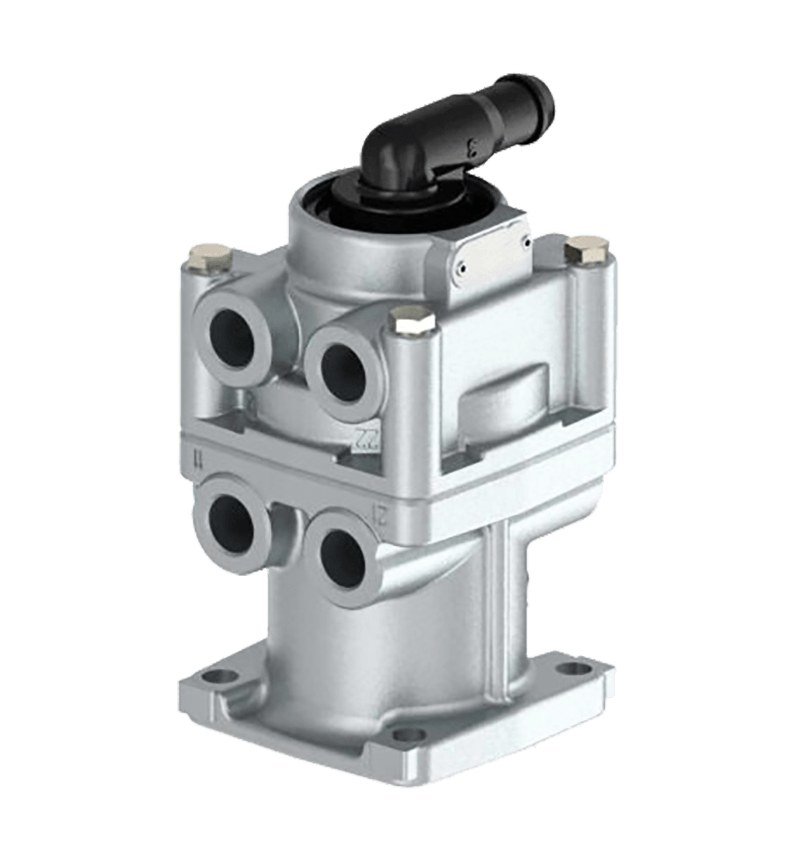 Wholesale Foot Brake Valves Manufacturers, Suppliers, FactoryZhuji Infia Auto Parts Co., Ltd. is China Foot Brake Valves manufacturers and Foot Brake Valves suppliers, our factory wholesale Foot Bra...View Product →
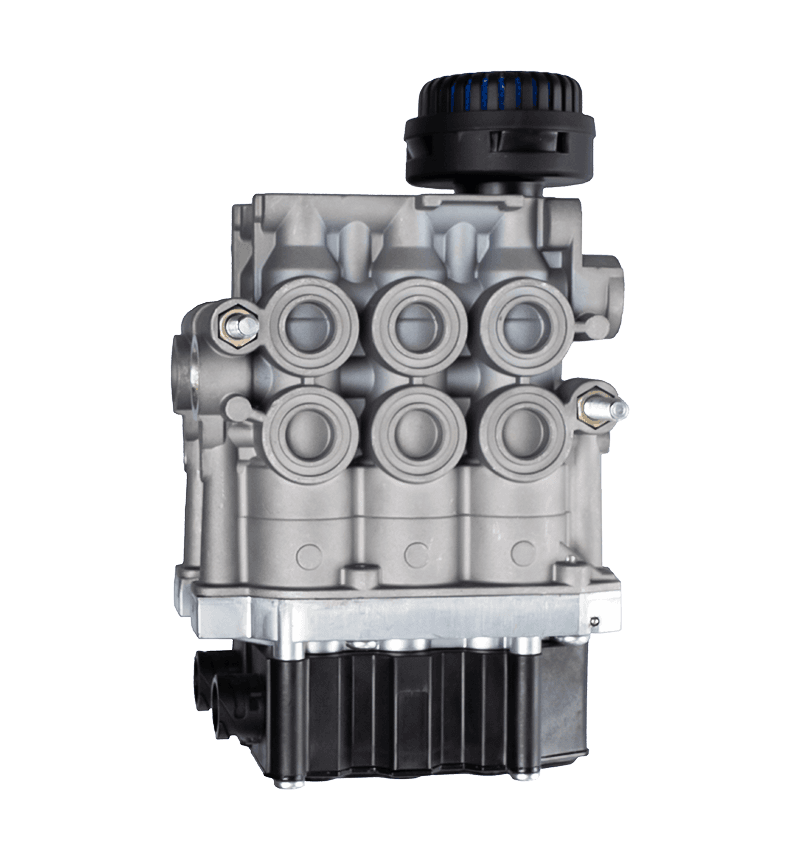
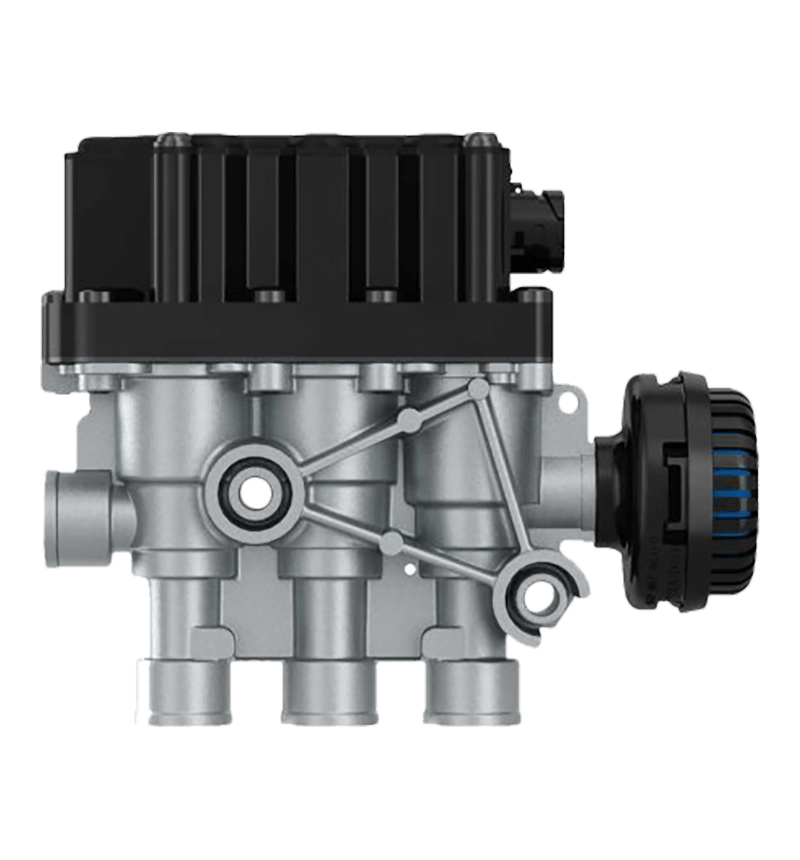
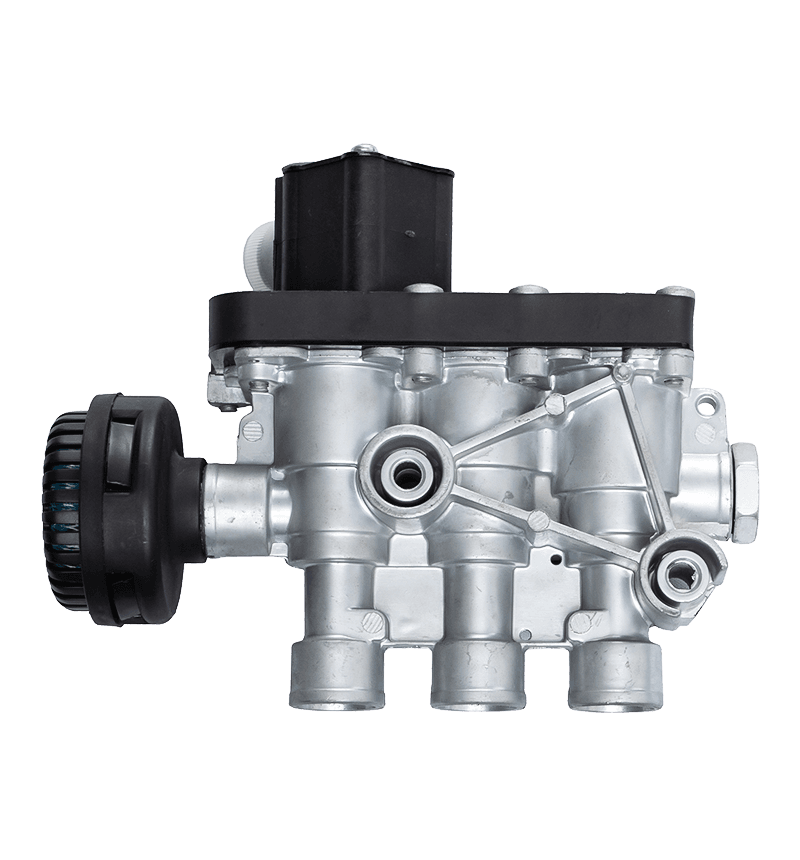
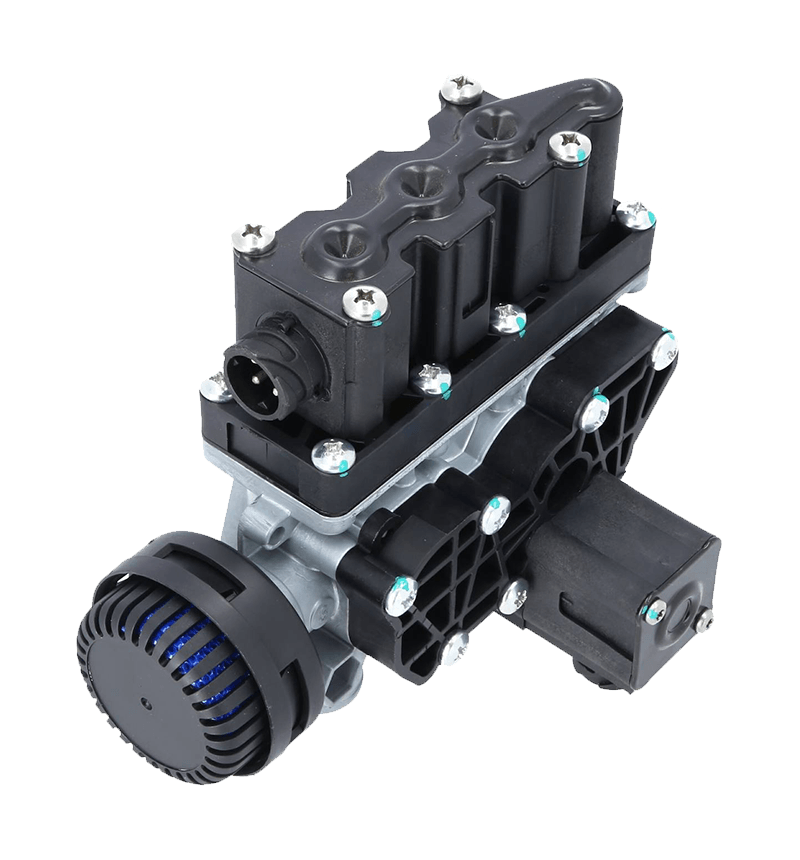
Relay valve – In a long vehicle, air from the cab would take too long to reach the rear brakes. A relay valve mounted near the rear axle uses local air pressure to apply the brakes almost instantly when it receives a small control signal from the foot brake valve. The same valve also vents the brakes quickly when the pedal is released. This makes the relay valve critical for safe response in truck-tractors and trailers. For rapid and consistent braking, look for a relay valve design that matches the port size and pressure rating of your system.
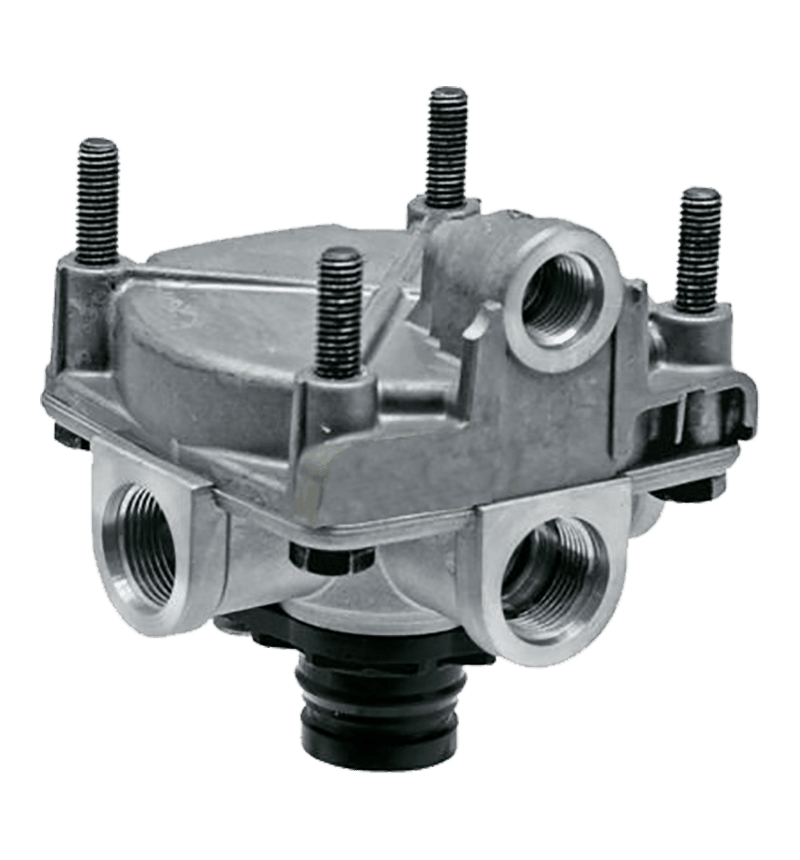 Wholesale Relay Valves Manufacturers, Suppliers, FactoryZhuji Infia Auto Parts Co., Ltd. is China Relay Valves manufacturers and Relay Valves suppliers, our factory wholesale Relay Valves.View Product →
Other types also deserve attention. Quick release valves let rear brakes release faster on vehicles where a relay valve is not necessary. Trailer control valves allow the tractor to control trailer brakes while also providing a separate supply from the trailer protection valve. Protection valves split the air system into independent circuits, so a burst line in the parking brake circuit does not leave you without service brakes. Many fleet managers do not notice these valves until a failure appears, but each one has a clear role in maintaining control.
When you are buying a replacement or specifying a new valve, the first step is not the price list. It is to confirm the operating parameters of your vehicle's air system. Check the maximum air pressure, usually around 120 psi for most commercial trucks, and the port sizes on the existing valve. A valve with the wrong port size can cause a restriction that makes braking slow. Also confirm the mounting pattern; some valves bolt directly to the dash or frame, while others use a bracket.
Response time matters more than many buyers think. In a heavy vehicle, an extra 100 milliseconds of brake lag can add several meters to the stopping distance. Factory-made valves with tight internal tolerances produce more consistent response. This is where supplier experience becomes visible. A manufacturer that produces a wide range of valves understands how each valve interacts with other parts of the system. The ability to develop products from drawings and samples is also valuable, especially for off-highway or non-standard vehicles. When you work with a valve specialist, you avoid guesswork and get parts that fit the application.
Most brake valve failures do not happen without warning. Common signs are air leaks, slow brake release, uneven braking or a pedal that gradually sinks. If you notice any of these, start with a simple pressure check and listen for leaks around the valve body and connections. Soapy water on the suspect fitting can reveal a small leakage faster than a gauge.
Routine maintenance is straightforward: keep the air system clean and dry. Replace the air dryer cartridge according to the manufacturer's schedule, and inspect the optional alcohol evaporator if installed. Check valve mounting bolts for looseness, especially on rough roads. Also, watch the condition of rubber hoses; a collapsed hose can mimic a stuck valve. For a more detailed checklist on the often-neglected foot brake valve, see this practical guide on how to regularly maintain and inspect the foot brake valve.
A vehicle brake valve is a small component with a huge responsibility. It controls the pressure that stops a loaded truck, coordinates trailer brakes and protects the entire pneumatic circuit. When you understand each valve's function, you can identify faults faster, choose the right replacement and avoid costly downtime. As a professional manufacturer focused on brake system valves, our range includes hand brake valves, foot brake valves, relay valves and many related pneumatic components. Whether you need standard parts or a custom design based on your drawing, a specialist supplier can make the difference between a mediocre repair and a reliable one.
 NO. 132 Xingye Road,Fengqiao Town ,Zhuji City,Zhejiang
 +86-13958007768 +86-13655857582
Copyright © Zhuji Infia Auto Parts Co., Ltd. All Rights Reserved.
Wholesale Truck/Bus Brake Parts Suppliers
 English
 Español