E-mail: [email protected]
E-mail: [email protected]Address: NO. 132 Xingye Road,Fengqiao Town ,Zhuji City,Zhejiang
Whatsapp: +86-13958007768
Whatsapp: +86-13655857582




Need Help
+86-13958007768
E-mail: [email protected]
E-mail: [email protected]
Address: NO. 132 Xingye Road,Fengqiao Town ,Zhuji City,Zhejiang
Whatsapp: +86-13958007768
Whatsapp: +86-13655857582
Our team is proud to offer on time guarantee and product guarantee to customer satisfaction.
Read MoreNews
 Home / News / Industry News / Trailer Valves: Selection, Testing, and Maintenance Guide for Air Brake Systems
 2026.10.29
 Industry News
During a loaded descent, a half-second delay in trailer brake application can shift weight forward, overheat the tractor brakes, and add several metres to stopping distance. In many fleets the real culprit is a trailer valve that cannot pass the brake signal quickly enough. The conclusion is straightforward: trailer valves determine how reliably and evenly a trailer brakes, and they deserve the same attention as the brake chambers themselves.
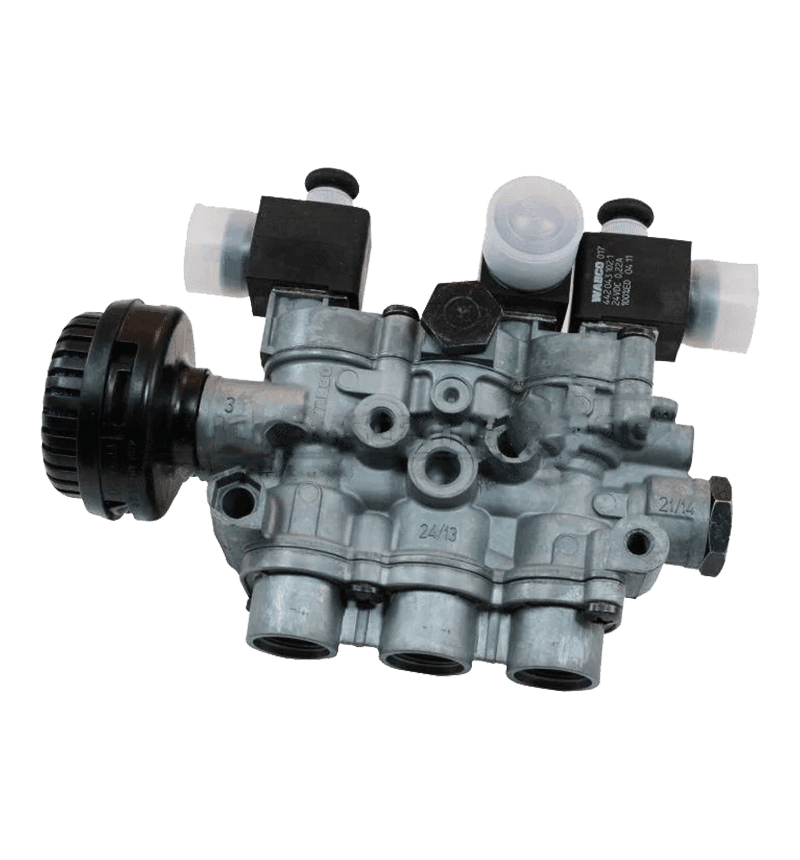
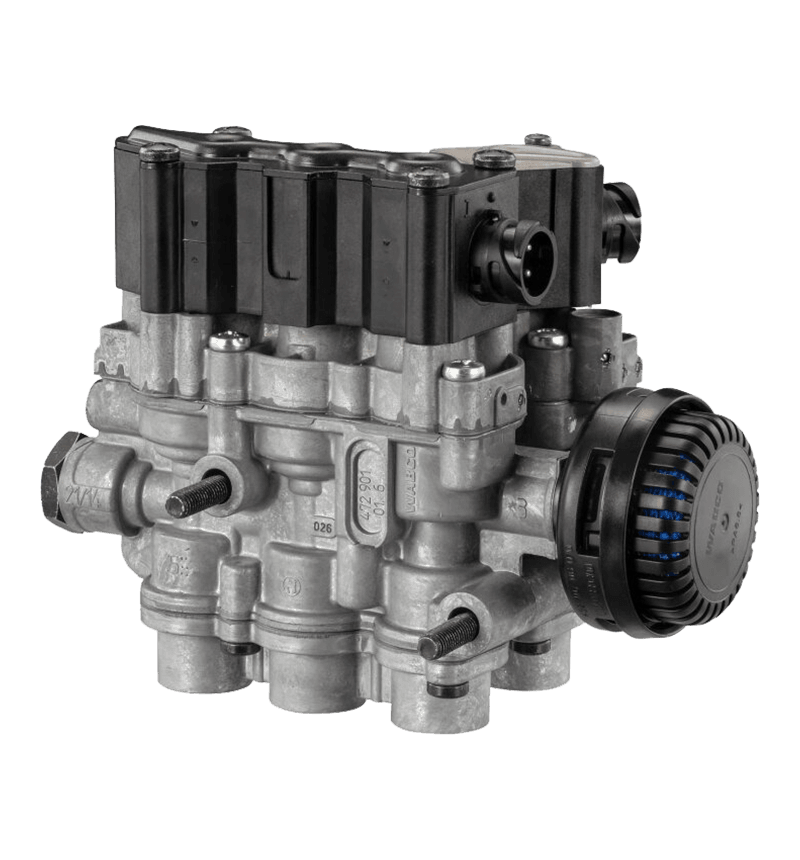
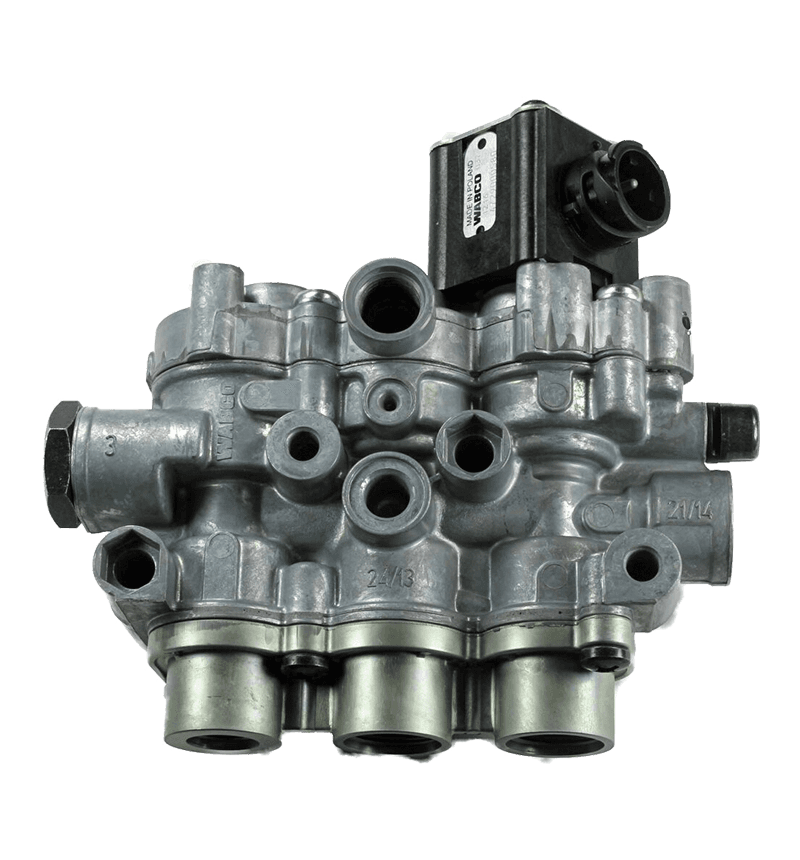
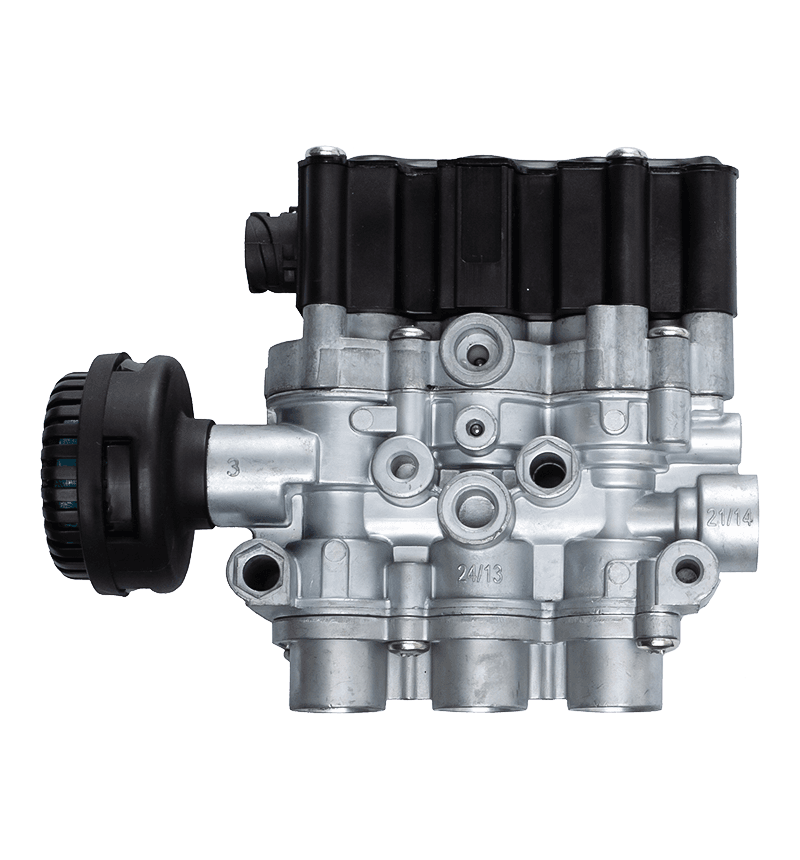
In a commercial vehicle air brake system, the tractor supplies compressed air to the trailer through supply and control lines. The trailer valve family sits between those lines and the trailer's brake chambers. It performs three jobs: it converts the control pressure signal into a pneumatic action, it speeds up brake application and release, and it protects the trailer air reservoir from pressure loss or overpressure.
The supply line normally remains charged at system pressure, while the control line carries a variable pressure that the foot brake or hand brake creates. When the driver brakes, the control pressure rises and acts on the trailer valve. In the case of a trailer control valve, the internal piston compares the control pressure with the trailer reservoir pressure and opens the feed passage to the brake chambers. The closer the valve is to the axle, the shorter the distance the air must travel, which is why relay valves are mounted near the brake chambers.
Because each job is handled by a different type of valve, the term “trailer valve” usually refers to a combination of devices rather than a single part. Specifying the wrong combination can lead to slow brake response, uneven braking, or unintended trailer brake release.
Different trailer configurations need different valve sets. Below is the short list of the most common types, what they do, and what happens when they fail.
| Valve type | Function | Typical failure symptom |
|---|---|---|
| Trailer control valve | Modulates the service brake pressure sent to the trailer based on tractor control pressure. | Slow or weak trailer braking; reduced load feel in the cab. |
| Relay valve | Locates near the trailer axle to shorten brake fill time. | Delayed brake release or application; brake lag. |
| Quick-release valve | Exhausts brake air fast so the brakes release quickly. | Brakes dragging after release; high air consumption. |
| Spring brake valve | Controls parking and emergency spring brake operation. | Parking brake will not hold; inadvertent roll-away. |
| Pressure protection valve | Keeps a minimum pressure in the trailer reservoir and protects the air system. | Trailer reservoir pressure cannot build; compressor cycles too often. |
| Inversion valve | Provides emergency braking if the trailer breaks away. | No emergency brake application on breakaway. |
For most heavy-duty trailers, the relay valve and quick-release valve are the two components that most affect day-to-day brake feel. A relay valve with a large internal flow passage - measured by its Cv value - will fill the brake chambers faster. A quick-release valve with a correctly sized exhaust port will prevent the brakes from dragging.
A typical two-axle semi-trailer may use one trailer control valve, one relay valve per axle, a quick-release valve for the spring brakes, and a pressure protection valve on the reservoir. If the trailer has a lift axle, a separate lift axle valve is added. This combination is what ensures the trailer brakes respond in phase with the tractor on a wet road or during a panic stop.
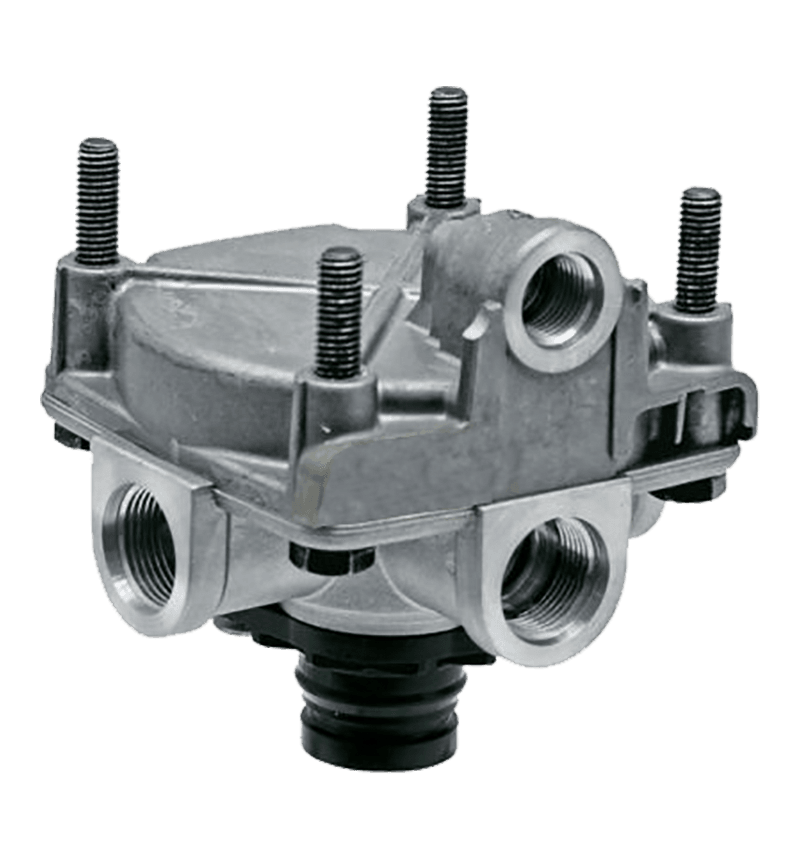 Relay Valves for Truck and Trailer Air Brake SystemsBroad range of relay valves with OEM cross-references for major brands, essential for matching pressure and flow needs in trailer brake setups.View Product →
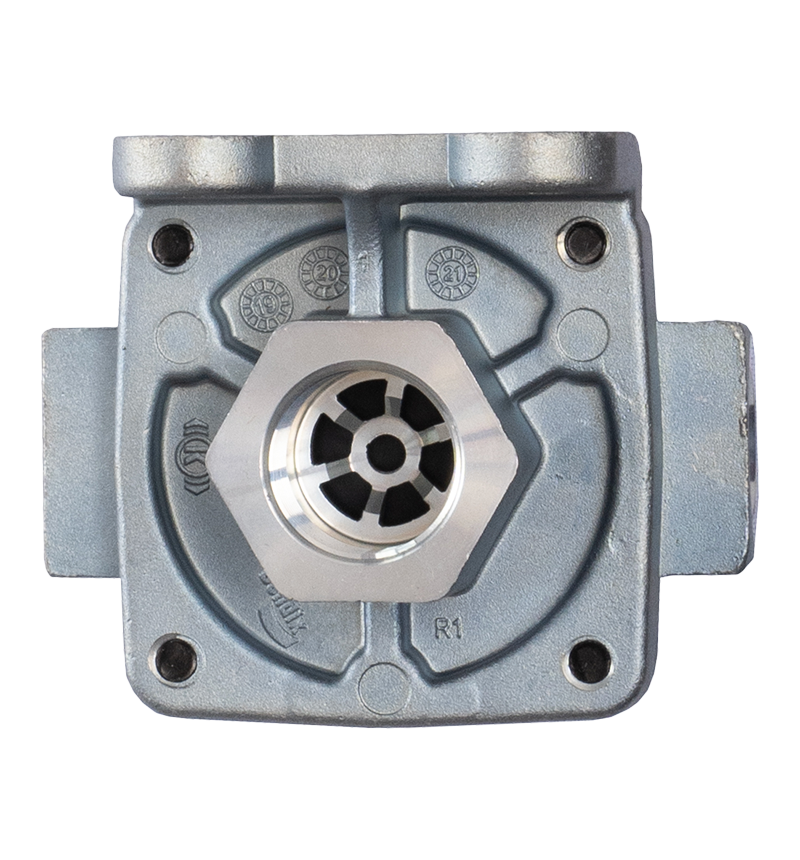 Quick Release Valves for Commercial Vehicle Air BrakesVarious quick release valve models with port sizes and brand compatibility, helping fast brake response and reliable pressure management on trailers.View Product →
The most reliable way to choose a trailer valve is to start with the vehicle's required pressure range and flow capacity, then check the valve's response and leakage performance. Most air brake systems work between 6 and 8.5 bar (87-123 psi), but the valve must tolerate peaks around 10 bar without internal damage.
A trustworthy supplier should be able to supply a drawing, a leak test report, and a cycle test report for each valve. Ask about the body material: aluminium bodies are light but more sensitive to galvanic corrosion; ductile iron bodies are heavier but more resistant. The same valve may be produced with different seal compounds, so confirm which seal is fitted before ordering in large batches.
This list is not a full validation protocol. A practical selection basis for trailer valves should also include burst pressure tests and cycle life data from the manufacturer.
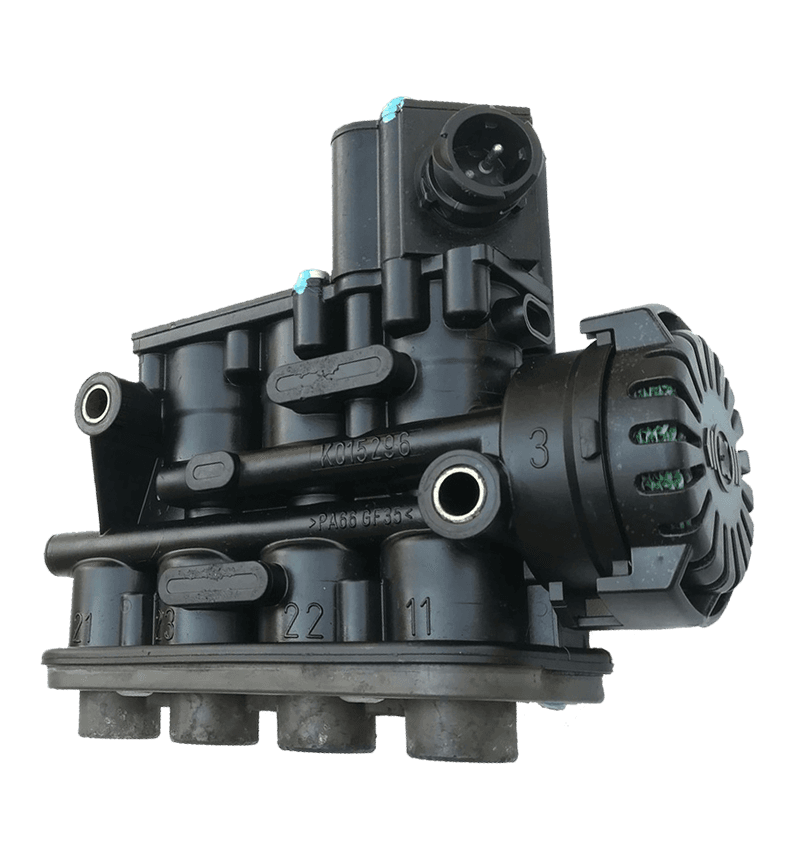
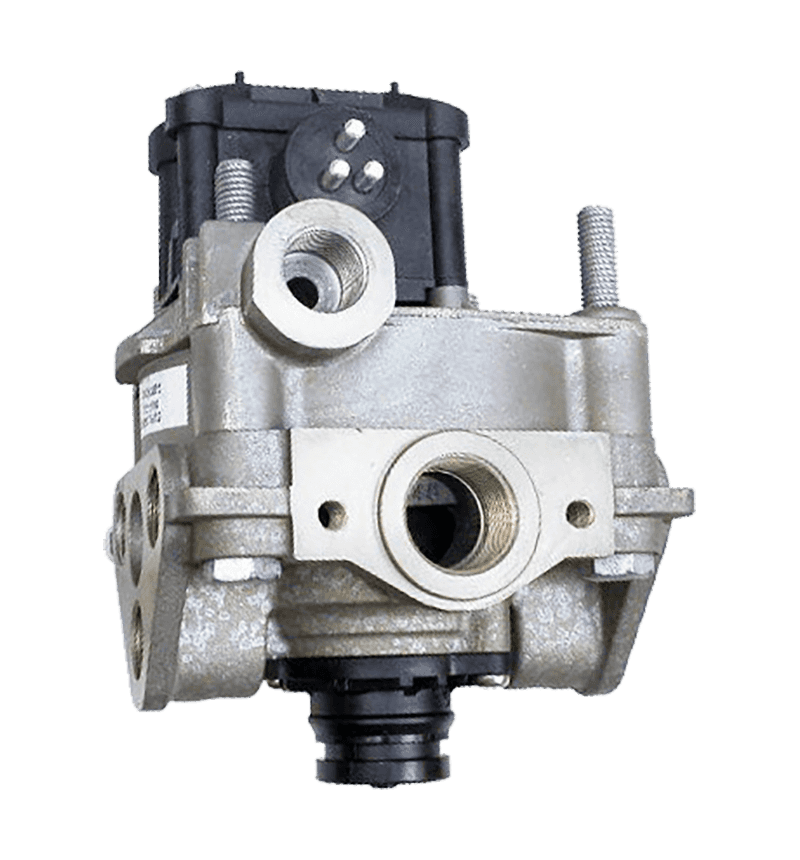
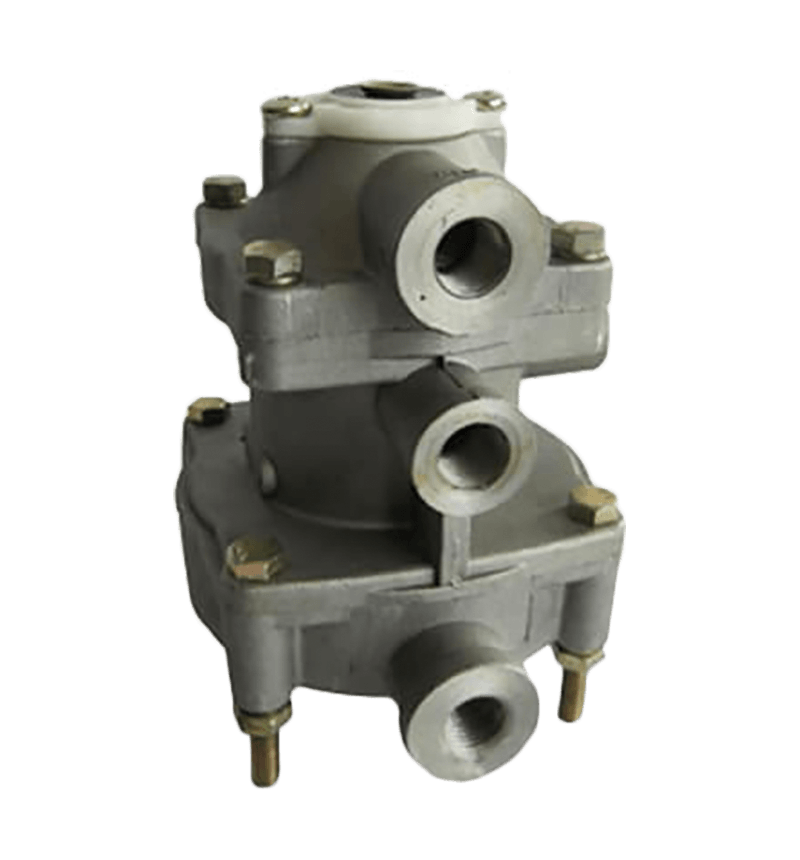 Trailer Control Valves with Multiple Port and Pressure OptionsSelection of trailer control valves with adjustable or fixed pressure settings and OEM numbers, useful for matching exact brake control requirements.View Product →
Most trailer valve failures appear gradually: air leakage, longer brake application time, or a trailer that creeps when parked on a slope. The first sign is usually a drop in reservoir pressure with the engine off. A valve with a leaking diaphragm or worn seal can lose several psi per minute, which is enough to trigger a low-pressure warning.
Preventive maintenance also depends on the air dryer and the other valves upstream. If the air dryer removes water and oil before the air reaches the trailer valve, the valve will last significantly longer. For that reason, maintenance should focus on the whole air system, not only on the valve itself. In fleet operation, inspect trailer valves every 60,000 km or twice a year, whichever comes first. In a severe climate, shorten the interval to once per quarter.
Before fitting a new valve, run three quick checks: static pressure test, response-time test, and leakage test. The static test confirms that the valve maintains pressure when closed. The response-time test measures how quickly the delivery pressure rises after the control signal is sent. The leakage test usually uses the bubble method or a flowmeter to check the exhaust port when the valve is closed.
You can measure response time with a pressure transducer connected to the delivery port and a stopwatch or a data logger. The key parameter is the time from the pressure rise at the control port to 90% of the target delivery pressure. This value changes with the volume of the brake chamber, so record the chamber volume in the test report.
As a general reference, a relay valve on a long trailer should deliver 90% of the control pressure within 0.2 to 0.3 seconds. A quick-release valve should exhaust the brake chamber pressure fast enough to avoid dragging, but not so fast that the exhaust port creates an instability issue.
Selecting a trailer valve is a balance between pneumatic performance, physical fit, and long-term durability. A valve with a high flow coefficient and reliable low-temperature seals will reduce brake lag and maintenance downtime. Before you order, verify bench test data and confirm that the manufacturer can supply the full trailer valve set from one source, as this simplifies spare-part management and warranty claims.
For fleets that buy aftermarket valves, the same logic applies: start with the OEM specification, then choose a supplier that can provide documentation for materials, air leakage, and cycle life. A focused manufacturer, such as Zhuji Infia Auto Parts, can offer a trailer valve range that covers control, relay, and release functions without complicating the supply chain.
 NO. 132 Xingye Road,Fengqiao Town ,Zhuji City,Zhejiang
 +86-13958007768 +86-13655857582
Copyright © Zhuji Infia Auto Parts Co., Ltd. All Rights Reserved.
Wholesale Truck/Bus Brake Parts Suppliers
 English
 Español