E-mail: [email protected]
E-mail: [email protected]Address: NO. 132 Xingye Road,Fengqiao Town ,Zhuji City,Zhejiang
Whatsapp: +86-13958007768
Whatsapp: +86-13655857582




Need Help
+86-13958007768
E-mail: [email protected]
E-mail: [email protected]
Address: NO. 132 Xingye Road,Fengqiao Town ,Zhuji City,Zhejiang
Whatsapp: +86-13958007768
Whatsapp: +86-13655857582
Our team is proud to offer on time guarantee and product guarantee to customer satisfaction.
Read MoreNews
 Home / News / Industry News / Optimizing Fleet Pneumatics: A Technical Analysis of Electronic Air Suspension Solenoid Valves
  2026.07.16
 Industry News
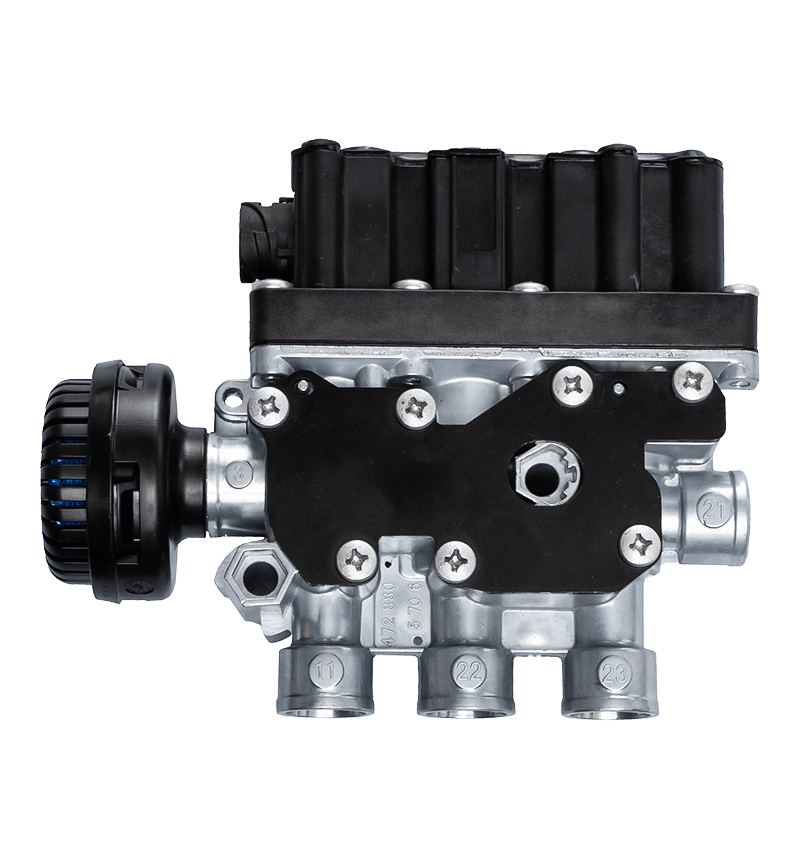
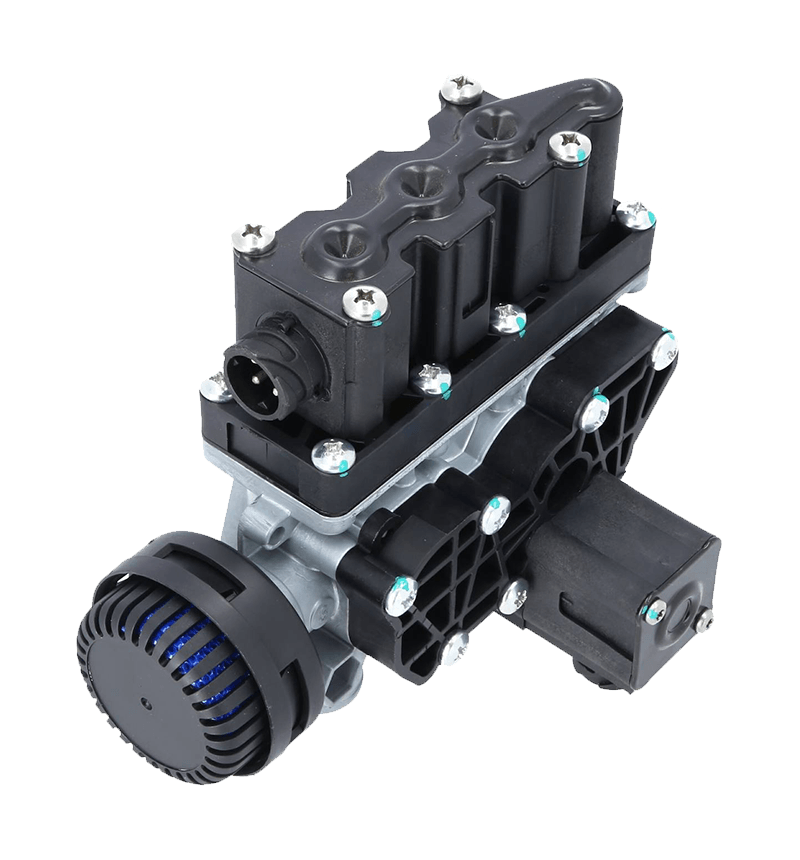
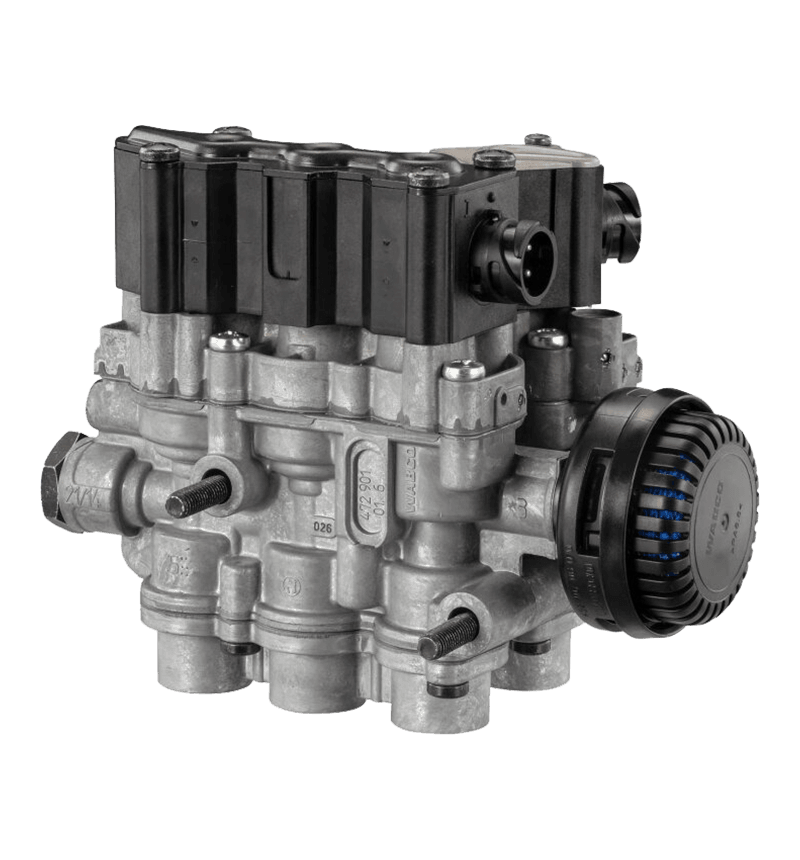
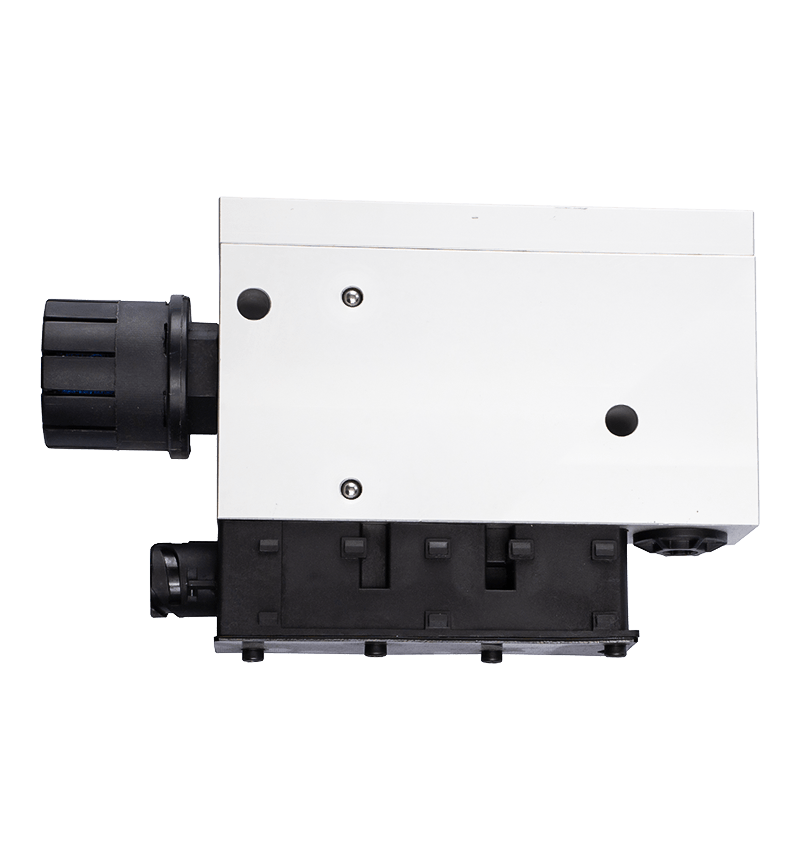
Core Engineering Conclusion: Modern commercial heavy vehicle suspensions rely on pneumatic control precision to maintain stability and cargo protection. Implementing a solenoid-actuated ECAS valve (Electronically Controlled Air Suspension valve) reduces compressed air consumption by up to 25% compared to conventional mechanical leveling valves. By replacing continuous mechanical linkages with electronic height sensors and high-speed solenoid actuation, an ECAS valve eliminates useless air venting caused by axle oscillation during normal highway travel. This increases air compressor efficiency, reduces fuel consumption, accelerates loading dock height adjustments, and offers precise multi-axle load balancing.
In heavy-duty commercial transport, city transit buses, and vocational chassis, maintaining precise vehicle ride height is essential for driveline alignment, rollover stability, and passenger entry. Traditional air suspension systems rely on mechanical height control valves (HCV) connected to the axle via physical linkage rods. When the axle moves vertically, the linkage mechanically opens or closes internal air passages to inflate or deflate the air springs.
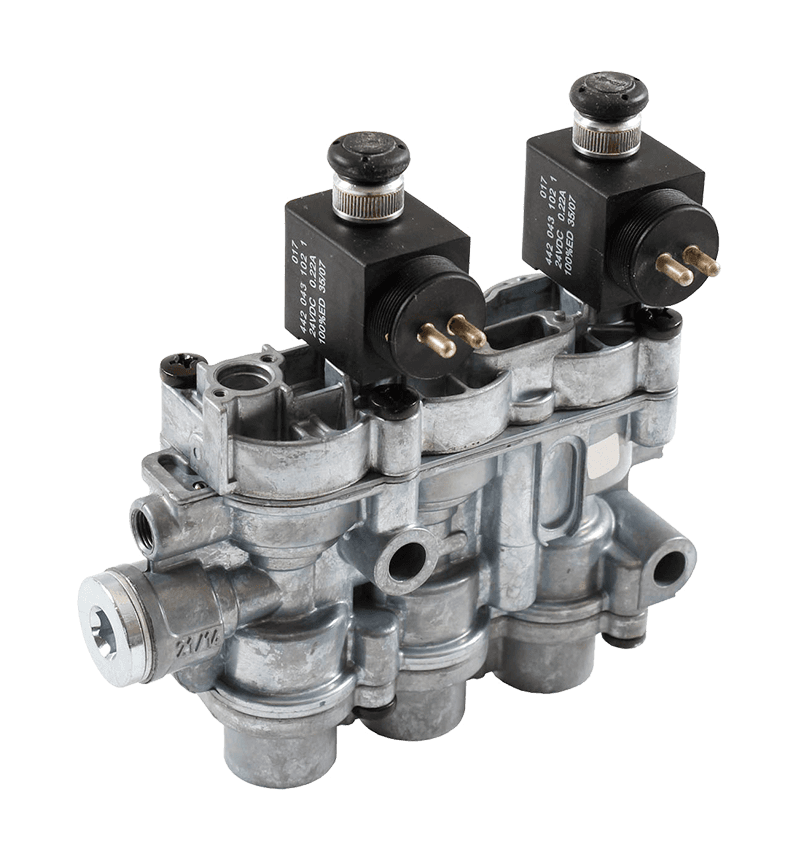
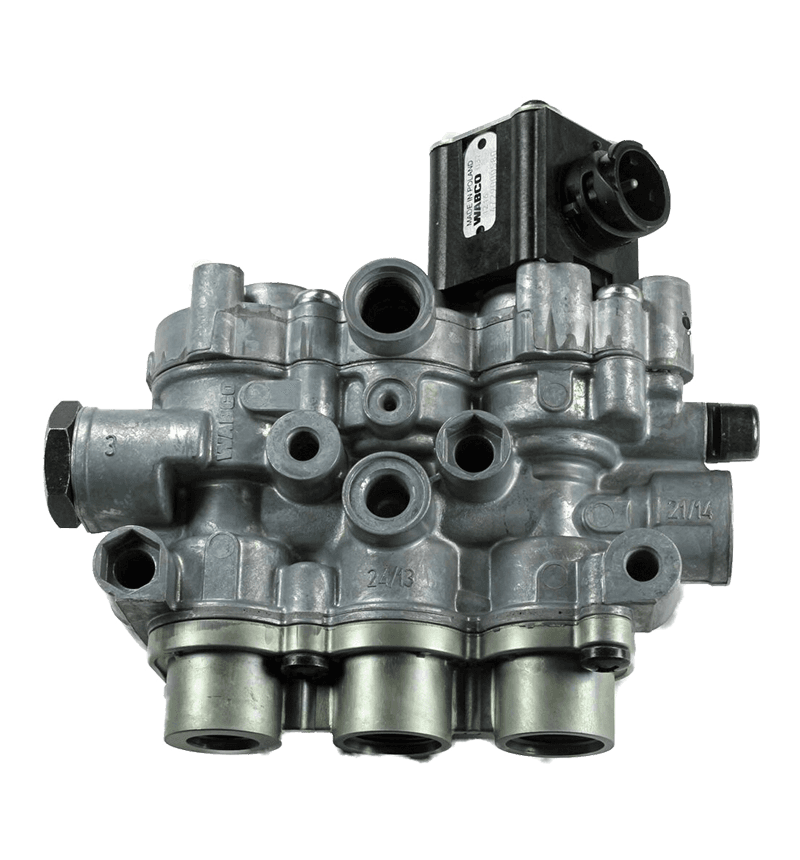
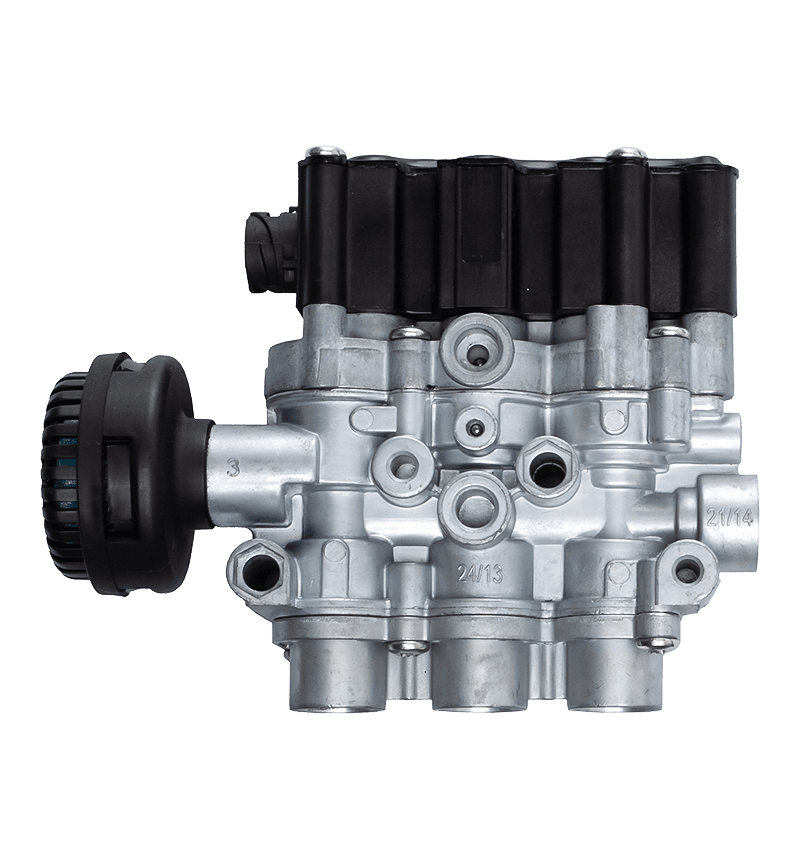
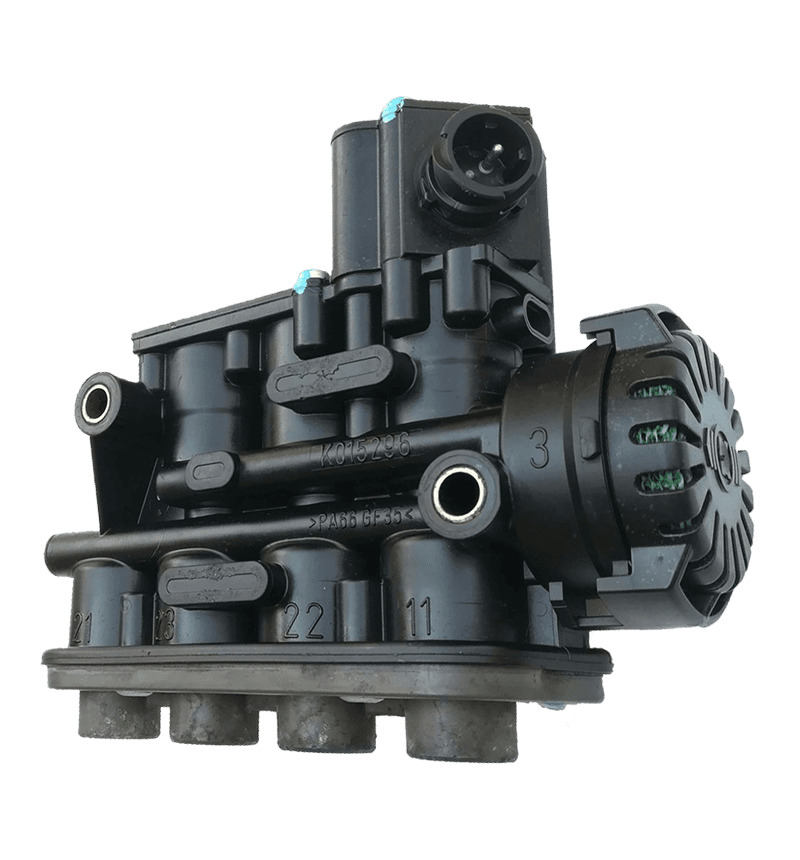
An ECAS valve replaces this mechanical movement with a high-performance electronic solenoid block integrated with a dedicated Electronic Control Unit (ECU) and contactless axle position sensors. When the chassis sensor detects a deviation from nominal ride height, it sends a digital signal to the ECU, which energizes specific high-speed solenoids inside the ECAS valve assembly. This allows pressurized air from the reservoir to flow directly into or out of targeted air bellows within milliseconds, providing precise, digitally regulated suspension control.
For fleet maintenance managers, chassis design engineers, and logistics operations leaders, selecting pneumatic control components requires balancing initial hardware investment against long-term operational costs. The matrix below compares the functional parameters of a multi-channel ECAS valve block against traditional mechanical leveling setups.
| Performance Parameter | Soleno-Actuated ECAS Valve Block | Mechanical Height Control Valve (HCV) |
| Height Adjustment Response Speed | Instantaneous (Digital sensor to solenoid actuation <10 ms) | Lagging (Depends on mechanical rod motion and air flow restriction) |
| Compressed Air Consumption | Low (Software filtering prevents air waste over road bumps) | High (Continuous air charging and venting on uneven roads) |
| Height Control Precision | High (Exact within ±1.0 mm of nominal setpoint) | Moderate (Variance of ±5.0 mm to ±10.0 mm due to linkage play) |
| System Functionality | Multi-height memories, kneeling, roll stability integration | Single fixed ride height setting |
| Auxiliary Axle Lift Control | Integrated directly into the central ECAS valve manifold | Requires additional pneumatic lift valves and pressure switches |
| Diagnostic Capability | Full OBD / CAN bus diagnostic error codes and parameter tuning | Manual mechanical gauge inspection and physical adjustment |
| Vibration & Wear Resistance | High (Solid-state electronics and protected solenoid housing) | Prone to mechanical linkage wear, bending, and bushing degradation |
On heavy commercial vehicles, air compressors are directly driven by the engine crank or auxiliary gear train. Every time compressed air is vented through a leveling valve, the air brake reservoir pressure drops. When tank pressure falls below cut-in threshold (typically 8.5 to 9.5 bar), the engine governor engages the air compressor, adding mechanical parasitic load to the engine and increasing fuel consumption.
Mechanical leveling valves continuously cycle during highway driving. As the axle travels over pavement dips, the mechanical lever opens the vent port on the upstroke and opens the supply port on the downstroke. This generates a continuous loss of pressurized air without changing the vehicle's actual static load state.
In long-haul tractor-trailer testing over 100,000 kilometers, chassis fitted with a multi-channel ECAS valve reduced total air compressor duty cycles from 18% of engine run time down to under 5%. By eliminating useless air exhausting via electronic software dampening, the reduced compressor drag yielded a direct fuel efficiency improvement of approximately 1.2% to 1.5%. For a fleet operating 100 Class 8 tractors running 120,000 km annually, this operational shift saves thousands of liters of diesel fuel each year per vehicle.
Beyond basic ride height regulation, high-value commercial fleet operators demand smart chassis capabilities that reduce turnaround times, protect cargo, and improve driver safety during loading and unloading operations. An integrated ECAS valve acts as the central pneumatic manifold, executing complex multi-chamber pressure adjustments automatically.
Modern commercial vehicles depend on integrated onboard electronics to monitor component health, meet regulatory safety standards, and enable predictive fleet maintenance. An advanced ECAS valve communicates directly with the vehicle chassis network via standard J1939 CAN bus protocols.
This continuous data connection enables significant safety and maintenance benefits:
When specifying chassis air management architecture for new vehicle builds or fleet retrofits, engineering leaders must evaluate operational duty cycles, air delivery demands, and long-term fleet management goals.
Select an Integrated ECAS Valve Architecture when:
Select a Mechanical Leveling Valve Setup when:
 NO. 132 Xingye Road,Fengqiao Town ,Zhuji City,Zhejiang
 +86-13958007768 +86-13655857582
Copyright © Zhuji Infia Auto Parts Co., Ltd. All Rights Reserved.
Wholesale Truck/Bus Brake Parts Suppliers
 English
 Español