E-mail: [email protected]
E-mail: [email protected]Address: NO. 132 Xingye Road,Fengqiao Town ,Zhuji City,Zhejiang
Whatsapp: +86-13958007768
Whatsapp: +86-13655857582




Need Help
+86-13958007768
E-mail: [email protected]
E-mail: [email protected]
Address: NO. 132 Xingye Road,Fengqiao Town ,Zhuji City,Zhejiang
Whatsapp: +86-13958007768
Whatsapp: +86-13655857582
Our team is proud to offer on time guarantee and product guarantee to customer satisfaction.
Read MoreNews
 Home / News / Industry News / Can the ECAS Valve precisely adjust the suspension height according to changes in vehicle load?
  2026.01.15
 Industry News
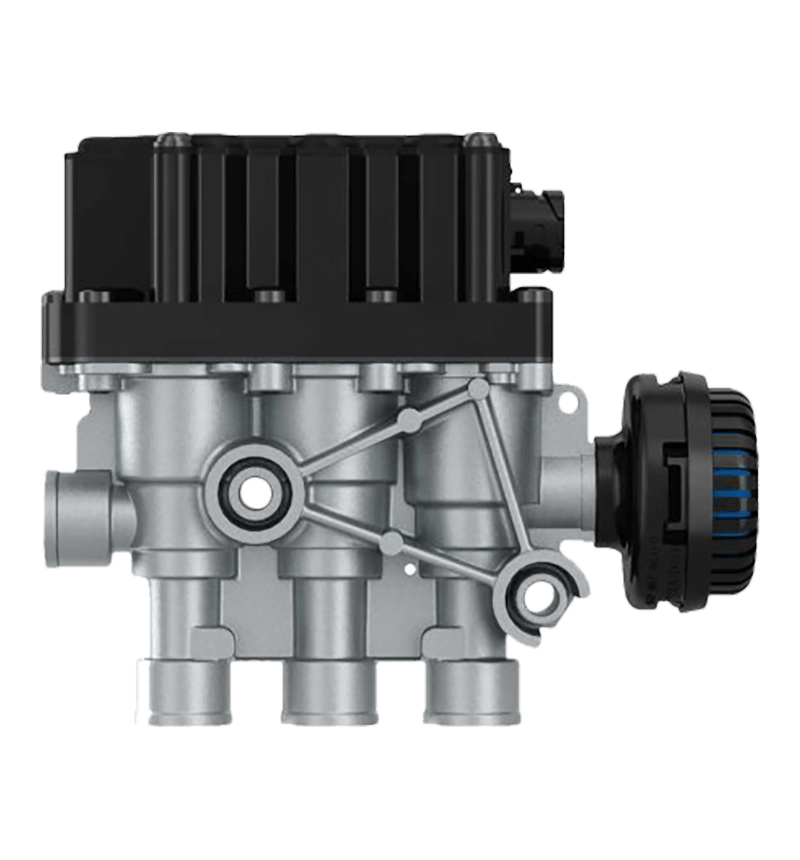
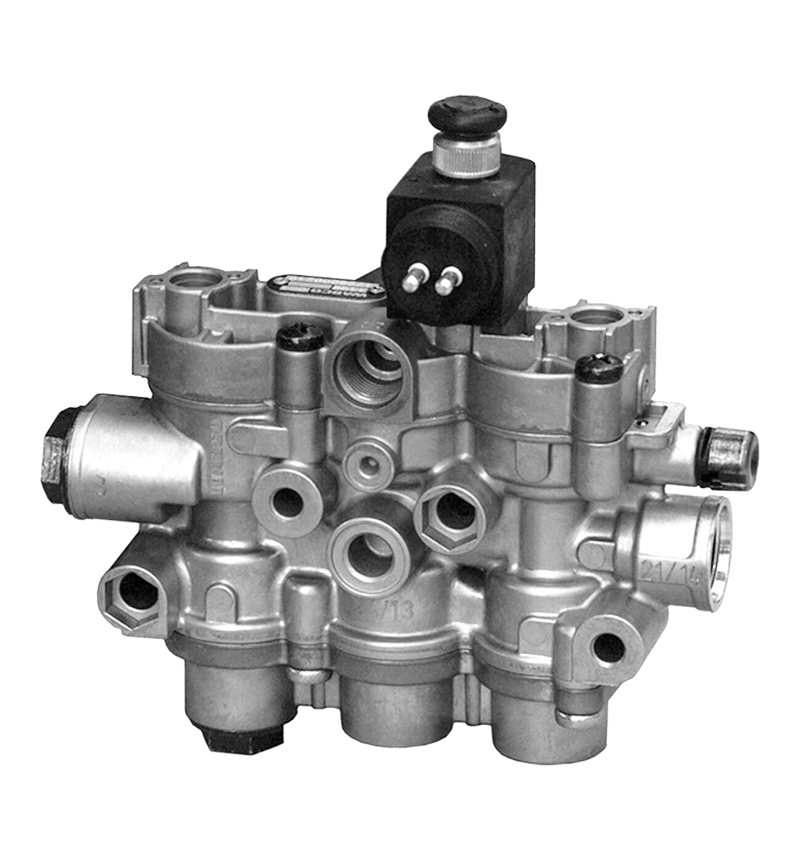
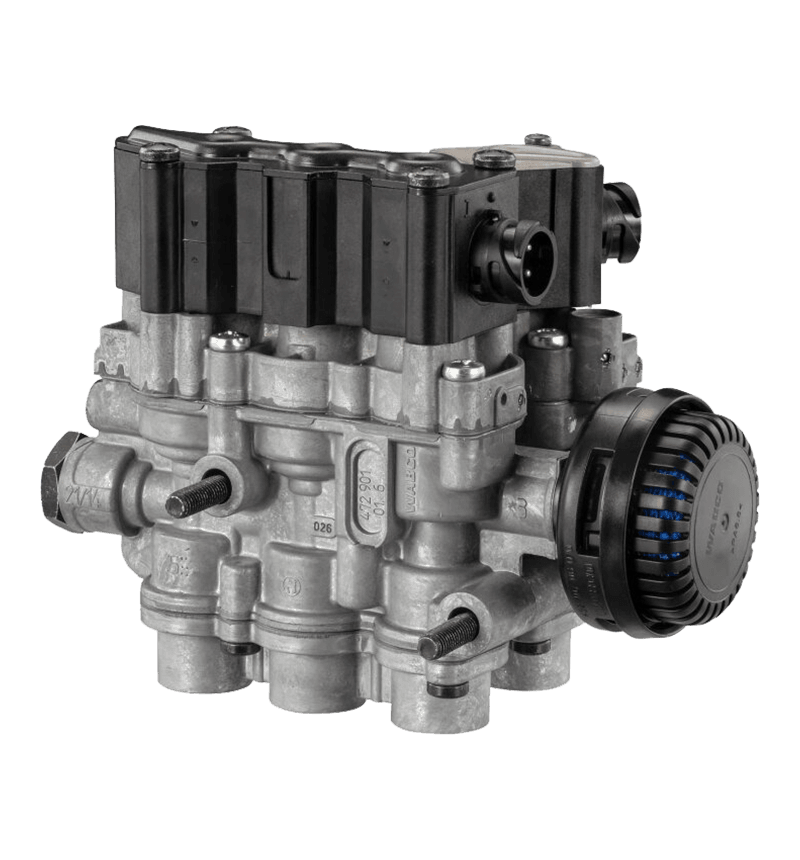
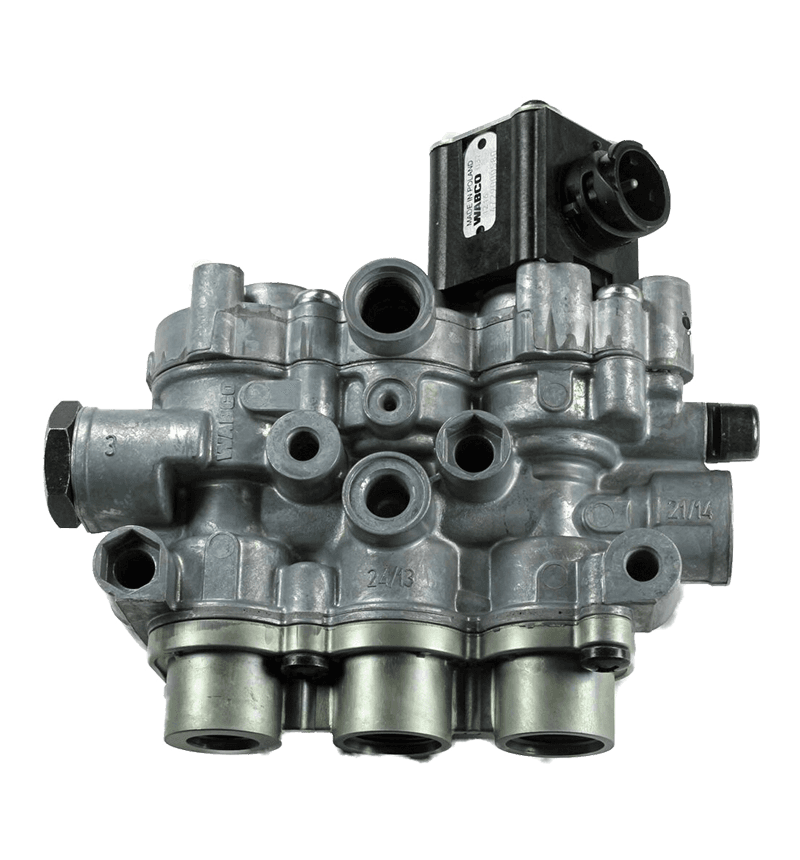
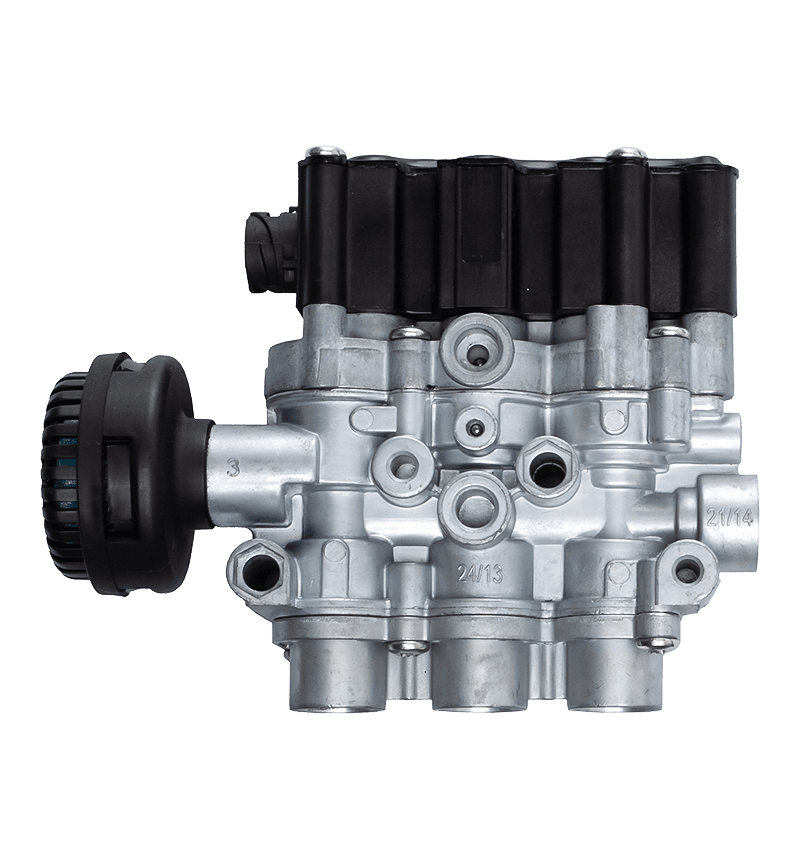
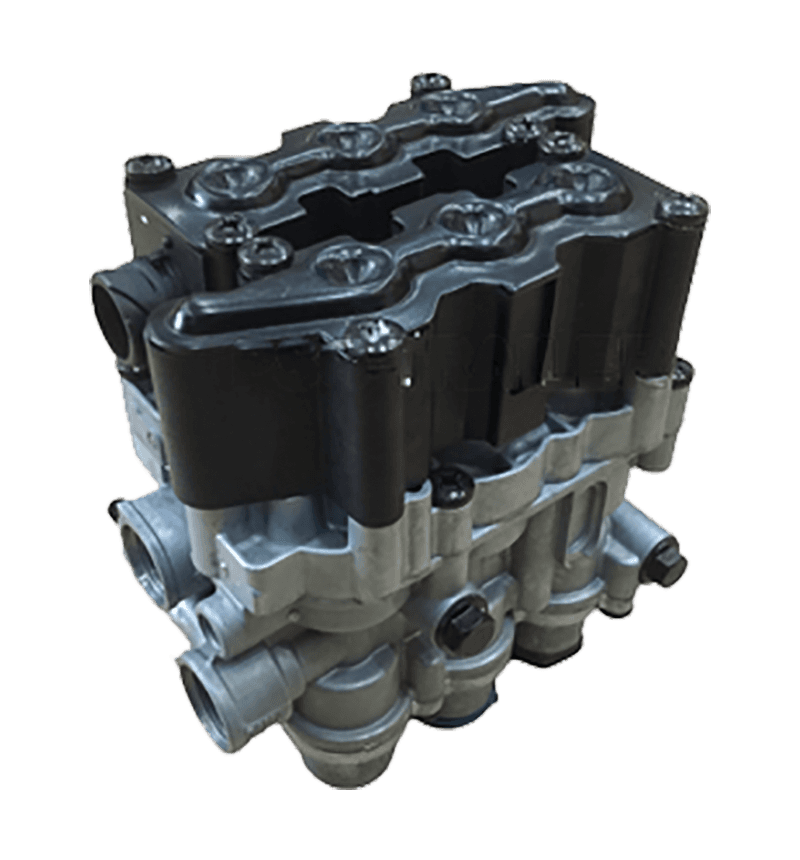
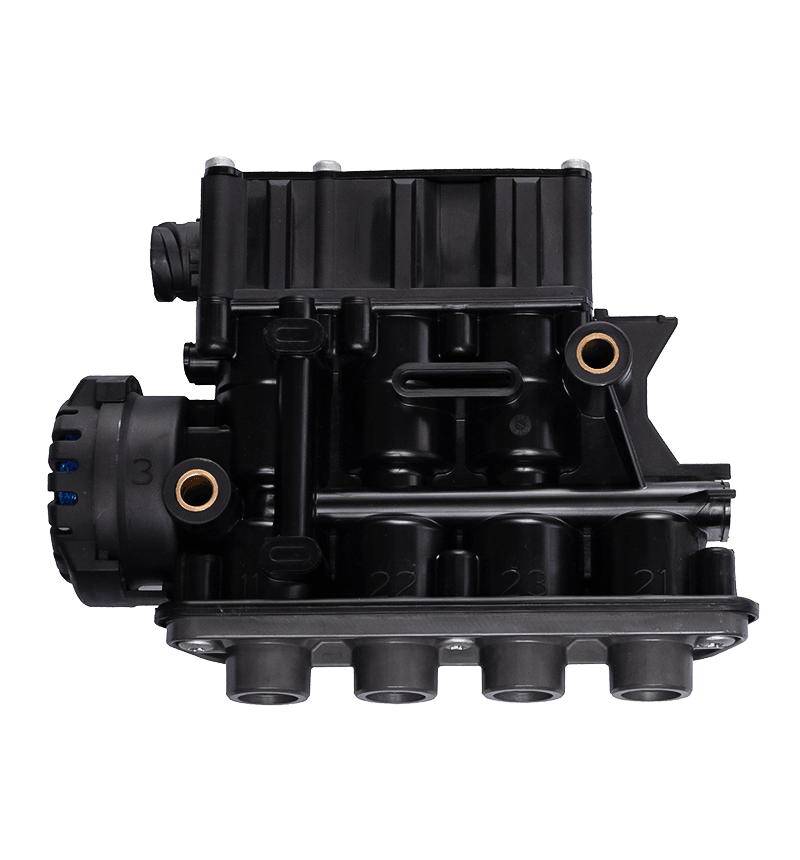
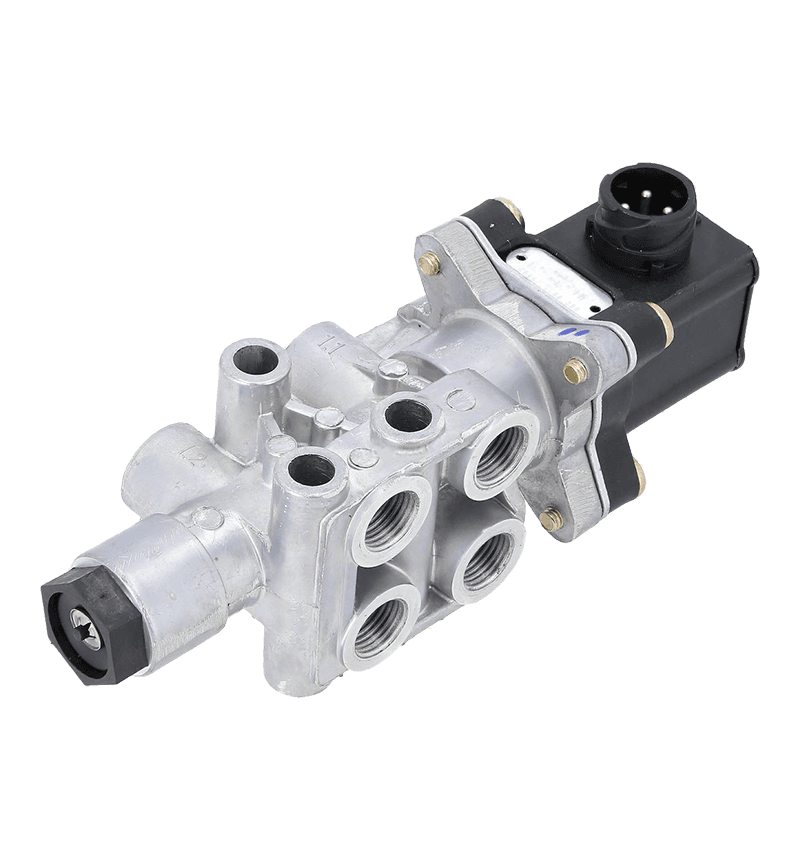
The ECAS (Electronic Control Air Suspension) valve is a vital component in modern air suspension systems, particularly in commercial vehicles, trucks, and buses. It is designed to automatically adjust the vehicle's suspension height to maintain optimal ride quality and performance, regardless of changes in load. The purpose of air suspension systems is to provide better comfort, handling, and stability by using air springs instead of traditional metal coils or leaf springs. The ECAS valve plays a crucial role in these systems by regulating the flow of air into and out of the suspension airbags. This regulation allows the vehicle's suspension height to adjust precisely, providing a more consistent ride even as the load on the vehicle changes.
The primary function of the ECAS valve is to control the air suspension system’s height by managing the air pressure in the suspension airbags. These airbags are inflated or deflated based on the load carried by the vehicle, and the ECAS valve ensures that the suspension height is adjusted accordingly. When a vehicle carries a heavy load, the suspension system needs to lower the vehicle to maintain balance and stability. Conversely, when the load is lighter, the suspension system raises the vehicle to ensure a level and smooth ride.
To achieve this, the ECAS valve is integrated into the vehicle’s suspension control system, which includes sensors that continuously monitor the vehicle’s ride height. The ECAS valve receives input from these sensors and uses this data to make adjustments in real-time. It typically works by releasing or adding air into the air suspension system, either inflating or deflating the airbags to achieve the desired height. This automatic adjustment provides a consistent ride quality, regardless of changes in the vehicle’s load or the condition of the road.
One of the key benefits of the ECAS valve is its ability to compensate for load changes automatically. When a vehicle’s load increases, the weight causes the suspension to compress, potentially lowering the vehicle's ride height. If the suspension height is too low, it can affect the vehicle's handling and ground clearance, which could be dangerous, especially on uneven or rough roads. The ECAS valve detects the decrease in height and compensates by inflating the airbags to raise the suspension back to the optimal level.
Conversely, when the vehicle's load is reduced, the suspension height may increase. This increase in height can affect ride comfort and handling, as a higher suspension may result in a bouncier, less stable ride. The ECAS valve can adjust the suspension height by deflating the airbags, bringing the suspension back to its ideal position. This dynamic adjustment ensures that the vehicle maintains a level and consistent ride height, regardless of fluctuations in load or the road surface.
One of the most critical aspects of the ECAS valve is its ability to adjust the suspension height with a high degree of precision. The valve uses sensors that continuously monitor the vehicle's ride height, providing real-time data to the electronic control unit (ECU). This system ensures that any changes in load or suspension height are quickly detected, and the ECAS valve responds by adjusting the air pressure in the airbags. Because the sensors are constantly monitoring the suspension, the valve can make continuous, small adjustments that maintain a precise ride height.
The precision of the ECAS valve is influenced by the quality and sensitivity of the sensors, as well as the control algorithms used to process the sensor data. Advanced algorithms ensure that the ECAS valve makes the appropriate adjustments based on the vehicle's weight distribution, the load it is carrying, and the desired ride height. This level of precision provides significant benefits, especially in commercial vehicles where consistent ride height and load distribution are essential for stability and safety.
While the ECAS valve is designed to provide precise adjustments to suspension height, several factors can influence its performance. These factors include the type and condition of the suspension system, the weight of the vehicle and its load, environmental conditions, and the maintenance of the ECAS components.
One of the primary factors affecting the performance of the ECAS valve is the weight distribution of the vehicle. For example, if the load is not evenly distributed, certain areas of the suspension system may experience more compression than others. The ECAS system compensates for these changes, but uneven load distribution may require more frequent or larger adjustments. In such cases, it is important for the ECAS valve to respond quickly and precisely to prevent any imbalance in the vehicle’s ride height.
Environmental conditions, such as temperature, can also impact the performance of the ECAS valve. Extreme cold or hot temperatures can affect the air pressure in the suspension system, as air tends to contract in cold conditions and expand in hot conditions. The ECAS valve must be able to compensate for these temperature fluctuations to maintain consistent ride height. Similarly, humidity levels and road conditions, including rough or uneven surfaces, can affect how the suspension responds to changes in load. The ECAS valve must adapt to these conditions to ensure the vehicle remains stable and comfortable.
Proper maintenance is essential for ensuring that the ECAS valve continues to function as intended. Over time, components such as sensors, valves, and air springs may wear out or become clogged, affecting the ability of the ECAS system to make precise adjustments. Regular inspection and maintenance of the ECAS system help to identify and address any issues before they affect performance, ensuring the suspension height remains precise even with changes in load.
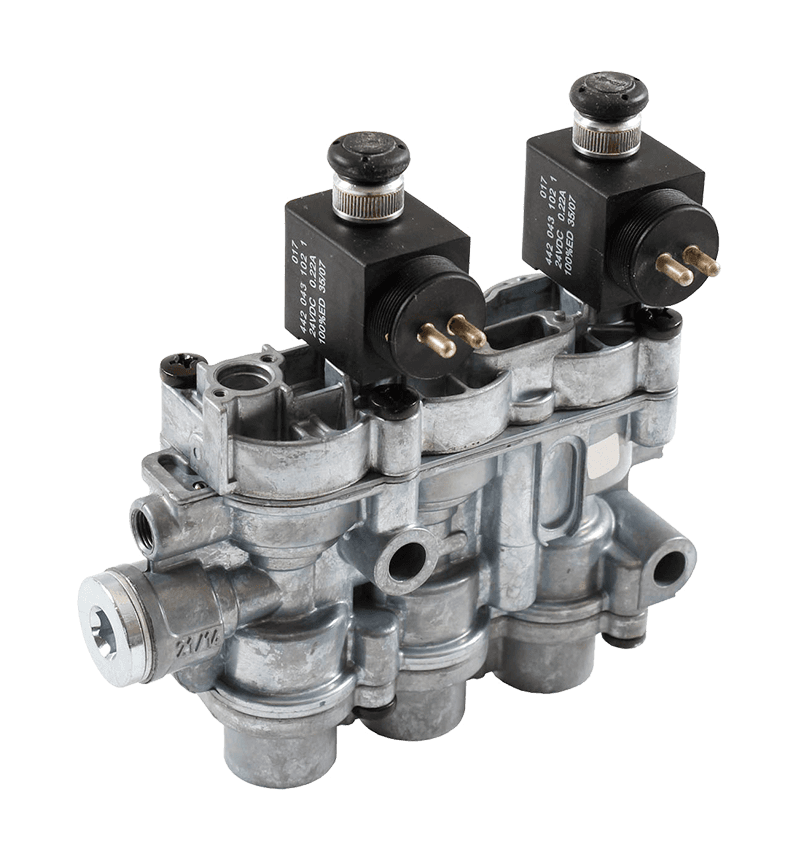
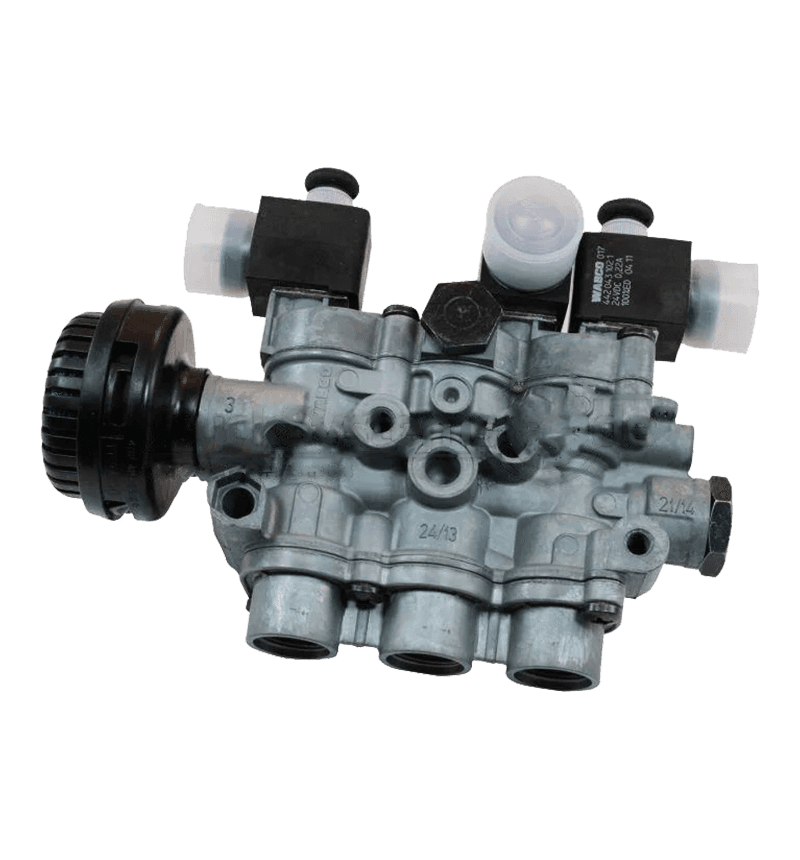
There are several types of ECAS valves, each designed to suit different vehicle applications and suspension configurations. The most common types are single-valve systems and dual-valve systems. Single-valve systems are typically used in vehicles with simpler suspension setups, while dual-valve systems are often employed in more complex vehicles, such as trucks and buses, which require more sophisticated control over the suspension height.
In a single-valve system, the ECAS valve controls the air pressure in the suspension system using a single input and output port. This type of valve is more straightforward and typically found in lighter vehicles or vehicles with less complex load management needs. The single-valve ECAS system adjusts the suspension height by inflating or deflating the airbags as needed, based on the data received from the sensors.
Dual-valve systems, on the other hand, offer more control by using two separate valves for each side of the suspension system. This allows for more precise adjustments, especially in vehicles with multiple axles or uneven weight distribution. In these systems, one valve controls the front suspension, while the other controls the rear suspension. This enables the ECAS system to make independent adjustments to each part of the vehicle, improving the overall stability and ride comfort. Dual-valve systems are typically more complex but offer more flexibility in adjusting the suspension height based on the vehicle's load distribution.
For the ECAS valve to perform optimally, it must be properly calibrated to the vehicle's specifications. Calibration involves adjusting the valve's settings to ensure that the suspension height remains at the correct level under varying load conditions. The calibration process typically involves setting the reference ride height, which is the ideal suspension height for the vehicle when it is empty or loaded to its maximum capacity.
Once the reference ride height is set, the ECAS valve uses the sensor data to make adjustments as the load changes. Calibration ensures that the valve can respond accurately to small changes in load, allowing the system to make precise adjustments to maintain the desired height. In addition to the reference ride height, the calibration process also involves setting the pressure range for the airbags to ensure that the suspension system remains responsive to changes in load while preventing overinflation or underinflation of the airbags.
Calibrating the ECAS system is typically performed during vehicle assembly or after major maintenance, such as when replacing air springs or sensors. However, regular calibration checks may be necessary to ensure that the valve continues to make precise adjustments to the suspension height over time. If the ECAS valve is not properly calibrated, the suspension may not respond correctly to load changes, which could result in an uneven or unstable ride.
The ability of the ECAS valve to precisely adjust the suspension height in response to load changes offers several benefits for vehicle performance, safety, and comfort. One of the primary advantages is improved ride quality. By maintaining a consistent suspension height, the ECAS system helps prevent the vehicle from sagging or bouncing excessively, even when the load fluctuates. This results in a smoother, more stable ride, which is especially important for commercial vehicles that carry heavy or varying loads.
Another benefit is enhanced safety. By ensuring that the vehicle’s suspension remains at the correct height, the ECAS valve helps maintain optimal handling and stability, even during turns or when driving over uneven terrain. Proper suspension height also helps to prevent excessive wear on the suspension components, improving the vehicle's overall longevity and reducing maintenance costs.
Additionally, the ECAS system improves load management. By automatically adjusting the suspension height, the ECAS valve helps ensure that the vehicle remains balanced, even when the load is distributed unevenly. This contributes to better tire wear, reduced stress on the vehicle's frame, and more consistent braking and acceleration performance.
While ECAS valves offer significant advantages in load adjustment, there are some challenges and limitations to consider. One challenge is the complexity of the system. ECAS valves rely on sensors, electronic control units, and pneumatic components, all of which need to function together seamlessly. Any failure in one of these components can affect the entire system, leading to inaccurate suspension height adjustments or complete suspension failure. As such, the ECAS system requires regular maintenance and inspection to ensure its continued effectiveness.
Another limitation is the dependency on air pressure. Air suspension systems, including those with ECAS valves, rely on a consistent and reliable source of compressed air. If there is an issue with the air compressor or air leaks in the system, the ECAS valve may not be able to adjust the suspension height effectively. This highlights the importance of maintaining the entire air suspension system, including the compressor and air lines, to ensure that the ECAS valve can operate as intended.
Lastly, while the ECAS valve can adjust the suspension height with a high degree of precision, it may not be able to compensate for all types of load imbalances. In cases of extreme weight distribution or unusually heavy loads, additional adjustments may be necessary, such as manually redistributing the load or adding extra support to the suspension system.
 NO. 132 Xingye Road,Fengqiao Town ,Zhuji City,Zhejiang
 +86-13958007768 +86-13655857582
Copyright © Zhuji Infia Auto Parts Co., Ltd. All Rights Reserved.
Wholesale Truck/Bus Brake Parts Suppliers
 English
 Español