E-mail: [email protected]
E-mail: [email protected]Address: NO. 132 Xingye Road,Fengqiao Town ,Zhuji City,Zhejiang
Whatsapp: +86-13958007768
Whatsapp: +86-13655857582




Need Help
+86-13958007768
E-mail: [email protected]
E-mail: [email protected]
Address: NO. 132 Xingye Road,Fengqiao Town ,Zhuji City,Zhejiang
Whatsapp: +86-13958007768
Whatsapp: +86-13655857582
Our team is proud to offer on time guarantee and product guarantee to customer satisfaction.
Read MoreNews
 2026.01.22
 Industry News
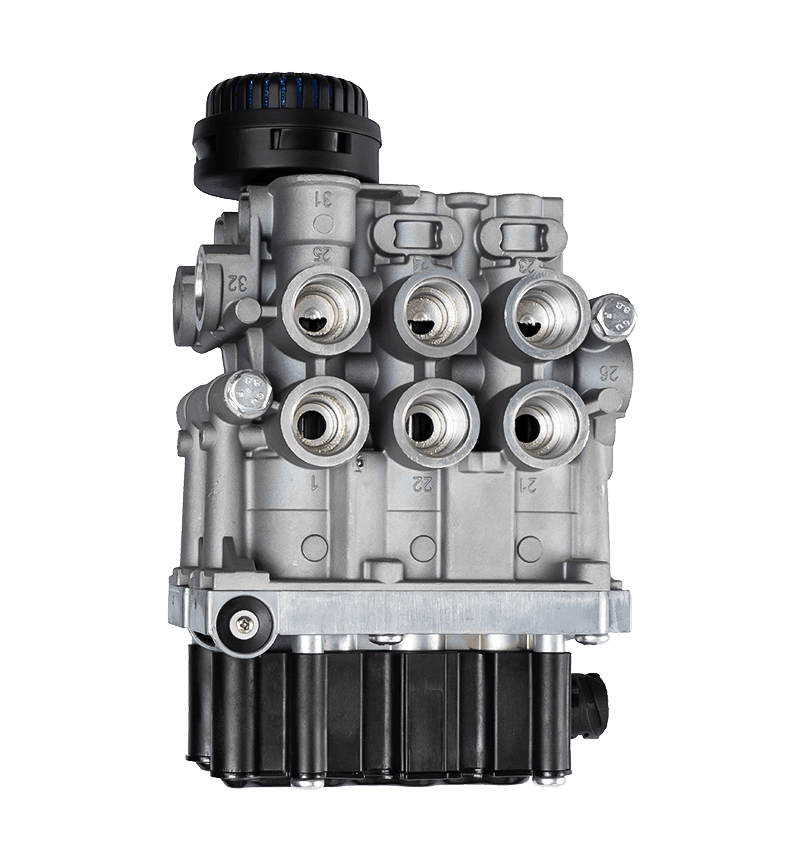
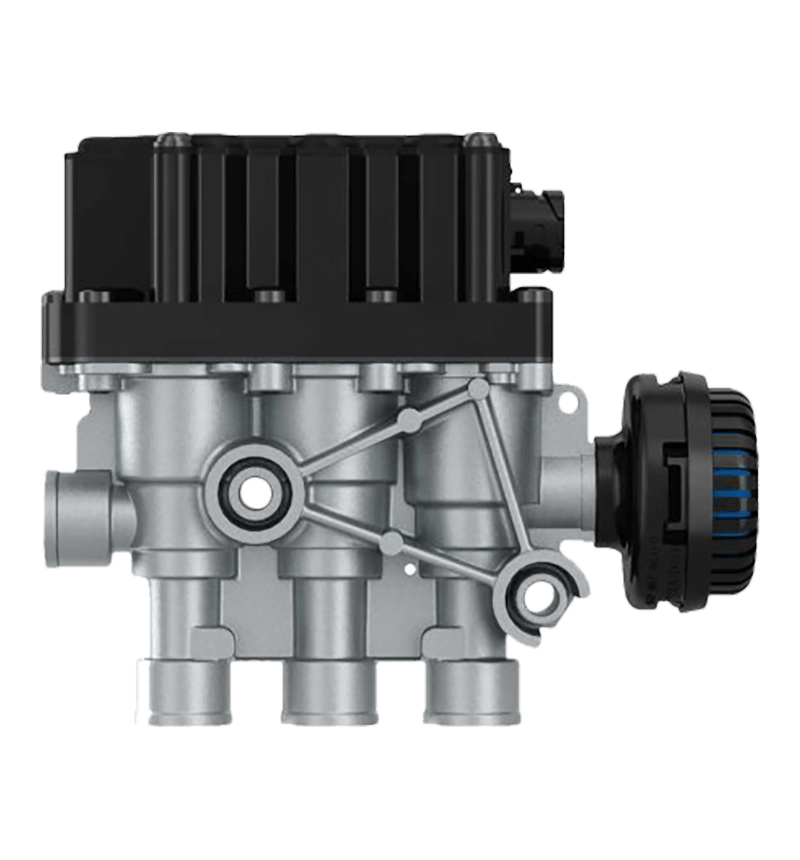
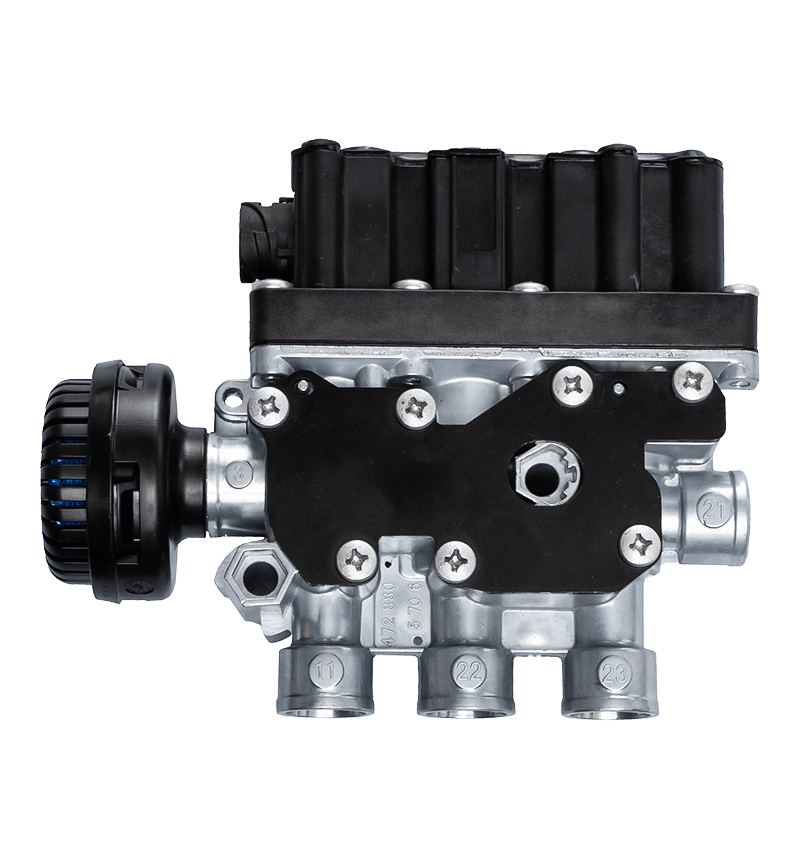
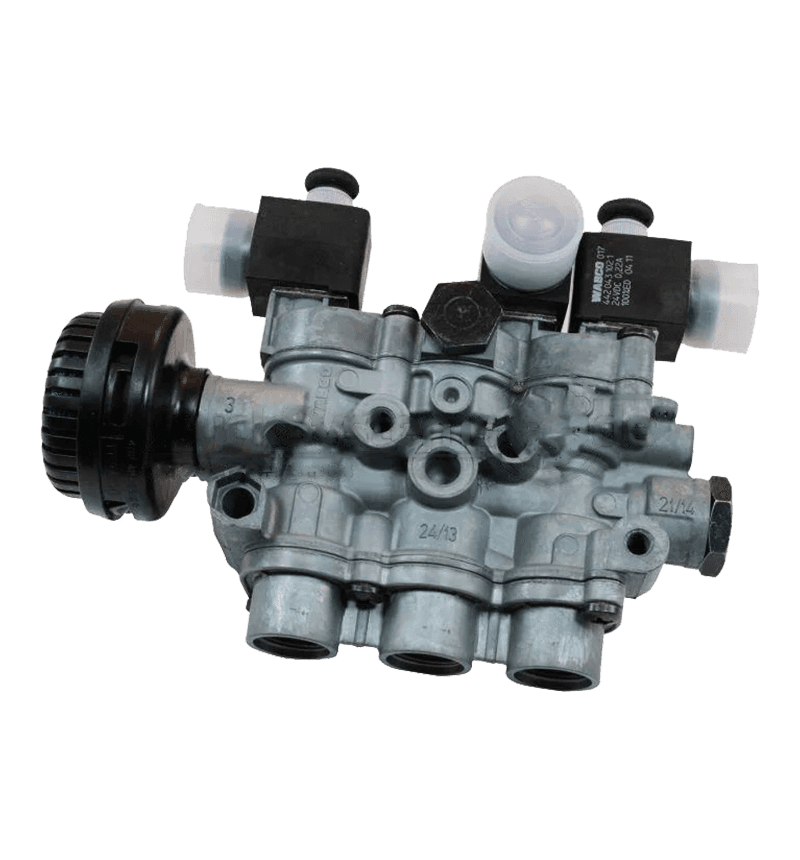
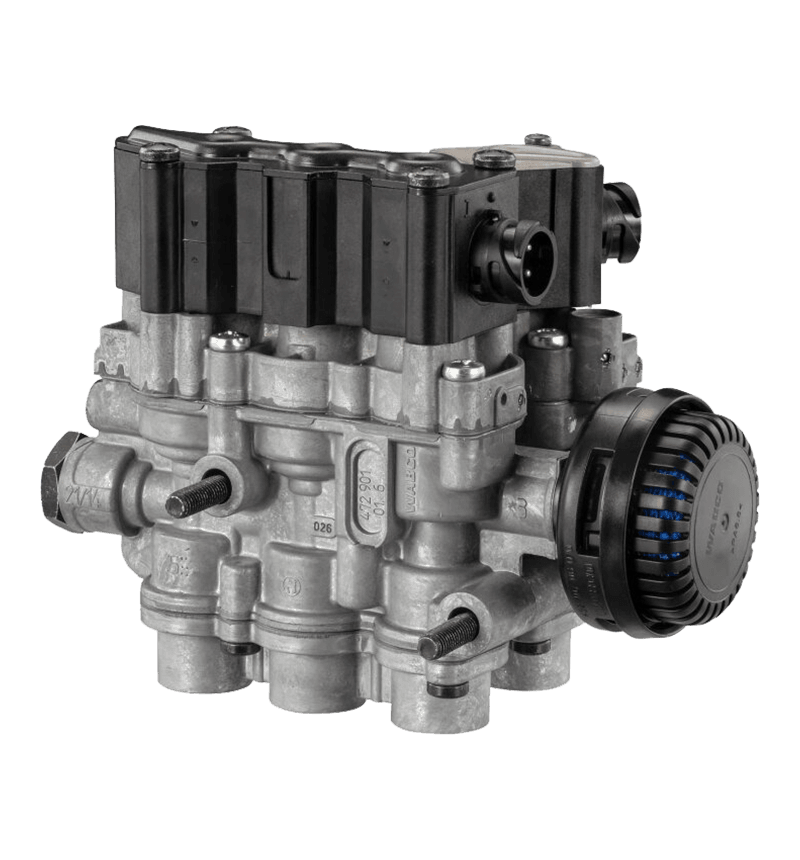
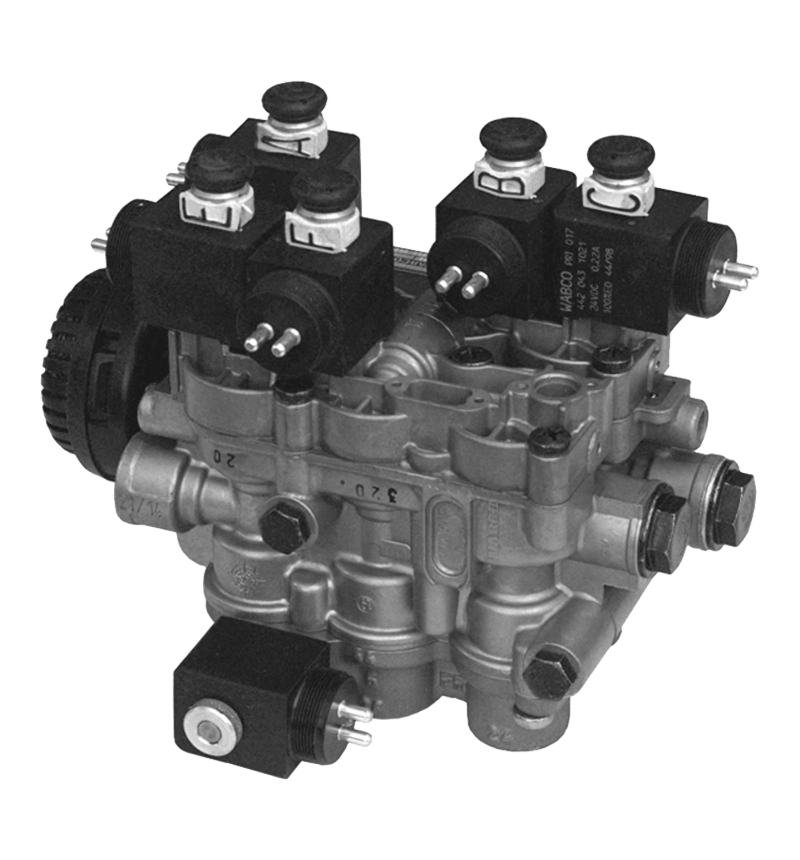
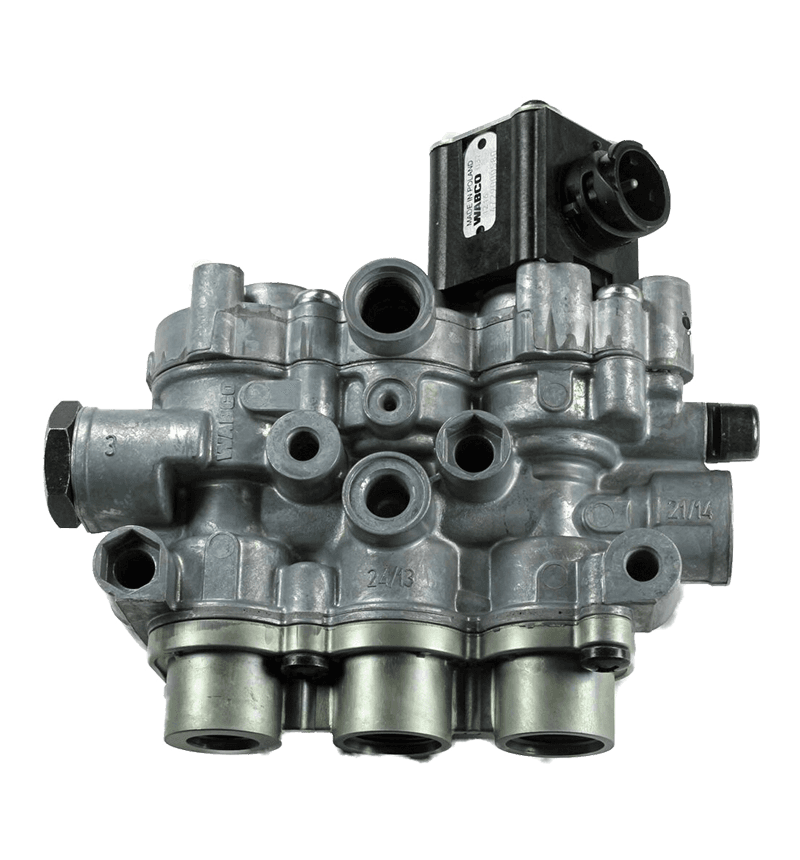
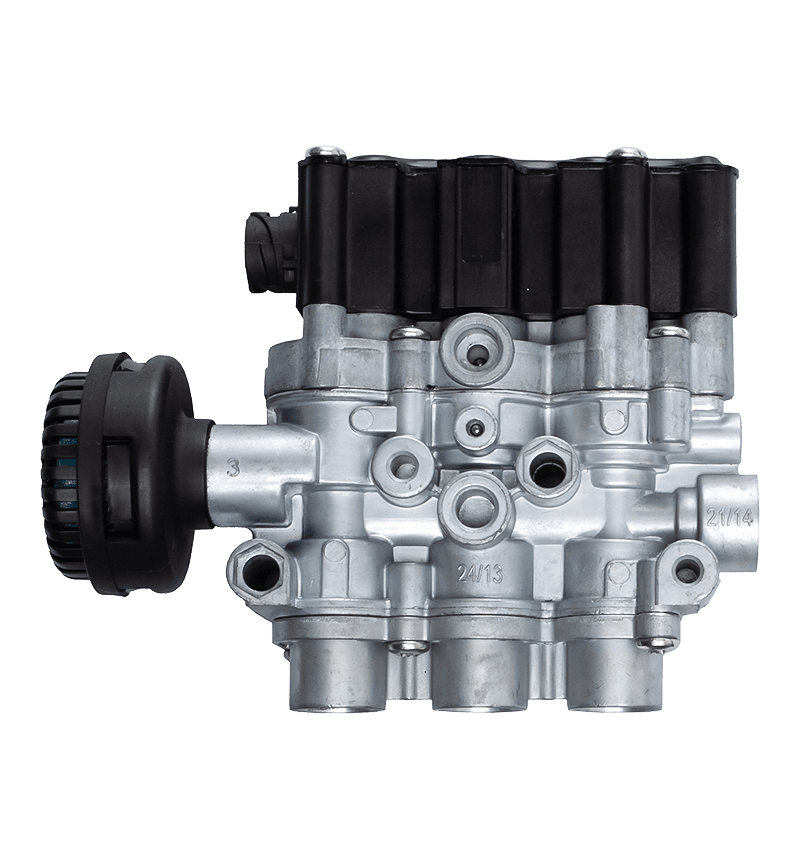
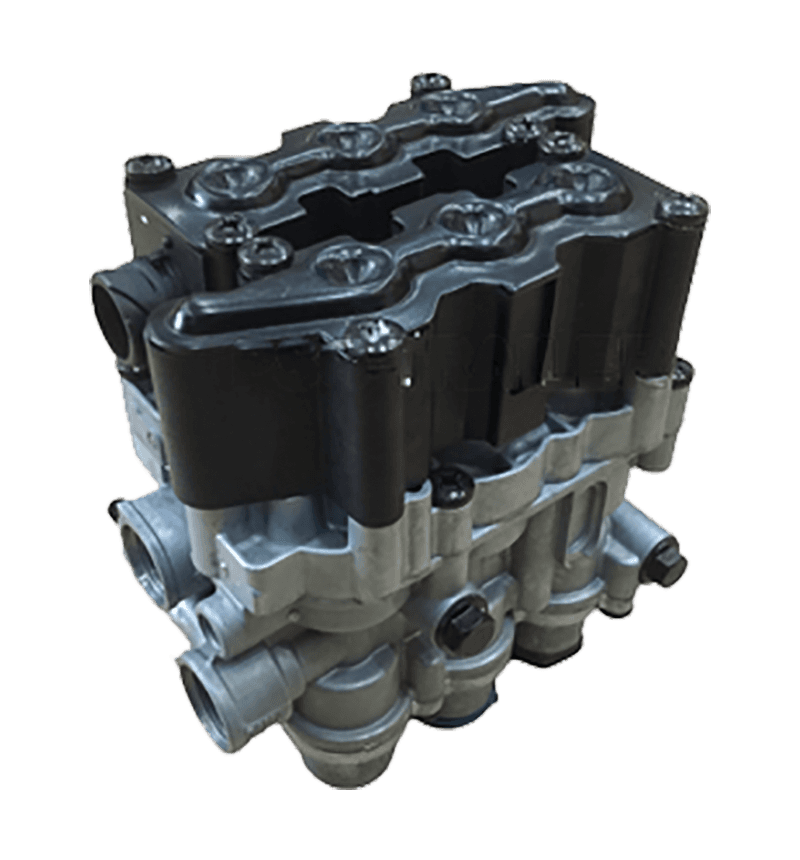
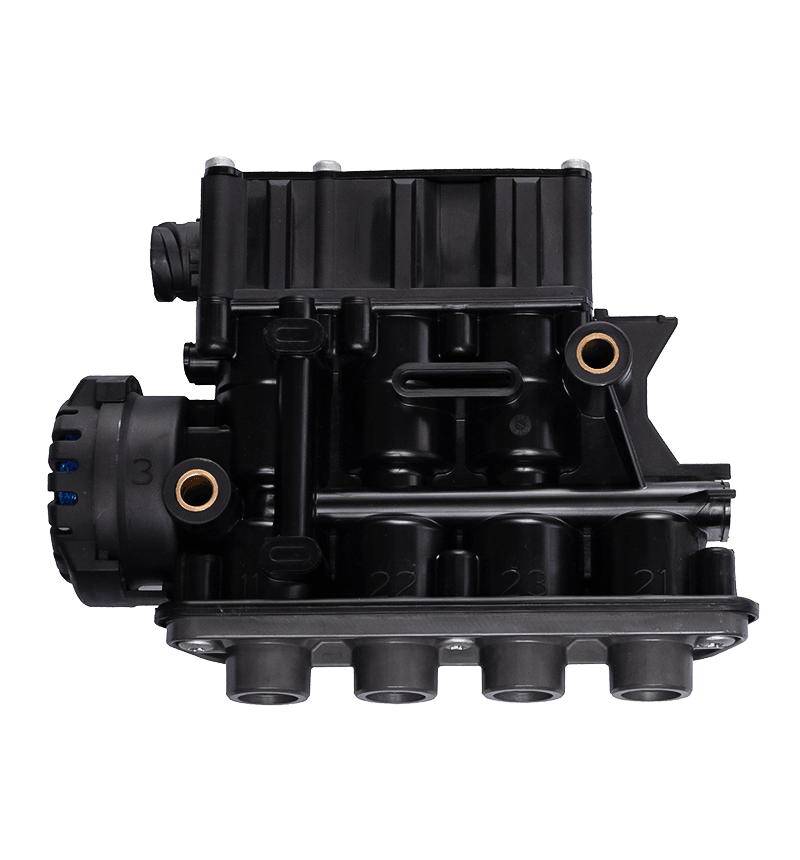
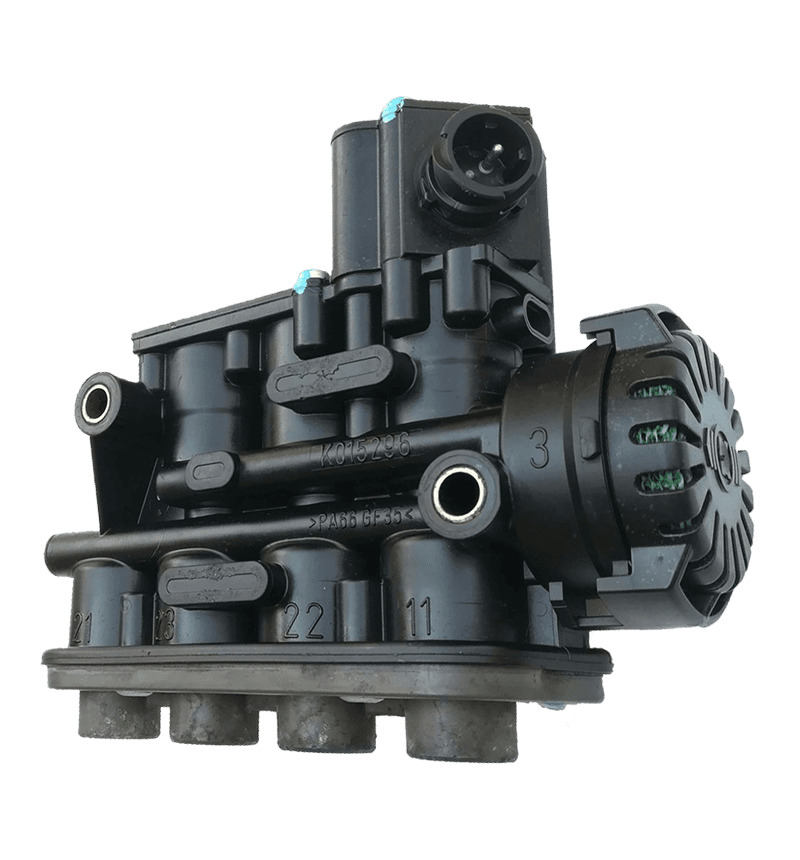
The ECAS valve, short for Electronic Control Air Suspension valve, is a critical component in air suspension systems used in a variety of vehicles, particularly heavy-duty trucks and buses. This valve plays a vital role in regulating the air pressure in the suspension system, which directly influences the vehicle's stability, load distribution, and ride comfort. The ECAS valve is electronically controlled, meaning it can adjust in real-time based on load conditions, road surface, and driving behavior. Its ability to function effectively under high loads is a significant factor in its performance and is essential for ensuring that the vehicle remains stable, regardless of the conditions it faces.
Air suspension systems, in which ECAS valves are integral, are designed to replace traditional coil or leaf springs with air springs, which can be inflated or deflated to adjust the vehicle's ride height. These systems offer several advantages, such as a smoother ride, better load handling, and improved vehicle stability. The ECAS valve is responsible for controlling the flow of compressed air to and from the air springs. This regulation allows the vehicle's suspension to adjust automatically to the weight distribution and road conditions, maintaining a level ride height and improving overall vehicle performance.
The ECAS valve system is equipped with sensors that monitor the vehicle’s load and height, feeding this information to the electronic control unit (ECU). Based on this data, the ECU determines how much air needs to be pumped into the suspension system to maintain the optimal ride height and load stability. As a result, ECAS valves play a crucial role in maintaining stability, especially under high loads, where the suspension system must cope with the additional stress and weight distribution challenges.
The stability of a vehicle, particularly under high loads, is influenced by several factors. These include the type of suspension system, the load distribution, the road conditions, and the efficiency of the components responsible for regulating air pressure, such as the ECAS valve. When a vehicle is loaded heavily, the air suspension system faces increased stress, requiring the ECAS valve to maintain the correct air pressure in the air springs to ensure proper load distribution and balance. If the valve is unable to perform effectively under these conditions, it can result in instability, reduced handling performance, and even potential damage to the suspension system.
The ECAS valve’s ability to support stability under high loads depends on its capacity to manage air pressure adjustments rapidly and accurately. This requires the valve to respond to changes in load conditions in real-time, adjusting the air springs to maintain a balanced and level ride. A key challenge for ECAS valves is maintaining this responsiveness and accuracy when faced with significant load variations, such as when a truck is carrying a heavy cargo load or when road conditions are rough and uneven.
One of the primary advantages of the ECAS valve in handling high load conditions is its ability to respond dynamically. As the vehicle load increases, the electronic control system can quickly adjust the air pressure in the suspension system to maintain the proper ride height. When a heavy load is applied to the vehicle, the system detects the change in weight distribution and signals the ECAS valve to release or add air to the suspension system accordingly.
Under high load conditions, the ECAS valve operates continuously to keep the suspension system balanced. The precision of the ECAS valve is critical here, as any deviation in air pressure can result in an uneven load distribution, leading to instability. The real-time monitoring of the load and height, combined with the ECAS valve's ability to adjust air pressure on demand, allows the suspension system to maintain optimal stability and ensure a smooth ride even when the vehicle is under significant strain.
Moreover, the ECAS valve is designed to manage the pressure within the air suspension system in a way that prevents overloading. For instance, if the weight distribution shifts, the system can adjust the pressure in specific air springs to ensure that the vehicle remains level. This capability is particularly important in heavy-duty vehicles, where the load can vary significantly during transit. Without this level of control, the vehicle would experience issues like sagging, poor traction, or even instability, especially when taking turns or driving on uneven terrain.
To support stability under high loads, ECAS valves are designed with several important features that enhance their performance. First, the valve materials are chosen for their strength and durability. The high-pressure environment in which the ECAS valve operates requires it to withstand considerable forces, especially when dealing with heavy loads. The materials used in manufacturing these valves must resist wear and tear, corrosion, and pressure fluctuations that occur during vehicle operation.
Another key design feature is the precision with which the ECAS valve controls air pressure. The valve is equipped with highly accurate sensors that detect changes in load and vehicle height. These sensors relay data to the vehicle's ECU, which processes the information and instructs the ECAS valve to adjust the suspension system. The ability of the valve to respond quickly and accurately to these changes ensures that the vehicle remains stable, even under high loads or in challenging driving conditions.
ECAS valves also typically feature a fail-safe mechanism that ensures they remain operational even if one component of the system fails. For example, if the valve itself is compromised, the system may be able to maintain the correct air pressure in the suspension system using backup methods or default settings. This redundancy helps ensure that the vehicle remains stable and safe under load, even in the unlikely event of a malfunction.
The durability of the ECAS valve is essential to its ability to perform consistently under high loads. A well-designed ECAS valve should be able to handle high-pressure fluctuations without losing functionality. The continuous operation under stress can cause wear and tear on components such as seals, valves, and sensors, so high-quality materials and components are used to enhance longevity and reliability.
Manufacturers also conduct extensive testing to ensure that ECAS valves maintain performance over the long term. These tests simulate high-load conditions and extreme driving environments, ensuring that the valve functions as expected even under the most demanding circumstances. By testing the valve's responsiveness, pressure tolerance, and reliability over time, manufacturers can ensure that the ECAS valve can maintain vehicle stability and ensure a smooth ride over its lifespan.
ECAS valves provide several advantages for maintaining stability under high loads. First, they allow for automatic adjustment, which reduces the need for manual intervention or constant monitoring. This automatic adjustment is essential for maintaining a balanced and stable vehicle, particularly when loads vary during transit or when driving conditions change unexpectedly.
In addition, ECAS valves improve safety by preventing the suspension system from becoming overloaded or unbalanced. Proper load distribution is critical for ensuring that the vehicle can safely handle sharp turns, sudden stops, or other dynamic driving conditions. By maintaining a constant ride height and adjusting to load changes, ECAS valves ensure that the vehicle's suspension system remains within safe operating parameters, reducing the risk of accidents caused by instability.
The comfort of the passengers or cargo is also enhanced under high load conditions with the use of ECAS valves. Since the valve helps ensure that the vehicle maintains a level ride height and compensates for uneven load distribution, the ride remains smooth and stable. This is particularly important for long-haul transportation, where comfort and stability are essential for both the vehicle's performance and the cargo being transported.
While ECAS valves offer numerous benefits in terms of stability under high loads, there are some challenges associated with their performance. One challenge is the potential for system failure if there are issues with the sensors, ECU, or air compressor. If any of these components malfunction, the ECAS valve may not respond accurately, resulting in poor load distribution and possible instability.
Another challenge is the maintenance of the ECAS system. Over time, components such as the air compressor, valve seals, and sensors may wear out or become clogged with dirt or debris. This can impact the performance of the ECAS valve, particularly under high load conditions. Regular maintenance and system checks are necessary to ensure that the valve and the entire air suspension system continue to function properly and maintain stability.
Finally, while ECAS valves are designed to handle high loads, there are limitations to how much weight they can support. The capacity of the air suspension system is determined by the size and design of the air springs, as well as the capacity of the ECAS valve to regulate air pressure. Overloading the system beyond its designed capacity can lead to system failure, poor stability, and potentially dangerous driving conditions.
 NO. 132 Xingye Road,Fengqiao Town ,Zhuji City,Zhejiang
 +86-13958007768 +86-13655857582
Copyright © Zhuji Infia Auto Parts Co., Ltd. All Rights Reserved.
Wholesale Truck/Bus Brake Parts Suppliers
 English
 Español