E-mail: [email protected]
E-mail: [email protected]Address: NO. 132 Xingye Road,Fengqiao Town ,Zhuji City,Zhejiang
Whatsapp: +86-13958007768
Whatsapp: +86-13655857582




Need Help
+86-13958007768
E-mail: [email protected]
E-mail: [email protected]
Address: NO. 132 Xingye Road,Fengqiao Town ,Zhuji City,Zhejiang
Whatsapp: +86-13958007768
Whatsapp: +86-13655857582
Our team is proud to offer on time guarantee and product guarantee to customer satisfaction.
Read MoreNews
 2025.12.18
 Industry News
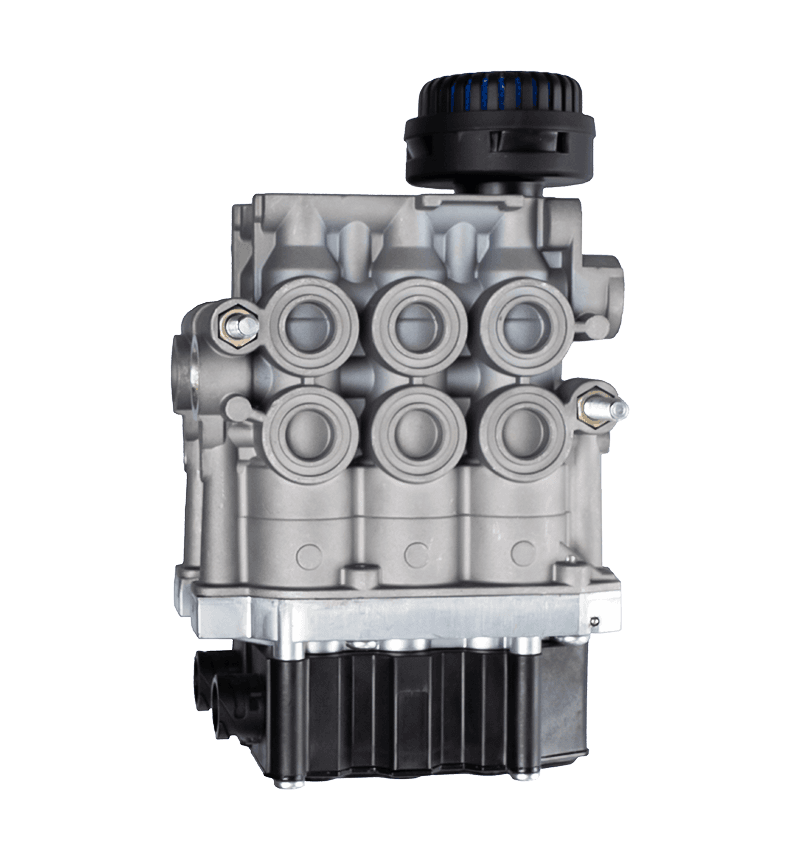
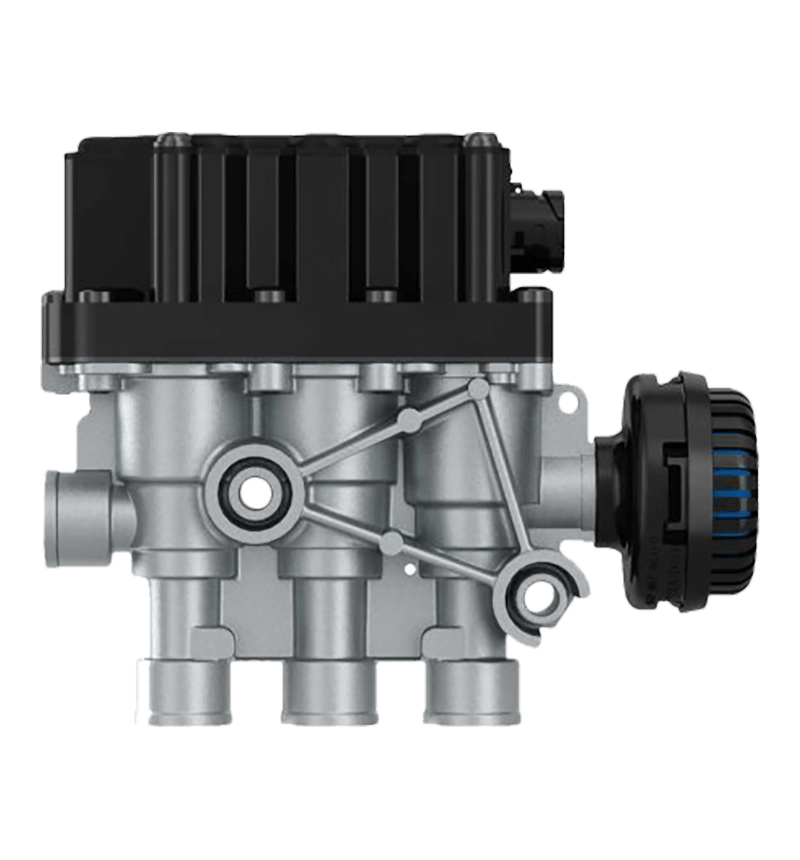
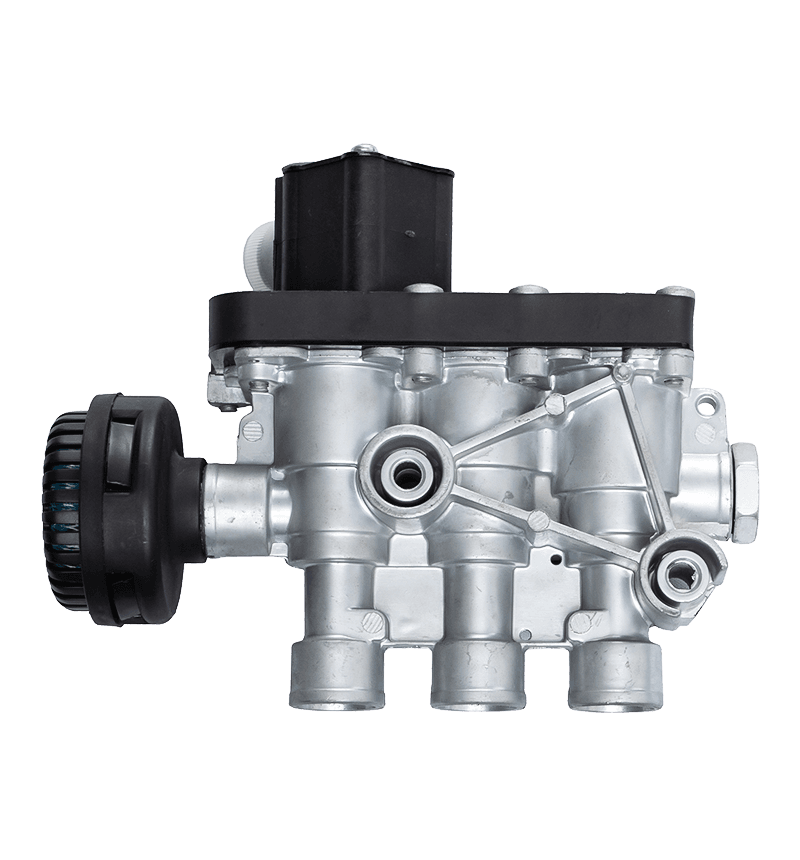
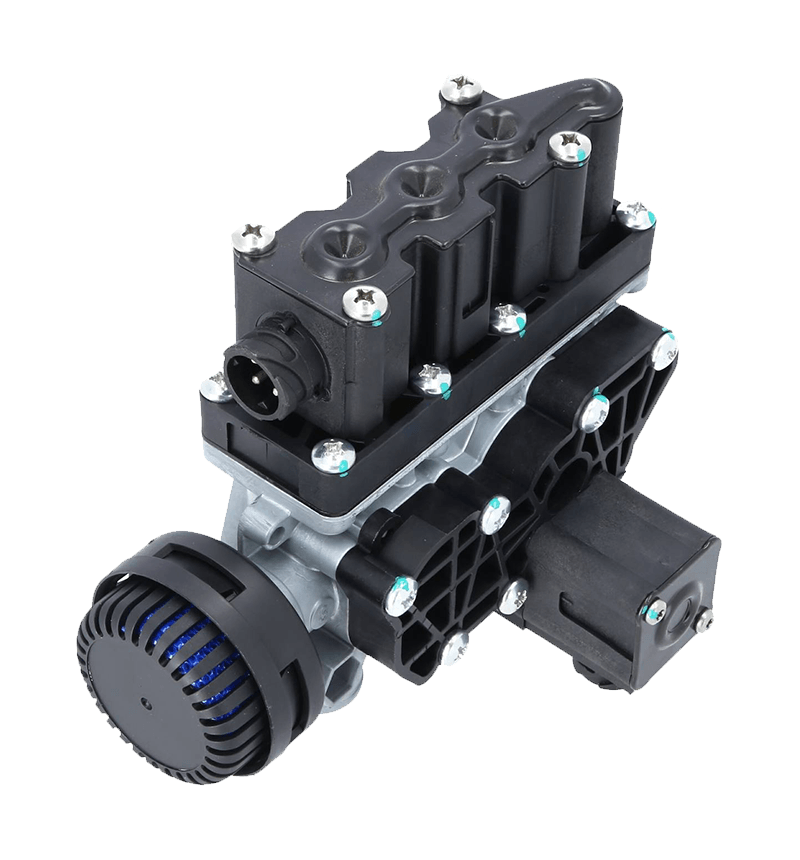
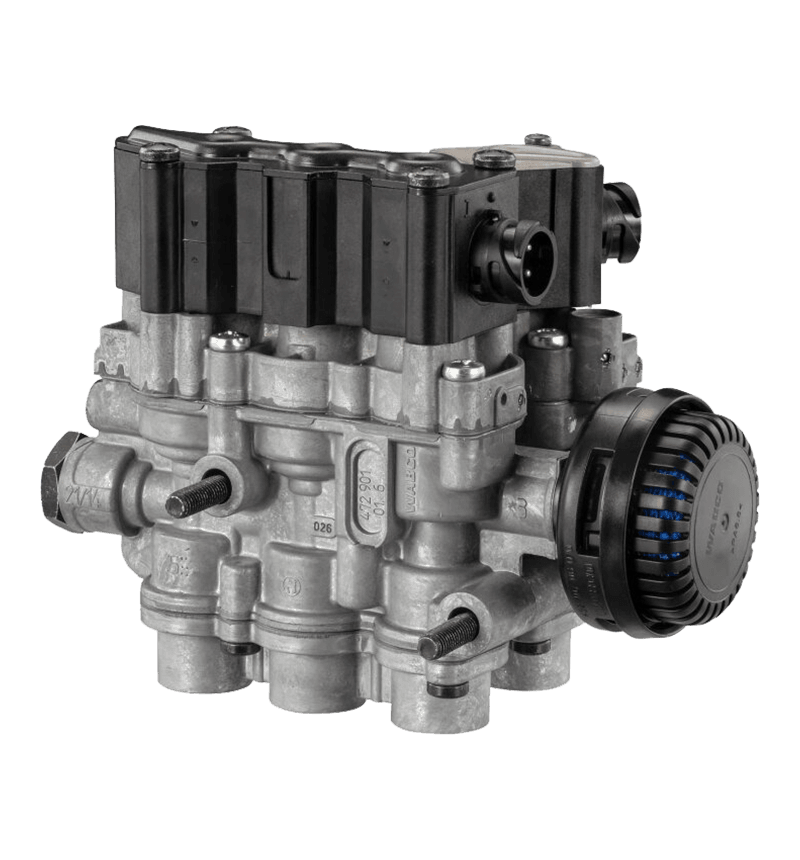
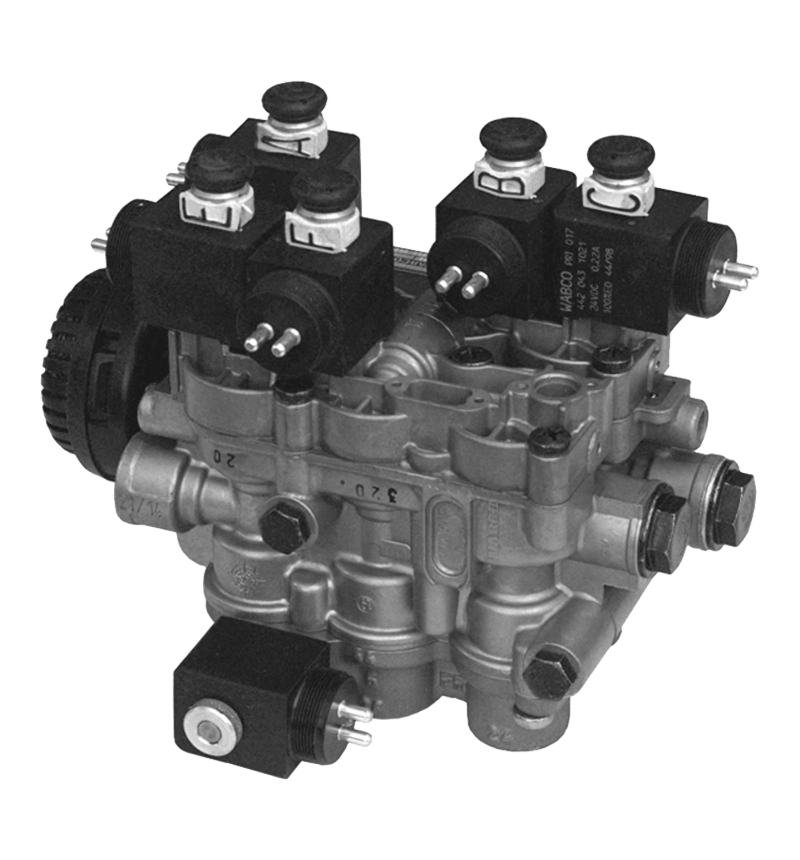
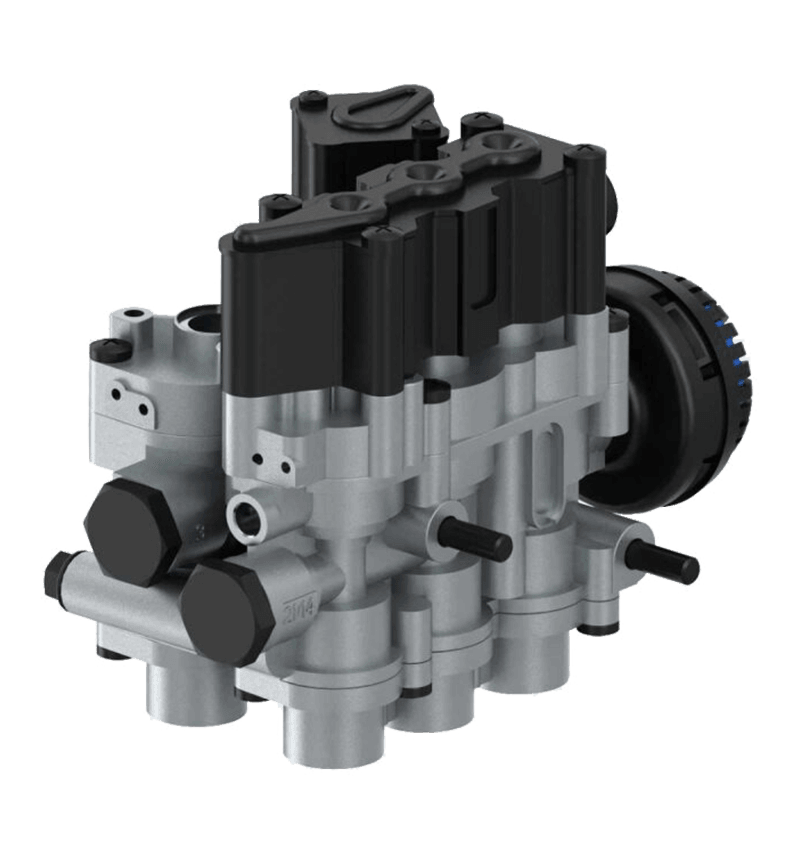
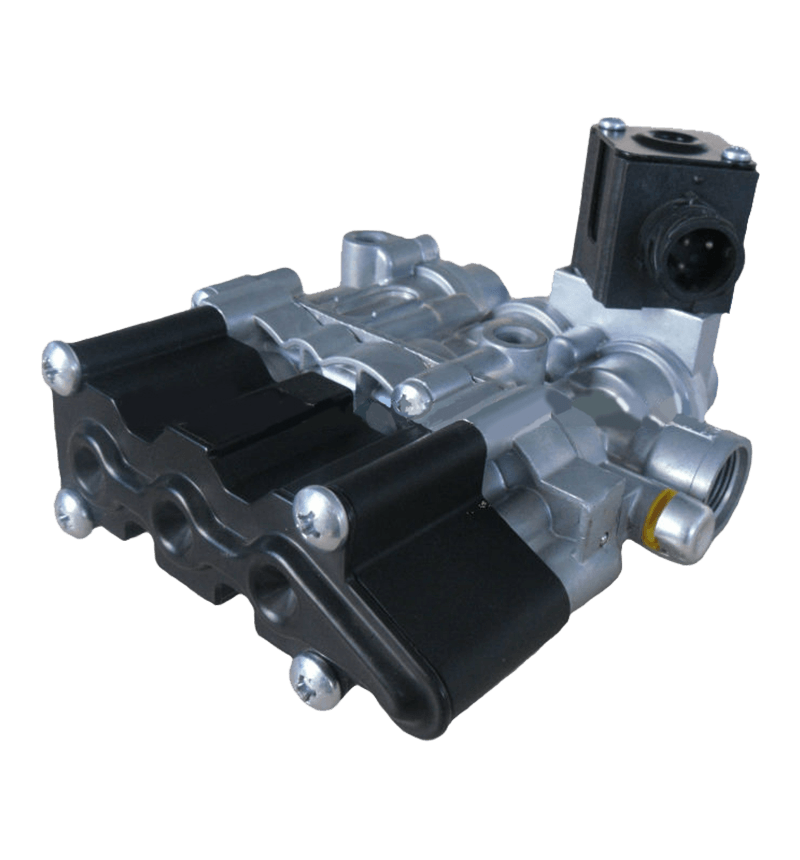
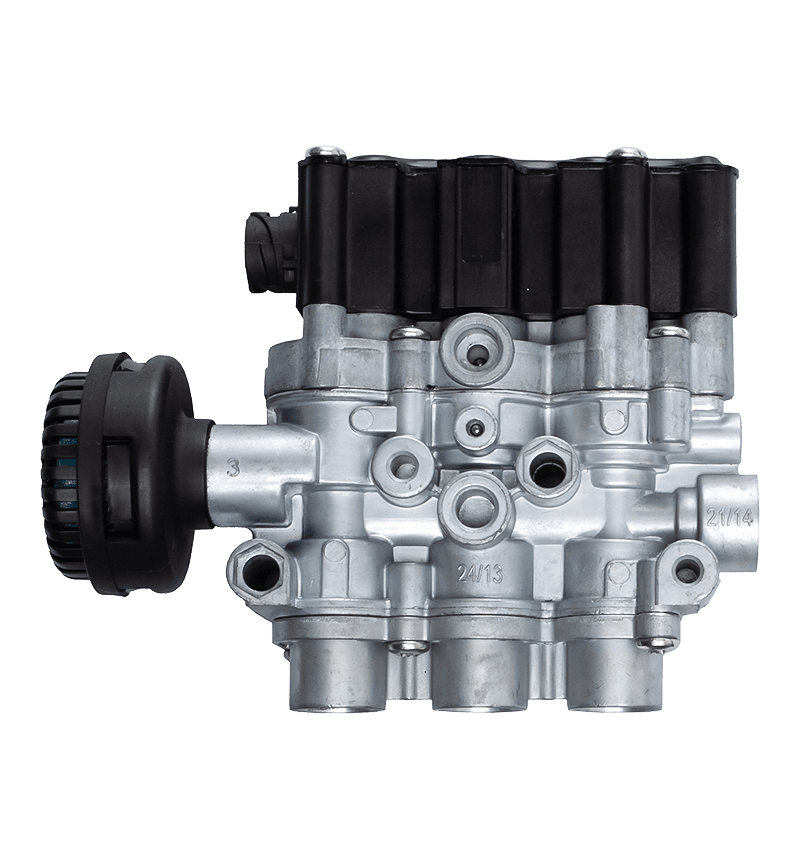
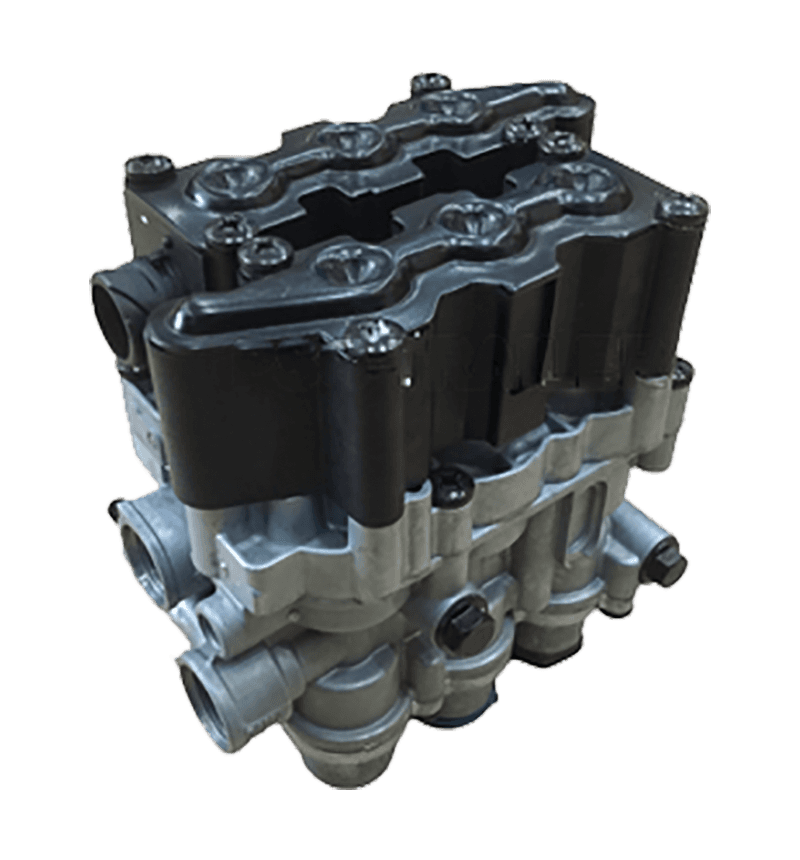
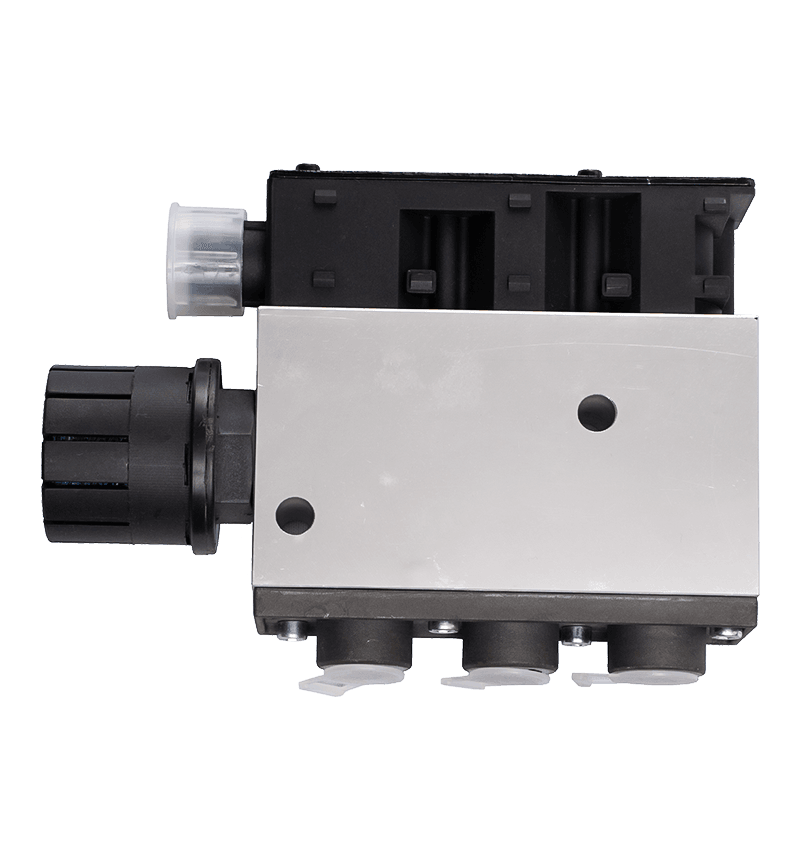
The ECAS (Electronic Controlled Air Suspension) valve system is an important component in modern suspension systems used in vehicles, particularly heavy-duty trucks and commercial vehicles. The system is designed to manage the air suspension pressure and adjust the vehicle's height according to different driving conditions. This adjustment is necessary to optimize comfort, stability, and load-carrying capacity. As these vehicles are subjected to varying loads and road conditions, it is important to understand how the ECAS valve system can adapt to these changes efficiently.
The primary function of the ECAS valve system is to regulate the air pressure within the suspension system. This air pressure is critical in controlling the ride height, which in turn affects the vehicle’s handling, load distribution, and ride comfort. The system is typically equipped with sensors that monitor the height of the vehicle, and valves that control the flow of air into the suspension bags. When a change in load occurs, the system responds by adjusting the air pressure to either raise or lower the vehicle's height accordingly. The process is largely automatic and is controlled by an onboard electronic control unit (ECU), which processes input from various sensors and adjusts the system’s settings in real-time.
Load variations in vehicles, especially those used for transporting goods, are common and can have a significant impact on suspension systems. When the vehicle is heavily loaded, the suspension needs to support the additional weight, which can cause the vehicle to sag. Conversely, when the load is light, the suspension needs to raise the vehicle to maintain optimal ride height. Without an effective system to adjust to these load changes, the vehicle's stability, handling, and comfort could be compromised. The ECAS valve system is designed to address these challenges by automatically adjusting the air suspension to match the load, ensuring that the vehicle remains stable, regardless of how much weight is carried.
The ECAS valve system is equipped with sensors that monitor various parameters, such as the vehicle's current height, load distribution, and the pressure in the suspension system. These sensors send data to the ECU, which processes the information and determines whether the air pressure needs to be adjusted. If the vehicle experiences a change in load, the ECU directs the ECAS valve system to either inflate or deflate the air suspension, thereby adjusting the ride height to maintain stability. This dynamic response is crucial for maintaining the proper balance of the vehicle during loading and unloading, as well as during different driving conditions such as turns, acceleration, and braking.
One of the key advantages of the ECAS valve system is its ability to precisely control the vehicle's height based on load changes. The system uses a network of air bags located at the four corners of the vehicle’s suspension. These air bags can be inflated or deflated to raise or lower the vehicle, respectively. When the load increases, the system inflates the air bags to raise the vehicle, compensating for the additional weight. Conversely, when the load decreases, the system deflates the air bags to lower the vehicle. This adjustment is done seamlessly and continuously, ensuring that the vehicle remains at an optimal height for both safety and comfort.
The ECAS valve system operates in real-time, constantly monitoring the vehicle's height and adjusting the air pressure as needed. This real-time responsiveness ensures that the vehicle can adapt quickly to changes in load. For example, when a vehicle begins to carry a heavier load, the sensors detect the change and send signals to the ECU, which then adjusts the air suspension pressure to accommodate the added weight. The system continuously monitors the vehicle’s height and ensures that it remains at the ideal level, even during dynamic driving conditions. This level of real-time adjustment helps maintain vehicle stability, reduces wear and tear on the suspension components, and improves overall driving safety.
The load-based adjustment provided by the ECAS valve system offers several benefits for vehicle operators. One of the key advantages is enhanced vehicle stability. By automatically adjusting to load changes, the system ensures that the vehicle remains level and balanced, regardless of the weight distribution. This improves handling and reduces the risk of the vehicle tipping or becoming unstable, especially when navigating sharp turns or uneven terrain. Additionally, the system helps maintain ride comfort by ensuring that the suspension system provides a smooth and consistent ride, regardless of the load carried.
Load adjustment in the ECAS system plays an important role in enhancing vehicle safety. A properly adjusted suspension system ensures that the vehicle’s center of gravity remains within an optimal range, reducing the likelihood of rollover accidents. This is particularly important in commercial vehicles that are often loaded with heavy and unpredictable cargo. By ensuring that the vehicle maintains a stable height and balanced load distribution, the ECAS system contributes to overall safety on the road. Furthermore, the system can help improve braking performance, as the suspension system adjusts to maintain the correct ride height, ensuring that the vehicle responds more predictably during emergency braking situations.
While the ECAS valve system offers several advantages, it is not without its challenges. One of the main issues is the complexity of the system. The valves, sensors, and ECU need to work in perfect harmony to ensure accurate load adjustment. Any malfunction in one of these components could affect the entire system’s performance. Additionally, the air suspension system is sensitive to environmental factors such as temperature, which can affect the pressure in the air bags. Extreme weather conditions can sometimes cause the system to underperform or fail to respond as expected. Regular maintenance and calibration are necessary to keep the system functioning optimally.
Maintaining and calibrating the ECAS valve system is essential for ensuring its continued effectiveness in adjusting to load changes. The system relies on a series of sensors and electronic components that must be regularly checked and maintained to ensure their proper function. Calibration is important to ensure that the air pressure is accurately adjusted based on the vehicle's load. Routine maintenance typically includes checking for leaks in the air suspension system, inspecting the valves and sensors for signs of wear, and ensuring that the ECU is operating correctly. By performing these maintenance tasks, vehicle operators can ensure that the ECAS valve system continues to provide reliable load adjustments for the life of the vehicle.
The ECAS valve system is widely used in various vehicle types, including commercial trucks, buses, and trailers. In each of these applications, the system plays a critical role in ensuring that the vehicle can handle different loads and road conditions effectively. For example, in a long-haul truck, the ECAS valve system helps maintain ride comfort and stability, even when the truck is carrying a full load. In buses, the system adjusts the height to ensure passenger comfort when the vehicle is loaded with passengers. Similarly, in trailers, the system adapts to different cargo loads, ensuring that the vehicle remains stable and safe during transport.
The ECAS valve system is a vital component in modern air suspension systems, offering significant advantages in adapting to load changes. By continuously monitoring and adjusting the vehicle's height, the system ensures that the vehicle remains stable, comfortable, and safe under varying load conditions. While there are challenges to maintaining and calibrating the system, the benefits it provides in terms of vehicle performance, safety, and comfort make it a valuable technology in the transportation industry. As load conditions continue to fluctuate in commercial and heavy-duty vehicles, the ECAS valve system will play an essential role in ensuring optimal vehicle operation and stability.
 NO. 132 Xingye Road,Fengqiao Town ,Zhuji City,Zhejiang
 +86-13958007768 +86-13655857582
Copyright © Zhuji Infia Auto Parts Co., Ltd. All Rights Reserved.
Wholesale Truck/Bus Brake Parts Suppliers
 English
 Español