E-mail: [email protected]
E-mail: [email protected]Address: NO. 132 Xingye Road,Fengqiao Town ,Zhuji City,Zhejiang
Whatsapp: +86-13958007768
Whatsapp: +86-13655857582




Need Help
+86-13958007768
E-mail: [email protected]
E-mail: [email protected]
Address: NO. 132 Xingye Road,Fengqiao Town ,Zhuji City,Zhejiang
Whatsapp: +86-13958007768
Whatsapp: +86-13655857582
Our team is proud to offer on time guarantee and product guarantee to customer satisfaction.
Read MoreNews
 2025.12.25
 Industry News
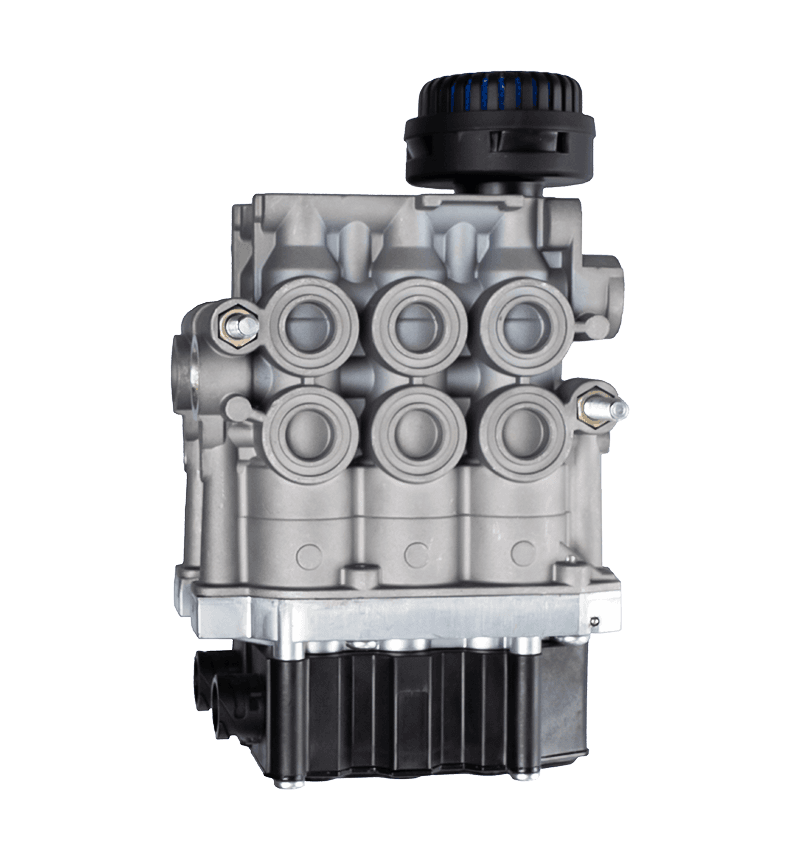
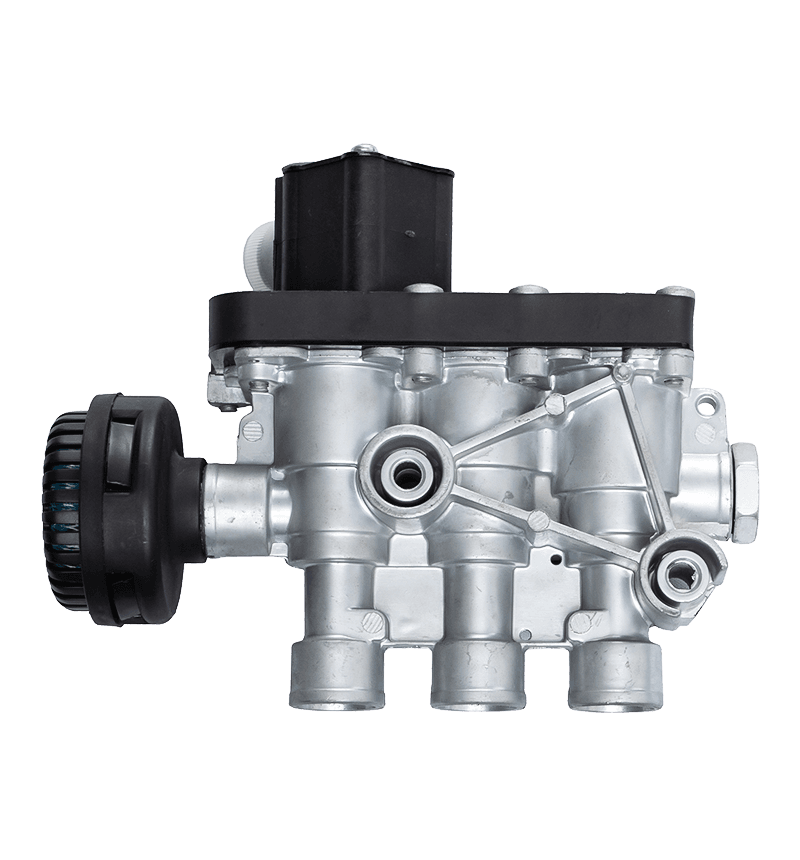
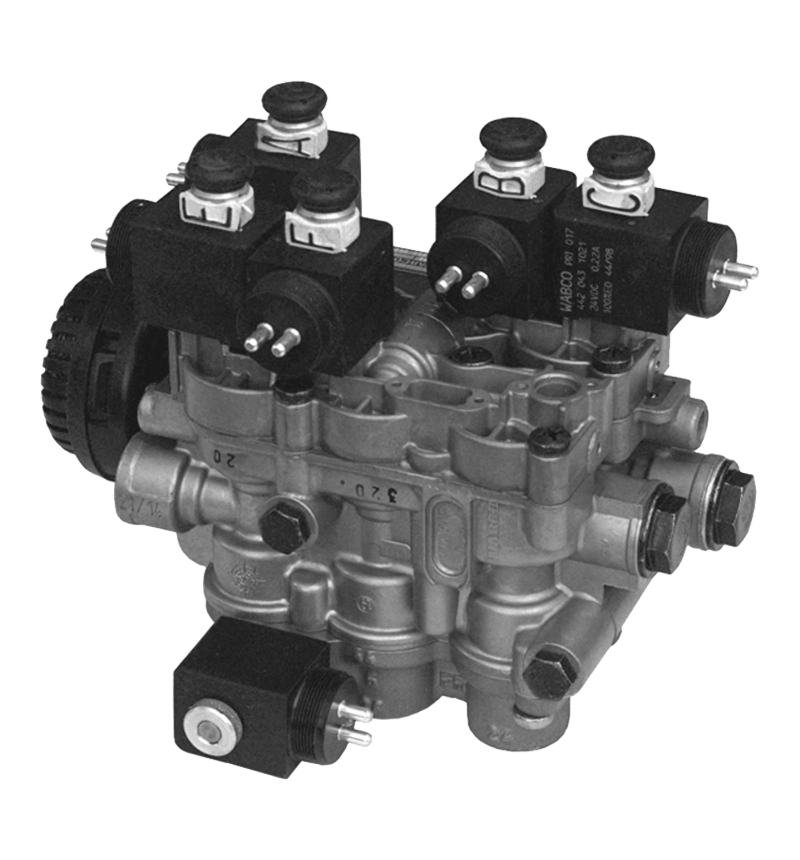
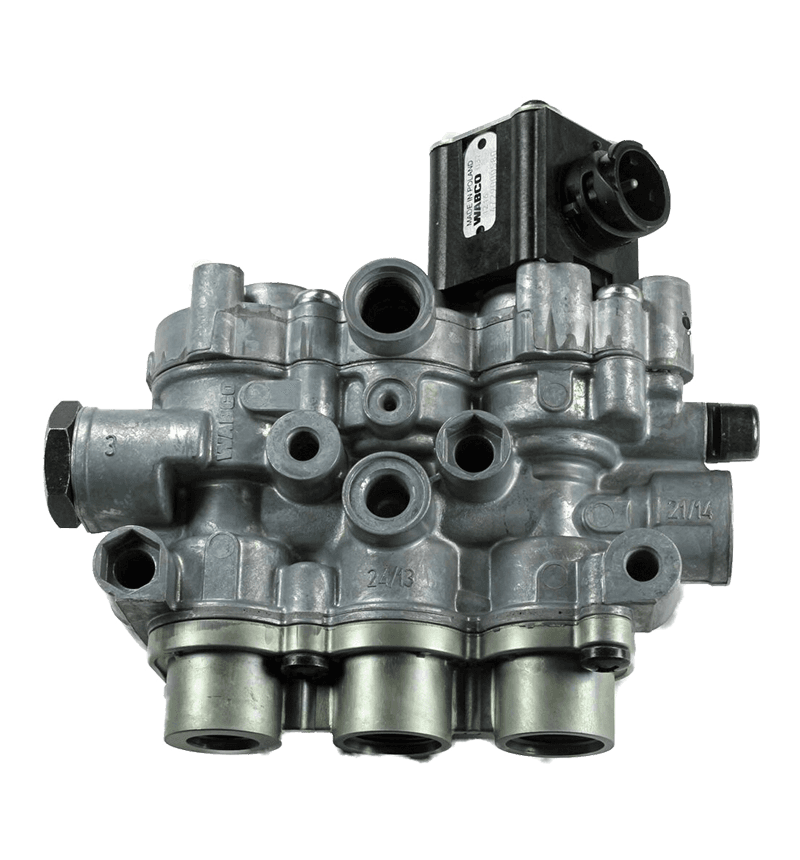
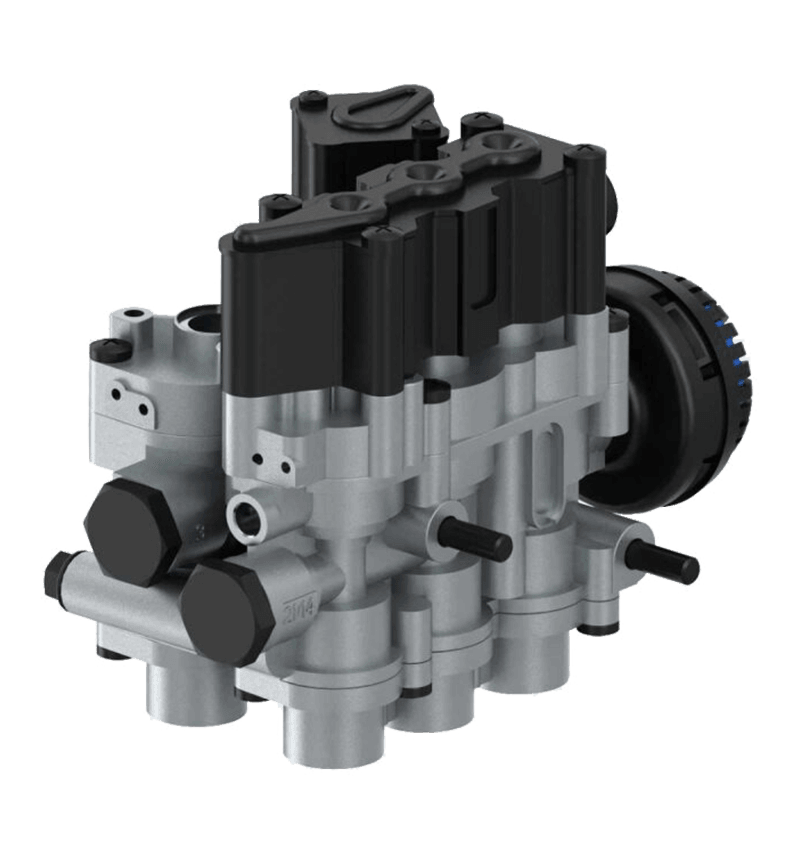
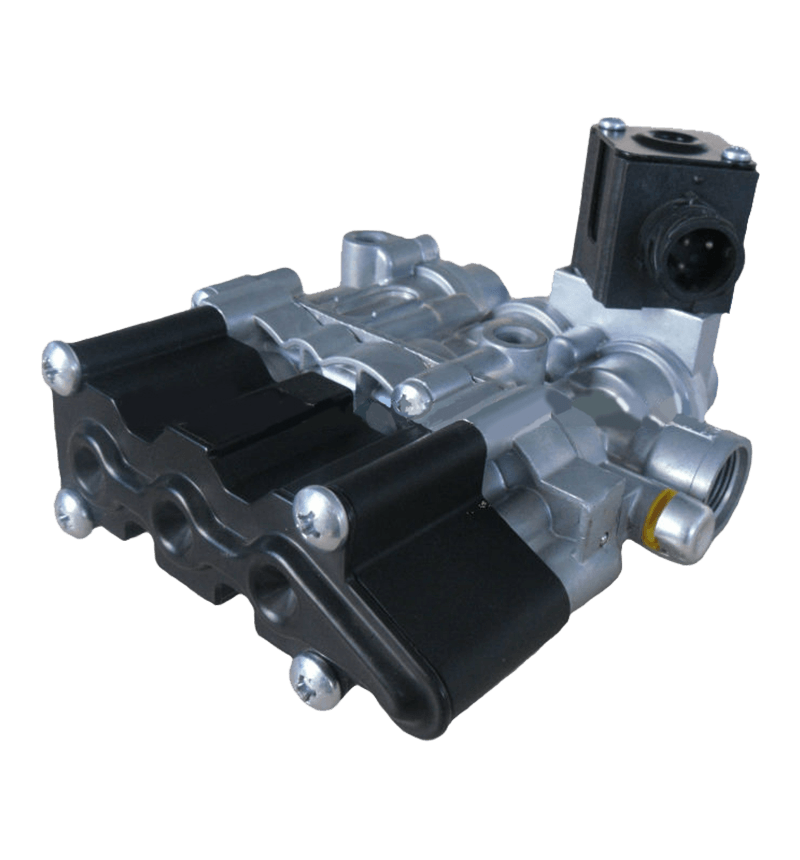
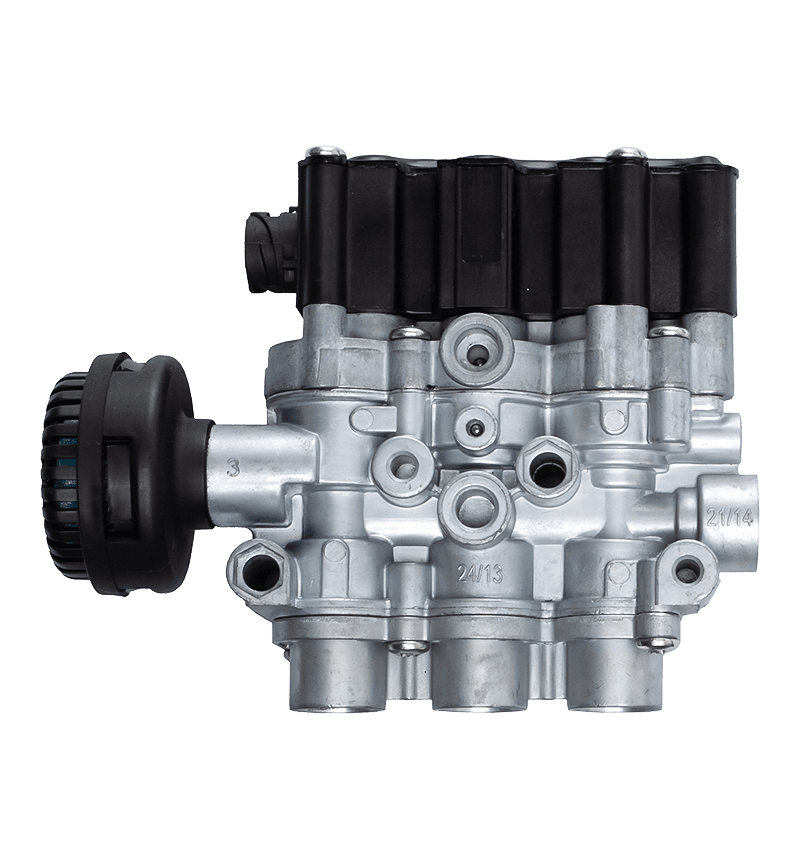
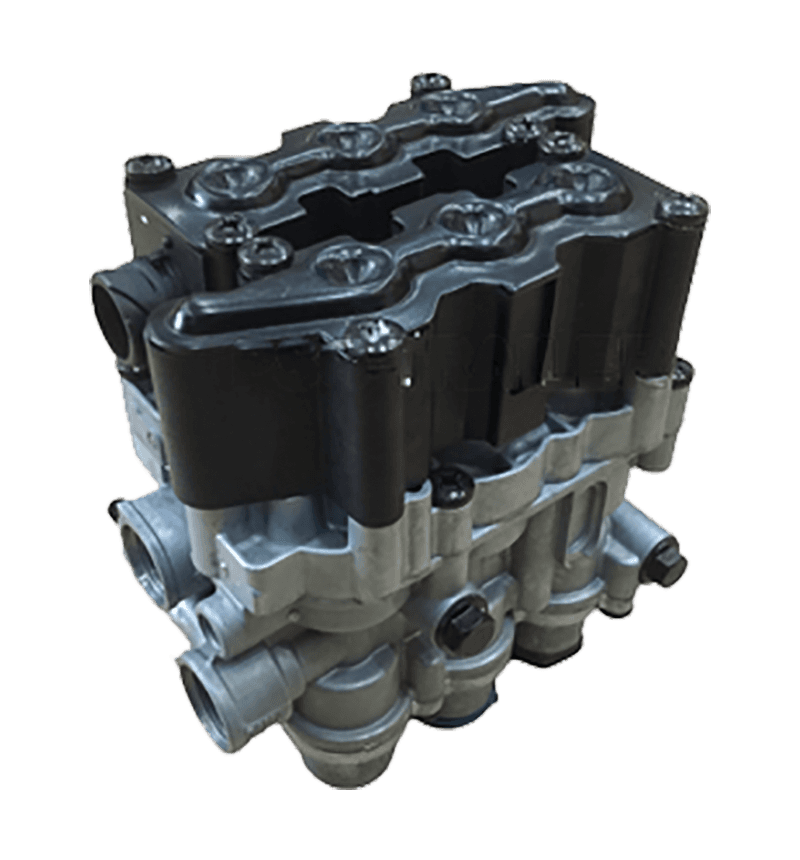
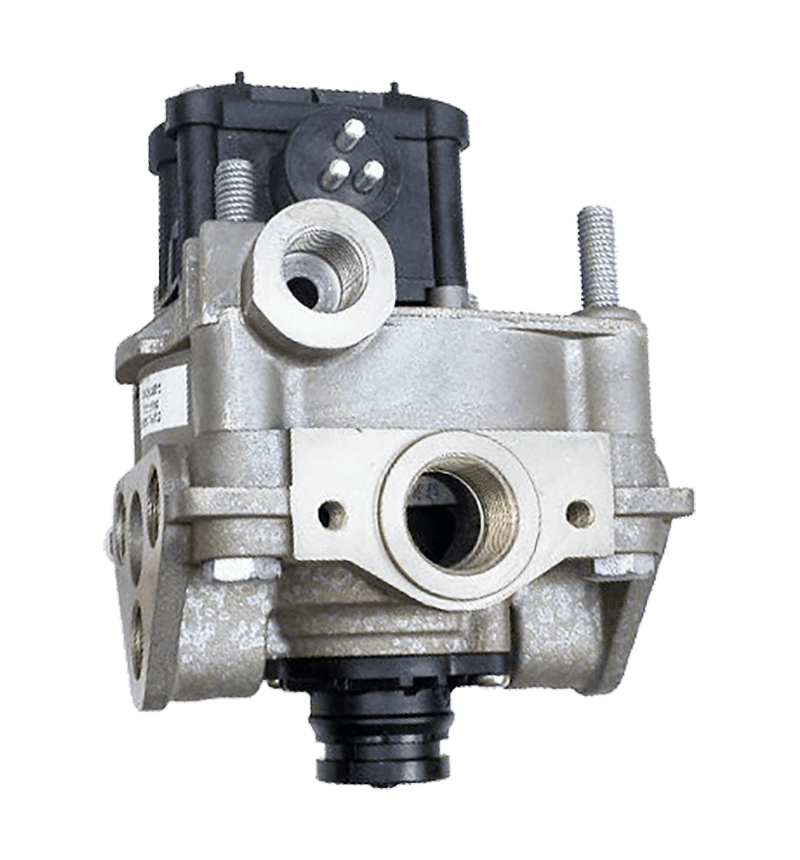
ECAS (Electronic Control Air Suspension) valves are an essential component in modern air suspension systems used in a variety of vehicles, particularly heavy-duty trucks, buses, and some commercial vehicles. These valves regulate the flow of air to the suspension system, allowing for the adjustment of ride height and load-bearing capacity. The primary function of ECAS valves is to maintain optimal suspension performance, ensuring that the vehicle's suspension system adapts to varying road conditions and load weights. To ensure the continued functionality of the ECAS valves, regular maintenance and upkeep are required to prevent failures and ensure long-term reliability.
ECAS valves play a crucial role in maintaining the proper functioning of a vehicle's suspension system. Given their importance in regulating ride height and ensuring a smooth, stable ride, it is essential to regularly maintain these valves. Lack of proper maintenance can lead to reduced performance, such as poor ride quality, suspension failure, and increased wear and tear on other components of the air suspension system. In extreme cases, failure of the ECAS valves can cause complete suspension system breakdown, leading to costly repairs and potential safety risks.
Regular maintenance of ECAS valves helps to detect any signs of wear, contamination, or damage before they escalate into more significant issues. It also ensures that the valves are working efficiently, providing the correct pressure and flow of air to the suspension system. Without proper upkeep, the performance of the entire air suspension system can be compromised, leading to uneven tire wear, poor vehicle handling, and reduced fuel efficiency.
The maintenance and upkeep of ECAS valves generally involve routine checks, cleaning, lubrication, and component replacements. The specific tasks may vary depending on the make and model of the vehicle, as well as the type of ECAS system installed. However, there are several essential maintenance tasks that are common across most systems.
One of the most important aspects of ECAS valve maintenance is regular inspection. Inspecting the valves on a routine basis helps to identify any signs of wear or damage that could affect their performance. The inspection process typically involves checking for physical damage, leaks, or any signs of corrosion. Any damage to the valve housing or connections should be addressed promptly to prevent further deterioration of the system.
Inspecting the valve’s operation is also crucial. This can be done by monitoring the system’s response to adjustments in the ride height or load. A properly functioning ECAS valve should adjust smoothly and consistently when commanded by the vehicle’s electronic control system. If the system exhibits delayed responses or inconsistent behavior, it may be indicative of issues with the valve or other related components, such as the air compressor or sensors.
During the inspection, it is also essential to check the air lines connected to the valve. These lines should be free of kinks, cracks, or blockages that could affect the airflow and prevent the valve from functioning correctly. Any damaged air lines should be replaced immediately to avoid compromising the system’s performance.
Cleaning the ECAS valves and associated components is another important maintenance task. Over time, dirt, debris, and contaminants can accumulate on the valve surfaces and inside the valve components, potentially affecting the valve’s performance. Regular cleaning helps to remove these impurities and ensure smooth valve operation.
Cleaning the ECAS valves typically involves removing any dirt or grime from the external surfaces using a soft cloth or brush. Care should be taken to avoid using harsh chemicals or abrasive materials that could damage the valve housing or seals. It is also important to clean the air lines connected to the valve to ensure that there are no blockages or restrictions to the airflow.
For deeper cleaning, some ECAS valves may require disassembly to remove internal components, such as seals or diaphragms, which can become contaminated over time. It is essential to follow the manufacturer’s instructions when disassembling the valve to avoid damaging delicate parts. Once disassembled, the internal components can be cleaned with an appropriate solvent or cleaning solution, ensuring that they are free from any debris or buildup. After cleaning, the valve should be reassembled carefully, making sure that all seals and components are correctly positioned to prevent leaks or malfunctioning.
Lubrication is another important aspect of ECAS valve maintenance. Proper lubrication reduces friction and wear on the moving parts of the valve, helping to maintain smooth operation and extend the lifespan of the valve. The specific lubrication requirements depend on the design of the valve and the materials used, so it is important to use the appropriate lubricant recommended by the manufacturer.
Generally, a small amount of high-quality lubricant should be applied to the valve’s moving parts, such as the actuator or diaphragm, to keep them operating smoothly. Over-lubrication can lead to contamination of the valve or other components, so it is important to apply the lubricant sparingly. Additionally, lubricant should never come into contact with the valve seals, as it may cause damage or degradation of the rubber or plastic materials.
Lubricating the valve should be done during routine maintenance intervals or when the valve exhibits signs of resistance or stiffness in its movement. If the valve is found to be operating smoothly and without resistance, lubrication may not be necessary, but it’s still a good idea to check the manufacturer’s guidelines to ensure proper maintenance intervals.
Over time, certain components of the ECAS valve may become worn or damaged, requiring replacement to maintain optimal performance. Some of the most common parts that may need replacing include seals, diaphragms, and solenoids. Worn seals can lead to air leaks, reducing the efficiency of the air suspension system and compromising the overall performance of the vehicle. Similarly, a damaged diaphragm can prevent the valve from properly regulating airflow, leading to incorrect suspension settings.
When replacing worn or damaged components, it is crucial to use high-quality, OEM (original equipment manufacturer) parts. Using non-OEM parts may result in reduced performance or premature failure of the ECAS valve. It is also important to follow the manufacturer’s guidelines for component replacement to ensure that the new parts are compatible with the valve and the vehicle’s air suspension system.
Replacing components should be done immediately when signs of wear or damage are detected. Delaying the replacement of critical parts can lead to more severe damage to the valve or other components of the air suspension system, resulting in costly repairs and potential downtime.
In addition to the physical maintenance tasks, the ECAS system itself may require calibration to ensure that the valve is properly regulating the air suspension. Calibration involves adjusting the system to ensure that the valve responds accurately to electronic signals from the vehicle’s control system. This process ensures that the air suspension system maintains the correct ride height and load-bearing capacity under various conditions.
Calibration of the ECAS valve may require specialized tools or diagnostic equipment, which can be obtained from the manufacturer or a certified service provider. The process typically involves checking and adjusting the system’s pressure levels, adjusting the electronic controls, and ensuring that the system operates within the specified tolerances. If the system is not calibrated correctly, the suspension may not perform as expected, leading to poor ride quality, uneven tire wear, or potential suspension failure.
As part of routine maintenance, it is important to monitor the ECAS valve system for signs of trouble that may indicate a need for repair or replacement. Common symptoms of ECAS valve issues include inconsistent ride height adjustments, slow or unresponsive suspension movements, air leaks, and unusual noises during operation. These signs may indicate problems such as valve failure, sensor malfunctions, or issues with the air compressor or lines.
If any of these symptoms are observed, it is crucial to address the issue as soon as possible. Ignoring the symptoms of a failing ECAS valve can lead to more severe problems down the line, potentially causing the entire air suspension system to fail. Regularly monitoring the system and performing inspections will help to detect issues early and prevent costly repairs in the future.
Maintaining ECAS valves is crucial for ensuring the continued functionality and performance of a vehicle's air suspension system. Regular inspections, cleaning, lubrication, and timely replacement of worn components are essential to keeping the valves working efficiently. By adhering to the recommended maintenance practices and addressing issues promptly, vehicle owners and operators can ensure that their ECAS systems provide reliable performance and extend the lifespan of the suspension system. Routine maintenance not only prevents unexpected failures but also enhances the overall safety, ride quality, and load-bearing capacity of the vehicle.
 NO. 132 Xingye Road,Fengqiao Town ,Zhuji City,Zhejiang
 +86-13958007768 +86-13655857582
Copyright © Zhuji Infia Auto Parts Co., Ltd. All Rights Reserved.
Wholesale Truck/Bus Brake Parts Suppliers
 English
 Español