E-mail: [email protected]
E-mail: [email protected]Address: NO. 132 Xingye Road,Fengqiao Town ,Zhuji City,Zhejiang
Whatsapp: +86-13958007768
Whatsapp: +86-13655857582




Need Help
+86-13958007768
E-mail: [email protected]
E-mail: [email protected]
Address: NO. 132 Xingye Road,Fengqiao Town ,Zhuji City,Zhejiang
Whatsapp: +86-13958007768
Whatsapp: +86-13655857582
Our team is proud to offer on time guarantee and product guarantee to customer satisfaction.
Read MoreNews
 Home / News / Industry News / Can trailer control valves maintain stable operation under harsh weather conditions?
  2026.03.05
 Industry News
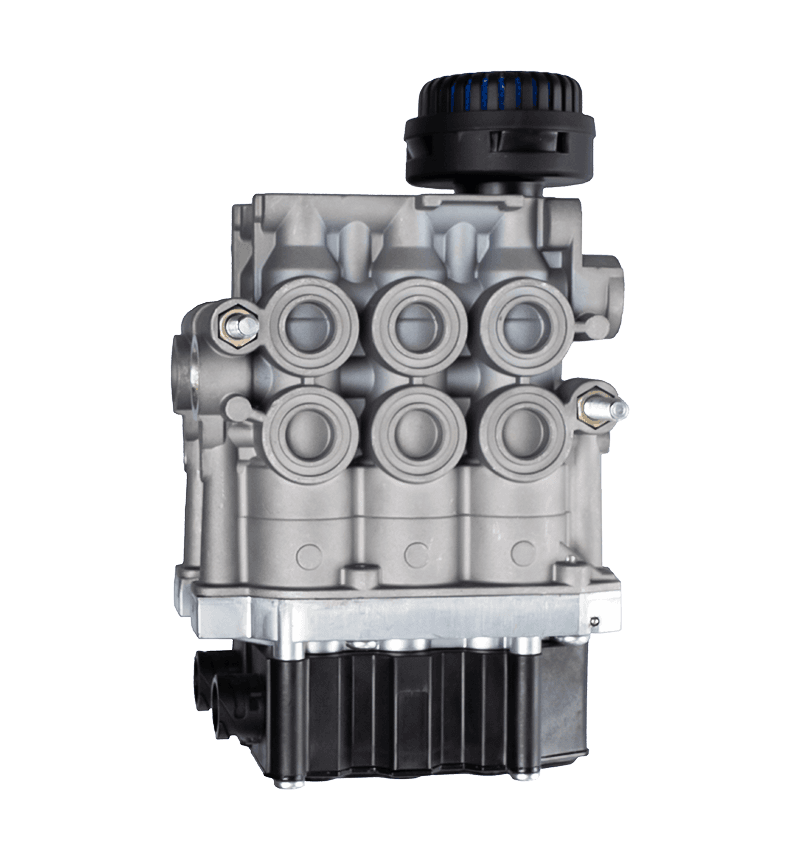
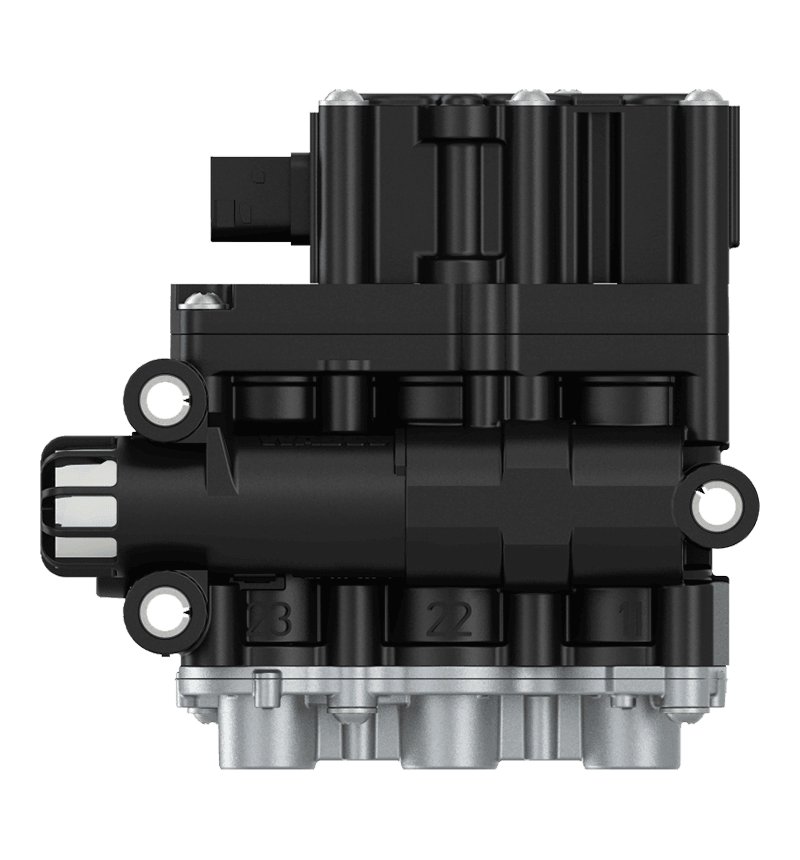
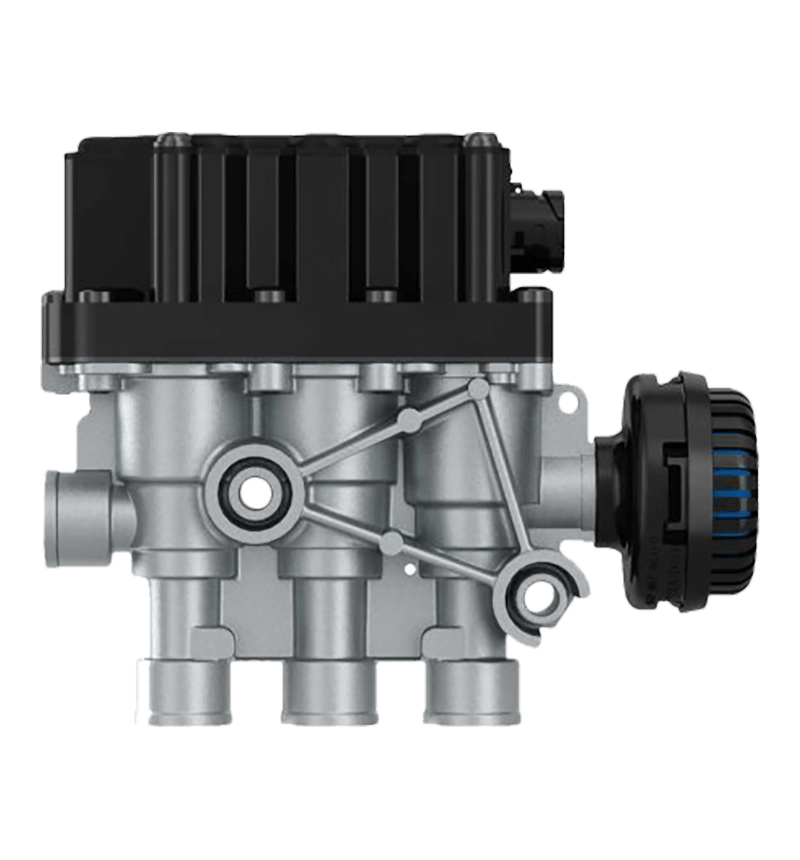
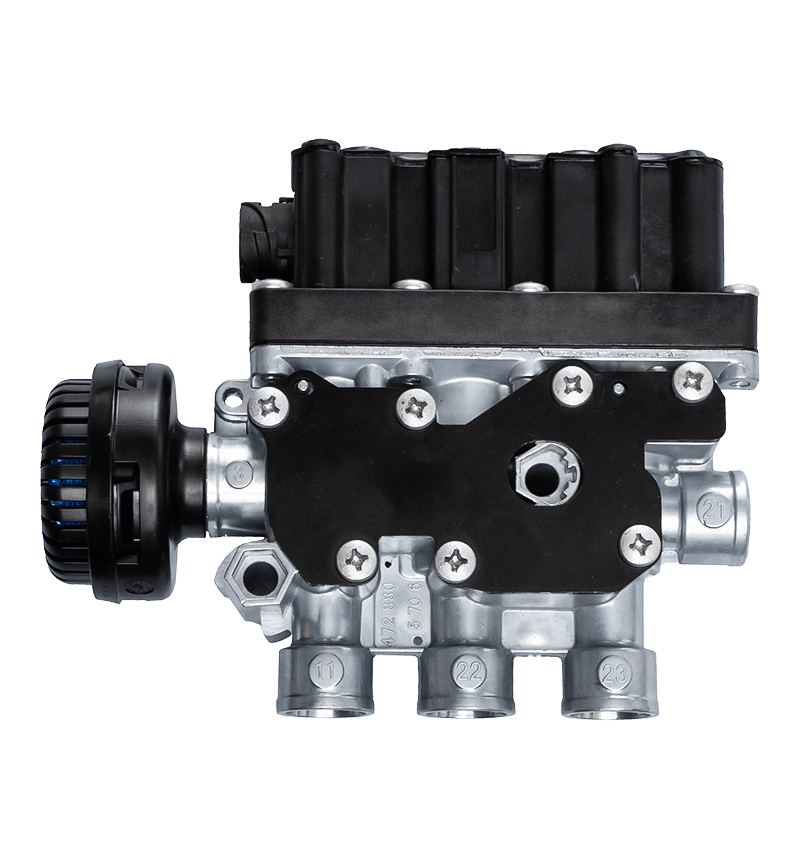
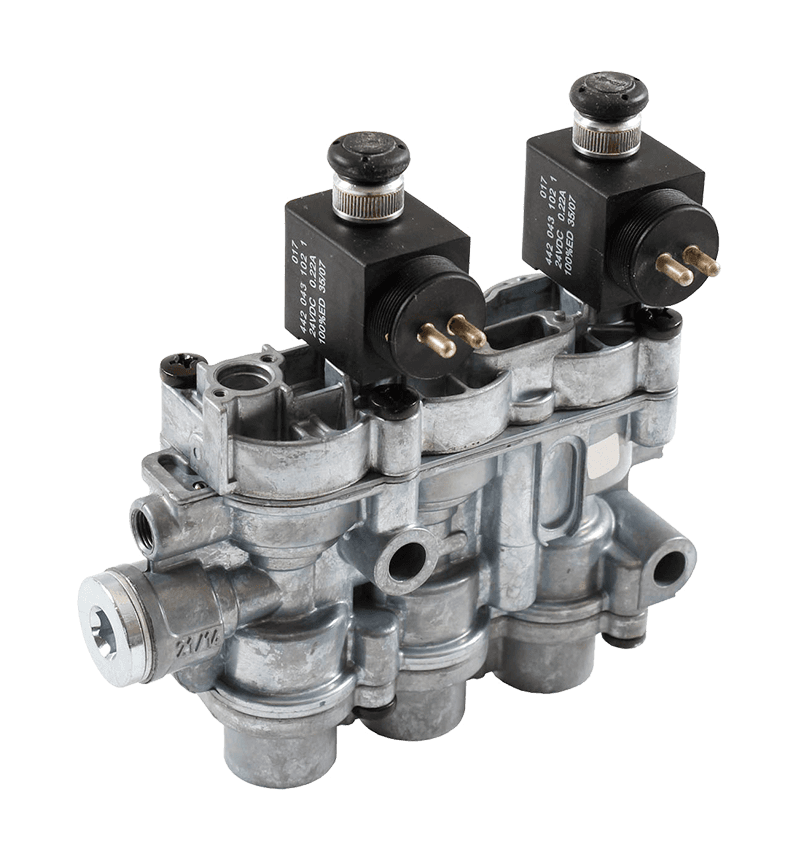
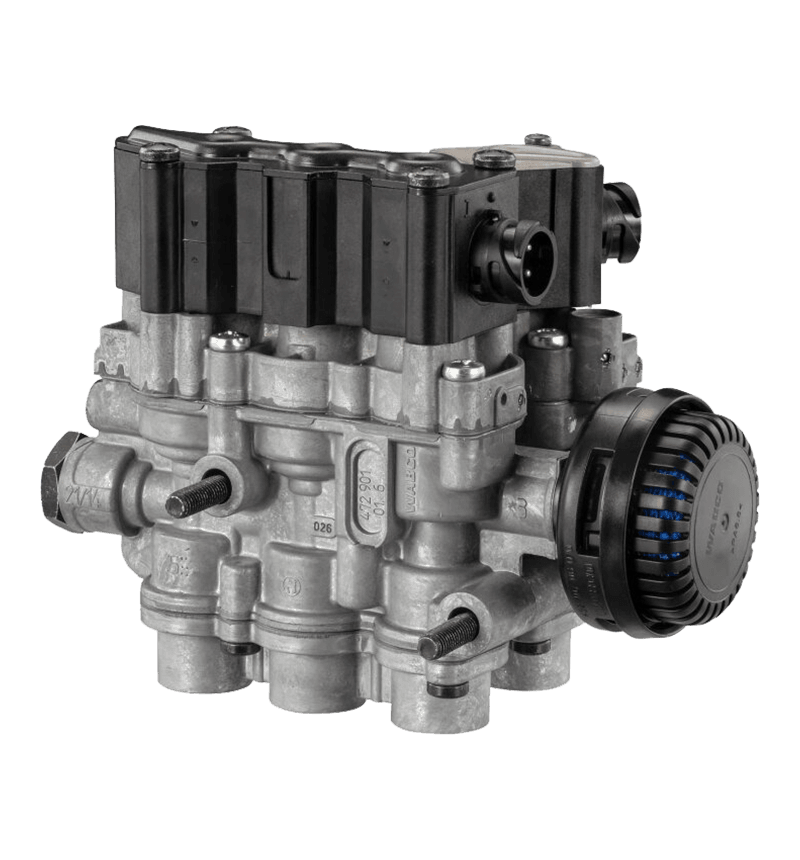
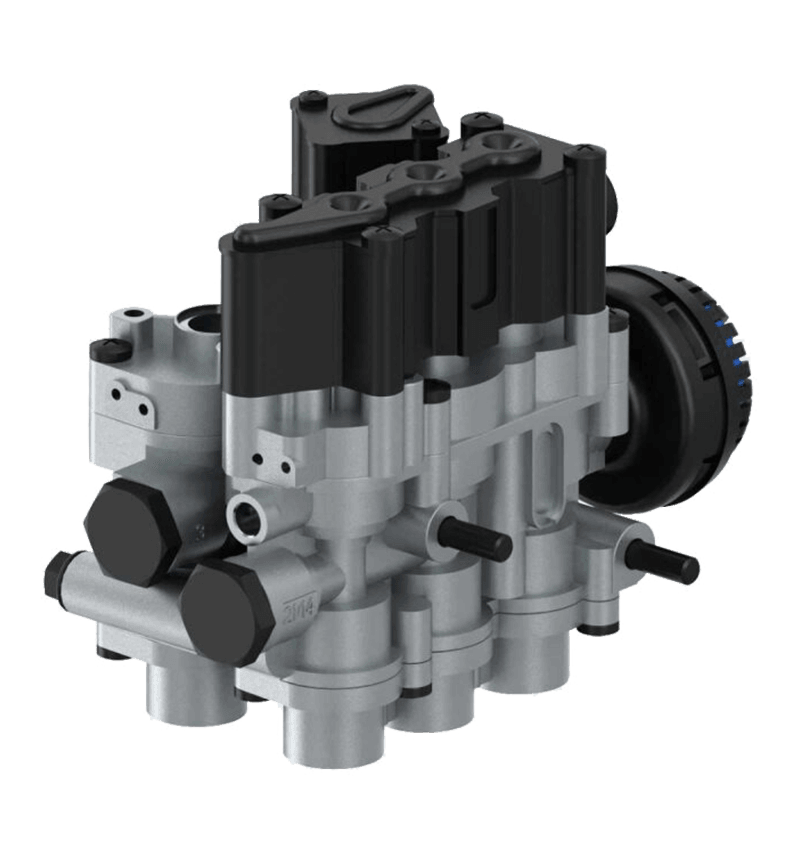
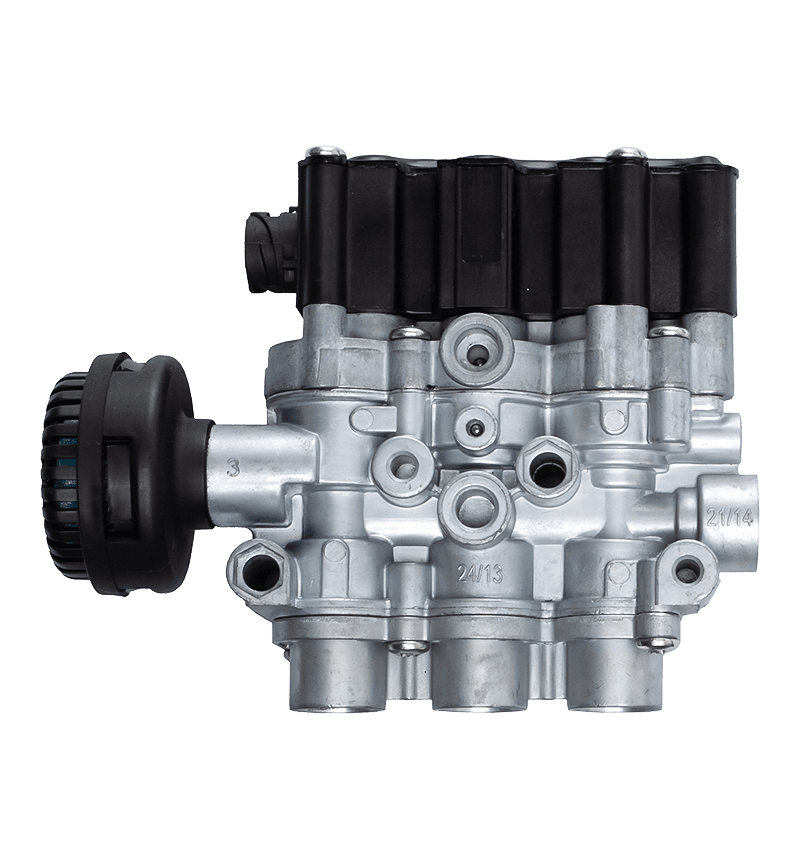
Trailer control valves play a crucial role in the braking and safety systems of trailers, especially in commercial vehicles. These valves are responsible for regulating the air pressure that controls the trailer’s braking mechanism. When the driver applies the brakes in the towing vehicle, the trailer control valve ensures that the correct air pressure is transmitted to the trailer’s braking system, enabling a synchronized stop. Given their critical role in road safety, it is essential that trailer control valves maintain stable operation under a variety of conditions, including harsh weather. Harsh weather conditions, such as extreme cold, heat, or wet environments, can significantly impact the performance of these valves.
Trailer control valves are integral components in air brake systems, controlling the distribution of air pressure between the towing vehicle and the trailer. The valve ensures that the braking force applied to the trailer is proportional to the force applied by the driver. This ensures smoother, safer stops and prevents skidding or jackknifing. The control valve also helps balance the braking force when the vehicle is loaded unevenly. By regulating the air pressure supplied to the trailer brakes, the control valve contributes to the overall efficiency and safety of the braking system, reducing the wear and tear on the vehicle and trailer. Given the important role they play, it is essential that these valves perform reliably, even in extreme weather conditions.
Several factors can influence the performance of trailer control valves, particularly when exposed to harsh weather conditions. The primary factor is the quality and design of the valve itself, as well as the materials used in its construction. High-quality valves that are built with durable materials are more likely to withstand challenging weather conditions, such as freezing temperatures or high humidity. Other factors that can affect valve performance include air moisture, temperature extremes, and exposure to corrosive elements such as road salts, rain, and snow. These environmental variables can cause wear and tear, affecting the valve’s ability to regulate air pressure effectively. Understanding these factors is essential for maintaining the reliability and efficiency of trailer control valves in challenging conditions.
Extreme cold is one of the most challenging weather conditions that can affect trailer control valves. In cold temperatures, moisture in the air can freeze, creating ice blockages within the valve and the air brake lines. Ice buildup can obstruct the flow of air, preventing the trailer brakes from engaging or leading to erratic braking behavior. Additionally, cold weather can cause materials to become more brittle, potentially leading to cracks or other forms of damage. When the valve and associated components are exposed to freezing temperatures for extended periods, the rubber seals and diaphragms within the valve may become less pliable, increasing the risk of leaks or malfunction.
To counteract the effects of extreme cold, many trailer control valves are equipped with features designed to minimize the risk of ice formation. For example, anti-freeze additives are often included in the air brake system to prevent moisture from freezing. Additionally, some valves are made with materials that are better suited for low-temperature environments, reducing the risk of brittle components or seal degradation. Regular maintenance, including the inspection of air lines for leaks and the removal of any water or moisture buildup, can also help prevent issues related to cold weather.
High temperatures can also pose significant challenges to the performance of trailer control valves. In hot weather, the air within the brake lines can expand, increasing the pressure within the system. This can lead to inconsistent braking force, as the pressure may become too high or too low, depending on the conditions. Extended exposure to high heat can also cause materials in the valve, such as seals, diaphragms, and O-rings, to degrade more quickly. Over time, this degradation can lead to leakage, malfunction, or complete failure of the valve.
To address the challenges posed by high heat, trailer control valves are typically designed with heat-resistant materials that can withstand elevated temperatures. Some valves also include pressure relief mechanisms to prevent over-pressurization, ensuring that the air brake system remains balanced even under extreme heat. Additionally, heat shielding may be used in some applications to protect the valve from direct exposure to heat sources, such as the engine or exhaust system. Routine inspection and maintenance of the system are important in preventing heat-related damage, ensuring that all components are functioning properly and free from excessive wear.
Wet and humid conditions, such as rain or high humidity, can have a significant impact on trailer control valves. Moisture can enter the air brake system through small gaps or leaks, leading to internal corrosion or the formation of ice in colder conditions. Corrosion can damage the valve and other components, reducing their effectiveness and potentially causing malfunctions. Moreover, moisture can interfere with the function of seals and diaphragms, leading to leaks or improper air pressure regulation. As a result, wet conditions may contribute to reduced braking efficiency and overall performance.
To mitigate the effects of wet and humid environments, trailer control valves are often equipped with moisture-resistant coatings or seals. These features help prevent water from entering the valve and ensure that internal components remain dry and free from corrosion. Additionally, air dryers are commonly used in air brake systems to remove moisture from the compressed air before it enters the valve. These dryers help maintain the integrity of the system and reduce the risk of corrosion and other moisture-related issues. Regular maintenance and inspection, especially in areas with high humidity or frequent rainfall, are essential for ensuring the longevity and reliability of trailer control valves.
In regions where road salts are commonly used to melt snow and ice, trailer control valves are exposed to another challenge: corrosion. Road salts and other chemicals used to treat roads can seep into the air brake system, leading to the degradation of metal parts and the formation of rust. Corrosion can cause valves to seize or malfunction, resulting in braking issues that can compromise safety. The accumulation of salt and other debris can also obstruct the flow of air, leading to inconsistent braking performance or failure.
To counteract the effects of corrosive environments, many trailer control valves are designed with corrosion-resistant coatings and materials. Stainless steel and other rust-resistant alloys are often used in the construction of the valve body and internal components. In addition to using corrosion-resistant materials, regular cleaning and maintenance of the brake system are essential to prevent salt buildup and ensure that the valve and other components remain in good working condition. Protective covers or seals may also be used to shield the valve from direct exposure to road salts, further enhancing its resistance to corrosion.
The longevity and reliability of trailer control valves depend heavily on regular maintenance and inspection, particularly in harsh weather conditions. Routine checks for leaks, wear, and corrosion are essential for identifying potential problems before they lead to system failure. Ensuring that the air brake lines are clear of moisture, dirt, and debris is another key step in maintaining valve performance. Proper storage of trailers when not in use—such as keeping them in covered or sheltered environments—can also help protect the valves from extreme weather conditions and reduce wear over time.
In some cases, the use of additional protective measures, such as heating elements or insulation, can further enhance the stability of trailer control valves in harsh environments. For example, heating systems can be used in extremely cold conditions to prevent the formation of ice in the brake lines and valves. Similarly, regular flushing of the brake system to remove moisture or contaminants can help extend the life of the control valve and improve overall performance. Manufacturers may also recommend specific maintenance schedules and procedures tailored to the local climate and operating conditions to ensure optimal valve function.
Trailer control valves are designed to operate reliably under a variety of weather conditions, but extreme environments—such as extreme cold, heat, humidity, or exposure to road salts—can still affect their performance. The key to maintaining stable operation lies in the quality of the valve design, the materials used, and the implementation of protective measures to guard against environmental factors. Active measures such as moisture-resistant coatings, air dryers, and corrosion-resistant materials can enhance the valve's ability to withstand harsh conditions. Regular maintenance, inspections, and proper storage further ensure that trailer control valves continue to function efficiently and safely, regardless of the weather. By addressing the challenges posed by different environmental factors, trailer control valves can maintain their critical role in ensuring safe and effective braking systems for trailers in all weather conditions.
 NO. 132 Xingye Road,Fengqiao Town ,Zhuji City,Zhejiang
 +86-13958007768 +86-13655857582
Copyright © Zhuji Infia Auto Parts Co., Ltd. All Rights Reserved.
Wholesale Truck/Bus Brake Parts Suppliers
 English
 Español