E-mail: [email protected]
E-mail: [email protected]Address: NO. 132 Xingye Road,Fengqiao Town ,Zhuji City,Zhejiang
Whatsapp: +86-13958007768
Whatsapp: +86-13655857582




Need Help
+86-13958007768
E-mail: [email protected]
E-mail: [email protected]
Address: NO. 132 Xingye Road,Fengqiao Town ,Zhuji City,Zhejiang
Whatsapp: +86-13958007768
Whatsapp: +86-13655857582
Our team is proud to offer on time guarantee and product guarantee to customer satisfaction.
Read MoreNews
 Home / News / Industry News / What are the common faults and troubleshooting methods of vehicle brake valve?
  2026.02.26
 Industry News
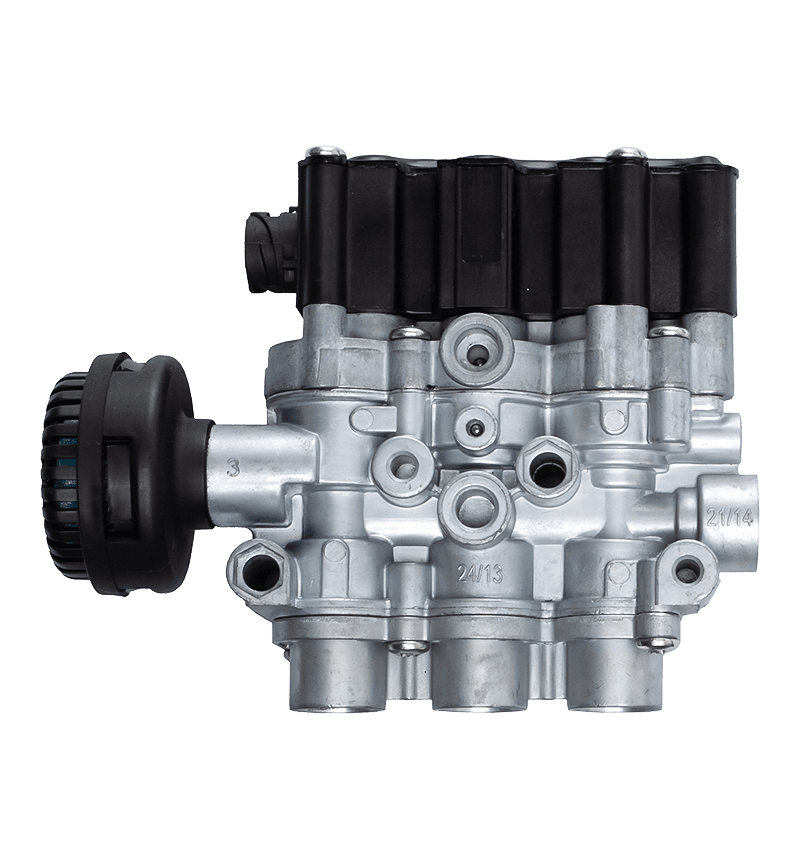
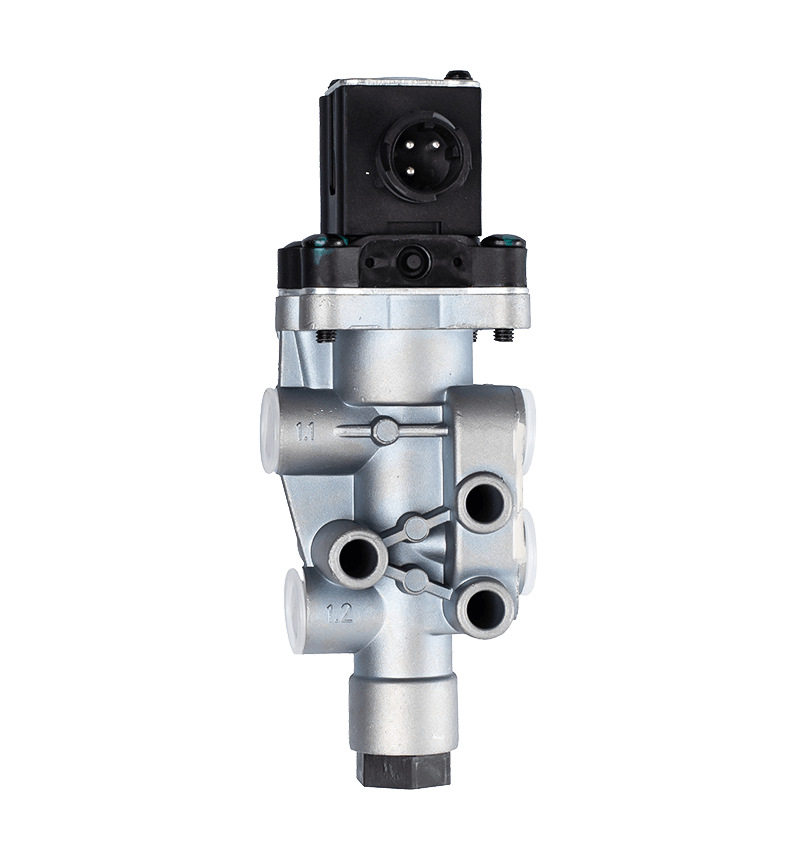
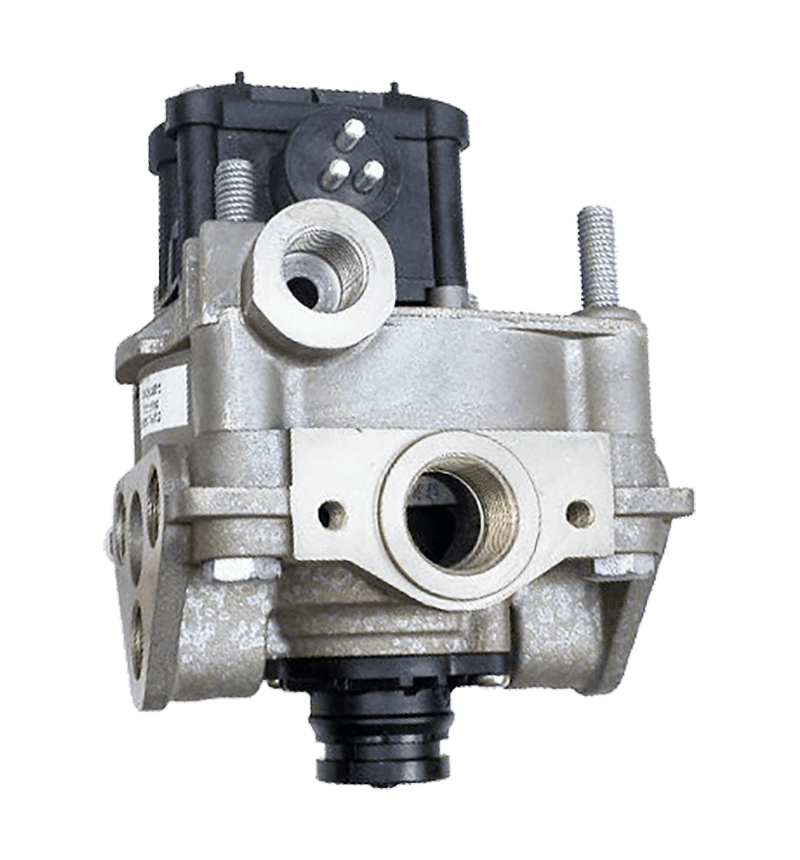
Vehicle brake valves play a critical role in controlling the braking system's pressure and ensuring that the brakes function effectively and safely. These valves regulate the flow of air or hydraulic fluid within the brake system, adjusting the pressure to achieve the desired braking force. Common types of brake valves include ECAS valves, hand brake valves, pressure limiting valves, and others that help control the vehicle's braking system. These components are vital for maintaining optimal braking performance in both light and heavy-duty vehicles.
Over time, brake valves can experience faults that impact their functionality, potentially compromising vehicle safety. Understanding common faults and troubleshooting methods is crucial for maintaining the reliability and effectiveness of the braking system.
Vehicle brake valves can encounter several types of faults, ranging from minor issues to severe malfunctions that compromise braking performance. These faults are often caused by wear and tear, contamination, or improper maintenance. Below are some of the most common faults observed in vehicle brake valves:
One of the most common issues with brake valves is leakage. This can occur in various parts of the valve assembly, such as seals, O-rings, or the valve body itself. Leakage can result from normal wear, physical damage, or contamination from dirt and debris. A leaking brake valve can lead to insufficient braking force or loss of pressure, which affects the overall performance of the braking system.
Leaking valves can be identified by a visible accumulation of brake fluid or air around the valve or by reduced braking efficiency. In the case of pneumatic systems, hissing sounds may indicate an air leak. Regular inspection and replacement of seals and O-rings can help prevent this issue.
Contaminants such as dirt, rust, and debris can clog the valve's internal components, restricting the flow of air or hydraulic fluid. This blockage can prevent the valve from functioning correctly, leading to poor brake performance, such as delayed response or uneven braking. Blocked valves can also cause excessive wear on other brake components due to inconsistent pressure distribution.
Signs of a clogged valve may include difficulty in applying the brakes, a lack of brake pressure, or a slow response time. In some cases, a blocked valve may result in the vehicle pulling to one side during braking. To prevent blockages, regular cleaning of the brake system and proper filtration are essential.
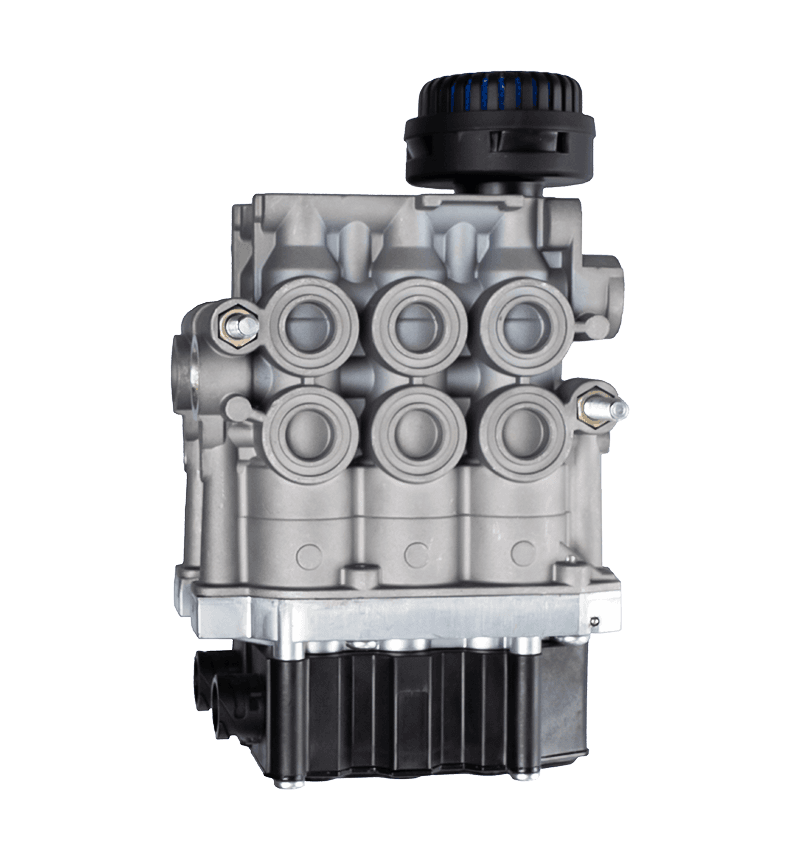
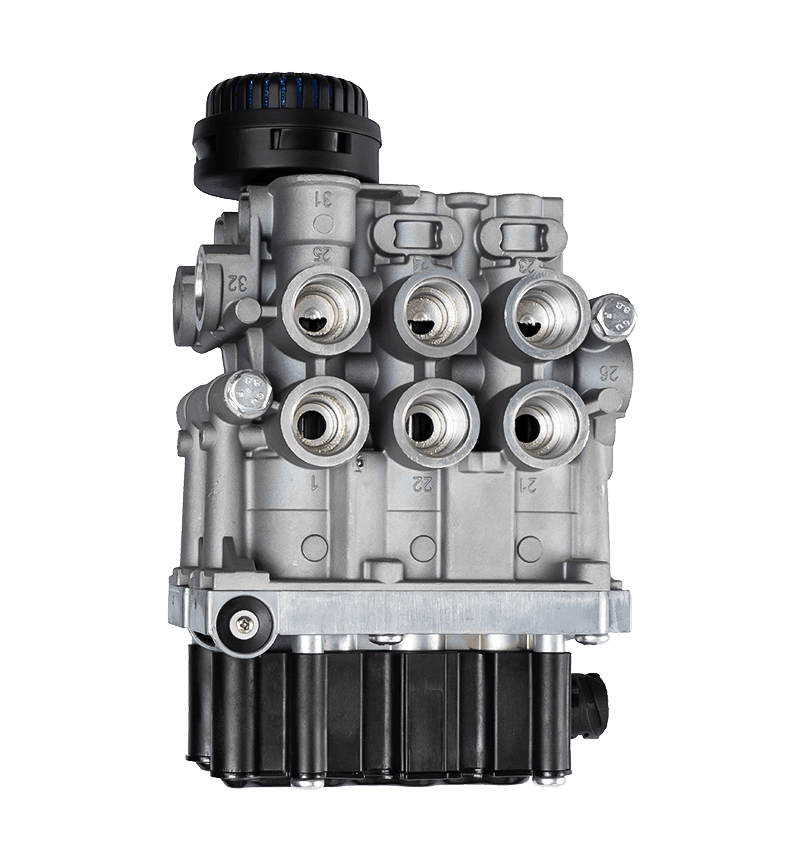
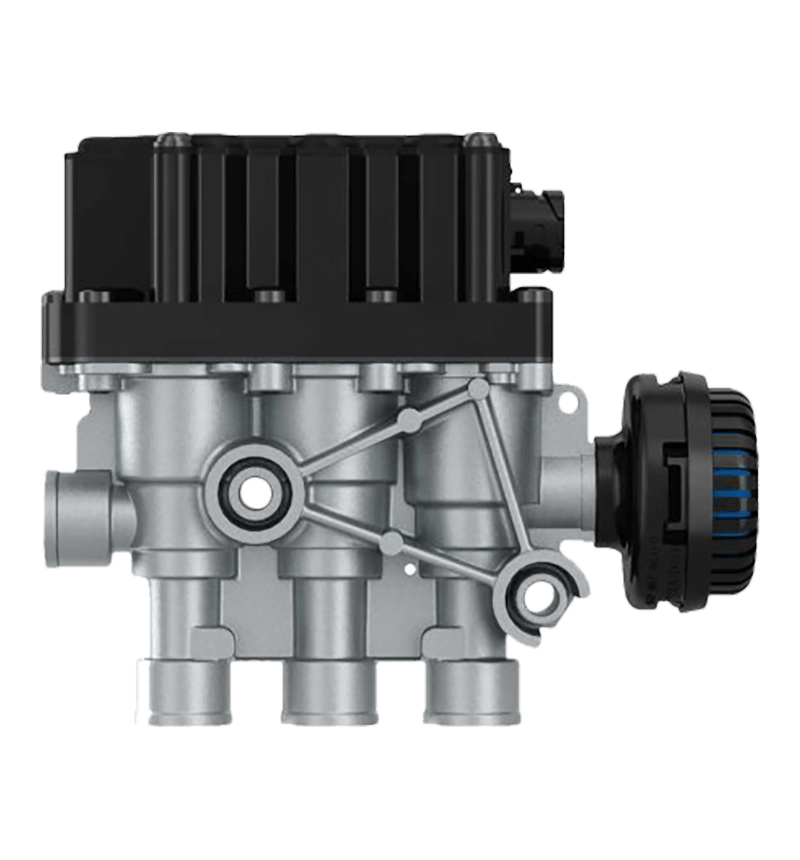
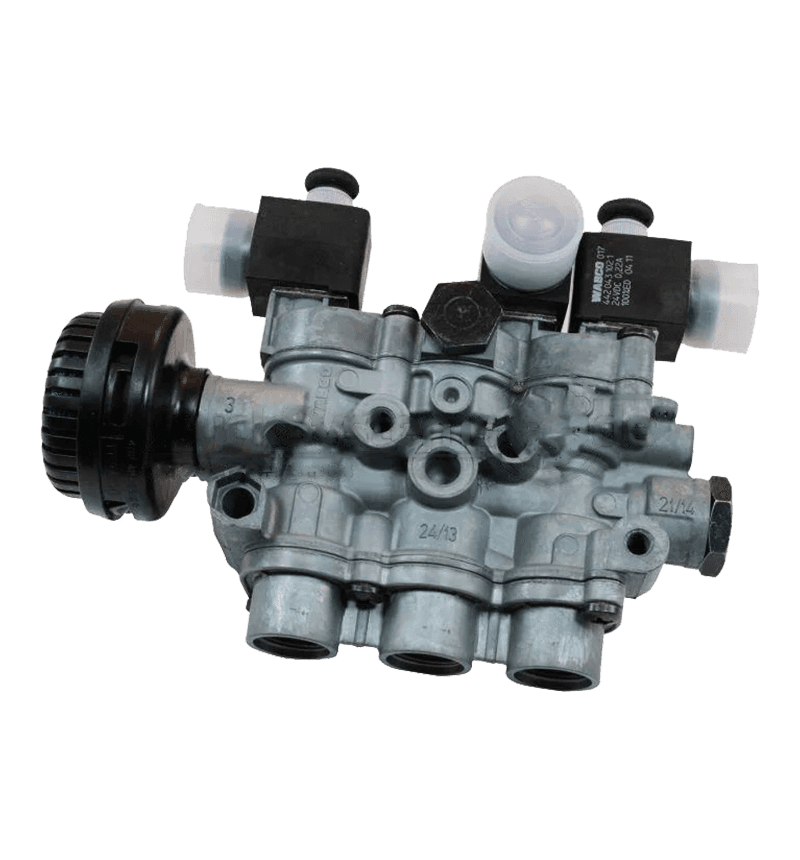
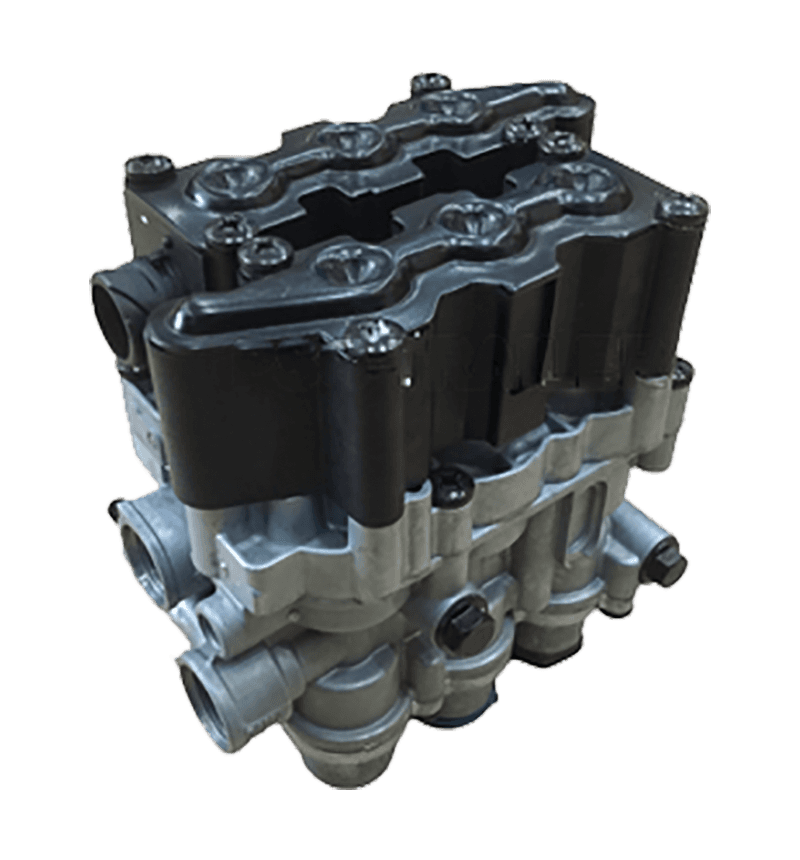
The Electronic Control Air Suspension (ECAS) valve is responsible for controlling air suspension in heavy-duty vehicles. When the ECAS valve malfunctions, it can affect the air suspension and brake system, leading to unstable braking force or improper ride height. A faulty ECAS valve can result in uneven braking, an uncomfortable ride, or loss of braking power under certain conditions.
Symptoms of a faulty ECAS valve include uneven vehicle height, an excessively soft or hard ride, or difficulty in controlling the braking force. If the ECAS system fails to maintain the correct air pressure, it may trigger warning lights or error codes on the vehicle’s diagnostic system. Troubleshooting involves checking the valve’s electrical connections, ensuring the air lines are clear, and verifying the valve’s operation through system diagnostics.
Hand brake valves are essential for controlling the parking brake system in vehicles. If the hand brake valve becomes faulty, the parking brake may not engage properly, resulting in the vehicle rolling away when parked. Common issues with hand brake valves include leakage, blockage, or malfunction of the valve’s internal mechanism.
Common symptoms of a hand brake valve fault include the inability to set the parking brake, a loose or unresponsive handbrake lever, or a failure of the parking brake to hold the vehicle in place. Inspecting the valve for leaks and ensuring the internal components are clean and lubricated can help resolve these issues.
The pressure limiting valve is responsible for maintaining the correct pressure within the braking system, preventing excessive pressure that could damage components or cause uneven braking. Faults in pressure limiting valves can lead to either too much or too little braking pressure, resulting in poor braking performance, overheating, or brake failure.
Symptoms of a pressure limiting valve issue include uneven braking force, excessive brake pedal travel, or unresponsive brakes. Troubleshooting involves checking the valve’s pressure settings and ensuring that the system is calibrated correctly. If the valve is damaged or worn out, it should be replaced to restore optimal braking performance.
Effective troubleshooting involves identifying the source of the problem and implementing corrective actions. Below are some methods for diagnosing and resolving common brake valve issues:
Leaks in the brake valve assembly are often caused by damaged or worn seals and O-rings. These components need to be inspected regularly for signs of wear, cracking, or degradation. If a leak is detected, replacing the seals and O-rings can prevent further fluid or air loss, restoring proper function to the brake system.
The following table summarizes common causes of leakage and their corresponding troubleshooting methods:
| Cause | Solution |
| Worn seals or O-rings | Replace with new, high-quality seals |
| Contamination (dirt, debris) | Clean the valve and surrounding area |
| Improper installation | Reinstall seals correctly or replace faulty installation components |
For valves that are blocked or clogged, cleaning the internal components is often necessary. This involves disassembling the valve and removing any dirt, rust, or debris that may be obstructing the flow of air or hydraulic fluid. Special cleaning agents or solvents may be used to remove built-up contaminants.
Cleaning can be done using a pressurized air system or solvent-based solutions. It is essential to ensure that the valve components are fully dry and free from residue before reassembling the brake system.
If the ECAS valve is not functioning correctly, it is essential to perform diagnostic tests using a vehicle’s onboard diagnostic (OBD) system or specialized tools. These systems can provide error codes that indicate the specific malfunction in the valve. Replacing the faulty ECAS valve may resolve issues related to air suspension and braking performance.
It is also important to check the air lines connected to the ECAS valve for blockages or leaks, which can affect the valve’s ability to maintain proper pressure.
To diagnose issues with hand brake valves, start by inspecting the valve itself for leaks or damage. The handbrake lever and mechanism should also be checked to ensure they are functioning correctly. If the valve or internal components are worn out, replacement is necessary to ensure the proper engagement of the parking brake.
Regular lubrication of the hand brake valve and associated components can help prevent sticking or malfunctions in the future.
If the pressure limiting valve is suspected to be malfunctioning, it should be tested for correct pressure settings. This can be done by checking the brake system's overall pressure using a pressure gauge and comparing it to the manufacturer's specifications. If the pressure is too high or too low, the pressure limiting valve may need to be replaced or recalibrated.
Proper calibration of the valve ensures that the braking system operates at the correct pressure, improving overall performance and safety.
Regular maintenance is essential for preventing brake valve faults and ensuring the longevity of the braking system. This includes:
Vehicle brake valves are essential for maintaining safe and effective braking performance. Common faults, such as leaks, blockages, or malfunctioning valves, can be identified and addressed through regular inspection and troubleshooting. Understanding the causes of these faults and applying the appropriate solutions ensures that the braking system remains reliable and effective over time.
 NO. 132 Xingye Road,Fengqiao Town ,Zhuji City,Zhejiang
 +86-13958007768 +86-13655857582
Copyright © Zhuji Infia Auto Parts Co., Ltd. All Rights Reserved.
Wholesale Truck/Bus Brake Parts Suppliers
 English
 Español