E-mail: [email protected]
E-mail: [email protected]Address: NO. 132 Xingye Road,Fengqiao Town ,Zhuji City,Zhejiang
Whatsapp: +86-13958007768
Whatsapp: +86-13655857582




Need Help
+86-13958007768
E-mail: [email protected]
E-mail: [email protected]
Address: NO. 132 Xingye Road,Fengqiao Town ,Zhuji City,Zhejiang
Whatsapp: +86-13958007768
Whatsapp: +86-13655857582
Our team is proud to offer on time guarantee and product guarantee to customer satisfaction.
Read MoreNews
 Home / News / Industry News / What are some common failure modes of ECAS valves that require attention?
  2026.02.19
 Industry News
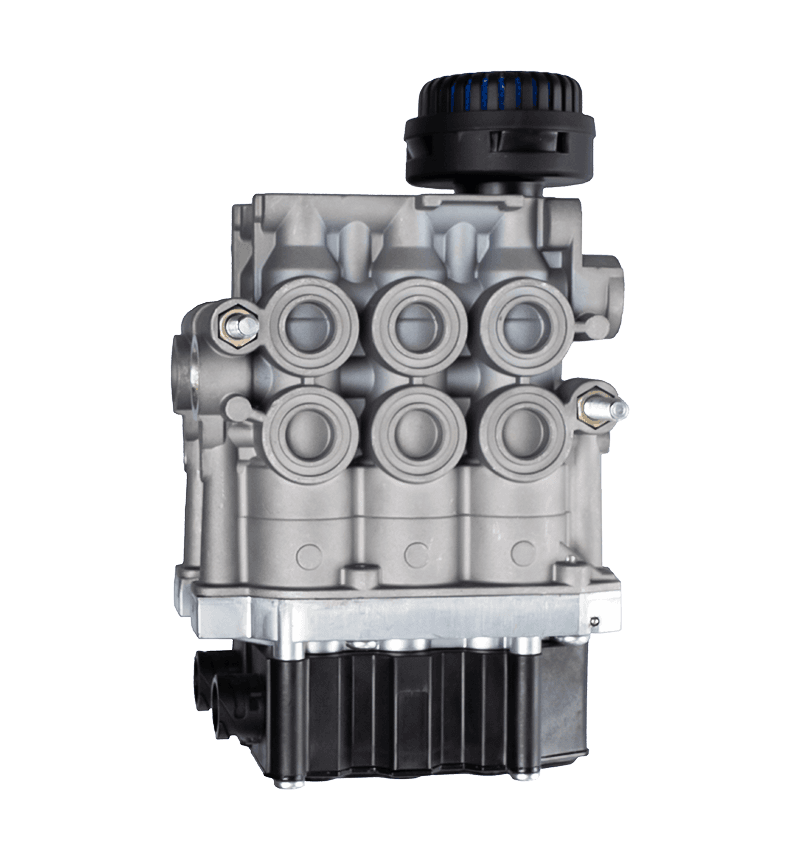
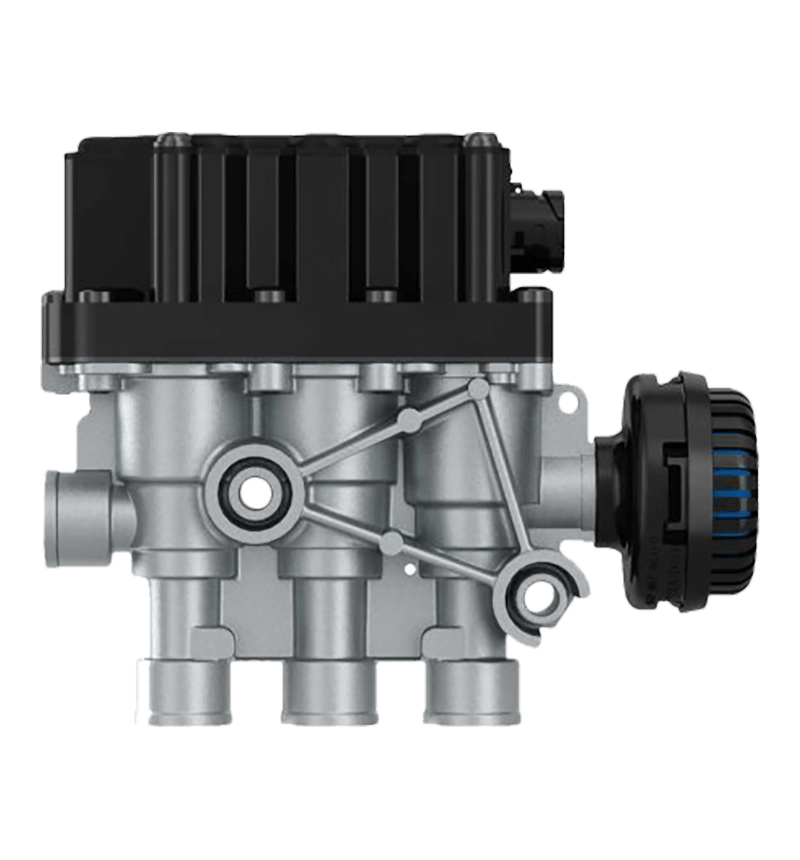
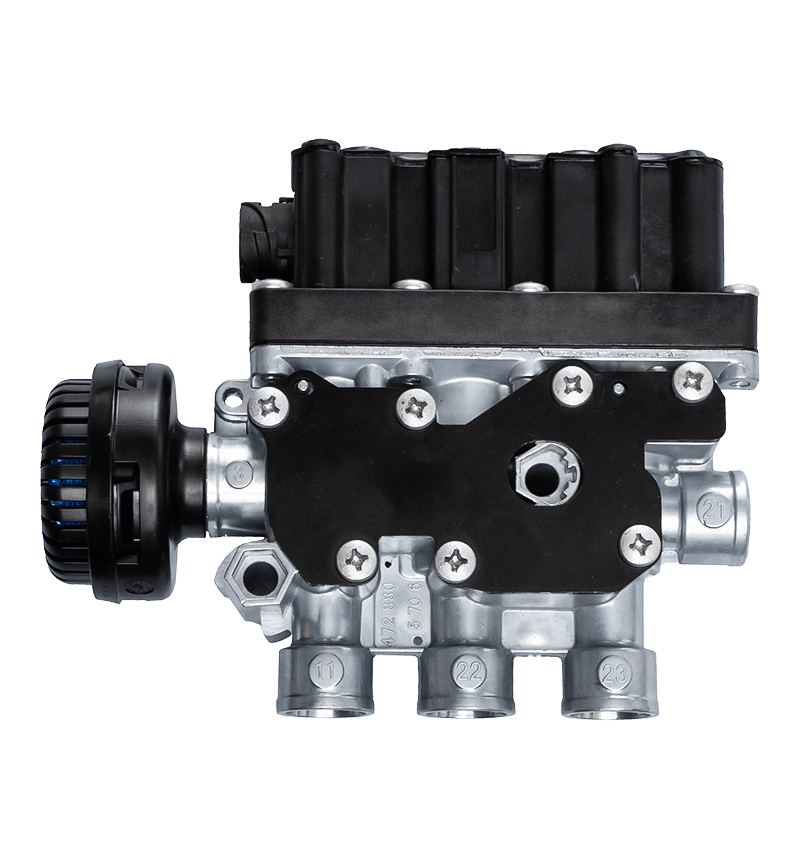
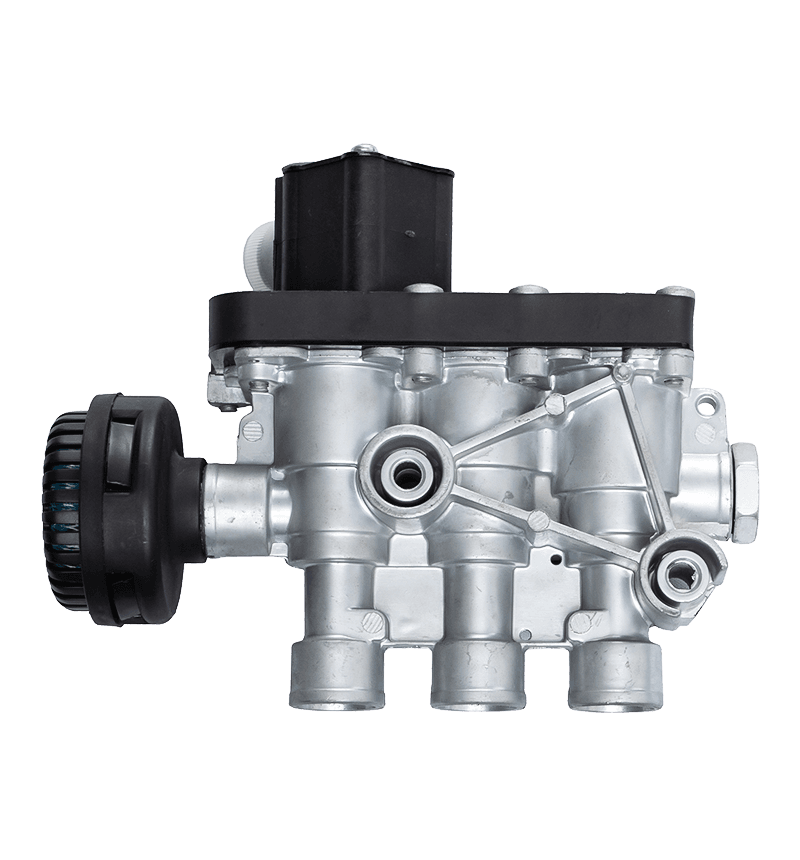
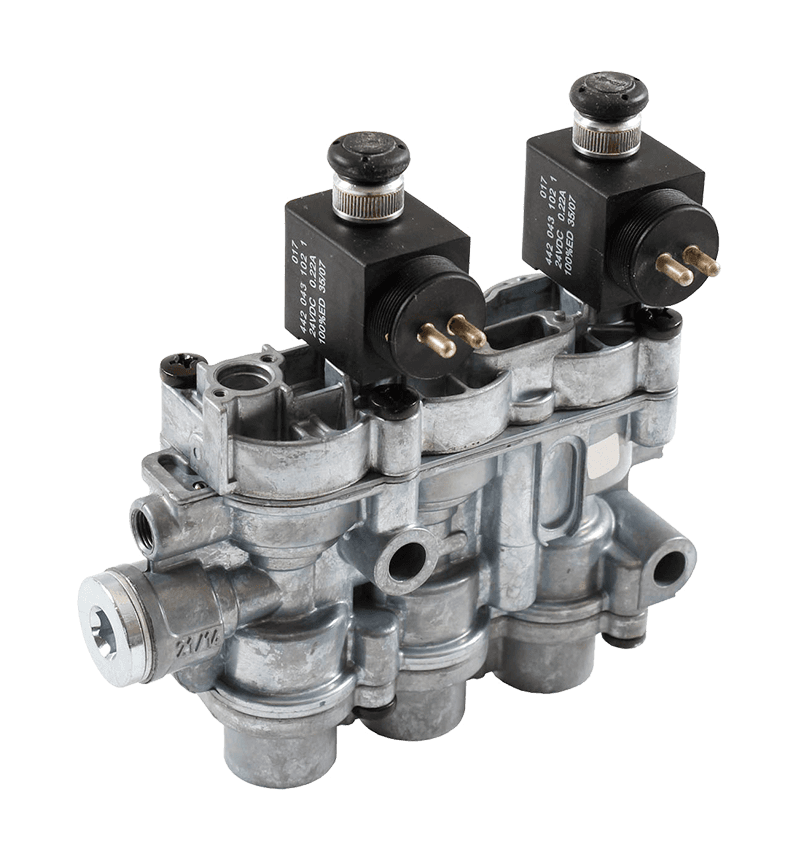
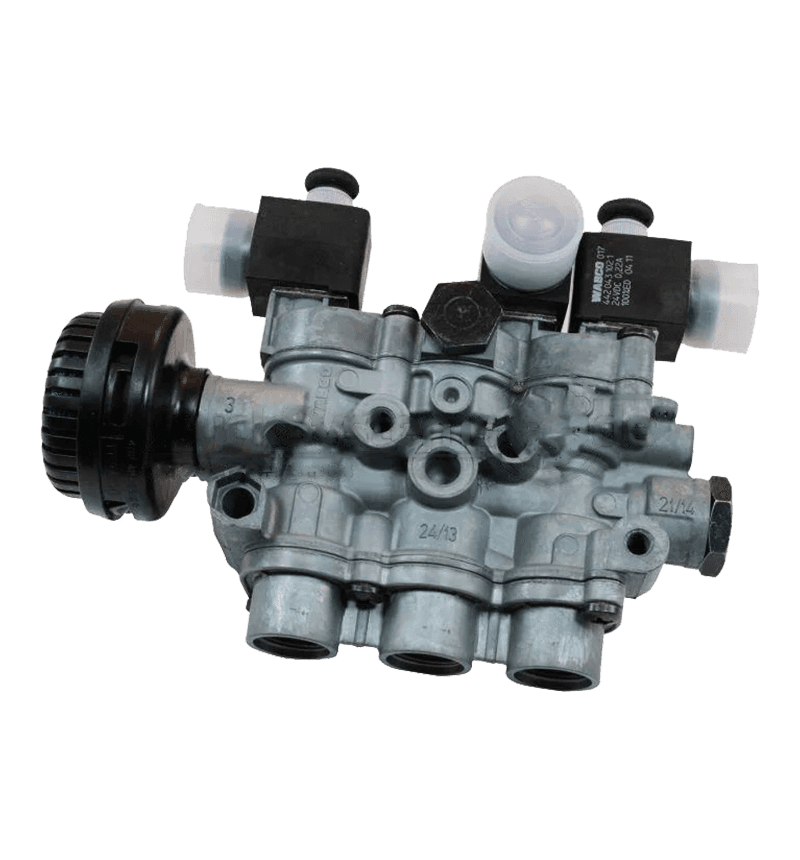
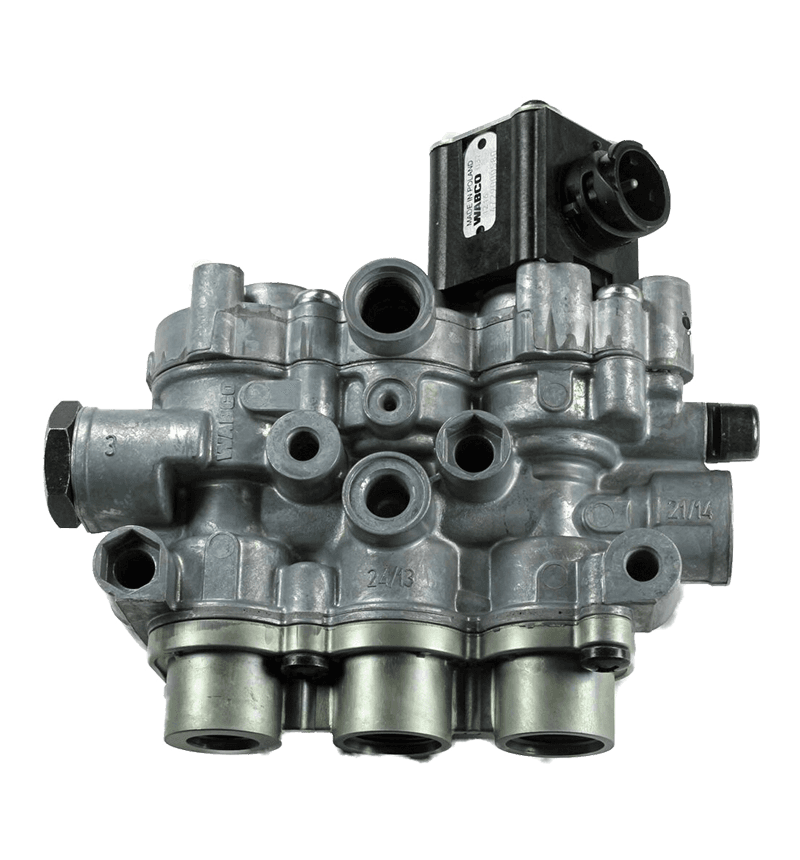
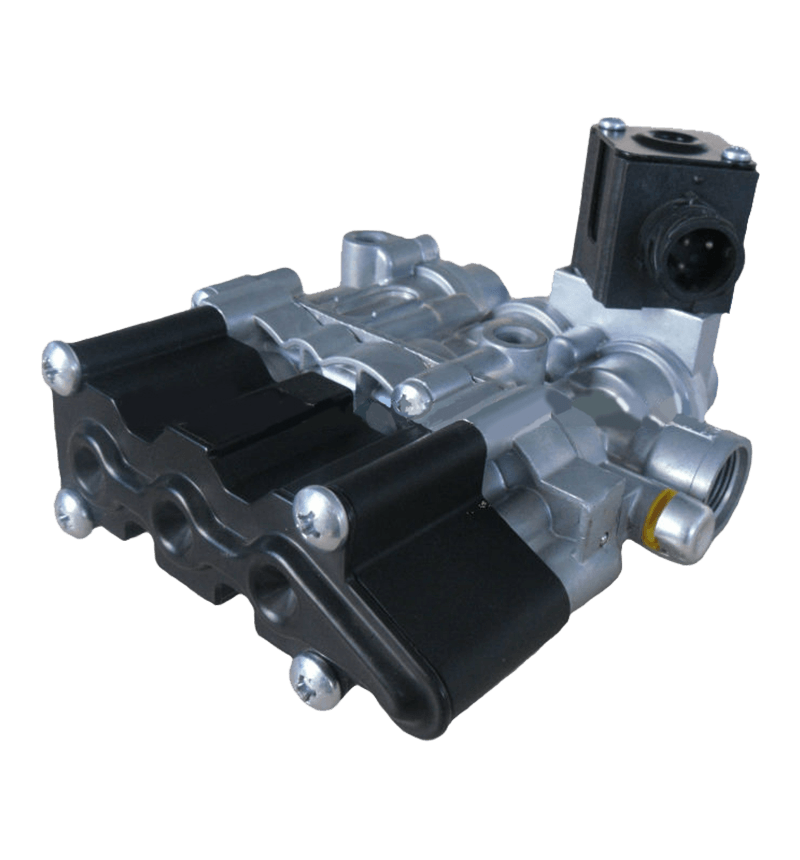
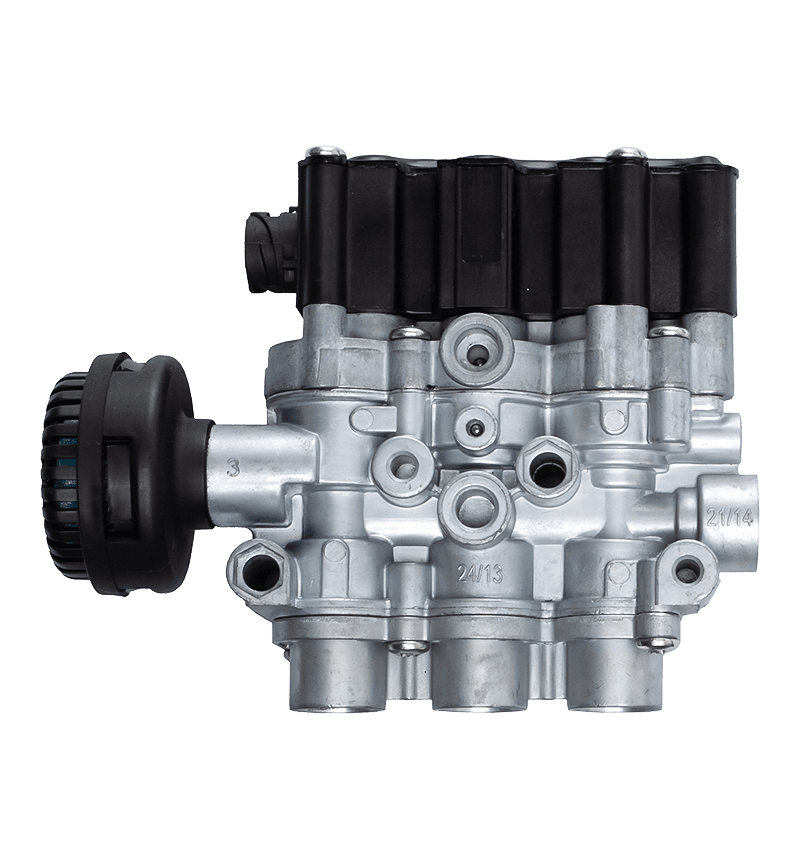
ECAS valves are key components in electronically controlled air suspension systems, where they regulate the intake and exhaust of compressed air to maintain vehicle ride height and balance. Because these valves operate frequently and interact with electrical, pneumatic, and mechanical subsystems, they are exposed to a range of stresses during normal use. Over time, certain failure modes may develop, affecting system performance and reliability.
Identifying common ECAS valve failure modes helps operators, maintenance personnel, and system designers focus on inspection, preventive maintenance, and appropriate corrective actions. Many issues develop gradually rather than suddenly, making early attention especially important.
One of the most frequently observed failure modes in ECAS valves is air leakage caused by seal wear or aging. Internal seals are responsible for isolating different air channels and maintaining pressure when the valve is in a closed or neutral position. With repeated cycling, seals may lose elasticity or develop surface wear.
Air leakage can lead to slow pressure loss in the suspension system, resulting in gradual vehicle height changes when parked or during operation. Because this process is often slow, it may go unnoticed until ride height deviation becomes more pronounced.
ECAS valves rely on precise movement of internal spools or plungers. Dust, oil mist, moisture, or corrosion particles introduced through the air supply can accumulate inside the valve body. Over time, this contamination may increase friction or obstruct movement.
Valve sticking can manifest as delayed response, incomplete opening or closing, or inconsistent behavior. In some cases, the valve may remain partially open, causing unintended air flow and unstable suspension height.
The electrical solenoid is responsible for converting control signals into mechanical motion within the ECAS valve. Solenoid failure may occur due to coil degradation, overheating, insulation breakdown, or connector issues. Electrical faults can prevent the valve from responding to control commands.
When a solenoid fails, the valve may remain in its last position or default to a fail-safe state. This can result in loss of height control, uneven suspension levels, or warning signals from the control unit.
ECAS valves are often installed in locations exposed to vibration, moisture, and temperature variation. Over time, electrical connectors and wiring harnesses may loosen, corrode, or suffer insulation damage. These issues can interrupt signal transmission to the valve.
Intermittent electrical connections may cause sporadic valve operation, making diagnosis challenging. Such failures often mimic control unit or sensor issues, emphasizing the need for thorough inspection.
Moisture is a persistent concern in compressed air systems. If air drying and filtration are insufficient, water vapor can condense inside the ECAS valve. Prolonged exposure to moisture may lead to corrosion of internal metal components.
Corrosion can roughen surfaces, increase friction, and compromise sealing interfaces. In advanced stages, it may lead to mechanical binding or internal leakage that affects pressure regulation accuracy.
Repeated actuation subjects internal components such as spools, springs, and guides to mechanical wear. Although these parts are designed for extended service life, wear can accumulate over high cycle counts.
Mechanical wear may alter clearances and response characteristics, leading to slower actuation or incomplete sealing. These changes often develop gradually, making trend monitoring important.
Flow restriction within the ECAS valve can occur when internal passages become partially blocked by contaminants or deposits. This restriction reduces the effective airflow rate during filling or exhausting operations.
As a result, suspension height adjustments may take longer than expected. While the valve may still function, the slower response can affect system behavior during load changes or leveling operations.
ECAS valves operate across a wide temperature range, but prolonged exposure to extreme heat or cold can affect material properties. Low temperatures may increase seal stiffness, while high temperatures can accelerate material aging.
Temperature-related effects may temporarily alter response behavior or sealing performance. Repeated exposure can contribute to long-term degradation if materials are not adequately matched to operating conditions.
In some cases, ECAS valve behavior that appears to be a valve failure may originate from incorrect or unstable control signals. Sensor drift, control unit calibration issues, or software errors can cause the valve to actuate unexpectedly.
Although the valve itself may be mechanically and electrically sound, such situations still require attention because they affect overall system reliability and may lead to unnecessary valve cycling.
Incorrect installation can introduce stress or misalignment that affects ECAS valve operation. Over-tightened fittings, misaligned air lines, or improper mounting orientation can influence internal movement or sealing.
Installation-related issues may not become apparent immediately but can accelerate wear or lead to leakage over time.
The table below summarizes common ECAS valve failure modes and their typical observable effects in air suspension systems.
| Failure Mode | Primary Cause | Common Symptoms |
| Seal degradation | Aging and repeated cycling | Gradual air loss, vehicle sagging |
| Valve sticking | Contamination or corrosion | Delayed or inconsistent response |
| Solenoid failure | Electrical or thermal stress | No response to control signals |
| Wiring issues | Vibration and environmental exposure | Intermittent operation |
ECAS valve failures rarely occur in isolation. A single issue can influence compressor duty cycles, air spring behavior, and control logic. For example, air leakage may cause the compressor to run more frequently, increasing system wear.
Understanding how valve-related issues propagate through the system helps prioritize corrective action and prevents secondary damage.
Modern ECAS systems often include diagnostic capabilities that monitor valve actuation, pressure changes, and response timing. Deviations from expected behavior may trigger fault codes or warnings.
Regular inspection and data review help identify developing issues before they lead to noticeable ride quality changes or component damage.
Preventive maintenance plays a key role in reducing ECAS valve failure rates. Ensuring clean, dry air supply through proper filtration and drying reduces contamination and corrosion risk.
Periodic inspection of electrical connections, air lines, and mounting hardware helps maintain stable operation and detect early signs of wear.
Vehicles operating in dusty, humid, or corrosive environments may experience higher incidence of ECAS valve issues. Environmental exposure accelerates contamination and material degradation.
In such conditions, maintenance intervals may need adjustment to account for increased stress on valve components.
ECAS valves are designed to balance durability with precise control. Tight tolerances support accurate air regulation but also make components more sensitive to contamination and wear.
This balance underscores the importance of system-level design and maintenance strategies that support long-term valve reliability.
Failure modes often follow recognizable trends, such as gradual response slowdown or increasing air loss over time. Tracking these patterns allows for predictive maintenance rather than reactive repair.
By understanding common ECAS valve failure modes, operators can take informed steps to maintain system performance and reduce unexpected downtime.
 NO. 132 Xingye Road,Fengqiao Town ,Zhuji City,Zhejiang
 +86-13958007768 +86-13655857582
Copyright © Zhuji Infia Auto Parts Co., Ltd. All Rights Reserved.
Wholesale Truck/Bus Brake Parts Suppliers
 English
 Español