E-mail: [email protected]
E-mail: [email protected]Address: NO. 132 Xingye Road,Fengqiao Town ,Zhuji City,Zhejiang
Whatsapp: +86-13958007768
Whatsapp: +86-13655857582




Need Help
+86-13958007768
E-mail: [email protected]
E-mail: [email protected]
Address: NO. 132 Xingye Road,Fengqiao Town ,Zhuji City,Zhejiang
Whatsapp: +86-13958007768
Whatsapp: +86-13655857582
Our team is proud to offer on time guarantee and product guarantee to customer satisfaction.
Read MoreNews
 Home / News / Industry News / Clutch Servos: Enhancing Transmission Efficiency and Driving Comfort in Modern Vehicles
  2026.04.16
 Industry News
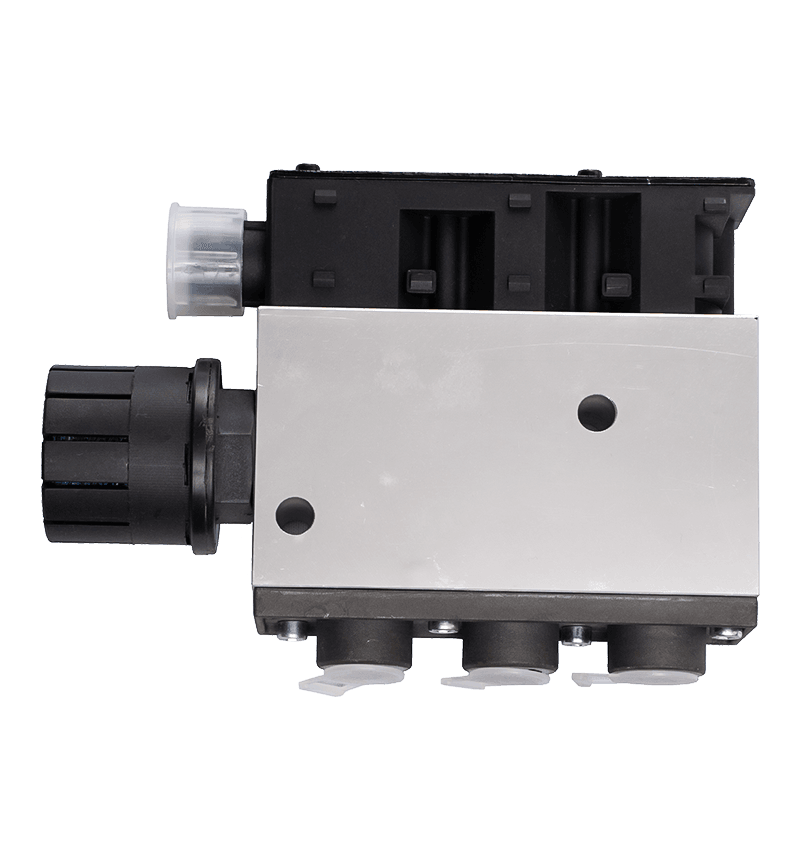
Clutch servos are critical components that amplify input force to engage or disengage the clutch smoothly, significantly reducing driver effort while improving shifting precision and overall transmission efficiency. They are widely used in commercial vehicles, heavy-duty trucks, buses, and industrial machinery where manual clutch operation would otherwise require excessive force.
By converting pneumatic, hydraulic, or electronic signals into controlled mechanical movement, clutch servos ensure consistent clutch engagement, minimize wear, and enhance driving comfort even under demanding operating conditions.
Clutch servos multiply the force applied by the driver or control system. In pneumatic systems, compressed air provides assistance, reducing pedal force by up to 70–80%.
Input signals from the clutch pedal or electronic control unit are translated into mechanical movement, ensuring accurate timing of clutch engagement and disengagement.
Modern clutch servos are often integrated with automated manual transmissions (AMTs), enabling smoother gear changes and reducing operator fatigue.
These use compressed air to assist clutch operation and are commonly found in heavy-duty trucks and buses. They provide strong force amplification and reliable performance in high-load conditions.
Hydraulic systems offer smooth and precise control, often used in medium-duty vehicles and specialized machinery.
These advanced systems are controlled by electronic signals and are essential in automated and semi-automated transmissions.
| Type | Power Source | Efficiency | Typical Application |
|---|---|---|---|
| Pneumatic | Compressed air | High | Heavy trucks, buses |
| Hydraulic | Fluid pressure | Medium-High | Light commercial vehicles |
| Electronic | Electric motor | Very High | Automated transmissions |
In commercial fleets, the adoption of clutch servos has been shown to reduce clutch wear rates by up to 30–40%, significantly lowering operating costs.
Clutch servos must be designed to handle varying torque loads, especially in heavy-duty applications where clutch forces can exceed 2,000 N.
Fast and accurate response is essential to ensure smooth gear transitions and prevent transmission shock.
Components must withstand harsh conditions such as high temperatures, vibration, and exposure to dust or moisture.
Leaks can reduce servo efficiency and lead to inconsistent clutch performance. Regular inspection of seals and hoses is essential.
Contaminated fluid can cause wear and reduce responsiveness. Periodic fluid replacement is recommended.
Sensor or actuator malfunctions can disrupt clutch operation, requiring diagnostic tools for troubleshooting.
The evolution of vehicle transmission systems is driving innovation in clutch servo technology. With the rise of automation and electrification, clutch servos are becoming more intelligent and efficient.
These advancements are enabling more precise control, improved fuel efficiency, and enhanced driving experiences across a wide range of vehicle platforms.
 NO. 132 Xingye Road,Fengqiao Town ,Zhuji City,Zhejiang
 +86-13958007768 +86-13655857582
Copyright © Zhuji Infia Auto Parts Co., Ltd. All Rights Reserved.
Wholesale Truck/Bus Brake Parts Suppliers
 English
 Español