E-mail: [email protected]
E-mail: [email protected]Address: NO. 132 Xingye Road,Fengqiao Town ,Zhuji City,Zhejiang
Whatsapp: +86-13958007768
Whatsapp: +86-13655857582




Need Help
+86-13958007768
E-mail: [email protected]
E-mail: [email protected]
Address: NO. 132 Xingye Road,Fengqiao Town ,Zhuji City,Zhejiang
Whatsapp: +86-13958007768
Whatsapp: +86-13655857582
Our team is proud to offer on time guarantee and product guarantee to customer satisfaction.
Read MoreNews
 Home / News / Industry News / ECAS Valve Technology: Improving Air Suspension Control and Vehicle Stability
  2026.04.09
 Industry News
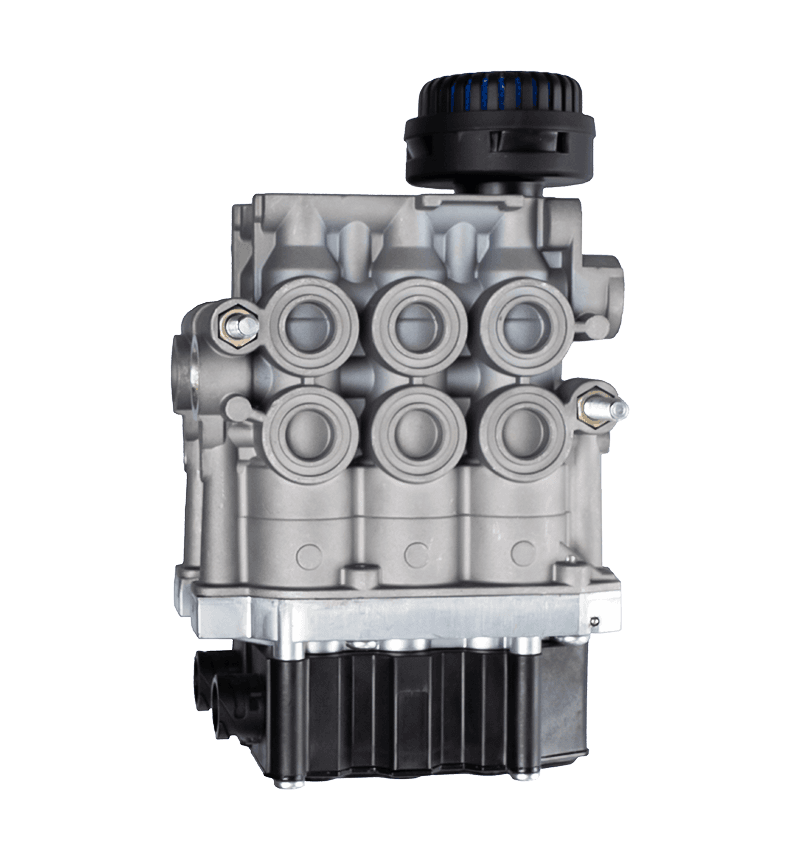
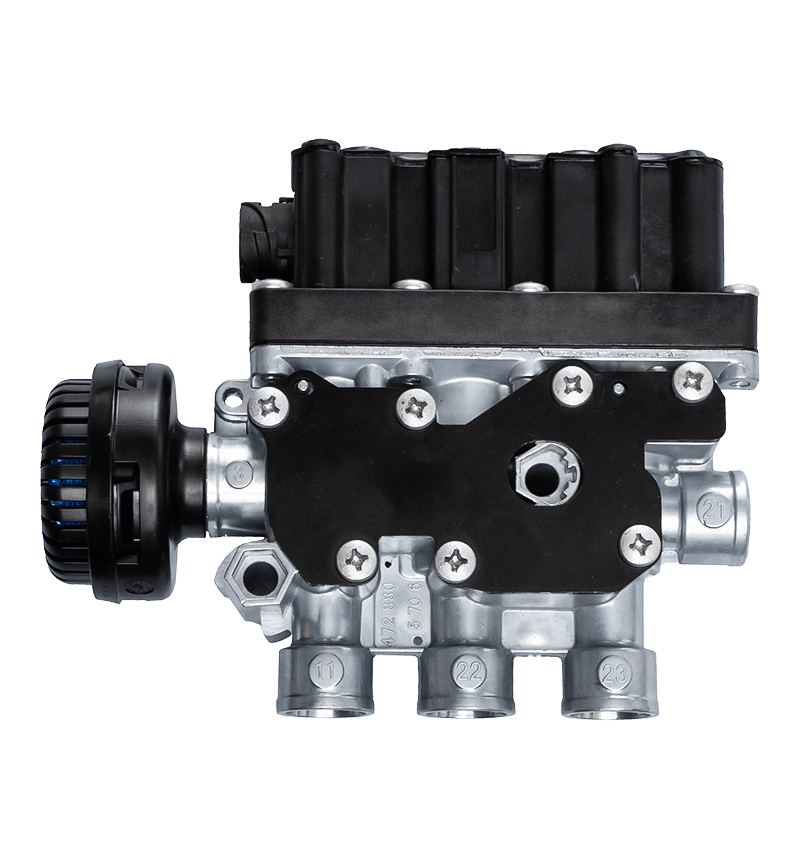
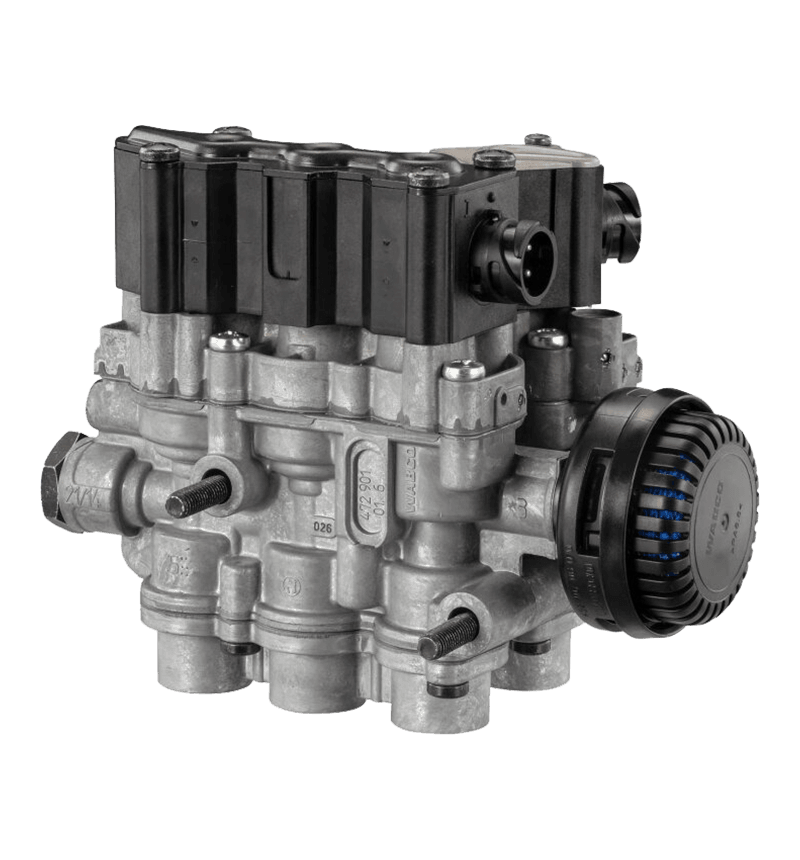
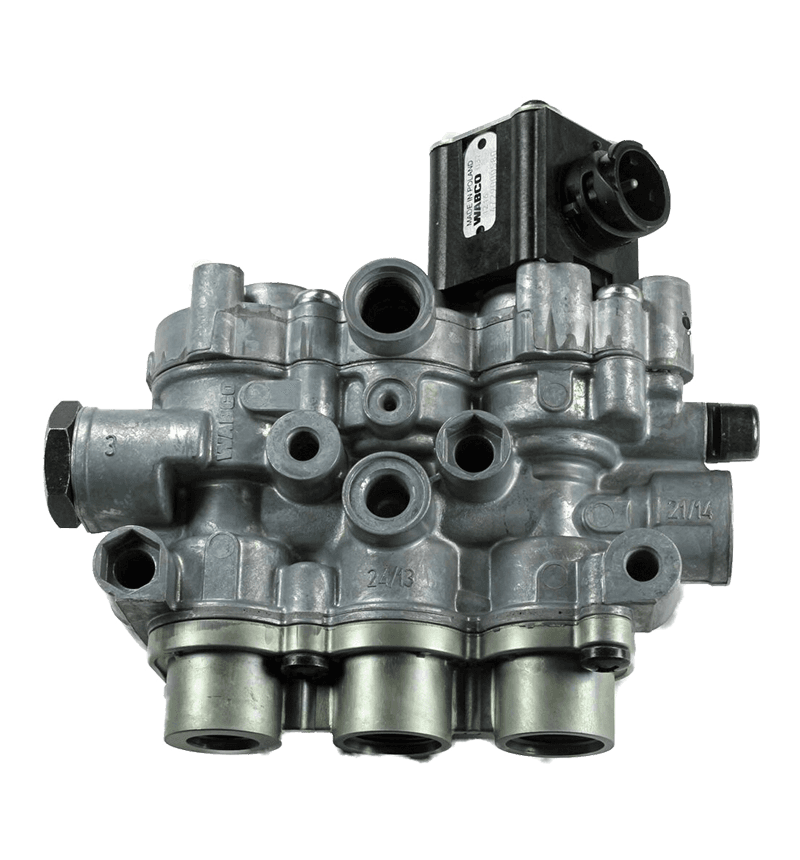
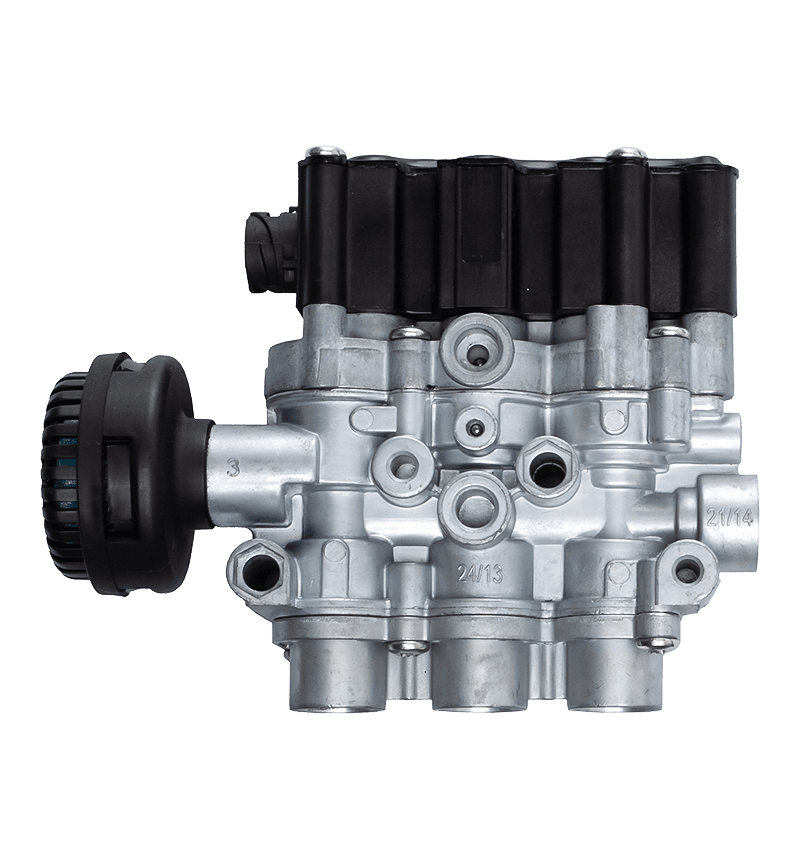
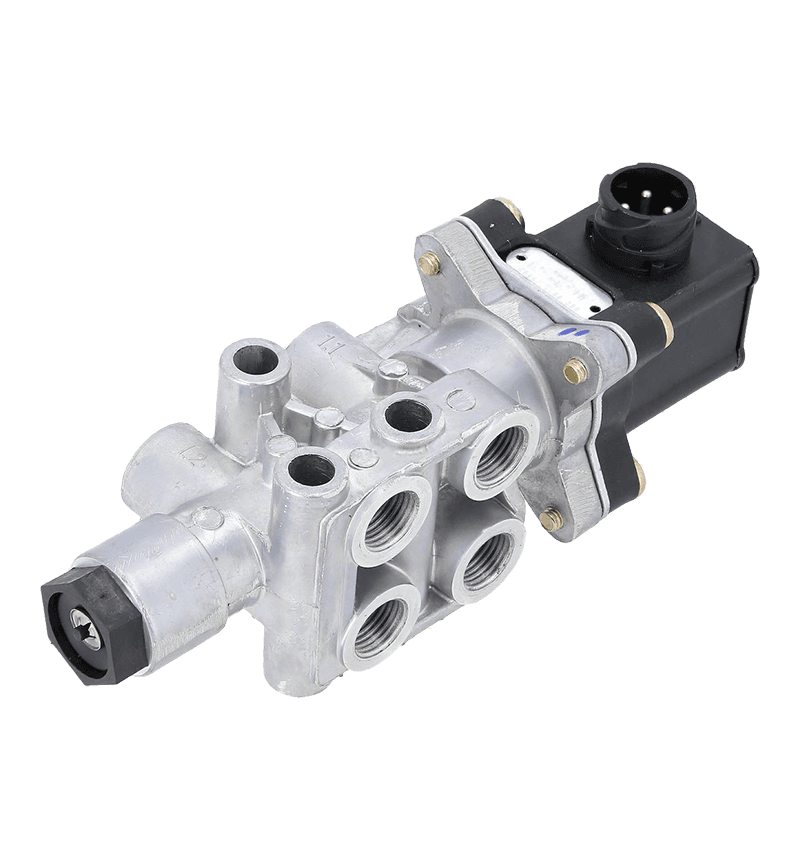
The ECAS valve is a critical component in electronic controlled air suspension systems, enabling precise height adjustment, improved ride stability, and optimized load distribution in commercial vehicles.
By automatically regulating air pressure within suspension airbags, the ECAS (Electronically Controlled Air Suspension) valve ensures consistent vehicle height under varying load conditions. This not only enhances driving comfort but also improves safety, fuel efficiency, and component lifespan in trucks, trailers, and buses.
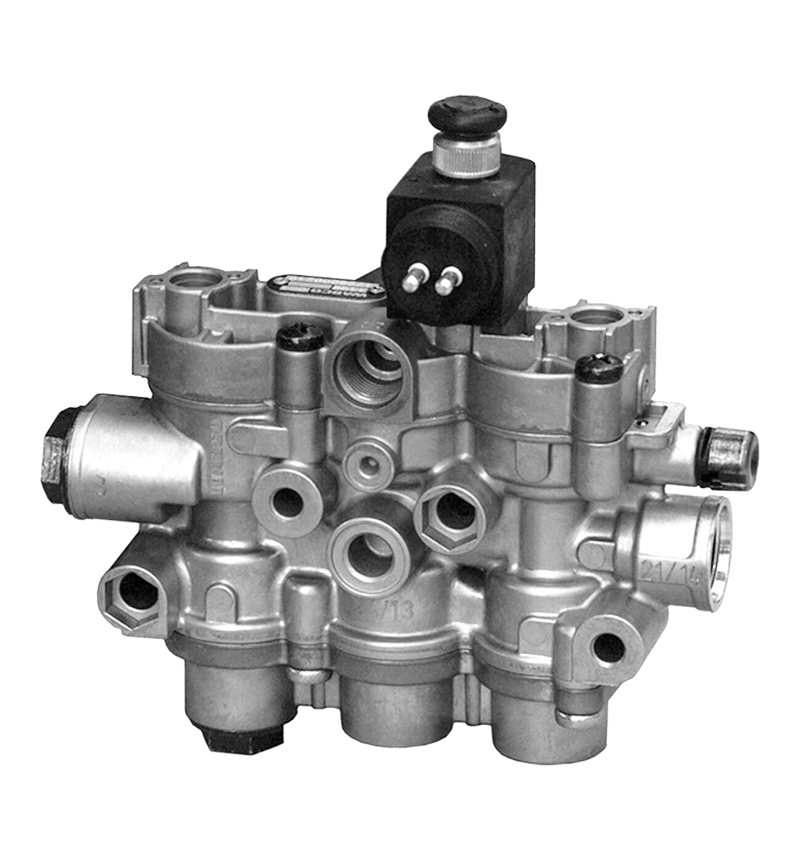
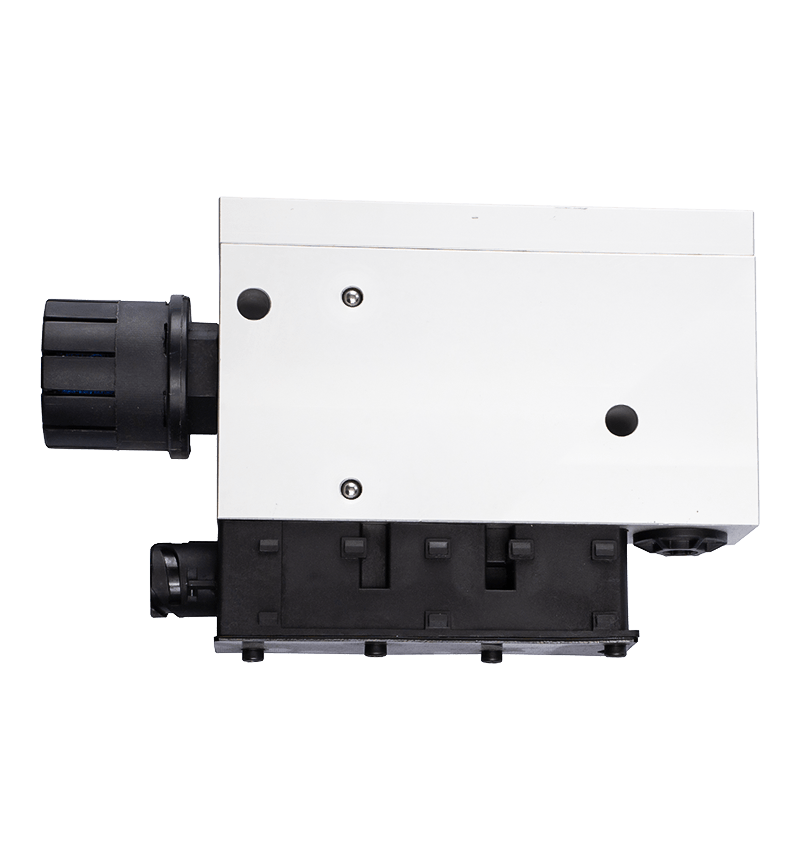
An ECAS valve is an electronically controlled pneumatic valve used to manage air flow into and out of suspension air springs. It works in conjunction with sensors, an electronic control unit (ECU), and air compressors to maintain optimal ride height.
The system continuously monitors vehicle height through sensors mounted on the axle and chassis. When a deviation is detected, the ECAS valve adjusts air pressure accordingly—either inflating or deflating the airbags.
This closed-loop system can respond within milliseconds, ensuring stable performance even under dynamic driving conditions.
ECAS valves offer measurable advantages compared to traditional mechanical suspension control systems.
By maintaining a consistent ride height, ECAS systems absorb road shocks more effectively. This results in smoother driving experiences, particularly for long-haul transport.
Uneven loads can cause vehicle tilt and instability. ECAS valves automatically redistribute air pressure, ensuring balanced load distribution and reducing rollover risk.
Maintaining optimal ride height reduces aerodynamic drag. Studies show that properly adjusted suspension systems can improve fuel efficiency by up to 3–5% in highway conditions.
Stable suspension minimizes uneven tire wear and stress on mechanical components, extending maintenance intervals and reducing operational costs.
ECAS valves are widely used in commercial and specialized vehicles where load variability and ride quality are critical.
In logistics fleets, ECAS systems help maintain consistent loading dock heights, improving operational efficiency and reducing loading time.
Understanding key technical parameters helps in selecting the right ECAS valve for specific applications.
| Parameter | Typical Range | Impact |
|---|---|---|
| Operating Pressure | 6–12 bar | Determines lifting capacity |
| Response Time | < 100 ms | Affects system responsiveness |
| Temperature Range | -40°C to 85°C | Ensures reliability in harsh environments |
Proper installation of ECAS valves is essential for achieving optimal performance and avoiding system failures.
Inaccurate installation can lead to delayed response, incorrect ride height, or air leakage, negatively impacting system performance.
Regular maintenance ensures long-term reliability and minimizes unexpected downtime in commercial operations.
Routine inspections every 3–6 months can significantly reduce the risk of system failure and extend the service life of ECAS components.
As vehicle technology evolves, ECAS valves are becoming more advanced, integrating with smart and connected systems.
These developments aim to further improve efficiency, safety, and sustainability in modern transportation systems.
 NO. 132 Xingye Road,Fengqiao Town ,Zhuji City,Zhejiang
 +86-13958007768 +86-13655857582
Copyright © Zhuji Infia Auto Parts Co., Ltd. All Rights Reserved.
Wholesale Truck/Bus Brake Parts Suppliers
 English
 Español