E-mail: [email protected]
E-mail: [email protected]Address: NO. 132 Xingye Road,Fengqiao Town ,Zhuji City,Zhejiang
Whatsapp: +86-13958007768
Whatsapp: +86-13655857582




Need Help
+86-13958007768
E-mail: [email protected]
E-mail: [email protected]
Address: NO. 132 Xingye Road,Fengqiao Town ,Zhuji City,Zhejiang
Whatsapp: +86-13958007768
Whatsapp: +86-13655857582
Our team is proud to offer on time guarantee and product guarantee to customer satisfaction.
Read MoreNews
 Home / News / Industry News / Do Ecas valves have overpressure, overcurrent protection, or leak-proof design?
  2025.11.26
 Industry News
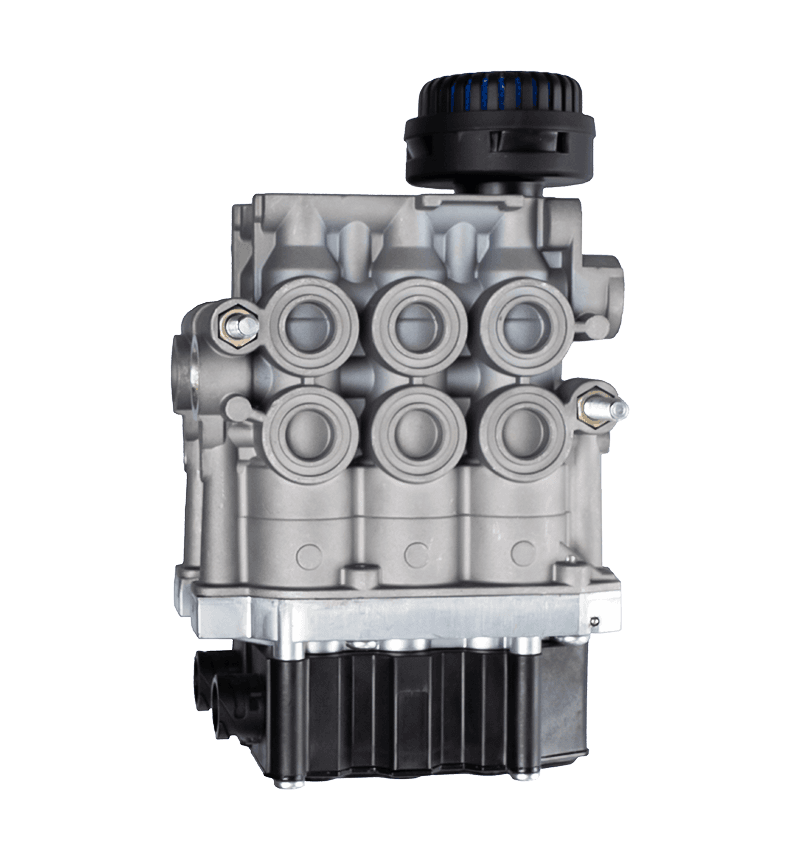
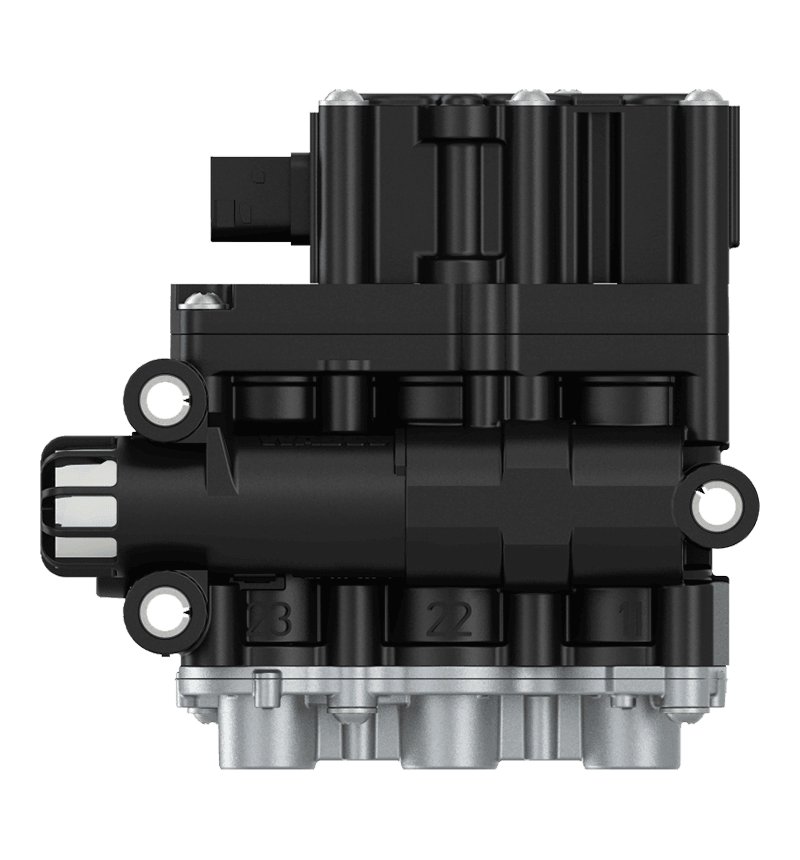
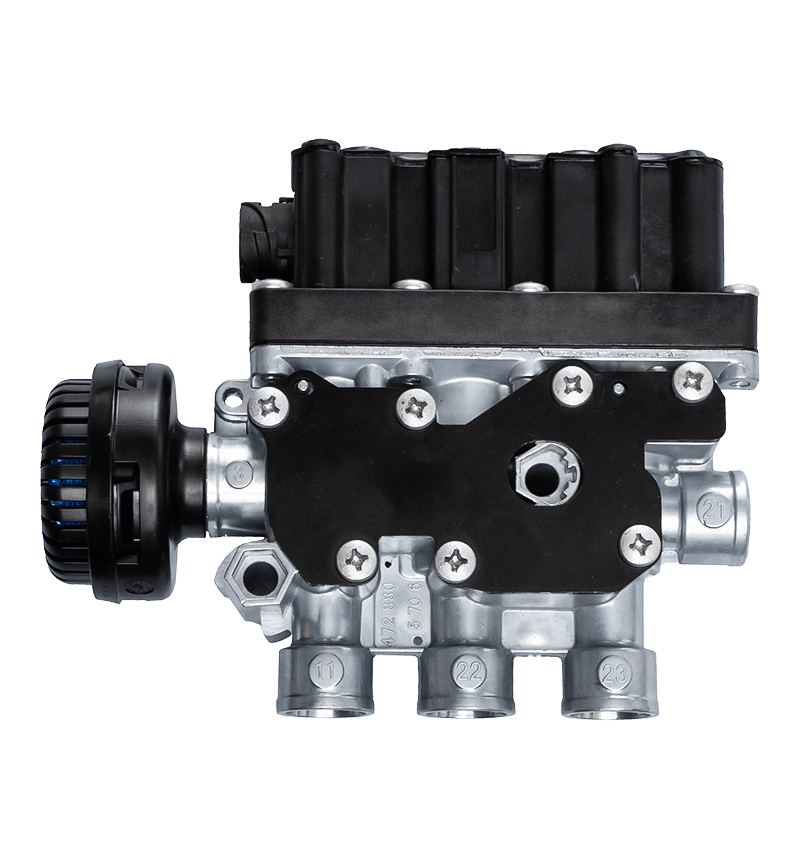
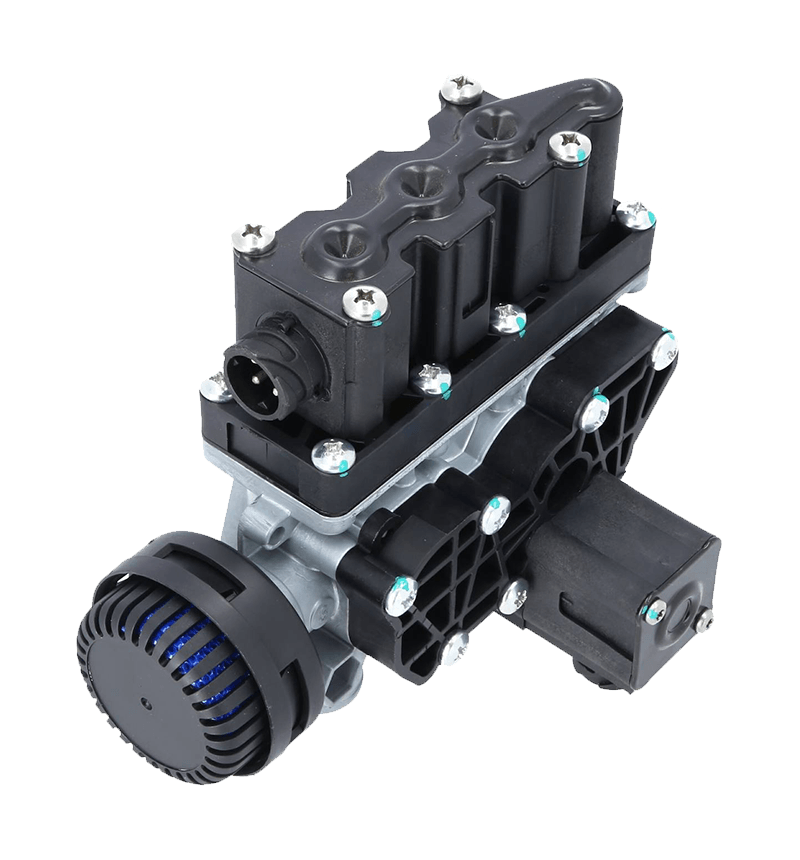
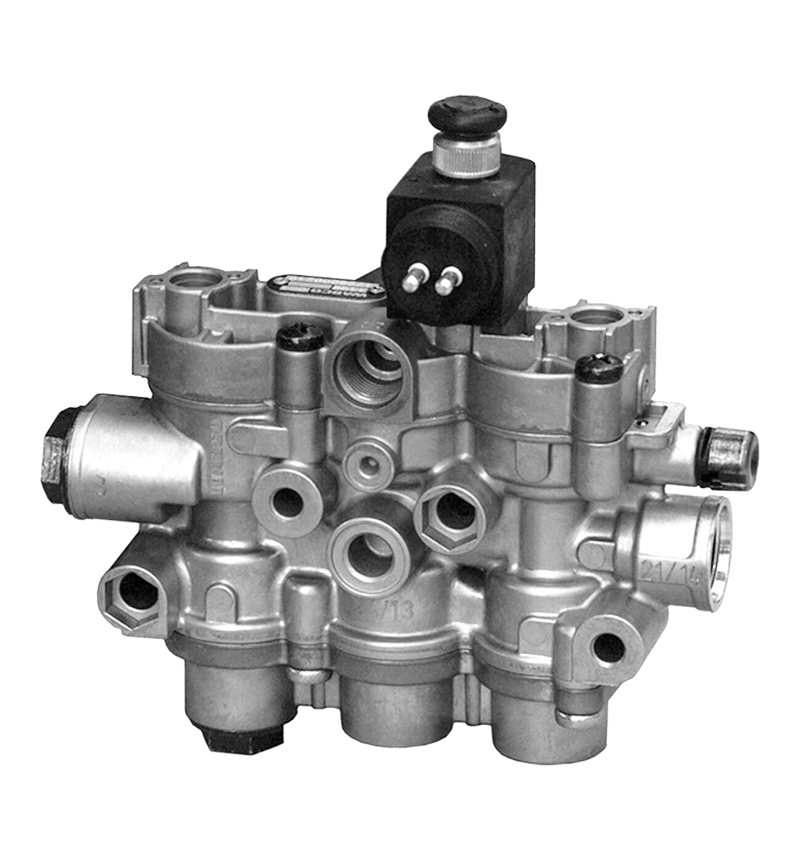
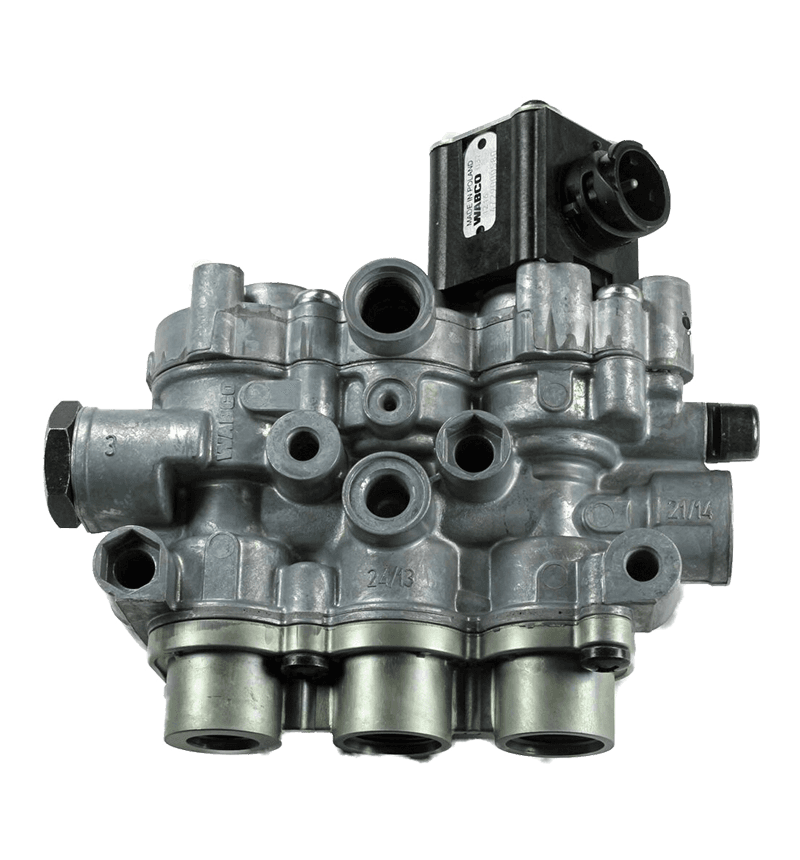
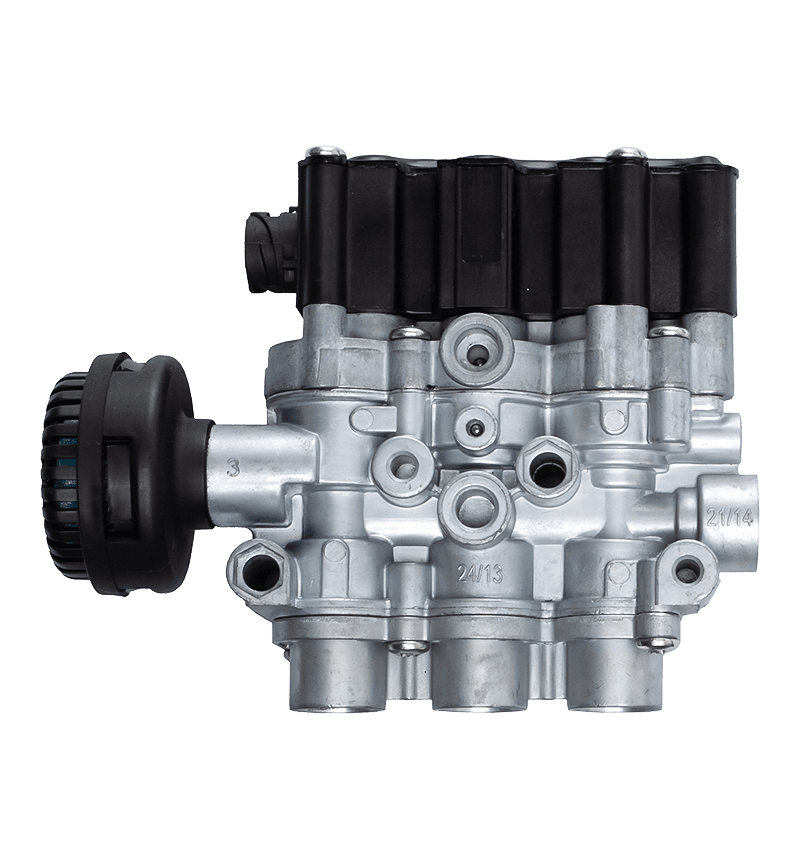
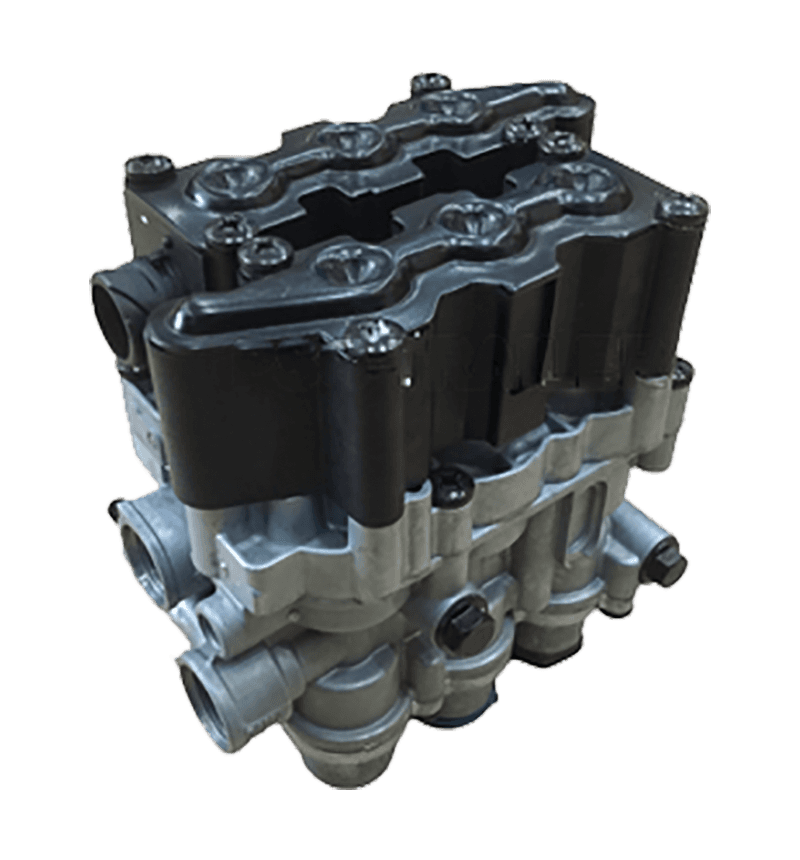
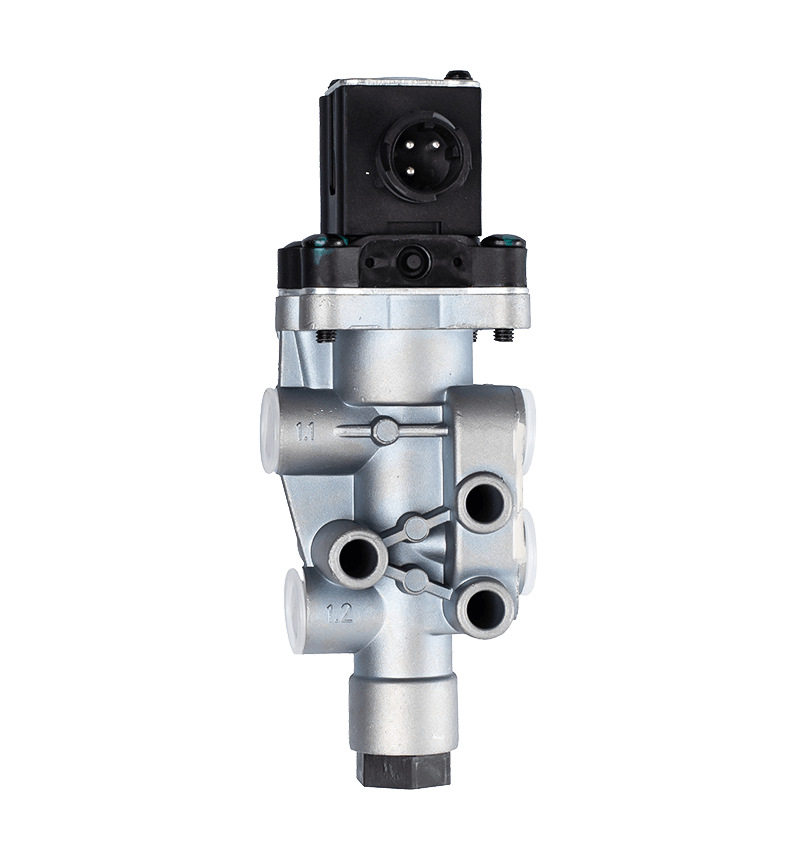
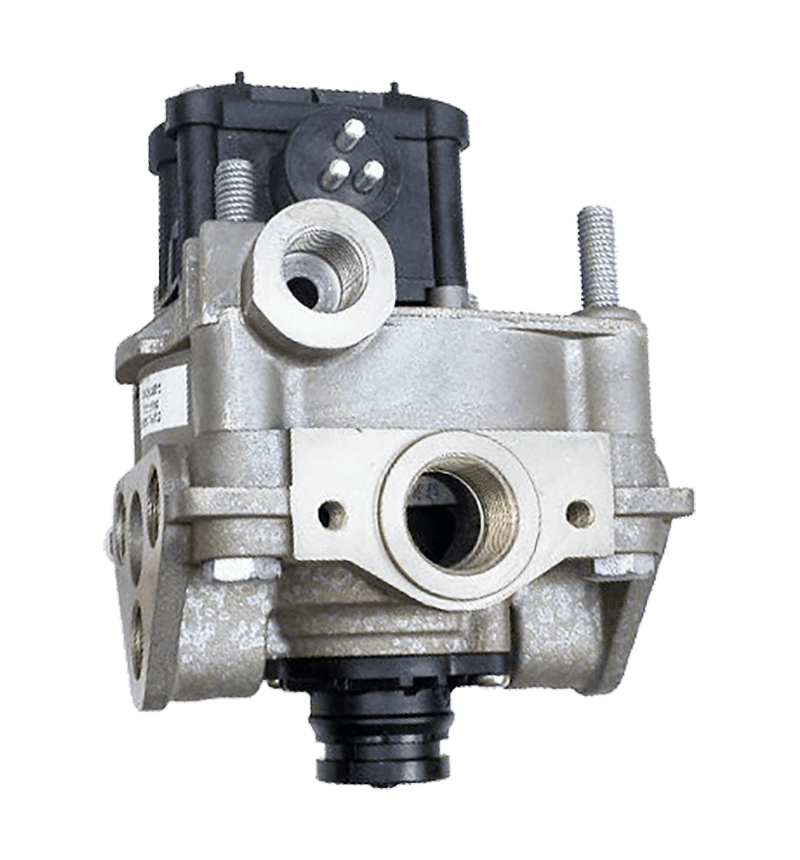
Ecas valves are commonly used in industrial and commercial fluid systems to regulate the flow, pressure, and safety of liquids and gases. Ensuring operational safety is critical, especially in applications where high pressure, electrical components, and fluid handling intersect. Ecas valves are often designed with overpressure protection, overcurrent protection, and leak-proof mechanisms to maintain system stability, protect equipment, and ensure user safety. Understanding these features helps evaluate their reliability and operational efficiency.
Overpressure protection is essential for preventing damage to both the valve and connected piping systems. Ecas valves incorporate mechanisms such as pressure relief components, spring-loaded diaphragms, or pop-off valves that activate when system pressure exceeds a predefined threshold. This prevents structural deformation of the valve body, minimizes the risk of fluid leaks, and protects downstream equipment from sudden pressure spikes. By integrating overpressure protection, Ecas valves maintain safe operational conditions under variable flow and pressure environments.
For Ecas valves with electrical actuation, overcurrent protection is a critical feature to prevent damage to the actuator, solenoid, or control circuitry. Overcurrent protection can be achieved through fuses, circuit breakers, or electronic current-limiting devices integrated into the valve system. When excessive electrical current is detected, these mechanisms interrupt power supply to the actuator, preventing overheating, electrical failure, or potential fire hazards. Proper overcurrent design ensures that electrically controlled Ecas valves can operate safely in fluctuating power conditions.
Leak-proof design is a primary concern in maintaining system efficiency and preventing fluid loss or contamination. Ecas valves employ high-quality seals, gaskets, and precision-machined valve seats to ensure a tight closure under various operational pressures. Materials like PTFE, EPDM, or reinforced rubber are commonly used for their chemical resistance and durability. Additionally, valve bodies may include O-ring grooves, secondary sealing layers, and reinforced joints to enhance leak resistance. These features collectively reduce the likelihood of external leakage and internal bypass, maintaining system integrity.
| Feature | Purpose | Benefit |
|---|---|---|
| Overpressure Protection | Activate when system pressure exceeds set limit | Prevents valve deformation, protects downstream equipment |
| Overcurrent Protection | Interrupt excessive electrical current to actuator | Prevents actuator damage and reduces fire risk |
| Leak-Proof Design | Ensure tight sealing of valve components | Maintains system efficiency and prevents contamination |
| Durable Seals | Resist wear and chemical exposure | Extend valve operational life and reliability |
| Reinforced Valve Body | Withstand high-pressure conditions | Supports safe operation under demanding environments |
The choice of materials and construction techniques directly impacts the ability of Ecas valves to maintain overpressure, overcurrent, and leak-proof functionality. Stainless steel, brass, and other corrosion-resistant alloys provide structural strength, while high-performance polymers and elastomers ensure effective sealing. Precision machining and controlled assembly processes minimize gaps or misalignments that could compromise safety. Additionally, robust construction allows valves to absorb pressure surges and maintain electrical insulation, ensuring long-term operational safety.
Ecas valves can be integrated with broader system monitoring and control mechanisms to enhance safety. Pressure sensors, current sensors, and flow detectors provide real-time feedback to control systems, enabling automatic shutdown or adjustment in case of abnormal conditions. This integration allows overpressure and overcurrent protections to operate in coordination with system alarms, reducing the risk of accidents and minimizing potential downtime. Leak detection mechanisms can also alert operators to maintenance needs before serious system damage occurs.
| Feature | Inspection Frequency | Maintenance Action |
|---|---|---|
| Overpressure Mechanism | Every 3–6 months | Check spring tension, diaphragm integrity, and valve response |
| Overcurrent Protection | Every 6 months | Test fuses or circuit breakers and verify actuator response |
| Seals and Leak-Proof Components | Monthly | Inspect for wear, cracks, or deformation; replace as needed |
| Valve Body | Every 6–12 months | Check for corrosion, cracks, or surface wear |
Safety features such as overpressure, overcurrent, and leak-proof designs not only protect equipment and personnel but also enhance operational efficiency. Preventing valve failures reduces downtime, maintains consistent fluid flow, and minimizes the need for emergency repairs. Leak-proof designs conserve fluids and prevent contamination, supporting system sustainability. Reliable overcurrent protection ensures that electrically actuated valves can operate continuously without risking actuator burnout or control system failures, contributing to long-term process stability.
The effectiveness of overpressure, overcurrent, and leak-proof features depends on the application context. High-pressure hydraulic systems may require reinforced valve bodies and heavy-duty seals, while electrically actuated valves in chemical plants might need advanced overcurrent protection and chemical-resistant materials. Evaluating system requirements, pressure ranges, electrical load, and environmental factors ensures that Ecas valves are selected and configured to provide reliable protection without compromising performance.
Ecas valves integrate multiple safety and protection mechanisms to support reliable operation in various industrial conditions. Overpressure protection safeguards against excessive fluid pressure, overcurrent protection prevents electrical damage to actuators, and leak-proof designs maintain system integrity. Material selection, construction quality, and integration with control systems enhance these safety features. Regular inspection and maintenance further ensure that Ecas valves continue to perform safely and efficiently over long-term operation, making them suitable for demanding applications where both reliability and safety are critical.
 NO. 132 Xingye Road,Fengqiao Town ,Zhuji City,Zhejiang
 +86-13958007768 +86-13655857582
Copyright © Zhuji Infia Auto Parts Co., Ltd. All Rights Reserved.
Wholesale Truck/Bus Brake Parts Suppliers
 English
 Español