E-mail: [email protected]
E-mail: [email protected]Address: NO. 132 Xingye Road,Fengqiao Town ,Zhuji City,Zhejiang
Whatsapp: +86-13958007768
Whatsapp: +86-13655857582




Need Help
+86-13958007768
E-mail: [email protected]
E-mail: [email protected]
Address: NO. 132 Xingye Road,Fengqiao Town ,Zhuji City,Zhejiang
Whatsapp: +86-13958007768
Whatsapp: +86-13655857582
Our team is proud to offer on time guarantee and product guarantee to customer satisfaction.
Read MoreNews
 Home / News / Industry News / How reliable are Ecas valves under high pressure or long-term operation conditions?
  2025.11.19
 Industry News
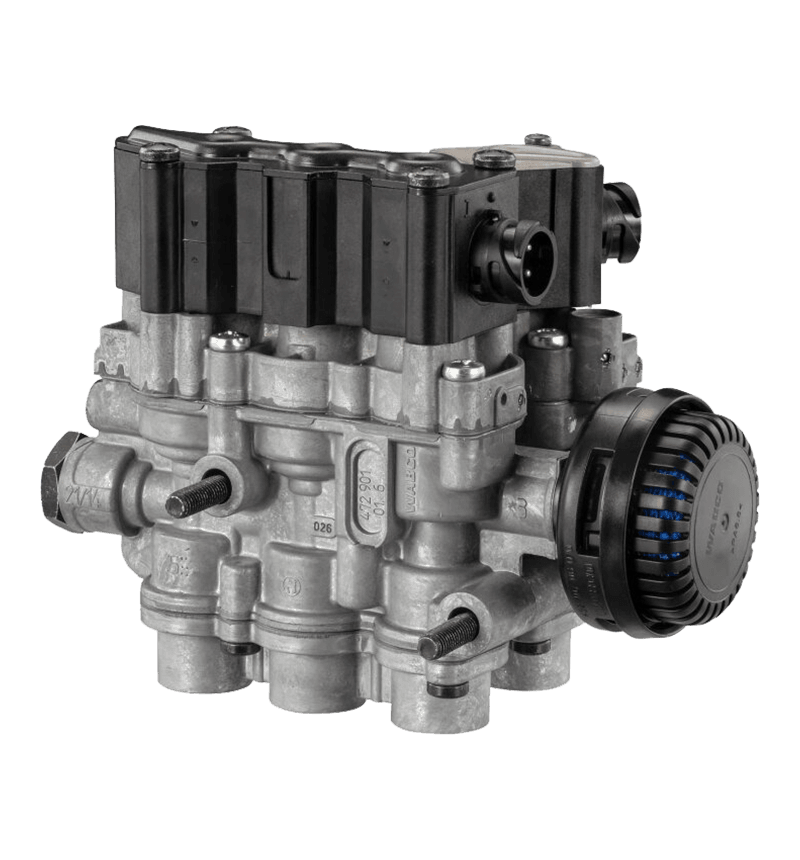
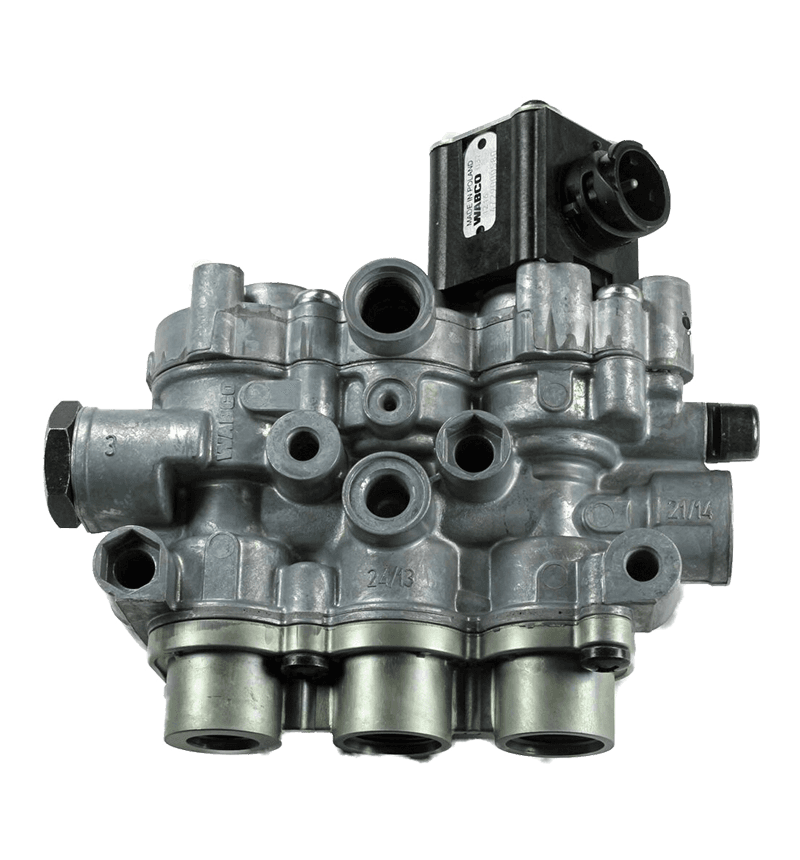
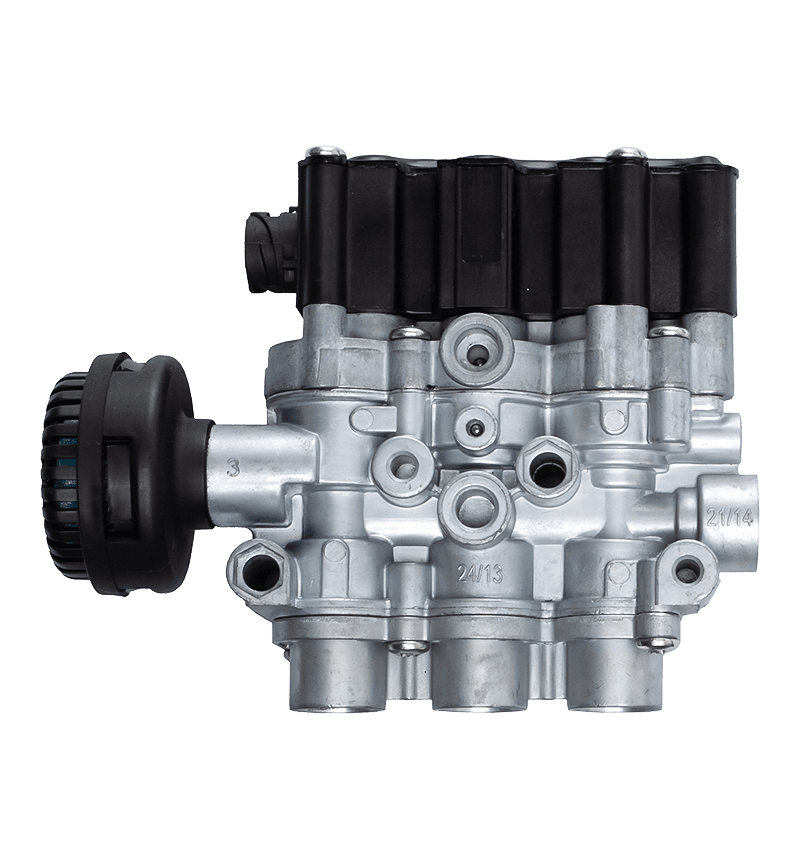
Ecas valves are widely used in various industrial applications for controlling fluid flow and pressure. They are designed to operate efficiently under different conditions, including high-pressure systems and extended operational periods. The reliability of Ecas valves is a critical factor for industries where consistent performance and safety are paramount. Understanding the construction, materials, and operational principles of these valves provides insights into their performance under demanding conditions.
Ecas valves are typically constructed from durable materials such as stainless steel, brass, or specialized alloys that resist wear and corrosion. The valve body, sealing components, and internal mechanisms are designed to withstand high-pressure environments without deformation or leakage. High-quality seals and gaskets contribute to consistent performance, preventing fluid bypass or leakage over long-term operation. Material selection is an important consideration for reliability, as it affects the valve's resistance to thermal expansion, chemical exposure, and mechanical stress.
Ecas valves are engineered to manage high-pressure applications through precise control mechanisms and reinforced valve bodies. The internal components, including springs, diaphragms, and seals, are tested to ensure they maintain functionality under pressure fluctuations. High-pressure resistance ensures that the valves can operate safely in systems such as hydraulic circuits, steam pipelines, and industrial fluid networks. The design minimizes the risk of valve failure or leakage, contributing to overall system reliability.
Long-term operation can challenge any valve due to repeated opening and closing cycles, continuous fluid flow, and exposure to varying temperatures. Ecas valves are designed to endure these conditions through robust construction and wear-resistant components. Regular maintenance and inspection routines can further extend operational life by identifying early signs of wear or seal degradation. Properly maintained Ecas valves maintain their performance over thousands of operational cycles, providing consistent flow control and pressure regulation.
| Factor | Impact on Reliability | Mitigation Approach |
|---|---|---|
| Material Quality | High-quality materials resist wear and corrosion | Select stainless steel or specialized alloys |
| Seal Integrity | Maintains pressure without leakage | Use durable seals and replace regularly |
| Operational Pressure | High pressure can cause stress and deformation | Design valves for rated pressure ranges |
| Cycle Frequency | Frequent operation can wear components | Perform preventive maintenance and inspections |
| Temperature Variations | Thermal expansion can affect valve fit | Use temperature-resistant materials |
A reliable sealing mechanism is essential for Ecas valves to maintain performance under high pressure. Seals can be made from PTFE, rubber, or metal depending on the application. Properly designed seals accommodate pressure fluctuations and thermal expansion, preventing leaks even after prolonged use. Advanced sealing technologies, such as multi-layer or reinforced seals, enhance reliability and reduce the risk of maintenance-related downtime.
Regular maintenance is critical to ensuring the long-term reliability of Ecas valves. Periodic inspections focus on detecting wear, corrosion, or deformation in valve bodies, seals, and internal components. Cleaning internal passages and lubricating moving parts helps maintain smooth operation. Implementing a maintenance schedule based on operating conditions and pressure cycles can prevent unexpected failures and extend the operational lifespan of the valves.
The operating environment significantly affects the reliability of Ecas valves. Exposure to corrosive fluids, high temperatures, or abrasive particles can accelerate wear. Valves used in clean water systems may require less frequent maintenance than those in chemical or slurry applications. Selecting the correct valve type and material for the specific application ensures that the valve can handle environmental stresses without compromising performance.
| Application | Recommended Material | Reason |
|---|---|---|
| High-pressure water systems | Stainless steel | Corrosion resistance and strength |
| Chemical fluids | Specialized alloys or coated metals | Resists chemical corrosion and erosion |
| Steam systems | Brass or stainless steel | Handles thermal expansion and pressure |
| Abrasive slurries | Hardened alloys or coated surfaces | Reduces wear and maintains sealing integrity |
Ecas valves incorporate design features that enhance reliability under high-pressure or long-term conditions. Reinforced valve bodies, pressure relief mechanisms, and robust actuator systems help maintain consistent operation. Smooth internal passages reduce turbulence and wear, while precision-engineered seats and guides maintain alignment during repeated cycles. These design considerations collectively improve valve longevity and performance, even in demanding industrial settings.
Potential failure modes for Ecas valves include seal wear, body deformation, corrosion, and actuator malfunction. Preventive measures include selecting materials appropriate for the operating environment, applying suitable surface treatments, maintaining proper lubrication, and performing regular inspections. Early identification of wear or minor leaks can prevent complete valve failure, ensuring continuous operation without unplanned downtime.
Ecas valves are often subjected to rigorous testing to ensure reliability under rated pressure and extended operation. Testing may include pressure endurance, leak testing, thermal cycling, and operational cycle testing. Compliance with industry standards, such as ISO, ANSI, or API, provides assurance of quality and performance consistency. These tests help manufacturers and end-users gauge the valve’s suitability for high-pressure and long-term applications.
| Metric | Measurement Method | Purpose |
|---|---|---|
| Leak Rate | Pressure decay or bubble testing | Determine seal integrity |
| Cycle Endurance | Repeated opening and closing cycles | Assess durability over time |
| Pressure Tolerance | Hydraulic or pneumatic testing | Verify performance under rated pressures |
| Corrosion Resistance | Salt spray or chemical exposure tests | Evaluate material and coating performance |
| Temperature Endurance | Thermal cycling tests | Check stability under varying temperatures |
Ecas valves are designed to maintain reliable performance under high-pressure and long-term operational conditions. Their durability depends on factors such as material selection, seal integrity, design features, and proper maintenance. By implementing appropriate inspection and maintenance routines, selecting suitable materials for the operating environment, and adhering to operational standards, Ecas valves can provide consistent and dependable performance over extended periods. These characteristics make them suitable for a wide range of industrial applications where safety and continuous operation are essential.
 NO. 132 Xingye Road,Fengqiao Town ,Zhuji City,Zhejiang
 +86-13958007768 +86-13655857582
Copyright © Zhuji Infia Auto Parts Co., Ltd. All Rights Reserved.
Wholesale Truck/Bus Brake Parts Suppliers
 English
 Español