E-mail: [email protected]
E-mail: [email protected]Address: NO. 132 Xingye Road,Fengqiao Town ,Zhuji City,Zhejiang
Whatsapp: +86-13958007768
Whatsapp: +86-13655857582




Need Help
+86-13958007768
E-mail: [email protected]
E-mail: [email protected]
Address: NO. 132 Xingye Road,Fengqiao Town ,Zhuji City,Zhejiang
Whatsapp: +86-13958007768
Whatsapp: +86-13655857582
Our team is proud to offer on time guarantee and product guarantee to customer satisfaction.
Read MoreNews
 2025.11.12
 Industry News
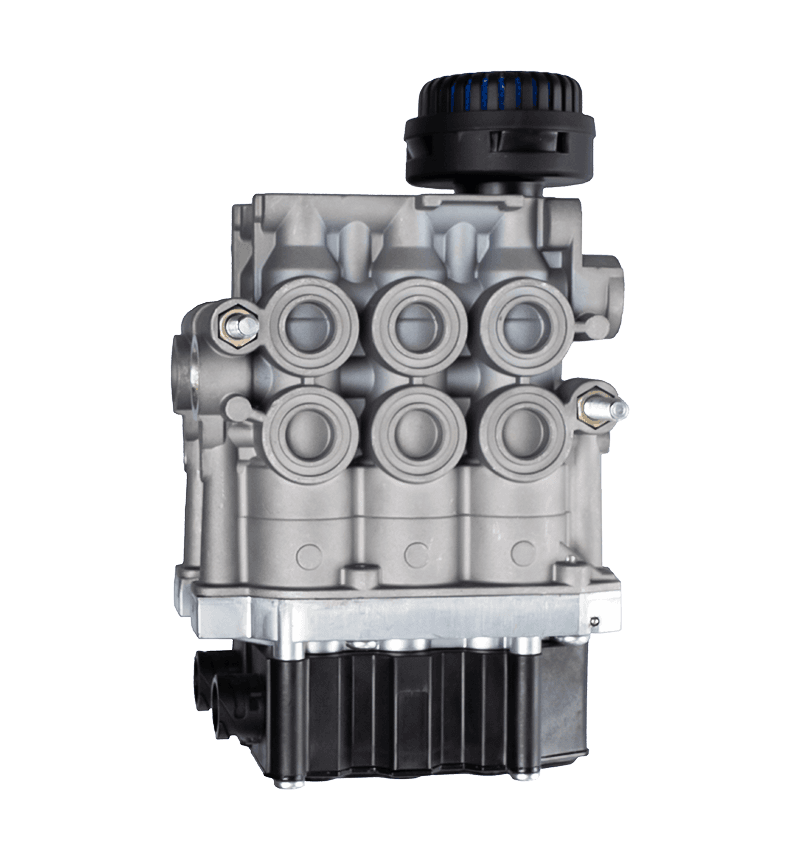
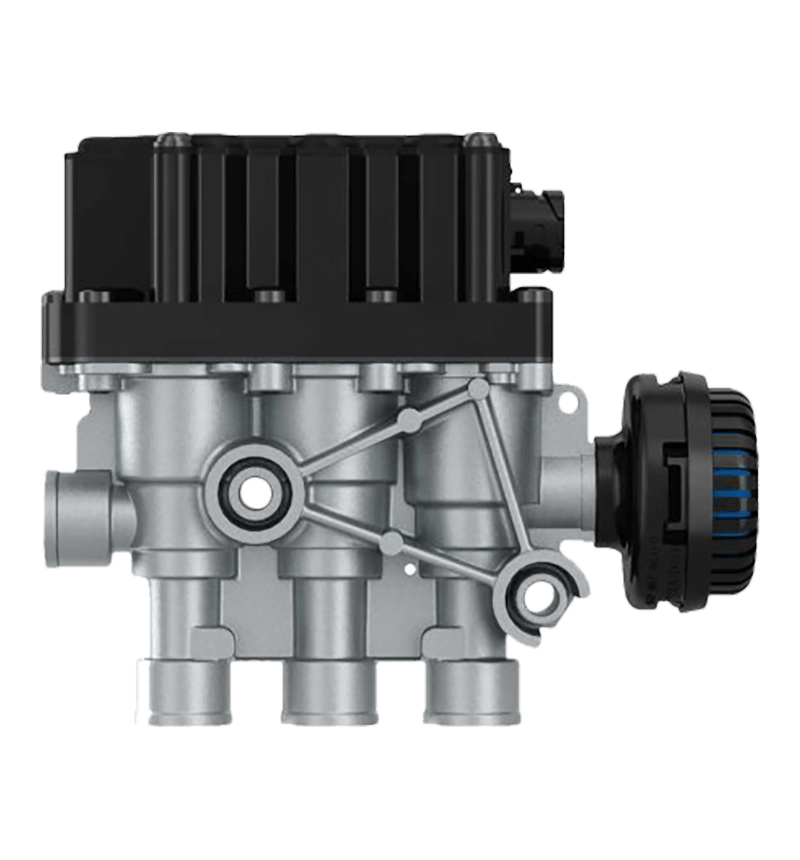
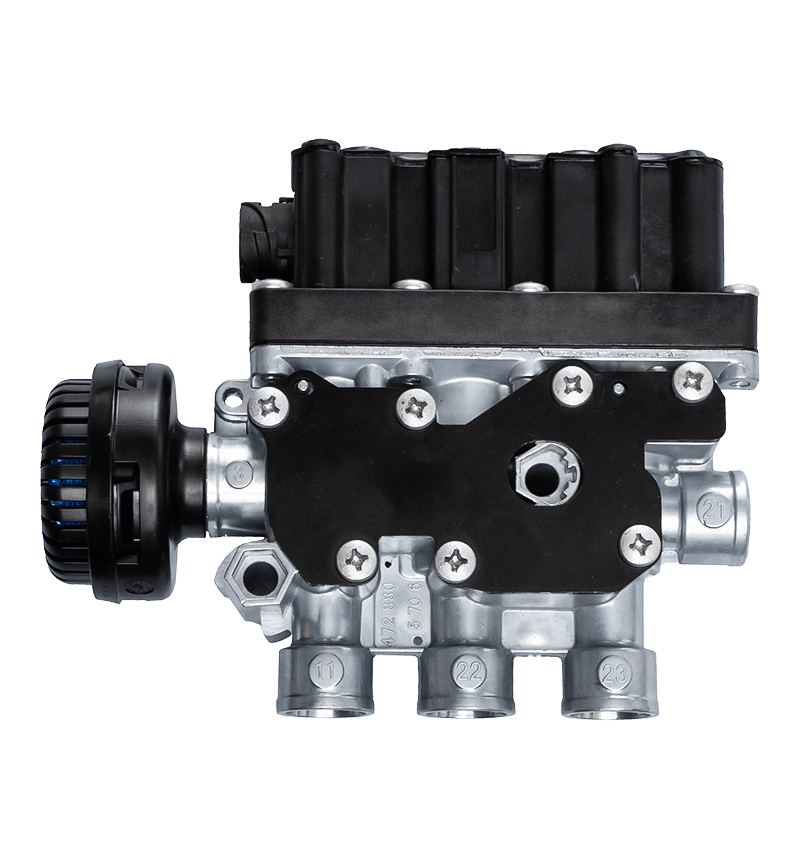
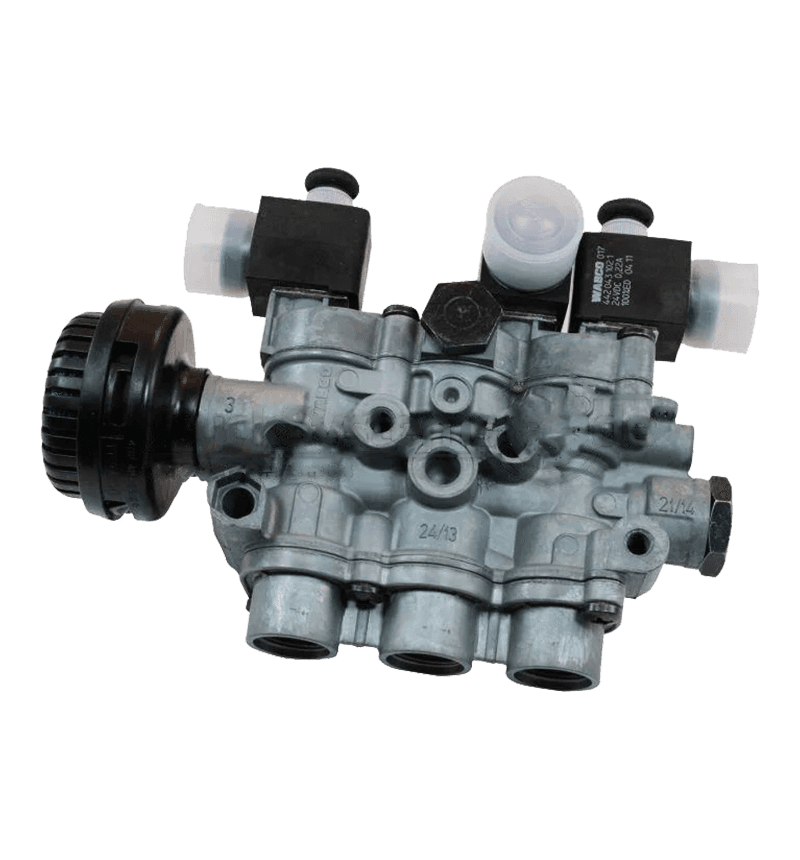
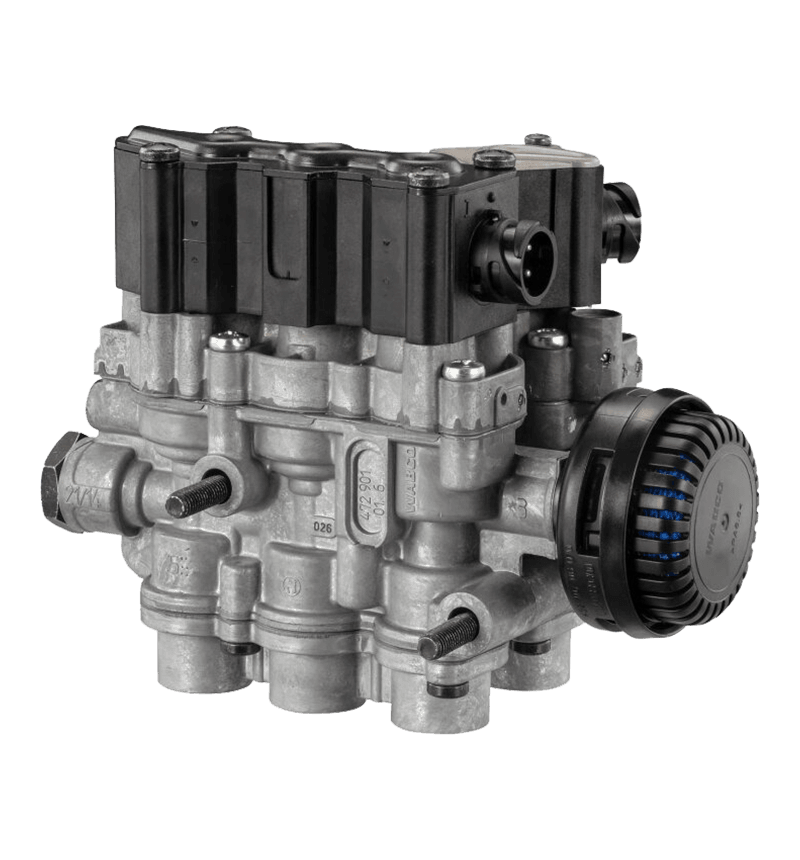
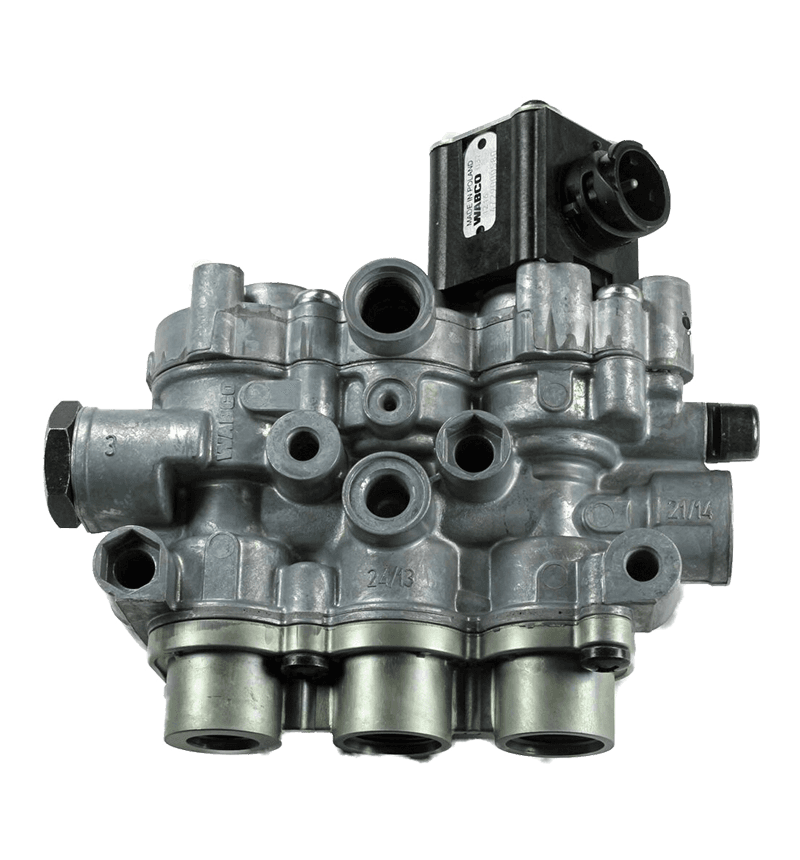
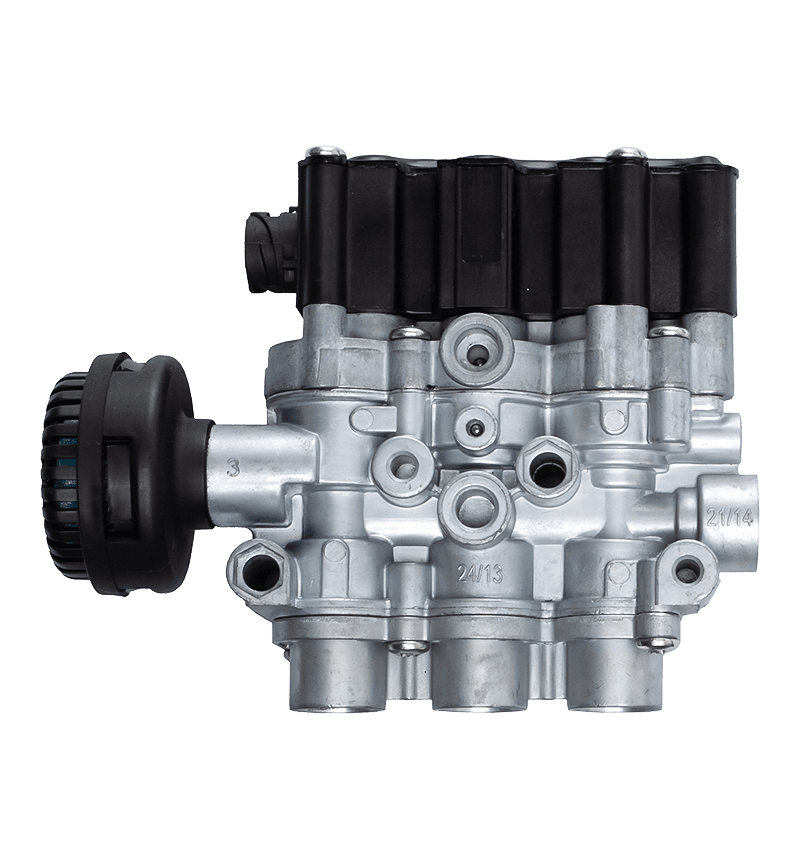
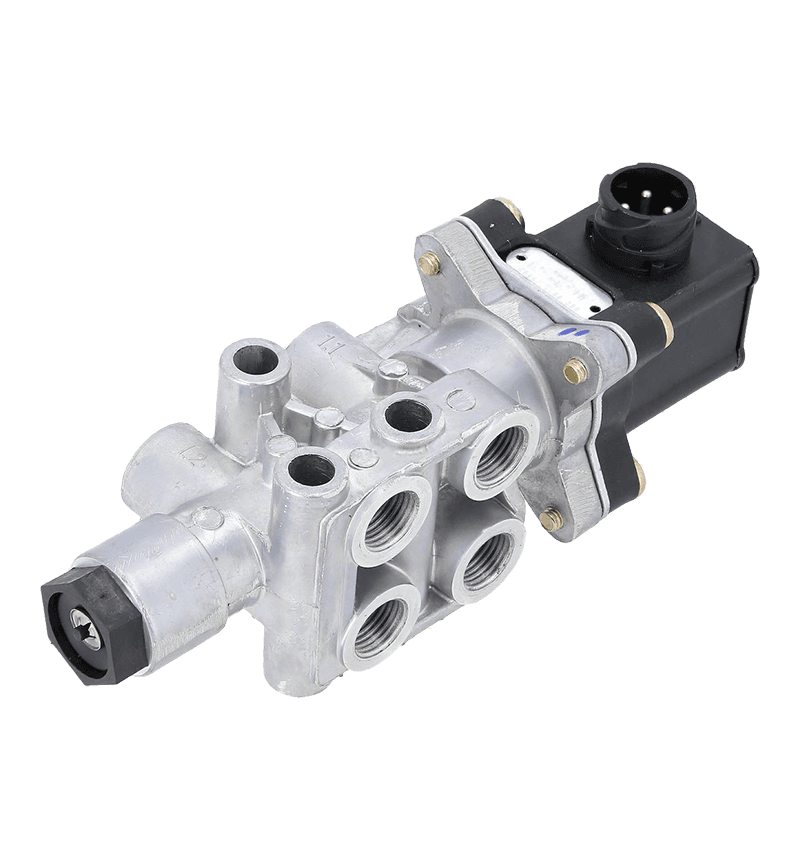
ABS (Anti-lock Braking System) relay valves are essential components in modern automotive braking systems, particularly in vehicles with advanced safety features. The primary function of ABS relay valves is to control the flow of air or hydraulic fluid to the brake system in response to signals from the ABS controller. These valves are crucial in preventing wheel lock-up during braking by modulating brake pressure. As with any mechanical or electronic component, ABS relay valves can experience faults that affect the vehicle’s braking performance. Understanding common faults in these valves is essential for proper maintenance and ensuring vehicle safety.
ABS relay valves work as part of the vehicle's braking system, particularly in systems equipped with air brakes or hydraulic brakes. These valves are controlled by the ABS system, which monitors the speed of each wheel during braking. When the ABS system detects that a wheel is about to lock up, it sends a signal to the ABS relay valve to modulate brake pressure, preventing the wheel from losing traction. This action helps maintain vehicle control, especially in slippery or emergency braking situations. The ABS relay valve, therefore, acts as a link between the vehicle's ABS controller and the braking mechanisms at each wheel, ensuring that braking is both effective and controlled.
ABS relay valves, like any critical component in a vehicle's braking system, can experience a variety of faults. Some faults may cause the system to malfunction, leading to reduced braking efficiency or complete failure of the ABS. Understanding the common faults that can occur in ABS relay valves can help vehicle owners and technicians identify and address these issues before they compromise safety. Below are some of the most frequently encountered faults in ABS relay valves:
One of the most common issues with ABS relay valves is blockage caused by contaminants such as dirt, rust, or brake fluid debris. These particles can enter the valve through the air intake or hydraulic system, causing the valve to become clogged. A blockage in the valve restricts the flow of air or fluid, leading to improper modulation of brake pressure. This can result in the ABS system failing to perform its intended function, such as preventing wheel lock-up or maintaining optimal braking force. To prevent this fault, regular maintenance and cleaning of the valve and associated components are recommended.
Another common fault in ABS relay valves is the failure of seals and gaskets. These components are designed to prevent leaks of air or brake fluid, ensuring that the valve operates efficiently. Over time, seals and gaskets can wear out or become damaged due to exposure to heat, pressure, and harsh chemicals in the brake system. A leaking seal or gasket can cause a loss of pressure, which will lead to improper brake force modulation and diminished braking performance. In severe cases, it can lead to complete ABS failure, compromising the vehicle’s safety. Replacing worn seals and gaskets is essential to maintaining the proper function of the ABS relay valve.
ABS relay valves are often controlled by electrical solenoids, which regulate the flow of air or fluid based on signals from the ABS controller. These solenoids rely on electrical current to function correctly, and any issues with the electrical components can lead to malfunctioning of the valve. Common electrical problems include short circuits, broken wires, or faulty connections, which can cause the solenoid to either remain open or closed. This can prevent the ABS relay valve from modulating brake pressure correctly, leading to poor vehicle control during braking. Diagnosing and repairing electrical faults in the solenoid coils requires specialized knowledge and tools, making it essential to have these components tested by a professional.
ABS relay valves are exposed to high pressures and temperatures, which can lead to corrosion and wear of the internal components over time. Corrosion can occur when the valve comes into contact with moisture or corrosive substances, such as road salts. The build-up of corrosion on internal components can impede the valve’s movement, causing it to malfunction. Additionally, continuous exposure to heat and pressure can cause the valve’s internal components to wear down, resulting in reduced performance and eventual failure. Preventing corrosion and wear involves regular inspection and the replacement of any components showing signs of damage.
Improper calibration or installation of the ABS relay valve can result in malfunctioning of the ABS system. If the valve is not correctly calibrated to the vehicle’s braking system, it may not respond accurately to signals from the ABS controller, leading to inconsistent brake pressure modulation. In some cases, an incorrectly installed valve can also cause leaks, electrical faults, or poor performance of the ABS system. Ensuring that the ABS relay valve is installed according to manufacturer specifications and properly calibrated is crucial for the optimal functioning of the vehicle's braking system. This is particularly important when replacing or upgrading ABS components.
Another common fault in ABS relay valves is sticking or seizing. This occurs when the internal mechanism of the valve fails to move freely, often due to the accumulation of debris, dirt, or corrosion. A sticking valve can prevent the ABS system from modulating brake pressure effectively, which may result in a lack of braking response or erratic braking behavior. Sticking valves can often be diagnosed by observing irregularities in brake performance or by performing a diagnostic scan of the ABS system. Regular cleaning and lubrication of the valve components can help prevent this issue from occurring.
ABS relay valves can overheat due to excessive pressure or friction in the braking system. Overheating can cause damage to the valve components, leading to failure. One of the primary causes of overheating is inadequate cooling or ventilation in the brake system, which can cause the valve to operate at higher temperatures than it was designed for. Prolonged overheating can result in the degradation of internal seals and gaskets, electrical components, and other critical parts of the valve. Maintaining proper cooling in the brake system and ensuring that the ABS valve is free from blockages can help reduce the risk of overheating.
The ABS relay valve is controlled by signals from the ABS controller, which monitors the vehicle's braking system. If there is a communication failure between the controller and the relay valve, the valve may not receive the correct signals to modulate brake pressure. This can occur due to issues such as faulty wiring, sensor malfunctions, or software errors in the ABS system. A failure in communication between the ABS controller and the relay valve can result in an unresponsive or erratic ABS system, leading to reduced braking performance. Diagnosing this type of fault requires diagnostic tools to test the controller's signals and communication with the relay valve.
Preventing faults in ABS relay valves is essential for ensuring the longevity and reliability of the ABS system. Regular maintenance and timely inspections are key to identifying potential issues before they lead to failure. The following preventive measures can help avoid common faults:
When an ABS relay valve fault occurs, it is important to diagnose the issue correctly before attempting repairs. A diagnostic scan of the ABS system can help identify whether the fault lies within the relay valve itself or in other parts of the system. Common tools used for diagnosis include multimeters, pressure testers, and diagnostic scanners that can read ABS system codes. Once the fault has been identified, it is crucial to replace or repair the faulty components to restore the proper function of the ABS relay valve. In some cases, it may be necessary to replace the entire valve if internal components are severely damaged.
| Fault | Potential Causes | Impact on ABS System |
|---|---|---|
| Valve Blockage | Dirt, rust, or brake fluid debris | Restricted flow, improper pressure modulation |
| Leaking Seals | Worn or damaged seals and gaskets | Loss of pressure, reduced brake force modulation |
| Electrical Malfunctions | Faulty wiring, short circuits, broken connections | Erratic or non-functional ABS valve |
| Corrosion and Wear | Exposure to moisture, road salts, and heat | Impaired valve movement, reduced lifespan |
| Improper Calibration | Incorrect installation or adjustments | Inconsistent brake pressure modulation |
| Valve Sticking | Debris accumulation, corrosion | Erratic braking behavior, lack of response |
 NO. 132 Xingye Road,Fengqiao Town ,Zhuji City,Zhejiang
 +86-13958007768 +86-13655857582
Copyright © Zhuji Infia Auto Parts Co., Ltd. All Rights Reserved.
Wholesale Truck/Bus Brake Parts Suppliers
 English
 Español