E-mail: [email protected]
E-mail: [email protected]Address: NO. 132 Xingye Road,Fengqiao Town ,Zhuji City,Zhejiang
Whatsapp: +86-13958007768
Whatsapp: +86-13655857582




Need Help
+86-13958007768
E-mail: [email protected]
E-mail: [email protected]
Address: NO. 132 Xingye Road,Fengqiao Town ,Zhuji City,Zhejiang
Whatsapp: +86-13958007768
Whatsapp: +86-13655857582
Our team is proud to offer on time guarantee and product guarantee to customer satisfaction.
Read MoreNews
 2025.11.05
 Industry News
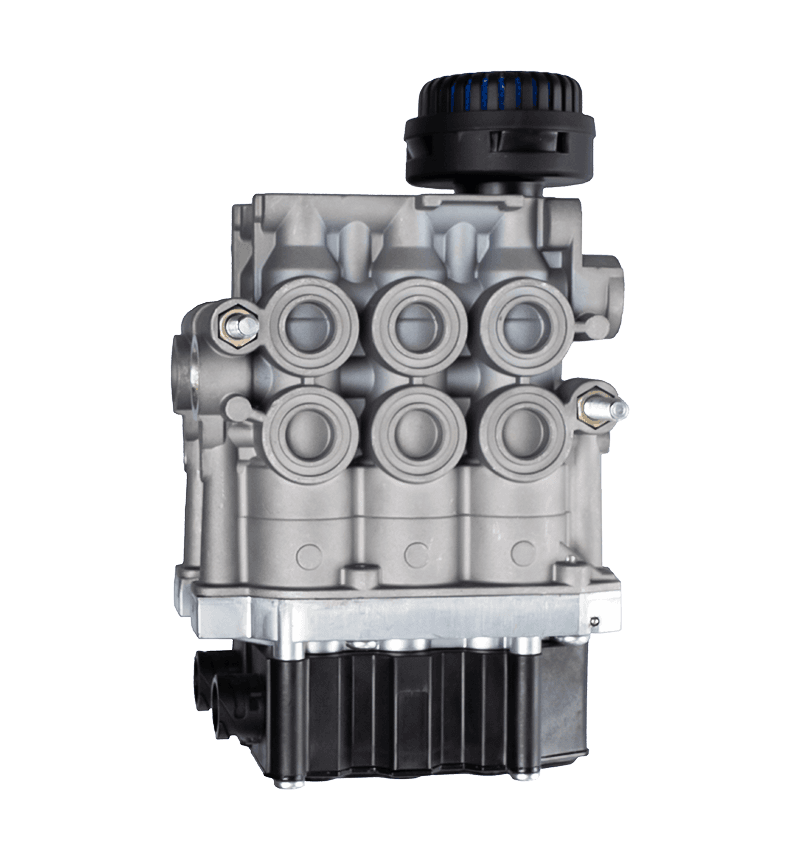
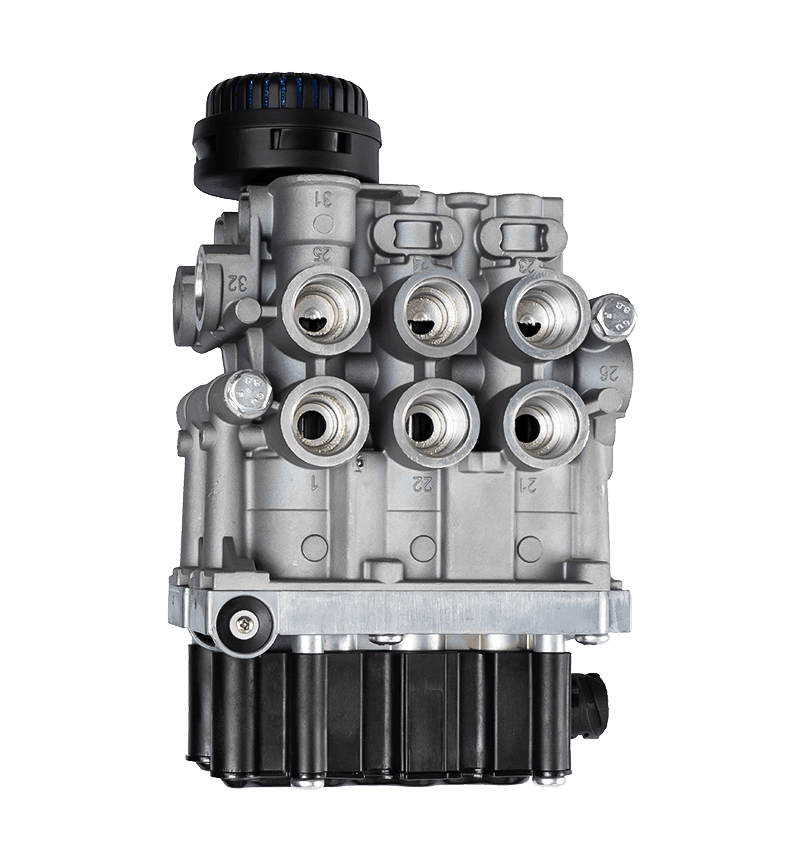
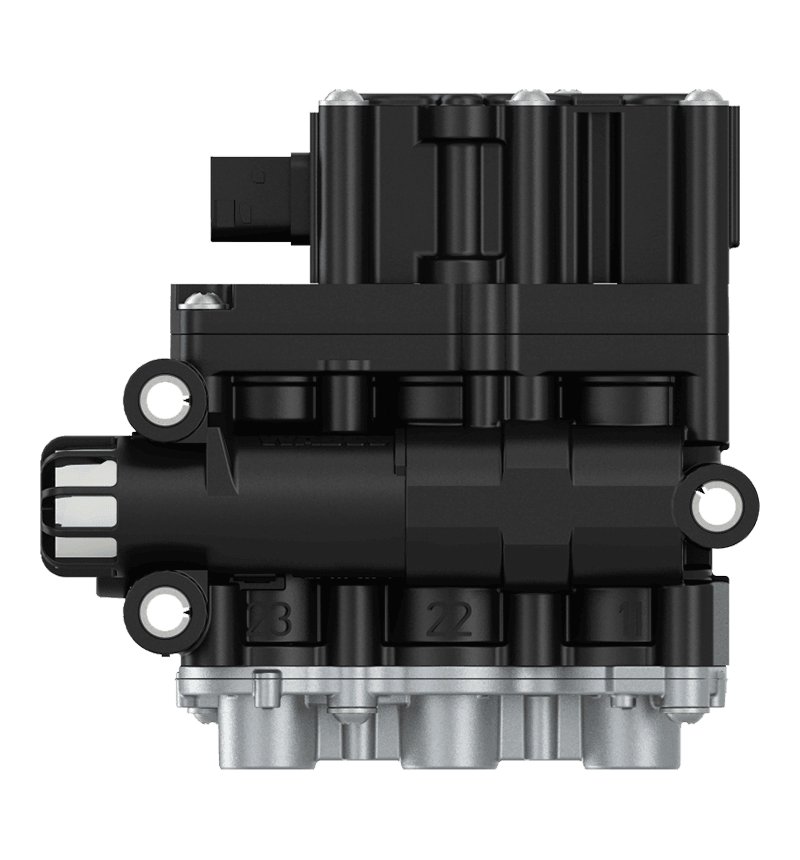
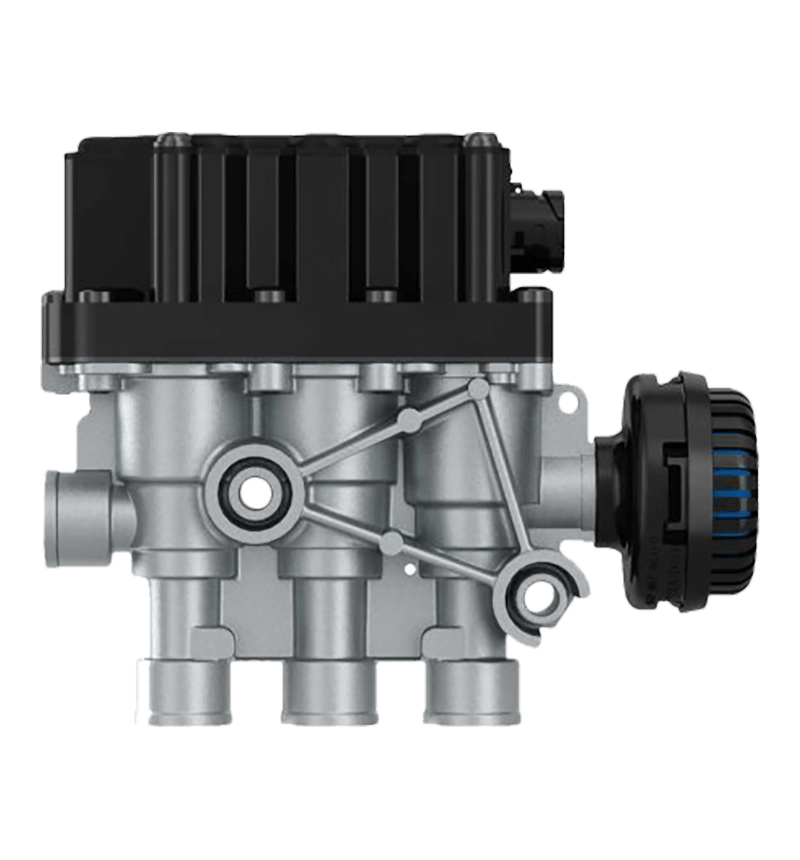
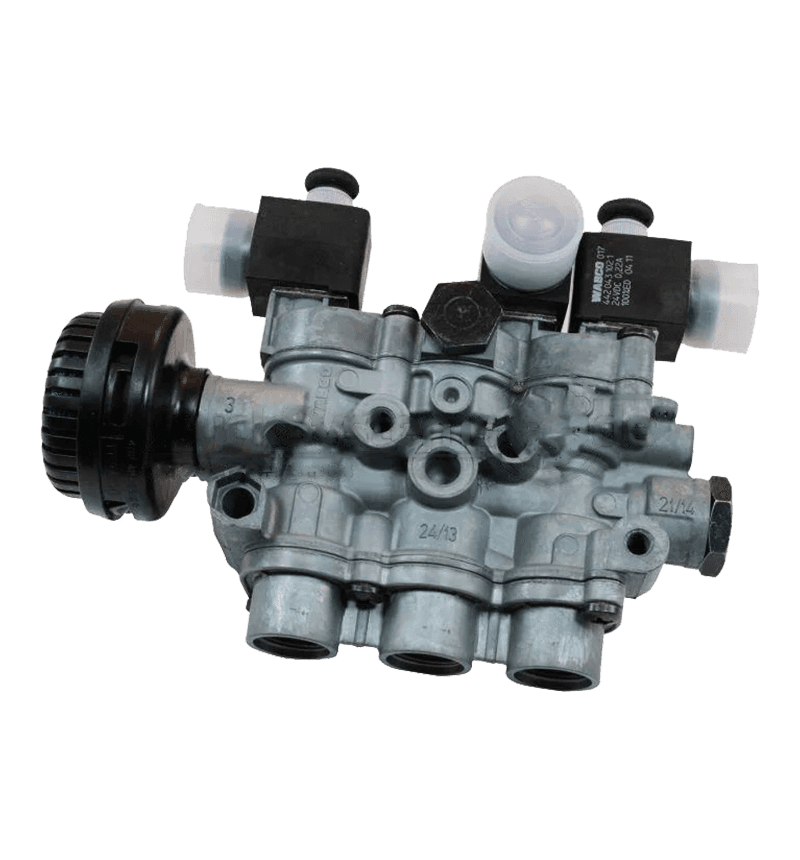
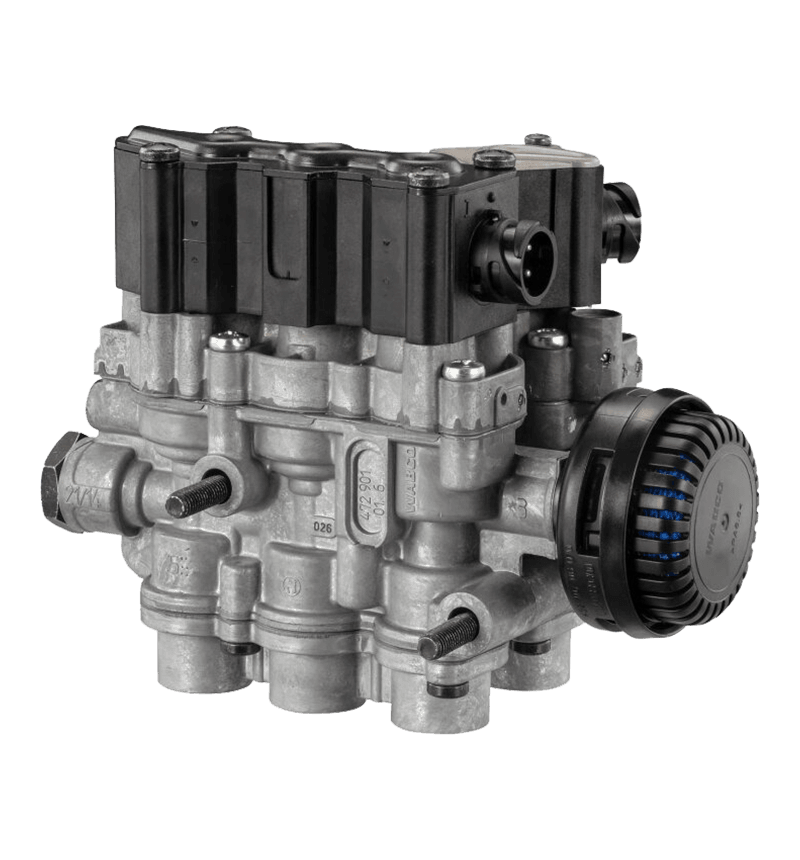
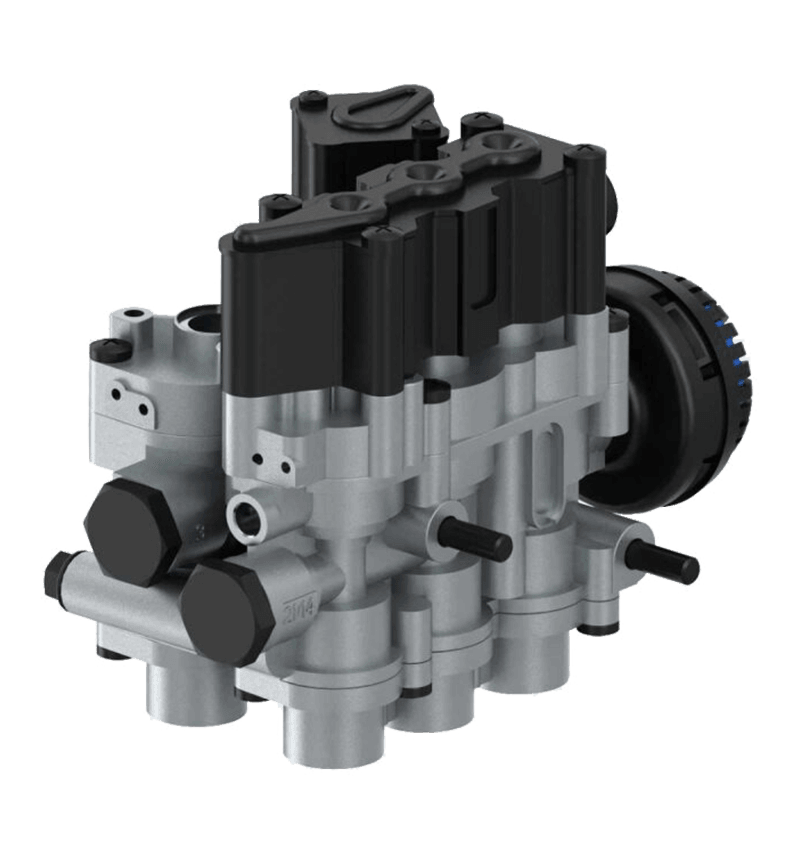
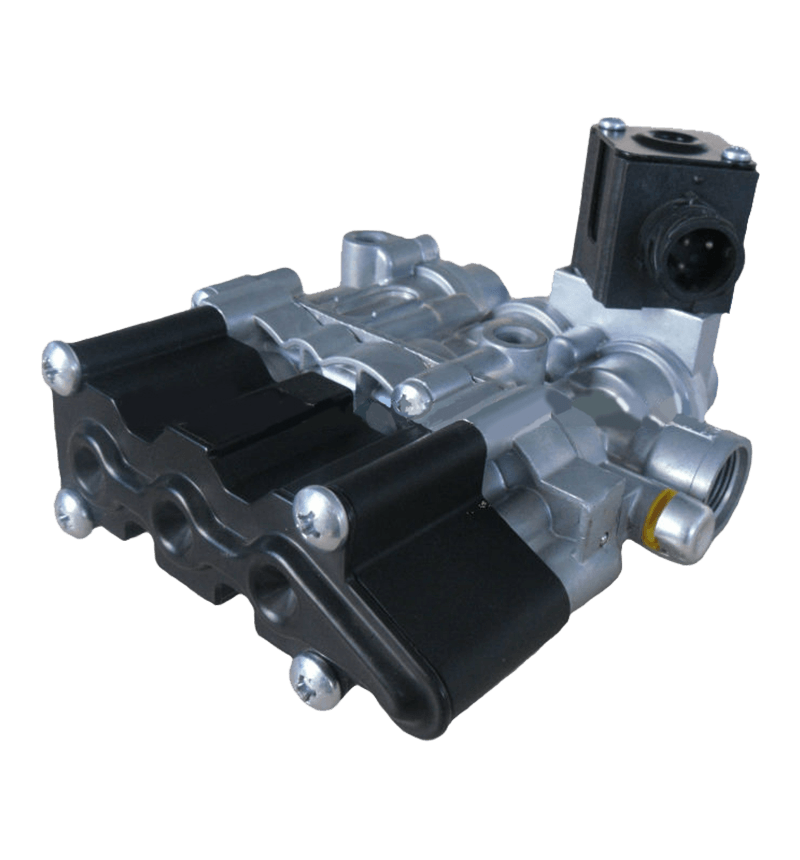
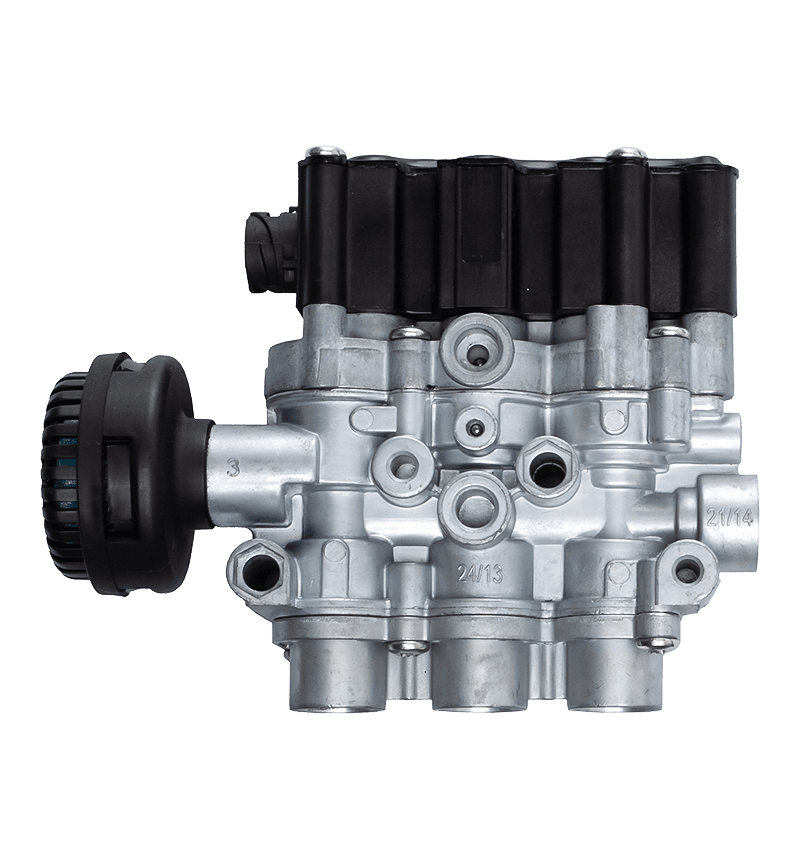
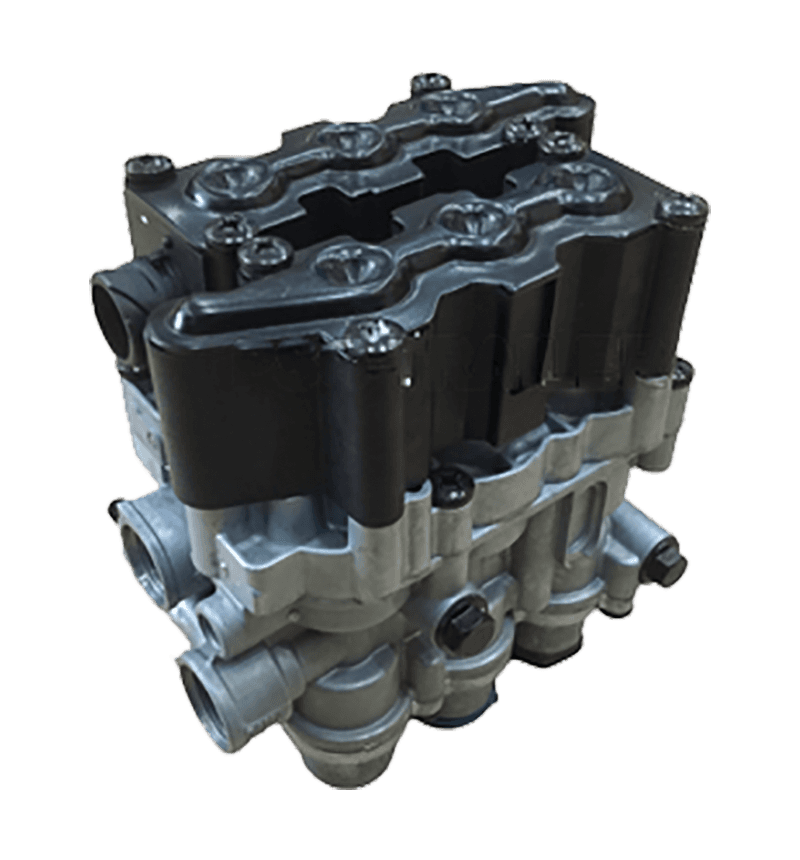
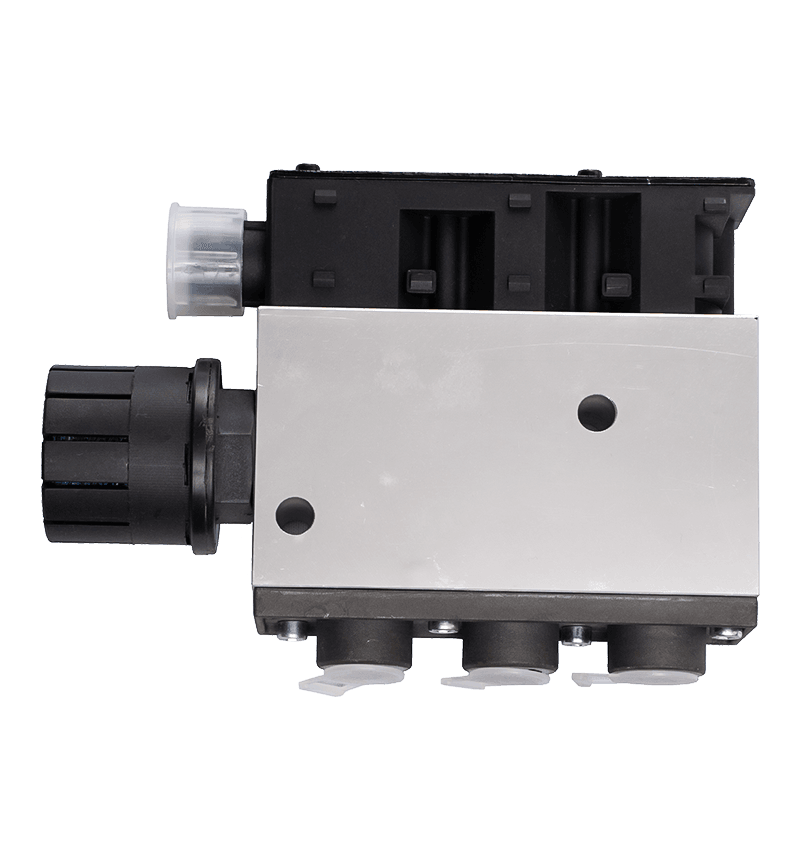
The Electro-Pneumatic Control and Actuation System (ECAS) is an integral component used in various industrial and automotive systems to manage the precise control of air flow, pressure, and actuation in pneumatic applications. ECAS valves are critical to the proper functioning of systems such as suspension systems in vehicles, industrial automation, and even in some advanced manufacturing processes. Understanding the importance of maintaining ECAS valves and determining whether they require regular inspection or maintenance is essential for ensuring their optimal performance, longevity, and safety. This article will explore the importance of ECAS valve maintenance, what kind of inspections are necessary, and how to effectively manage these components for reliable operation.
ECAS valves are designed to control and regulate the flow of compressed air or other gases in systems that require precise control over pressure and actuation. These valves are typically found in systems where the actuation of components needs to be responsive, efficient, and reliable. The functionality of an ECAS valve is vital for applications such as air suspension systems in commercial vehicles, automated manufacturing processes, and even in certain medical equipment where controlled pneumatic systems are used.
ECAS valves generally operate by receiving input from sensors that detect variables like pressure, position, and load. Based on the received data, the valve adjusts the flow of air to maintain a consistent level of pressure or to trigger an action, such as adjusting the height of a vehicle’s suspension or enabling automated processes in industrial settings. As a result, ECAS valves are designed to operate with a high degree of precision, and any malfunction or failure could have significant consequences for the system’s overall performance.
Given the critical role of ECAS valves in controlling pneumatic systems, regular inspection and maintenance are essential for ensuring that they continue to function correctly over time. The operational environment of ECAS valves—whether in the transportation sector, manufacturing, or other industries—often subjects them to extreme conditions, including temperature fluctuations, vibrations, exposure to dirt and contaminants, and high-pressure environments. These conditions can cause wear and tear on the valve components, leading to potential malfunctions.
Regular inspections help identify potential issues before they lead to system failures or operational inefficiencies. By monitoring the condition of the ECAS valve and its associated components, such as seals, actuators, and control electronics, operators can catch problems early. Early detection of issues such as air leaks, wear on seals, or malfunctioning sensors can prevent costly repairs or downtime and ensure the continued reliability of the system.
In particular, inspecting ECAS valves regularly allows maintenance personnel to check for signs of physical damage, contamination, or corrosion. It also provides an opportunity to verify that the valve is responding appropriately to control signals and maintaining the desired pressure or actuation. In many applications, including commercial vehicle air suspension systems, even a small malfunction in the valve can lead to a significant loss of performance, reduced efficiency, or safety concerns.
When conducting an inspection of ECAS valves, there are several key areas to focus on to ensure that the system is operating as intended. These include checking for physical damage, verifying operational efficiency, and examining the surrounding components for any issues that could impact the valve’s performance. The following are the most common aspects to inspect during a routine ECAS valve check:
| Inspection Area | Potential Issues | Action Required |
|---|---|---|
| Physical Damage | Cracks, corrosion, leaks, wear | Replace damaged parts, clean or seal if necessary |
| Valve Response | Delayed or incorrect response to control signals | Test response times, check electrical connections, recalibrate if necessary |
| Air Leaks | Reduced pressure or failure to hold pressure | Inspect seals and fittings, replace any worn seals or O-rings |
| Contamination | Dust, dirt, or moisture buildup | Clean valve and surrounding components, check for any air intake filters |
| Component Wear | Excessive wear on moving parts | Lubricate or replace worn parts as necessary |
In addition to checking these areas, regular testing of the valve’s functionality under various conditions is important. For example, testing the pressure at different points in the system can ensure that the ECAS valve is maintaining the correct air pressure or that it can adjust to changing demands. Performing diagnostic checks on the control electronics, such as sensors and actuators, can also identify issues that may not be immediately visible but could impact the system’s performance over time.
While regular inspections are essential for ensuring that ECAS valves remain in good working condition, ongoing maintenance is equally important for keeping these components functioning optimally. Maintenance practices for ECAS valves may vary depending on the application, but there are several standard procedures that should be followed to ensure the longevity and reliability of the valves.
One of the primary maintenance tasks for ECAS valves is cleaning. Over time, contaminants such as dust, dirt, or moisture can accumulate in the valve and cause blockages or interference with its movement. Cleaning the valve and surrounding components, including filters and air ducts, can help prevent these issues. The valve should be cleaned according to the manufacturer’s guidelines to ensure that it remains free of debris while avoiding damage to sensitive components.
Another essential maintenance task is lubrication. Some ECAS valves contain moving parts that require lubrication to operate smoothly. Regular lubrication can reduce friction and wear on these parts, helping to extend the valve’s lifespan. It is important to use the appropriate lubricants specified by the manufacturer to avoid damage to seals or other critical components.
In some cases, it may be necessary to recalibrate the ECAS valve. This is particularly true if the system experiences a malfunction or if the valve has been replaced. Recalibration ensures that the valve is functioning at its optimal performance levels and is responding correctly to control signals. Additionally, recalibrating the valve may be necessary after major system changes or modifications.
The frequency of ECAS valve inspections and maintenance depends on several factors, including the operating conditions, the type of application, and the manufacturer’s recommendations. In general, industrial systems and vehicles that operate in harsh conditions or are exposed to high usage rates may require more frequent inspections and maintenance.
For example, in transportation systems where ECAS valves control the air suspension of commercial vehicles, regular inspections may be required every 3 to 6 months to ensure that the valve is functioning properly and that no issues are developing. In industrial applications, such as pneumatic automation systems, a more frequent maintenance schedule may be necessary, particularly in high-demand environments where the valves are under constant use.
It is also advisable to monitor the performance of ECAS valves through diagnostic tools or system monitoring software. Some modern systems include built-in sensors that can detect when the valve is not performing optimally, providing alerts or diagnostic codes that can prompt further inspection and maintenance.
 NO. 132 Xingye Road,Fengqiao Town ,Zhuji City,Zhejiang
 +86-13958007768 +86-13655857582
Copyright © Zhuji Infia Auto Parts Co., Ltd. All Rights Reserved.
Wholesale Truck/Bus Brake Parts Suppliers
 English
 Español