E-mail: [email protected]
E-mail: [email protected]Address: NO. 132 Xingye Road,Fengqiao Town ,Zhuji City,Zhejiang
Whatsapp: +86-13958007768
Whatsapp: +86-13655857582




Need Help
+86-13958007768
E-mail: [email protected]
E-mail: [email protected]
Address: NO. 132 Xingye Road,Fengqiao Town ,Zhuji City,Zhejiang
Whatsapp: +86-13958007768
Whatsapp: +86-13655857582
Our team is proud to offer on time guarantee and product guarantee to customer satisfaction.
Read MoreNews
 2026.07.30
 Industry News
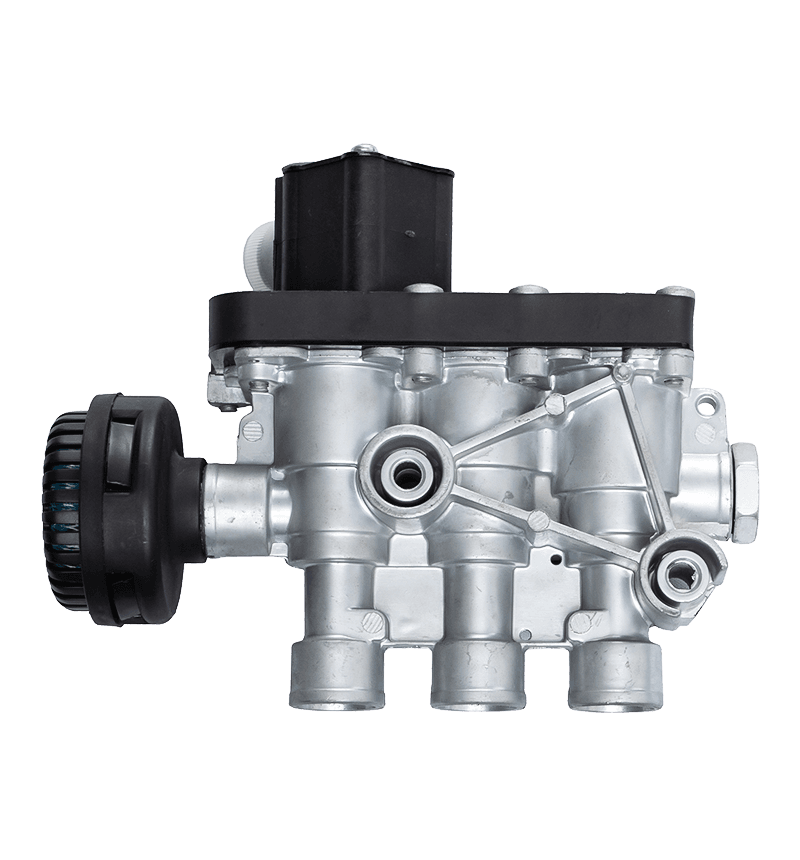
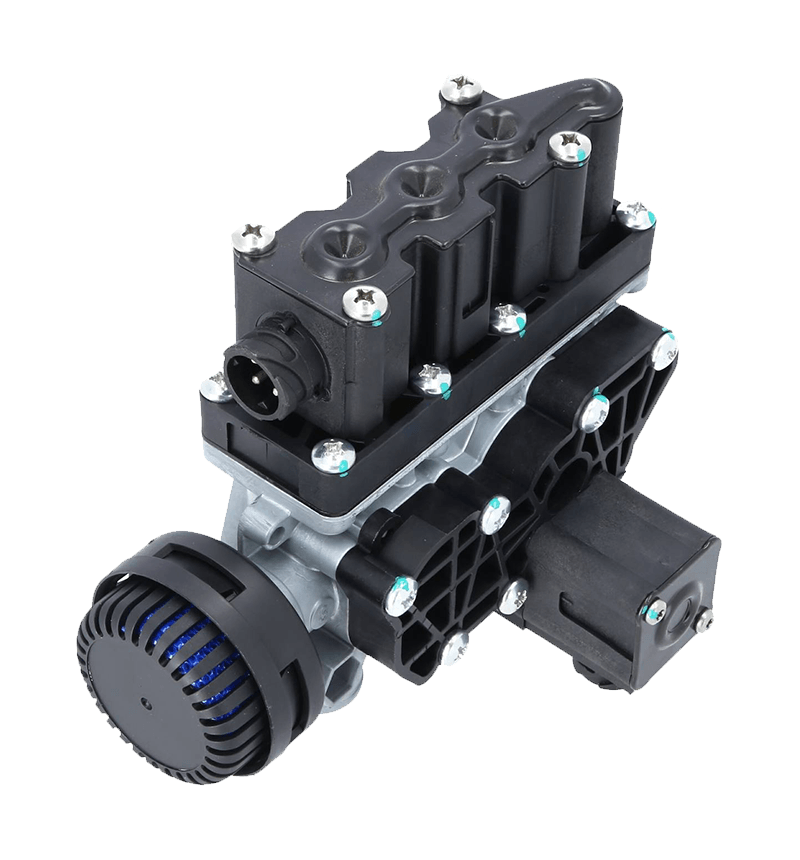
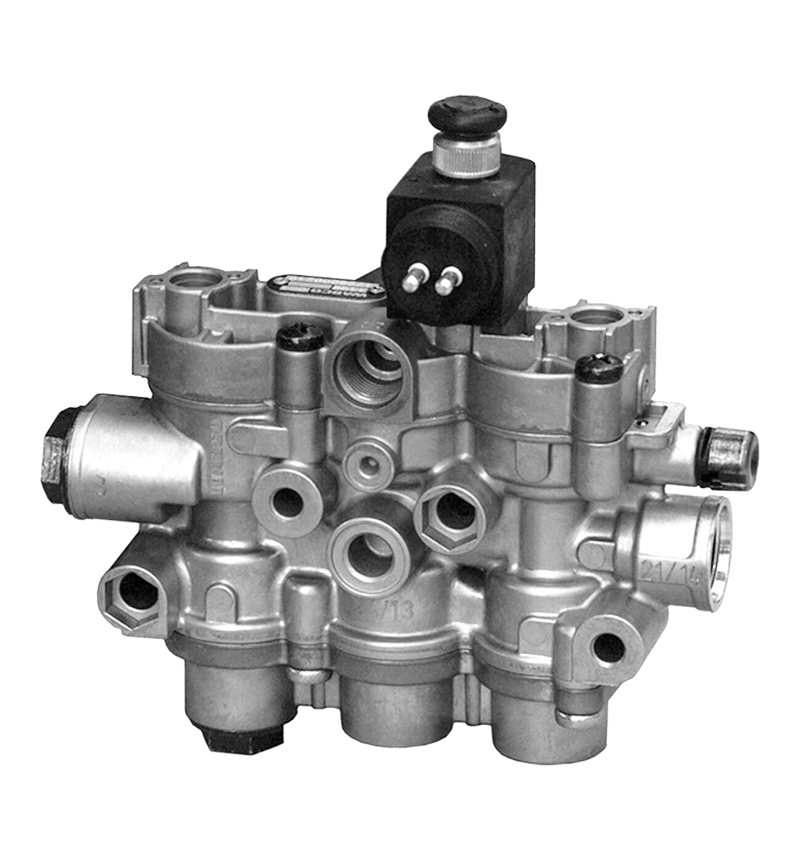
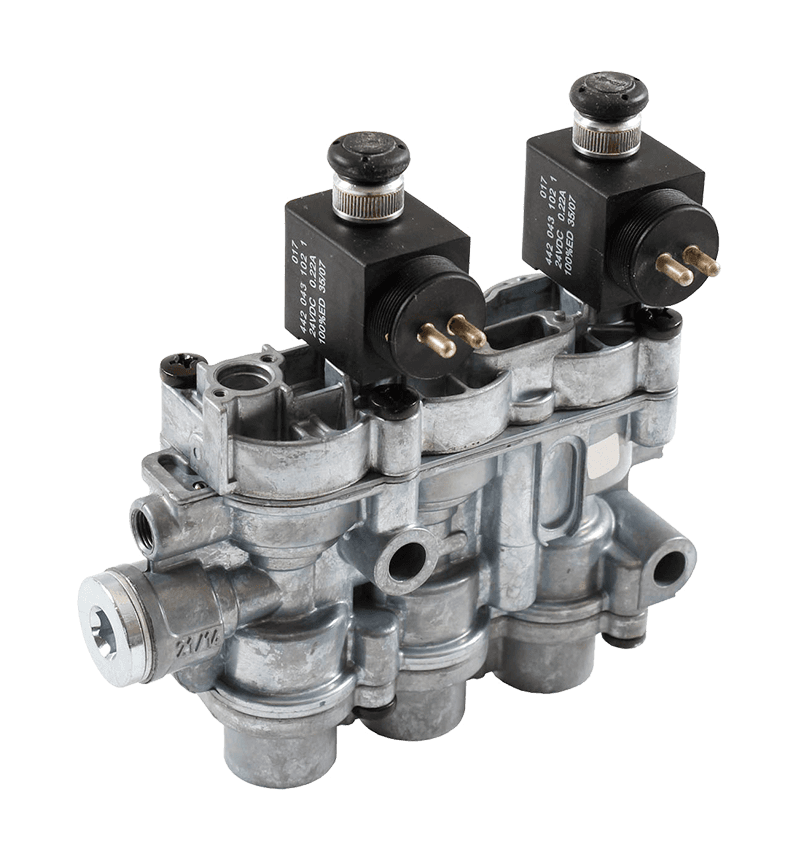
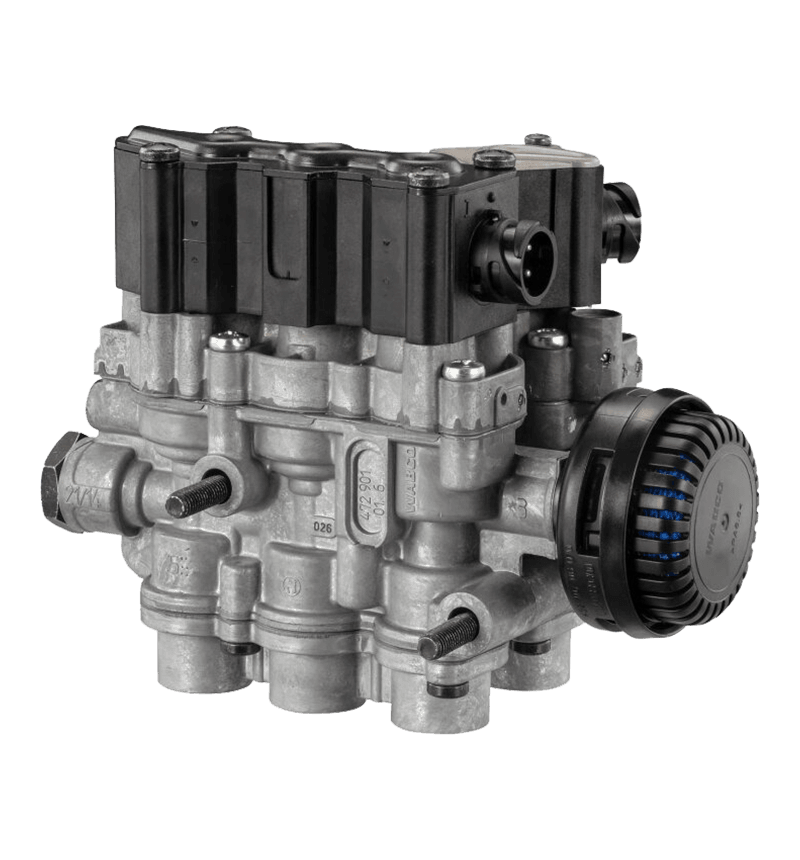
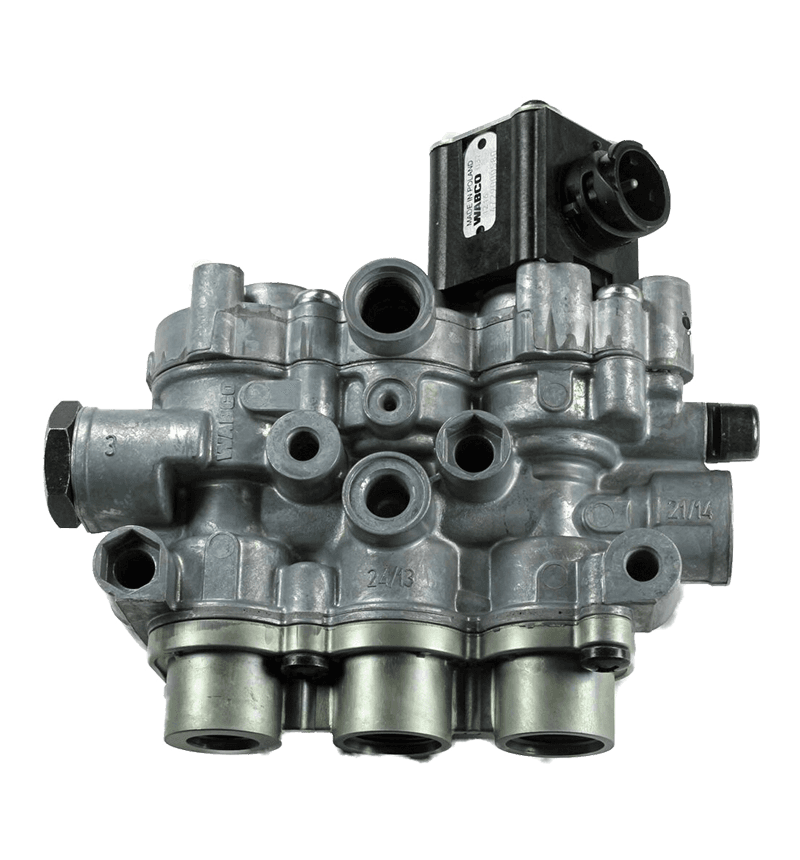
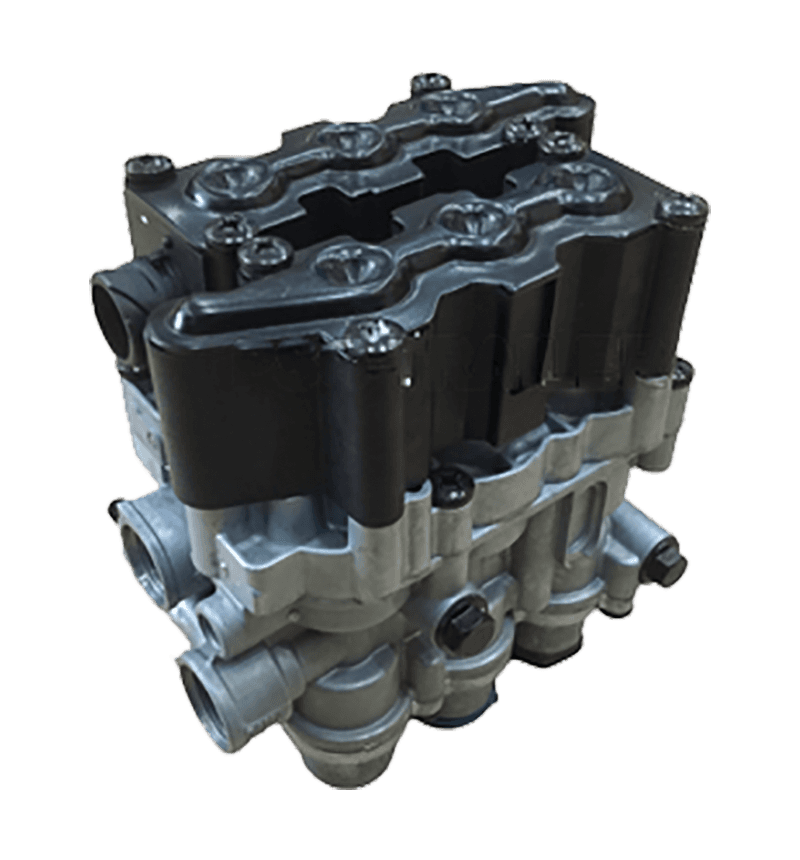
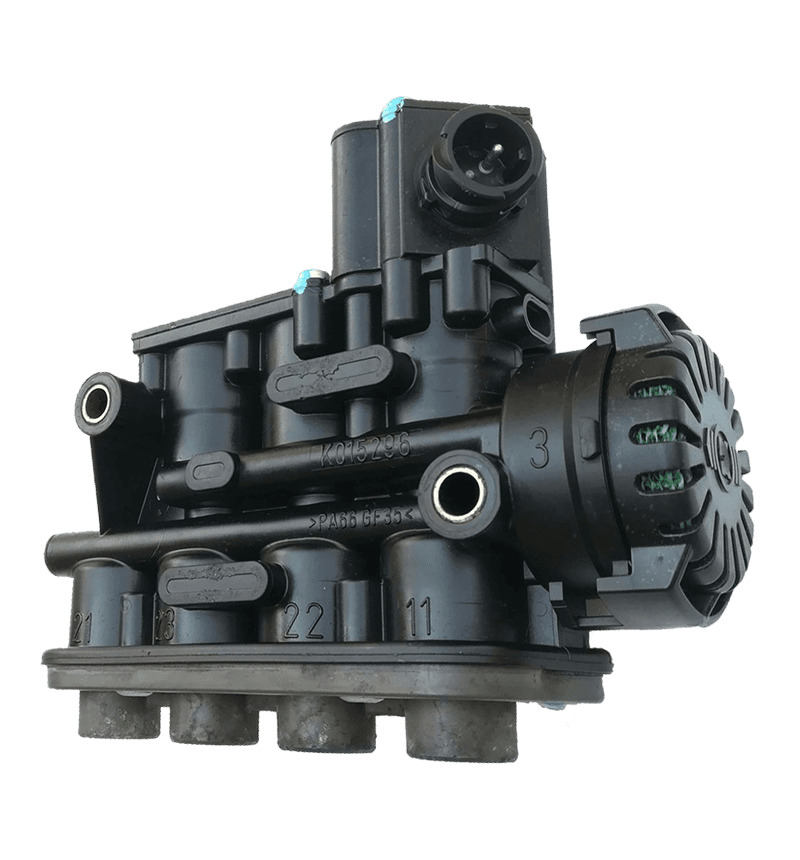
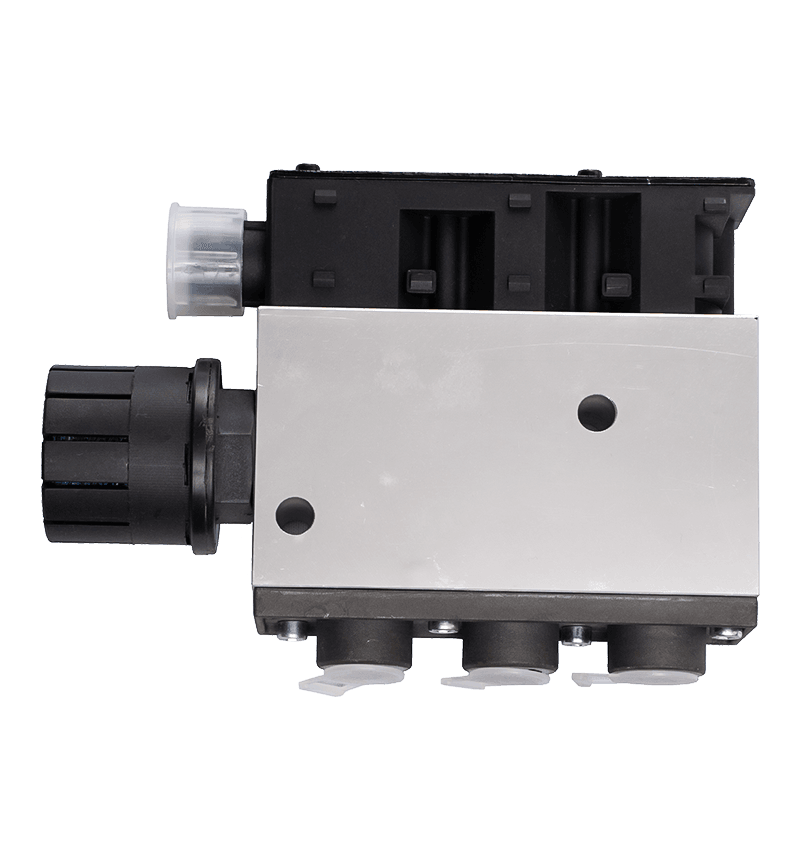
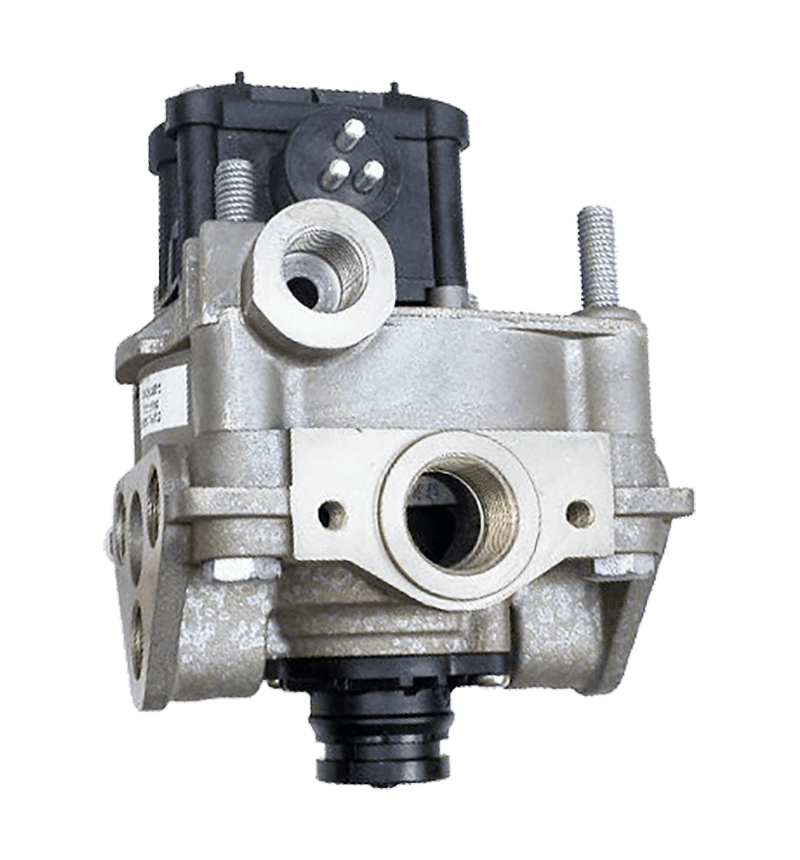
Optimizing electronically controlled air suspension systems relies heavily on the precise pneumatic regulation provided by ECAS solenoid valves. When choosing or troubleshooting these units, fleet managers and service technicians must carefully evaluate response time, operating pressure thresholds, and electrical coil compatibility. Choosing premium-grade proportional control modules drastically minimizes vehicle leveling errors, reduces tire wear by up to 14 percent on uneven cargo loads, and prevents premature compressor burnout.
Modern commercial transport vehicles, including heavy-duty trucks and multi-axle buses, demand advanced suspension dynamics to handle fluctuating cargo distributions and variable road conditions. Traditional mechanical leveling linkages have largely been replaced by sophisticated electronic air suspension architectures. At the core of these modern pneumatic networks sits the electro-pneumatic control block, which relies on precision ECAS solenoid valves to regulate airflow into and out of each air spring bag with millisecond accuracy.
The primary function of an electronically controlled air suspension valve block is to manage the distribution of compressed air between the central air reservoir and individual air bellows. When a height sensor detects a shift in chassis elevation—such as when a 40-ton trailer is loaded on one side—it sends a digital signal to the central electronic control unit.
The control unit immediately energizes the specific ECAS solenoid valves required to either inflate or deflate the corresponding air springs. Internal electromagnetic coils pull open specific pilot plungers, allowing air to flow through calibrated orifices at rates up to 50 liters per minute under a nominal operating pressure of 10 to 12 bar. This rapid, automated adjustment maintains a constant ride height regardless of payload weight, enhancing overall vehicle stability and cargo protection.
Fleet operators and aftermarket purchasers often face choices regarding valve architecture. Understanding the operational differences between traditional on-off solenoid configurations and advanced proportional regulation units is vital for maximizing system performance.
| Performance Metric | Standard On-Off Solenoid Valves | Advanced Proportional Control Valves |
| Airflow Modulation | Binary (Full open or fully closed) | Variable aperture micro-adjustments |
| Leveling Response Time | Moderate (can cause over-correction oscillation) | Instantaneous and smooth damping |
| Air Consumption Efficiency | Lower (frequent compressor cycles) | Higher (precise air usage reduces compressor load) |
| Typical Lifespan (Cycles) | Approx. 2 million switching cycles | Approx. 5 million micro-modulation cycles |
| Cost-to-Benefit Ratio | Economical for basic utility haulers | High ROI for long-haul and fragile cargo carriers |
Because commercial vehicles operate in severe weather environments exposed to road salt, moisture, and extreme temperature shifts, air suspension components are vulnerable to wear. Identifying early symptoms of valve failure prevents unexpected roadside breakdowns.
A common sign of a failing pneumatic control module is uneven vehicle height drooping overnight, even when the engine is turned off. This typically indicates micro-leakage past worn internal rubber seals or contamination wedged against the valve seat. Furthermore, if a diagnostic scanner yields persistent fault codes relating to circuit open loads or stuck valve plungers, technicians must inspect the electrical harness resistance, which should normally measure between 20 to 45 ohms depending on the 24V coil design.
Moisture and oil aerosols carried by compressed air lines represent the single greatest threat to the longevity of ECAS solenoid valves. When moisture mixes with particulate debris inside the valve body, it forms a sticky sludge that hinders plunger movement and degrades internal O-rings.
To ensure maximum operational reliability, maintenance workshops should adhere to strict preventative protocols:
For fleet procurement managers, sourcing replacement suspension components involves balancing initial unit costs against long-term durability and warranty backing. High-performance commercial fleets operating across international borders require components built to strict ISO and IATF quality standards.
When evaluating aftermarket or OEM replacement valve blocks, verify that the unit features corrosion-resistant anodized aluminum bodies and high-grade fluoroelastomer (FKM) internal seals capable of withstanding extreme temperatures ranging from -40°C to +120°C. Investing in certified, high-grade components eliminates repeated maintenance labor charges and protects sensitive vehicle electronics from damaging voltage spikes.
They regulate compressed air flow into and out of air suspension bellows, enabling precise, automated control of vehicle ride height and chassis leveling regardless of load distribution.
Common symptoms include the vehicle sagging overnight on one side, frequent compressor activation while parked, or audible hissing sounds around the valve block assembly during operation.
Premature failure is typically caused by moisture, oil contamination in the air supply line, electrical voltage fluctuations, or debris jamming the internal mechanical valve seats.
A healthy coil typically exhibits an electrical resistance ranging between 20 and 45 ohms. Values significantly outside this range indicate an internal short or broken wire winding.
While minor service kits with O-rings are available for some models, mechanics often replace the entire valve block assembly to ensure structural integrity and prevent recurring pneumatic leaks.
 NO. 132 Xingye Road,Fengqiao Town ,Zhuji City,Zhejiang
 +86-13958007768 +86-13655857582
Copyright © Zhuji Infia Auto Parts Co., Ltd. All Rights Reserved.
Wholesale Truck/Bus Brake Parts Suppliers
 English
 Español