E-mail: [email protected]
E-mail: [email protected]Address: NO. 132 Xingye Road,Fengqiao Town ,Zhuji City,Zhejiang
Whatsapp: +86-13958007768
Whatsapp: +86-13655857582




Need Help
+86-13958007768
E-mail: [email protected]
E-mail: [email protected]
Address: NO. 132 Xingye Road,Fengqiao Town ,Zhuji City,Zhejiang
Whatsapp: +86-13958007768
Whatsapp: +86-13655857582
Our team is proud to offer on time guarantee and product guarantee to customer satisfaction.
Read MoreNews
 2026.05.07
 Industry News
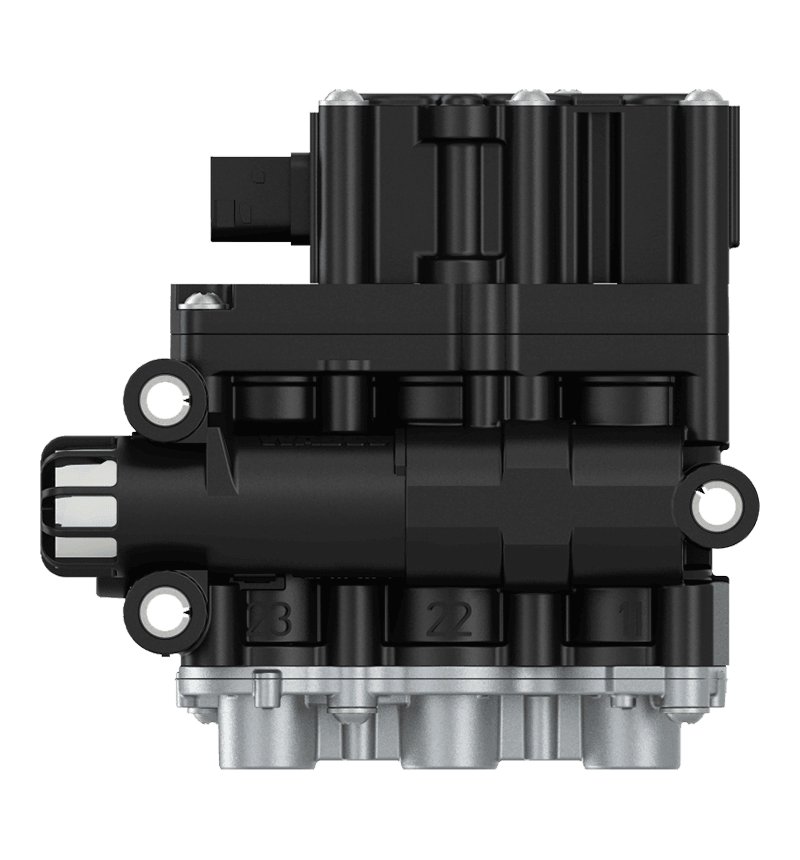
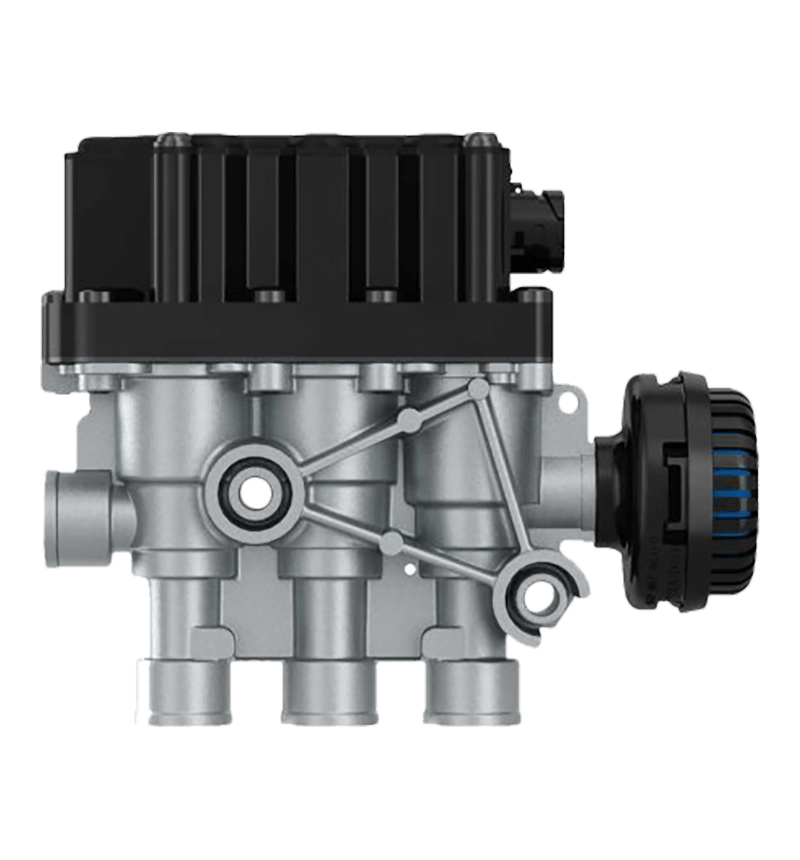
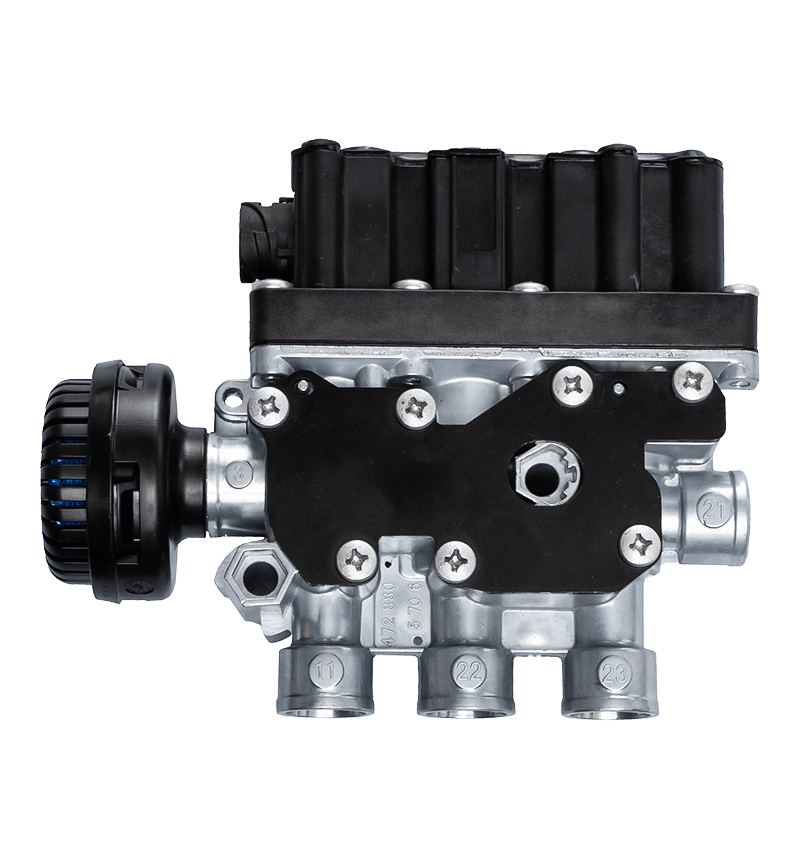
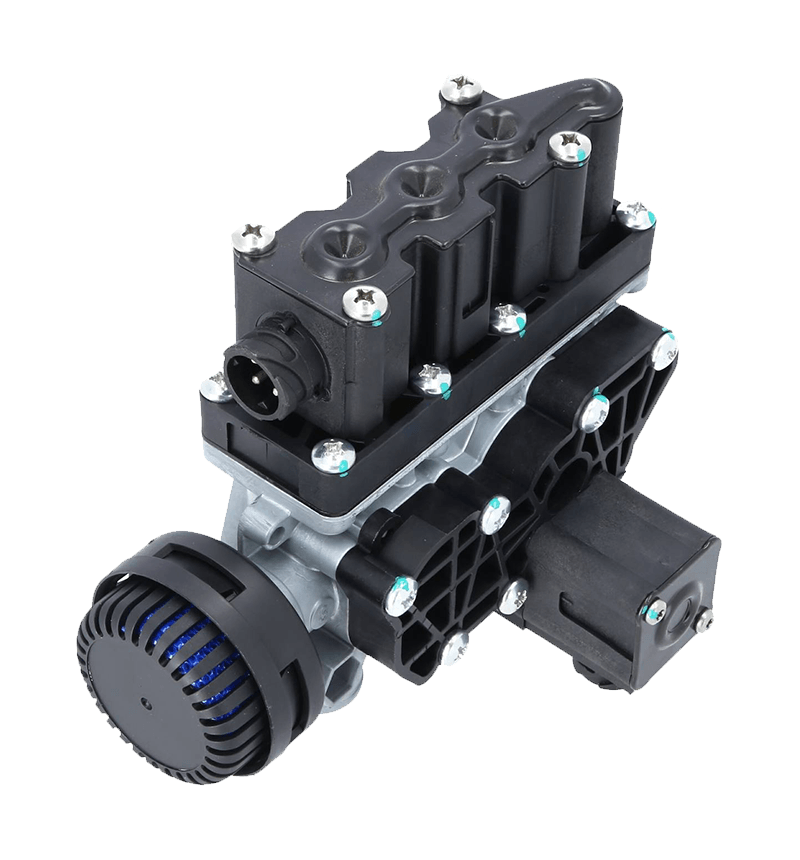
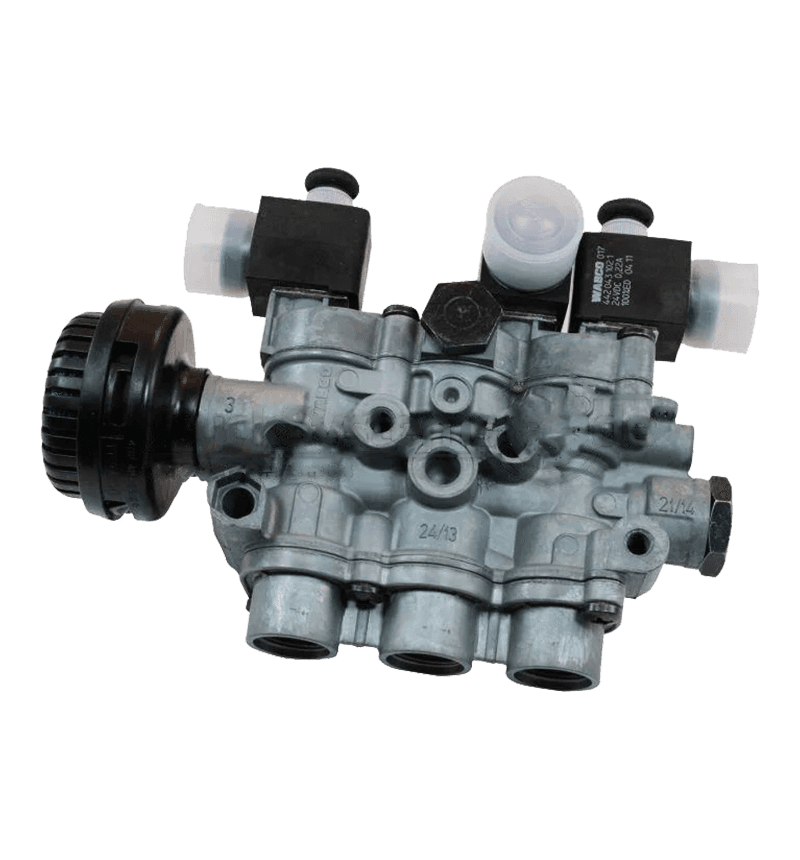
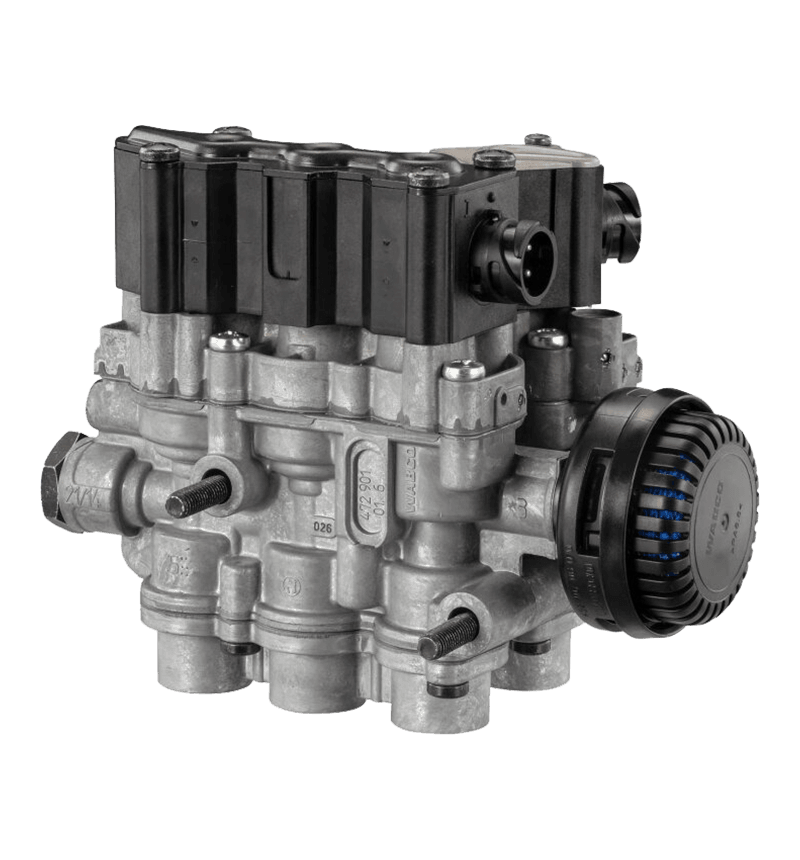
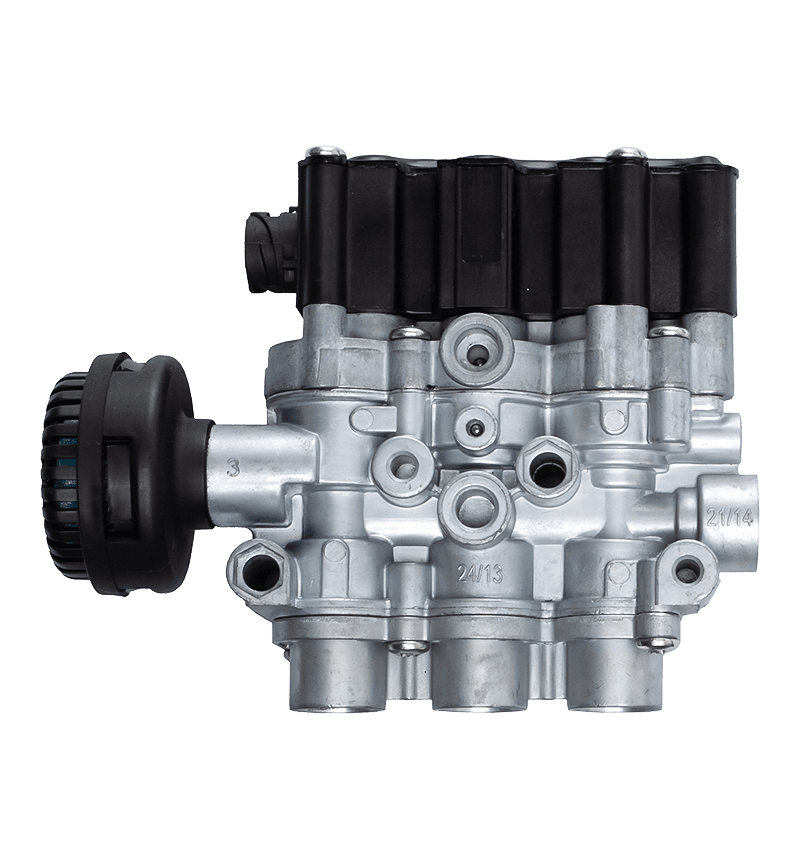
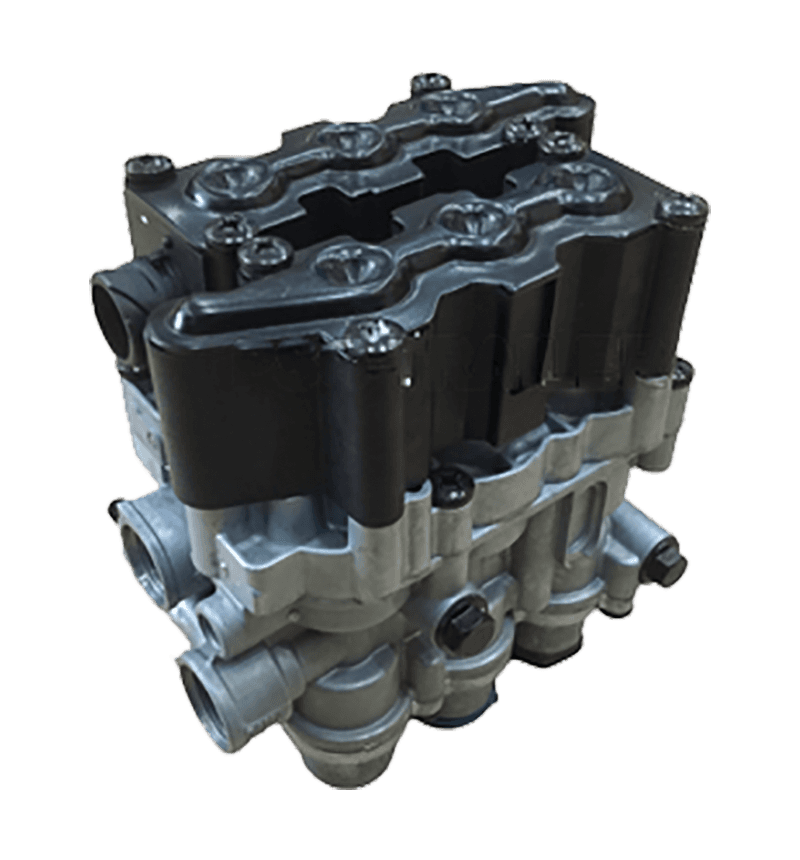
ECAS valves are central components in electronic controlled air suspension systems (ECAS), providing precise regulation of air pressure for optimal vehicle ride height, comfort, and load leveling. These valves adjust the suspension dynamically, responding instantly to road conditions, vehicle weight, and driver input.
By accurately controlling air flow to each air spring, ECAS valves maintain vehicle stability, reduce wear on mechanical components, and improve overall driving safety.
ECAS valves operate using solenoid-controlled ports that regulate compressed air to and from air springs. The electronic control unit (ECU) sends signals to the valve to either increase, decrease, or maintain pressure, allowing precise suspension adjustments in real-time.
Vehicles equipped with ECAS valves gain several measurable benefits. For instance, load leveling reduces chassis tilt under heavy cargo by up to 90%, improving stability and tire wear. Ride comfort is enhanced as the system automatically adjusts damping rates in response to road irregularities.
ECAS valves also contribute to fuel efficiency. Maintaining optimal ride height and reducing excessive suspension movement lowers aerodynamic drag, leading to fuel savings of up to 5% for long-haul vehicles.
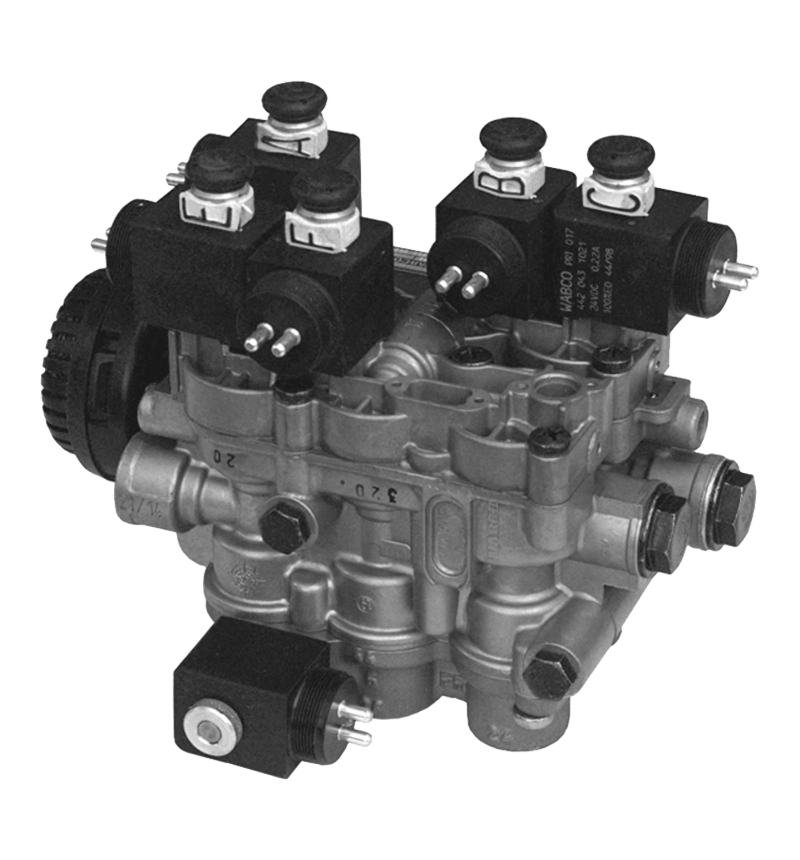
ECAS valves are available in single-channel, multi-channel, and integrated manifold designs. Each configuration addresses different vehicle requirements and air suspension layouts.
| Valve Type | Channels | Typical Application |
|---|---|---|
| Single-channel valve | 1 | Light trucks, small buses |
| Multi-channel valve | 2–4 | Heavy trucks, trailers |
| Integrated manifold valve | 4–6 | High-end coaches, off-road vehicles |
Proper installation and maintenance are critical to ECAS valve longevity and performance. Incorrect installation can lead to air leaks, delayed suspension response, or valve failure.
Advanced ECAS valves are integrating IoT sensors for predictive maintenance, real-time diagnostics, and adaptive suspension control. These innovations allow vehicles to optimize ride comfort automatically while reducing downtime.
Lightweight composite materials and enhanced solenoid designs are also being developed, which reduce valve weight by up to 20% while improving response time by 15%.
 NO. 132 Xingye Road,Fengqiao Town ,Zhuji City,Zhejiang
 +86-13958007768 +86-13655857582
Copyright © Zhuji Infia Auto Parts Co., Ltd. All Rights Reserved.
Wholesale Truck/Bus Brake Parts Suppliers
 English
 Español