E-mail: [email protected]
E-mail: [email protected]Address: NO. 132 Xingye Road,Fengqiao Town ,Zhuji City,Zhejiang
Whatsapp: +86-13958007768
Whatsapp: +86-13655857582




Need Help
+86-13958007768
E-mail: [email protected]
E-mail: [email protected]
Address: NO. 132 Xingye Road,Fengqiao Town ,Zhuji City,Zhejiang
Whatsapp: +86-13958007768
Whatsapp: +86-13655857582
Our team is proud to offer on time guarantee and product guarantee to customer satisfaction.
Read MoreNews
 Home / News / Industry News / Smarter Suspension Control: How ECAS Valves and Solenoid Valves Improve Vehicle Performance
  2026.04.23
 Industry News
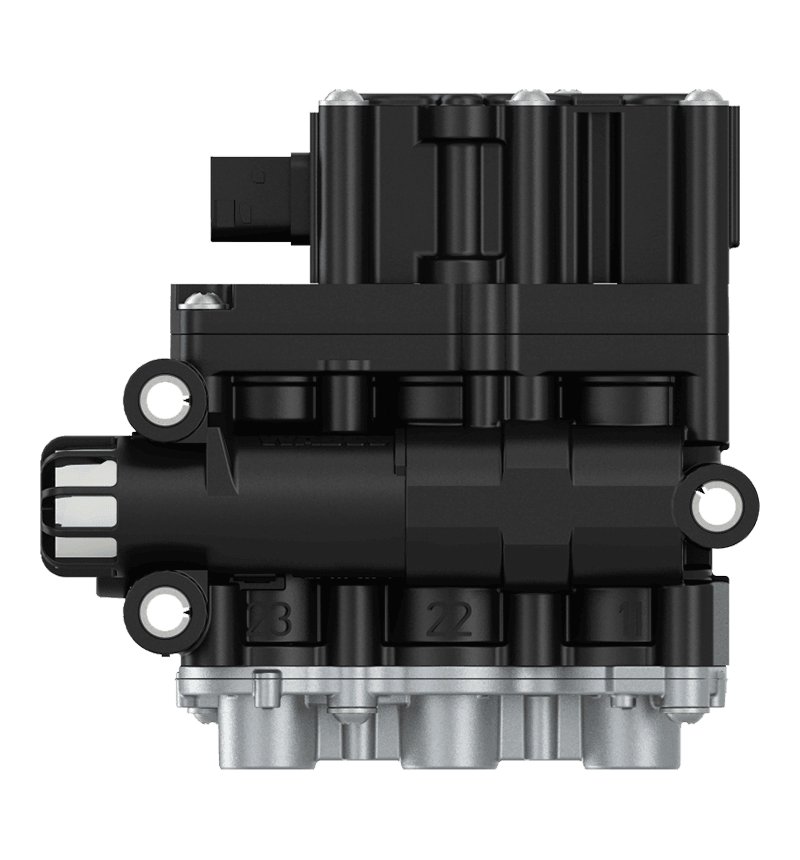
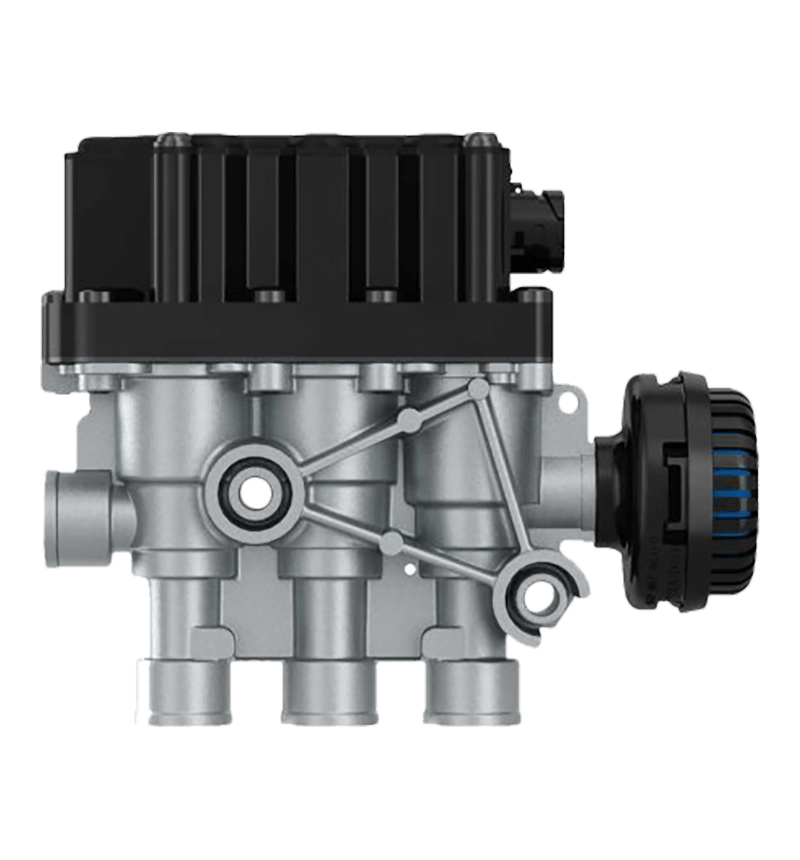
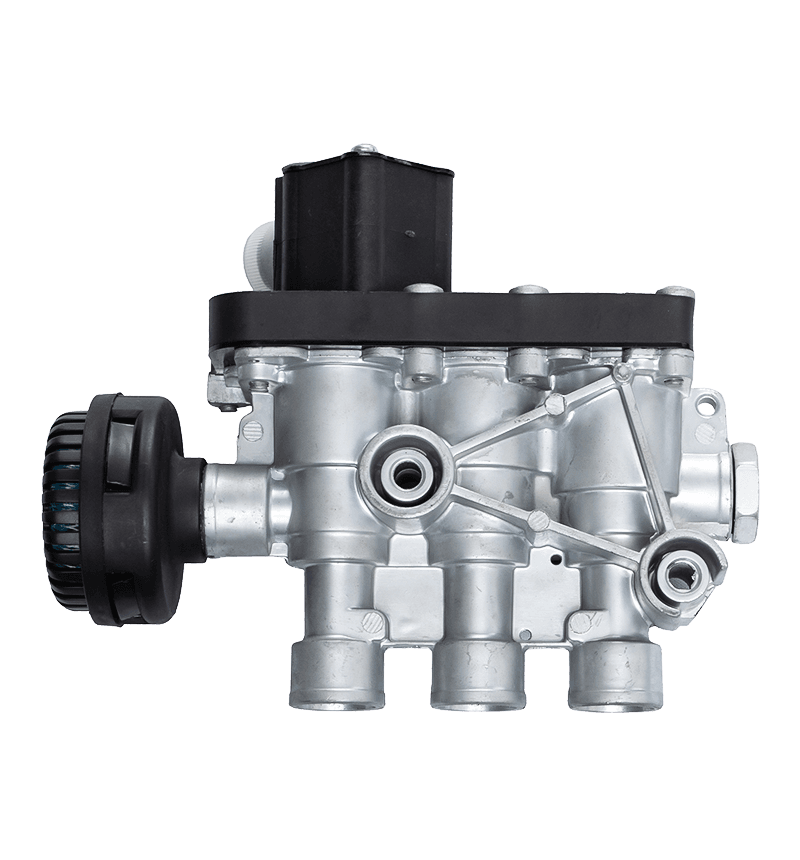
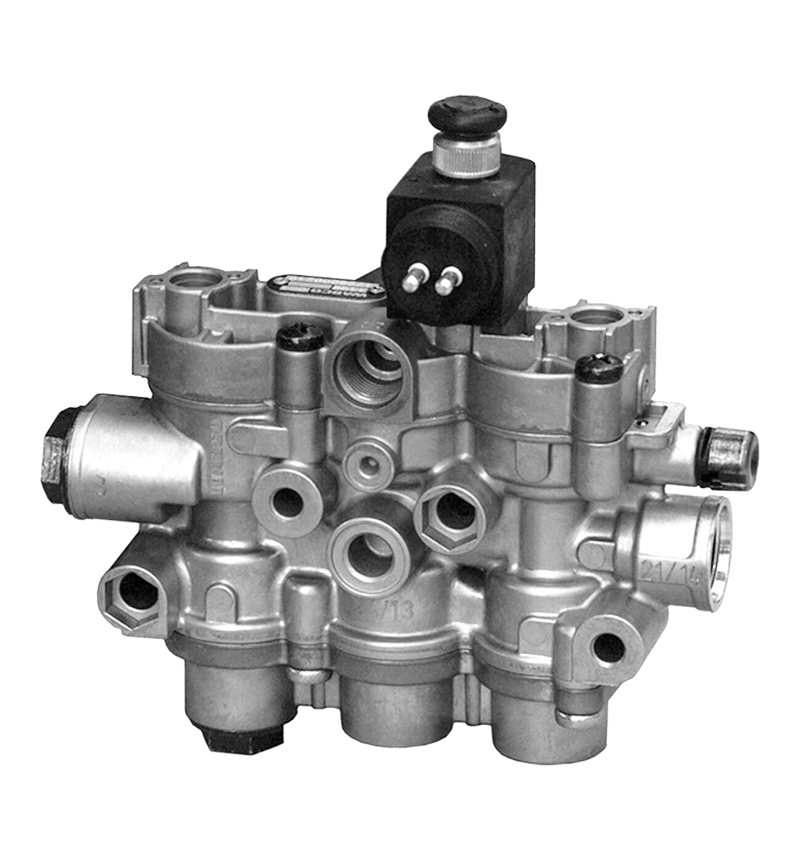
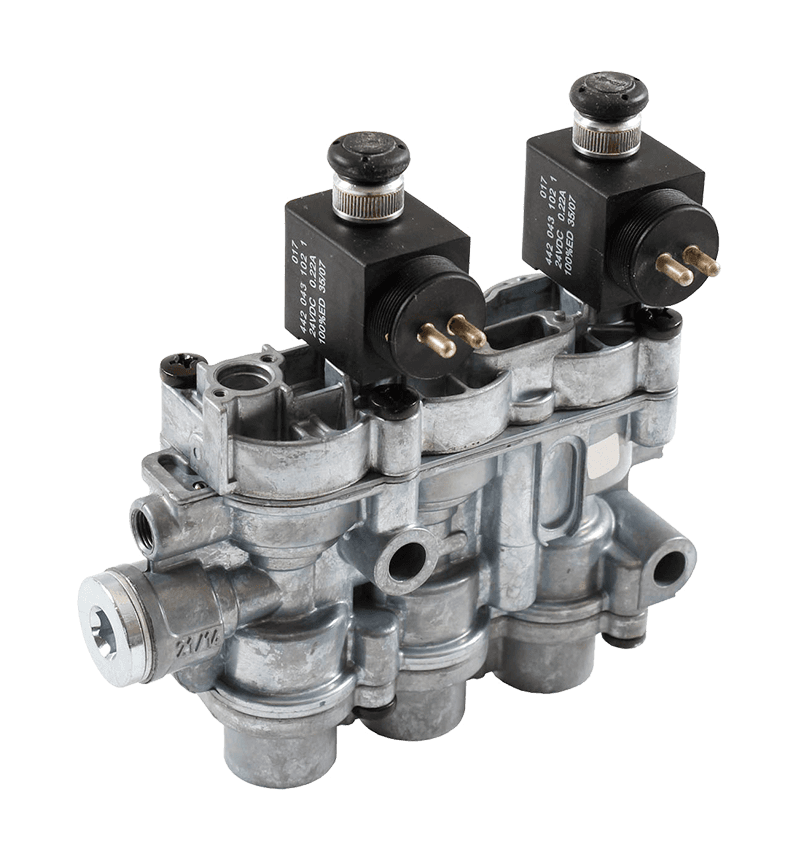
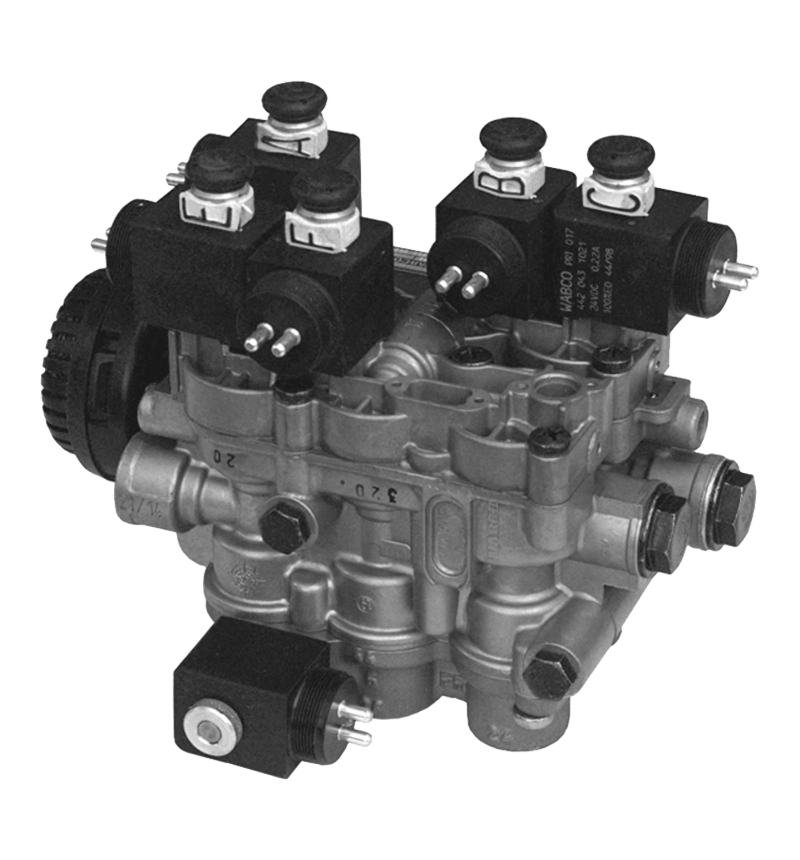
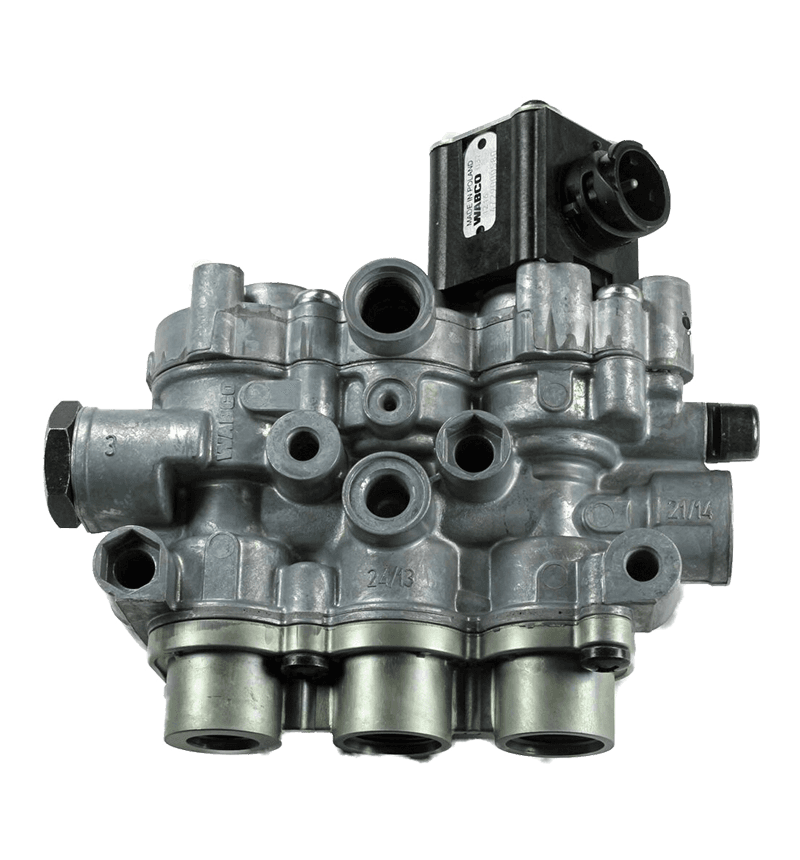
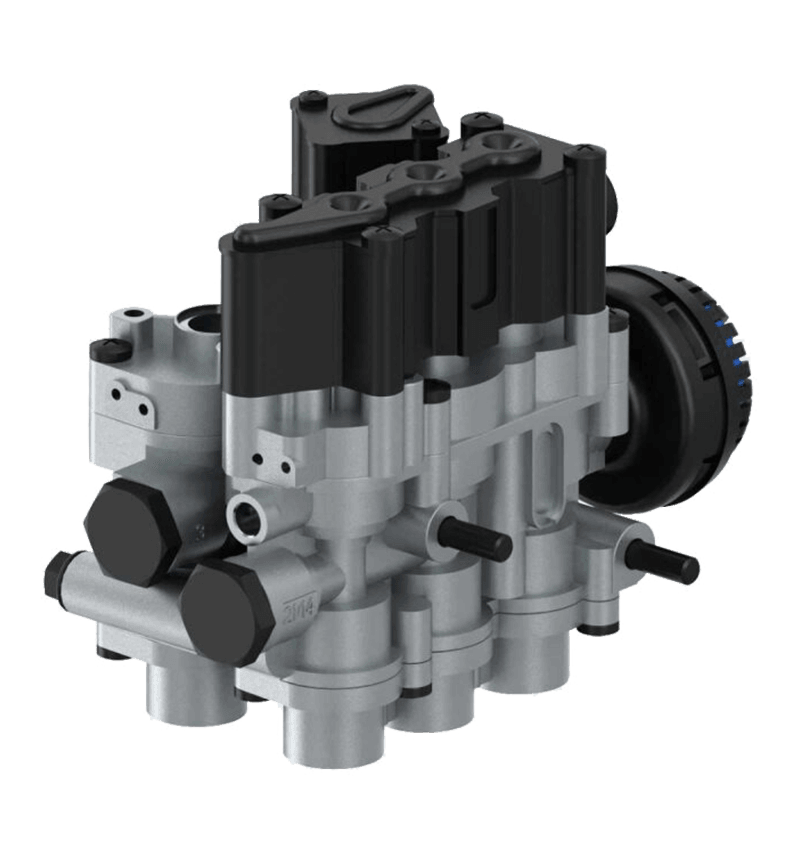
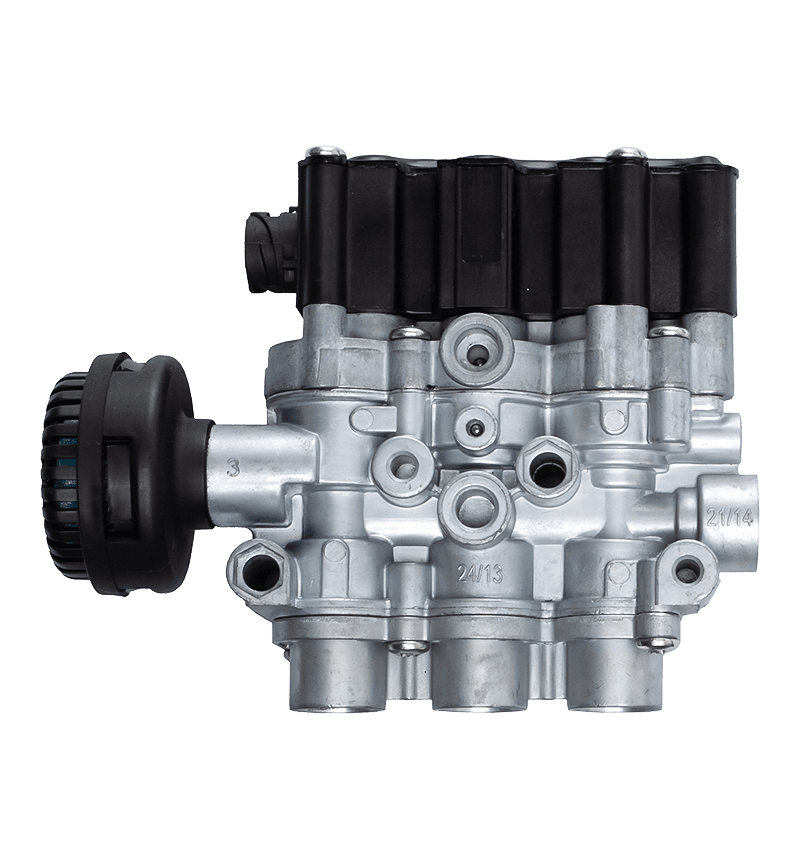
An ECAS VALVE combined with ECAS SOLENOID VALVES provides accurate, automated control of air suspension systems in commercial vehicles, ensuring stable ride height, improved load distribution, and enhanced driving safety. In real-world applications, ECAS (Electronically Controlled Air Suspension) systems can maintain vehicle height within ±5 mm accuracy, even under varying load conditions.
This level of precision directly improves vehicle handling, reduces tire wear, and enhances passenger comfort, especially in heavy-duty trucks, trailers, and buses.
The ECAS system integrates sensors, control units, and pneumatic valves to regulate air pressure in suspension airbags. At the center of this system is the ECAS VALVE, which manages airflow based on electronic signals.
The ECAS valve acts as the primary control unit for distributing compressed air into or out of the suspension airbags, maintaining consistent ride height regardless of load changes.
ECAS SOLENOID VALVES are electrically controlled components that open or close airflow channels. They respond instantly to signals from the electronic control unit, enabling fast adjustments in suspension pressure.
A complete ECAS system relies on multiple integrated components working together to ensure precise suspension control.
| Component | Function | Benefit |
|---|---|---|
| ECAS Valve | Controls airflow distribution | Stable suspension height |
| Solenoid Valves | Open/close air channels | Fast response time |
| Height Sensors | Measure vehicle height | Accurate adjustments |
| Control Unit | Processes signals | Automated control |
The operation of an ECAS system is based on continuous monitoring and adjustment of suspension height through electronic feedback loops.
This closed-loop system allows real-time adjustments, ensuring consistent performance under dynamic driving conditions.
The integration of ECAS valve systems in commercial vehicles delivers measurable performance improvements across multiple aspects.
Fleet data indicates that vehicles equipped with ECAS systems can reduce tire wear by up to 15%–20%, contributing to lower operational costs.
Understanding the technical specifications of ECAS valves helps ensure compatibility and optimal system performance.
| Parameter | Value Range |
|---|---|
| Operating Pressure | 6–12 bar |
| Response Time | Less than 100 ms |
| Voltage | 12V / 24V DC |
| Temperature Range | -40°C to 85°C |
Proper installation and regular maintenance are essential for ensuring the long-term reliability of ECAS valve systems.
The evolution of ECAS systems is closely tied to advancements in vehicle automation and smart transportation technologies. Future ECAS valve systems are expected to integrate with AI-based predictive control systems, allowing pre-adjustments based on road conditions and driving patterns.
Additionally, improved sensor accuracy and faster-response ECAS SOLENOID VALVES will further enhance suspension control precision, supporting the development of autonomous commercial vehicles.
 NO. 132 Xingye Road,Fengqiao Town ,Zhuji City,Zhejiang
 +86-13958007768 +86-13655857582
Copyright © Zhuji Infia Auto Parts Co., Ltd. All Rights Reserved.
Wholesale Truck/Bus Brake Parts Suppliers
 English
 Español