E-mail: [email protected]
E-mail: [email protected]Address: NO. 132 Xingye Road,Fengqiao Town ,Zhuji City,Zhejiang
Whatsapp: +86-13958007768
Whatsapp: +86-13655857582




Need Help
+86-13958007768
E-mail: [email protected]
E-mail: [email protected]
Address: NO. 132 Xingye Road,Fengqiao Town ,Zhuji City,Zhejiang
Whatsapp: +86-13958007768
Whatsapp: +86-13655857582
Our team is proud to offer on time guarantee and product guarantee to customer satisfaction.
Read MoreNews
 2026.08.13
 Industry News
Every fleet technician knows the complaint: the clutch pedal is getting harder to push, and by the end of a long shift the driver's left leg is tired. On modern commercial trucks and buses, that effort is normally handled by a clutch servo, a pneumatic or hydraulic assist device that multiplies the force of the driver's foot. It is sometimes misspelled as 'clutch sevos' or 'clutch seros,' but the component is the same. If your vehicle's clutch suddenly feels heavy, or you are sourcing a clutch servo for a fleet, this guide covers what it does, how it works, the common failure signs, and how to choose a quality replacement.
A clutch servo is a power-assist component installed between the clutch pedal and the release mechanism on commercial vehicles with manual or automated manual transmissions. Its job is to take the mechanical force from the driver's foot, multiply that force with compressed air or hydraulic pressure, and use the combined effort to separate the clutch disc from the flywheel.
In the aftermarket you will also hear the term 'clutch booster.' The two names describe the same component. North American parts catalogs commonly use 'clutch booster,' while European and Asian suppliers write 'clutch servo.' Some OEMs label it an air-assisted clutch cylinder. These naming differences are regional convention, not a technical distinction.
The pneumatic layout dominates heavy commercial vehicles because the air supply already exists on board. Infia Brake, a manufacturer of pneumatic clutch servos and air brake control valves for commercial vehicles, produces this component for truck and bus applications. The often-cited benefit is a reduction in pedal effort of up to 70 percent in some designs, although the actual figure depends on the servo's internal geometry, the diaphragm area, and the air pressure available at the inlet. In practical terms, a system that once demanded sustained leg force becomes comfortable enough for repeated stop-and-go operation.
The word 'servo' comes from servomechanism: a device that uses an external power source to amplify a small control input. In a clutch servo, the small input is the pedal stroke, and the external source is compressed air or hydraulic fluid.
The operating sequence for a pneumatic clutch servo is straightforward:
The hydraulic version follows the same steps but uses fluid from an external pump instead of air. The control valve, piston seals, diaphragm, and return spring are the critical wear points. A leak in any one of them changes the assist curve, which explains why a servo can fail gradually before it stops working entirely. If you want to understand the mechanical clutch side behind this sequence, we have published a detailed working principle of the clutch system that explains the disc, pressure plate, and release bearing interaction.
Air-assisted clutch servos draw from the truck's compressed air supply, which typically ranges between 8 and 12 bar in commercial vehicle air systems. They are standard on heavy trucks, tractors, and buses because the infrastructure is already installed. Hydraulic clutch servos use pressurized fluid from the power steering pump or a dedicated hydraulic unit, and they are more common on medium-duty vehicles or special conversions without air on board.
The difference matters mainly for diagnosis and parts ordering. Air systems fail with leaks and pressure drop; hydraulic systems fail with contaminated fluid, air bubbles, or seal damage. The table below compares the two at a glance.
| Parameter | Air-Assisted Servo | Hydraulic Servo |
|---|---|---|
| Power source | Vehicle compressed air system | Power steering pump or dedicated hydraulic pump |
| Typical applications | Heavy trucks, buses, tractors | Medium-duty vehicles and special conversions |
| Common failure points | Air leaks, regulator faults, diaphragm wear | Fluid leaks, seal wear, contaminated fluid |
| Main maintenance focus | Air dryer condition, reservoir drainage | Fluid level, bleeding, seal condition |
Functionally, the servo's internal spool valve is a small pneumatic control valve, and the sealing and tolerance requirements mirror those of other air control valves on the vehicle. A supplier that builds reliable valves usually builds reliable clutch servos. Fleet buyers can review related pneumatic control valves used in clutch systems to gauge a manufacturer's quality standard. For a more detailed explanation, our technical blog covers how a clutch servo operates step by step.
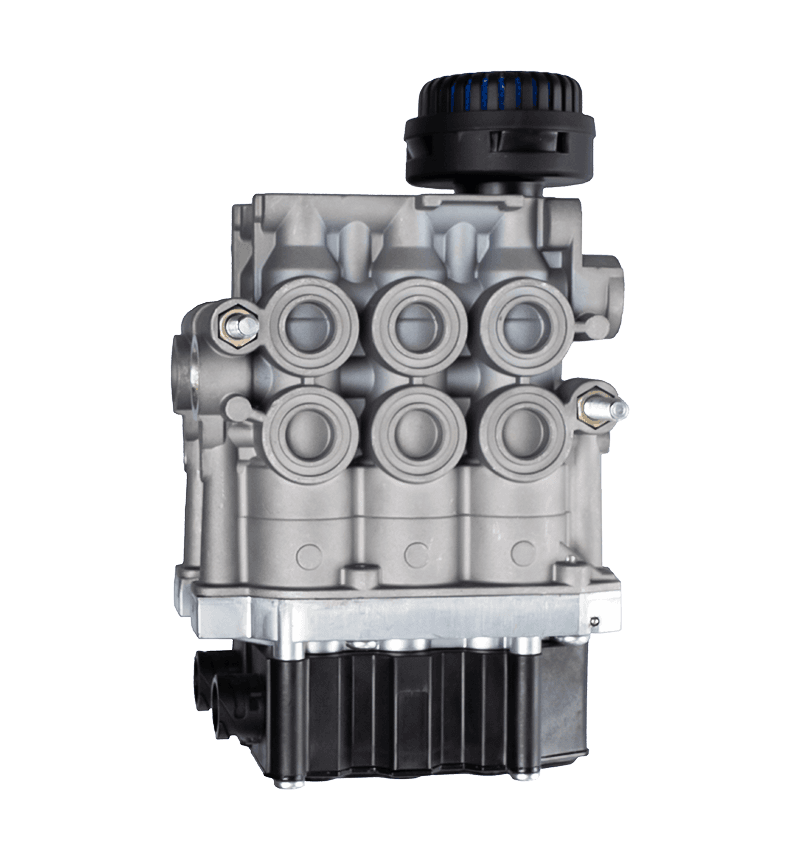
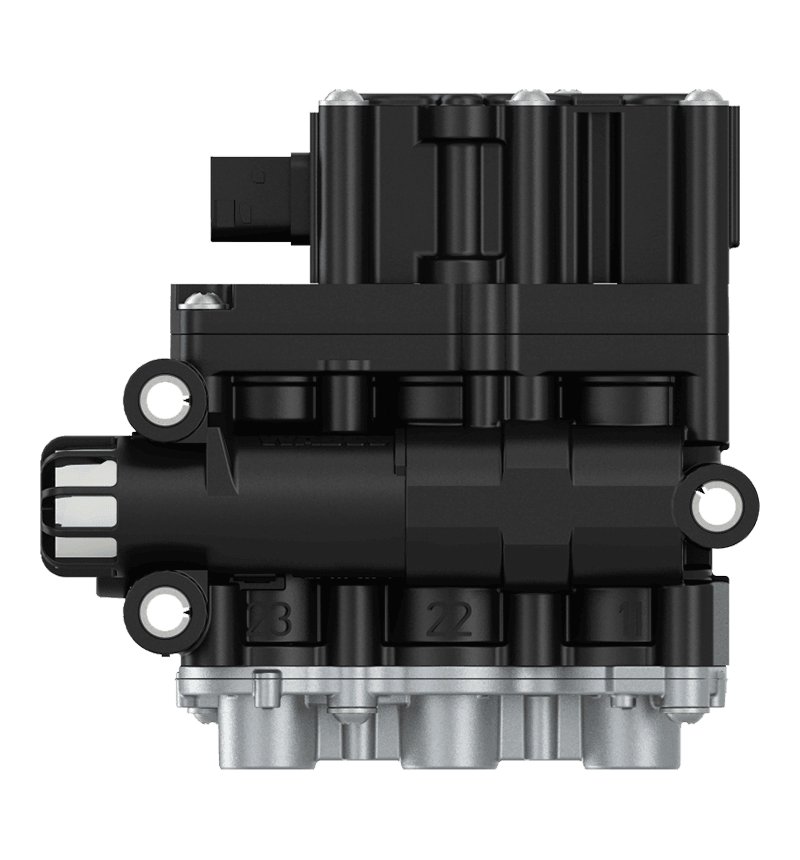
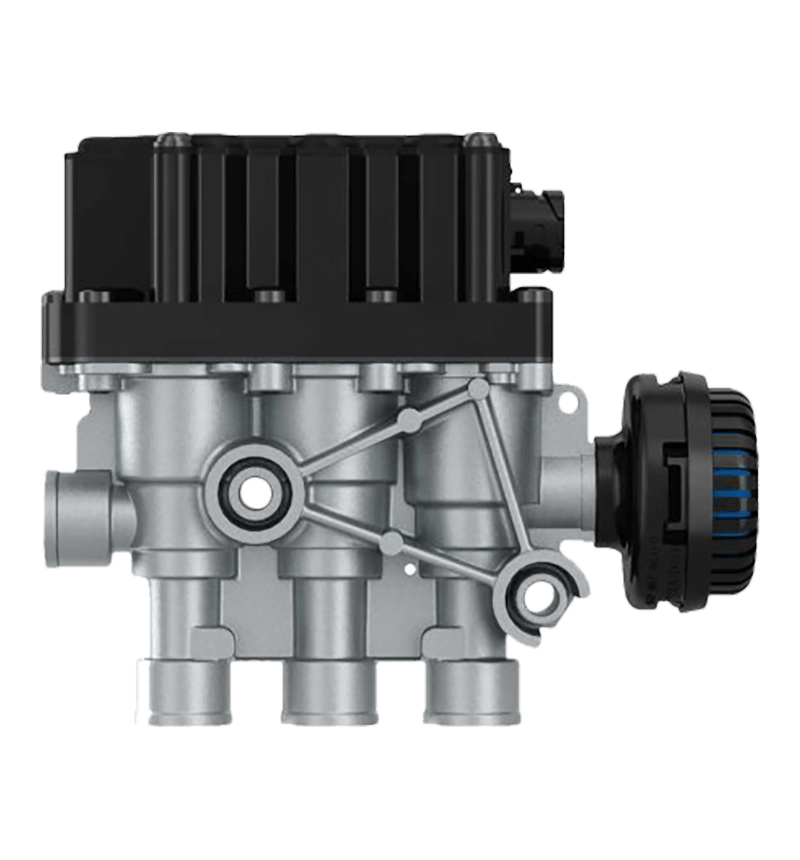
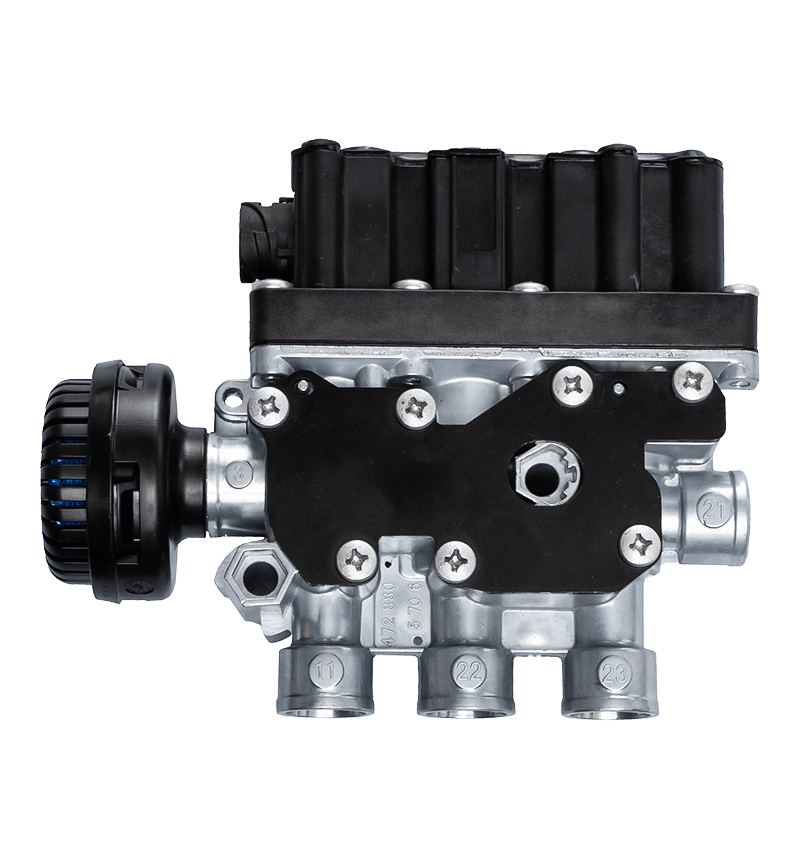
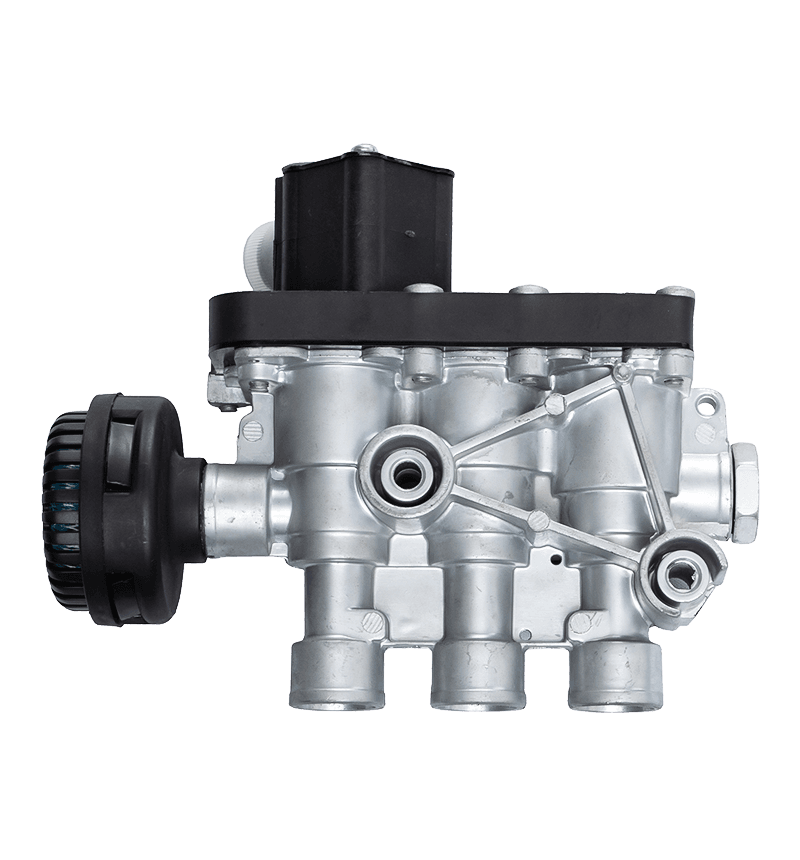
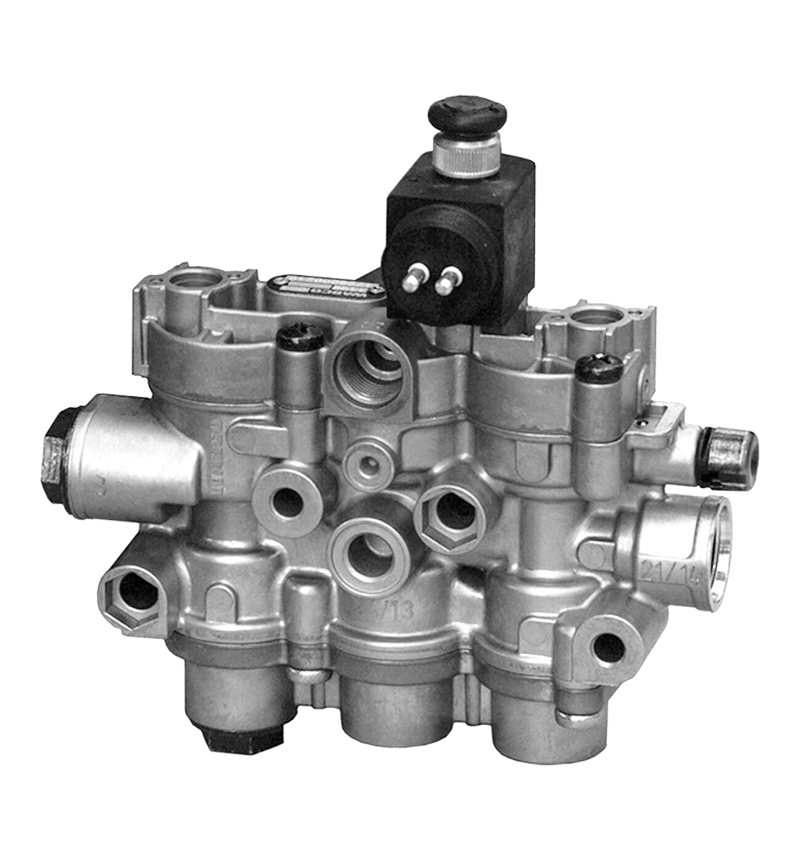
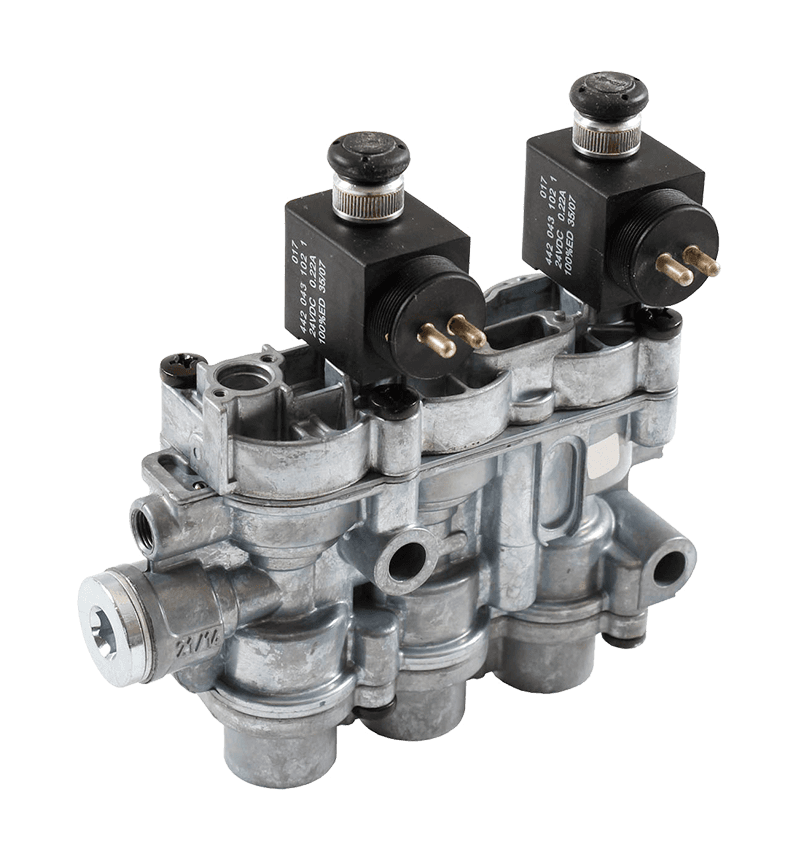
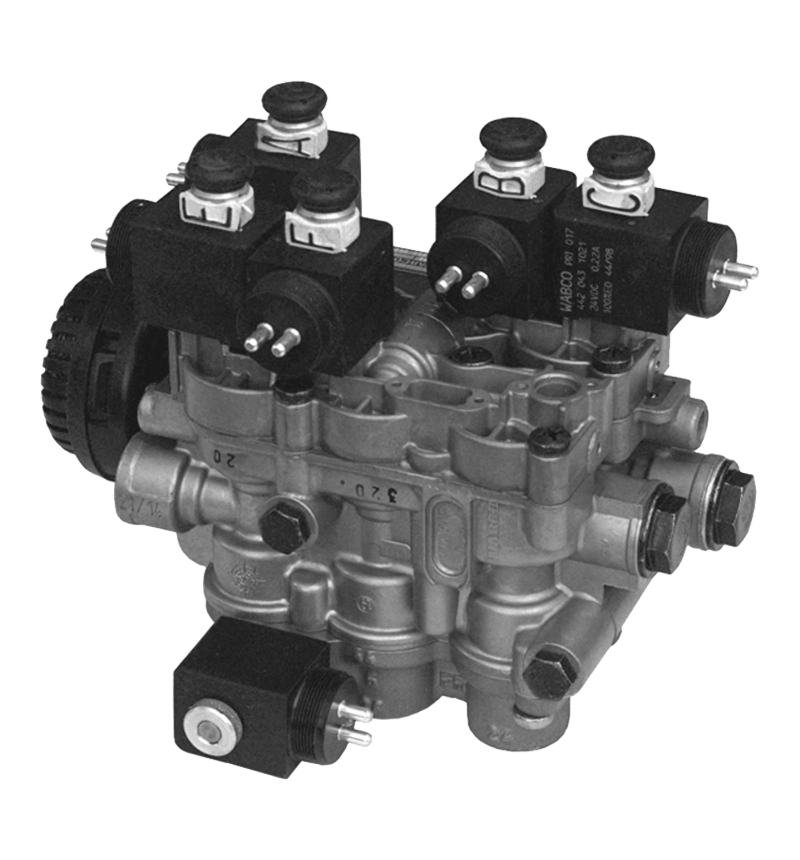
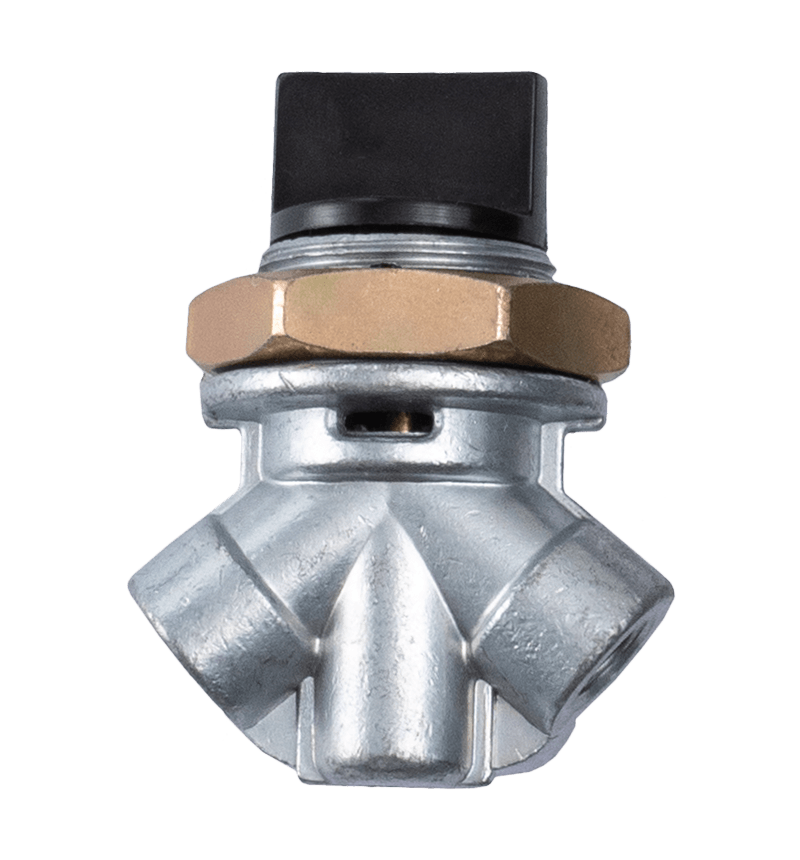 Wholesale Control Valves Manufacturers, Suppliers, FactoryZhuji Infia Auto Parts Co., Ltd. is China Control Valves manufacturers and Control Valves suppliers, our factory wholesale Control Valves.View Product →
Why install or replace a clutch servo? For a fleet, the return on this component shows up in four areas:
Most clutch servo problems follow a predictable pattern. The common complaints are a suddenly heavy pedal, gears that grind on engagement, visible oil or air leaks, and a pedal that returns slowly. The table below summarizes what each symptom usually means.
| Symptom | Likely Cause | First Check |
|---|---|---|
| Pedal effort increases suddenly | Low air supply pressure or clogged filter (pneumatic); low fluid level (hydraulic) | Measure pressure at the servo inlet; verify fluid reservoir level |
| Clutch does not fully disengage; gears grind | Worn piston seal, damaged diaphragm, or insufficient servo stroke | Stroke test at the release fork; inspect seal and diaphragm |
| Oil or air leak around the servo | Damaged seal, cracked diaphragm, loose fitting | Visual inspection of boots, fittings, and exhaust port |
| Pedal returns slowly | Blocked exhaust port, weak return spring, or contaminated air | Clean exhaust port; test return spring force |
Work through the checks in this order:
Seals, diaphragms, and return springs are normal wear items. Service intervals vary heavily with duty cycle and air quality, so the practical rule is to include the servo in every preventive maintenance inspection rather than rely on a fixed mileage interval.
Buying a clutch servo is a compatibility exercise first and a quality exercise second. Confirm the following before ordering:
Infia Brake, a commercial vehicle air brake component manufacturer based in China, is one supplier that follows this approach. If you are sourcing for a fleet or evaluating suppliers, explore clutch servo options from a professional manufacturer and request the specification sheet that matches your vehicle model. Before you confirm the order, check the available space in the transmission tunnel, the air consumption against the compressor duty cycle, and the inlet pressure at idle.
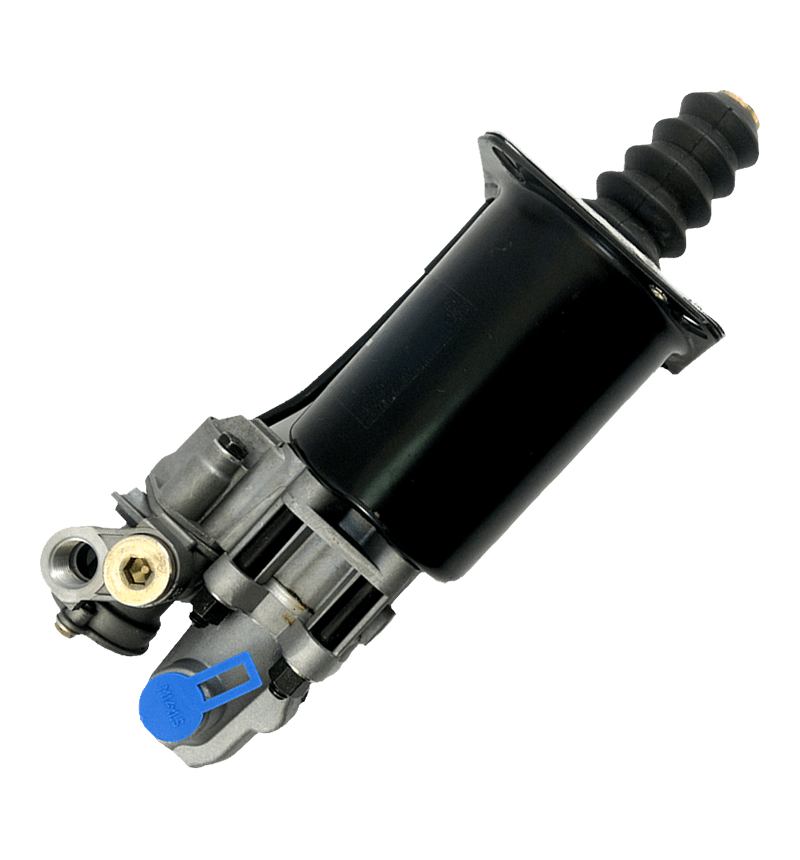 OEM/ODM Clutch Servos Manufacturers, Suppliers, FactoryZhuji Infia Auto Parts Co., Ltd. is China Clutch Servos Manufacturers and Clutch Servos Suppliers, our factory offer OEM/ODM Clutch Servos.View Product →
A clutch servo is a commercial vehicle power-assist component that goes by different names but does one job: it makes the clutch pedal lighter and the engagement more predictable. Air-assisted units dominate heavy trucks and buses, while hydraulic units cover specific medium-duty applications. The main benefits are reduced driver fatigue, smoother clutch control, longer component life, and better fuel economy. When failures occur, the pattern is almost always a heavy pedal, incomplete disengagement, a visible leak, or slow return, and the fix starts with checking supply pressure before condemning the servo.
For fleets and buyers, the selection rule is simple: match the OEM specification, verify the air or hydraulic system, and buy from a manufacturer that tests each unit. If you need help identifying the right component, contact Infia Brake for clutch servo inquiries and include your vehicle model, original part number, and installation photos.
 NO. 132 Xingye Road,Fengqiao Town ,Zhuji City,Zhejiang
 +86-13958007768 +86-13655857582
Copyright © Zhuji Infia Auto Parts Co., Ltd. All Rights Reserved.
Wholesale Truck/Bus Brake Parts Suppliers
 English
 Español