E-mail: [email protected]
E-mail: [email protected]Address: NO. 132 Xingye Road,Fengqiao Town ,Zhuji City,Zhejiang
Whatsapp: +86-13958007768
Whatsapp: +86-13655857582




Need Help
+86-13958007768
E-mail: [email protected]
E-mail: [email protected]
Address: NO. 132 Xingye Road,Fengqiao Town ,Zhuji City,Zhejiang
Whatsapp: +86-13958007768
Whatsapp: +86-13655857582
Our team is proud to offer on time guarantee and product guarantee to customer satisfaction.
Read MoreNews
 Home / News / Industry News / Clutch Servo Failure: Symptoms, Causes, and Replacement Guidance for Heavy Trucks
  2026.08.20
 Industry News
The clutch pedal is stiff, the next gear is difficult to find, and a low hissing sound appears every time you push it down. If that sounds familiar, the clutch servo on your truck is probably not working as it should.
In short, a failing clutch servo makes clutch operation harder and less predictable. Ignoring it does not only strain your leg. It can also damage the release bearing, the gearbox synchronizers, and the clutch disc itself.
A clutch servo is an air-assisted actuator mounted between the clutch pedal and the clutch release mechanism in commercial vehicles. It uses compressed air from the air reservoir to multiply the force that the driver applies to the pedal. The servo opens and closes a small pilot valve; that valve sends air pressure to one side of a diaphragm or piston, which then pushes the clutch release fork through a push rod.
This arrangement allows a driver to operate a heavy-duty clutch with a much lighter pedal effort. The servo also provides the stroke needed to separate the clutch disc completely from the flywheel. If the servo does not move far enough, the clutch still transmits torque, which causes grinding gears and a truck that creeps forward in neutral. Compared with a purely mechanical linkage, the pneumatic servo gives a more consistent release and reduces the load on the driver during stop-and-go driving.
For a more detailed look at the operating sequence, read our explanation of how the clutch servo works.
Clutch servo faults usually show up as changes in pedal feel or clutch behavior. The most obvious sign is a hard pedal, but other symptoms are equally important.
| Symptom | What It Usually Points To | Risk If Ignored |
|---|---|---|
| Heavy or stiff clutch pedal | Torn diaphragm, low supply pressure, blocked pilot valve | Driver fatigue, accelerated clutch disc wear |
| Gears crunch or clutch drags | Short push rod stroke, internal leakage, worn seals | Gearbox synchronizer and clutch damage |
| Hissing sound when pressing the pedal | Cracked housing or leaking seals | Air loss that can affect other pneumatic components |
| Clutch engages suddenly or with a bang | Broken return spring, sticking spool, loss of damping | Driveline shock and premature release bearing failure |
| Clutch pedal stays low and does not return fully | Blocked exhaust port, collapsed return spring | Partial clutch engagement and continuous plate slip |
A hard pedal means the servo is not contributing enough air assist. The diaphragm may be torn, or the air line may be partially blocked. In cold weather, moisture in the system can freeze at the exhaust port and make the servo unresponsive.
If the servo push rod does not travel far enough, the clutch release bearing cannot push the pressure plate far enough. The clutch disc then continues to rub against the flywheel. This makes shifting hard, especially after the vehicle has been running for a while.
A hissing leak is sometimes dismissed as normal because the compressor keeps running anyway. But a leaking clutch servo can reduce air pressure for the entire pneumatic system when the pedal is held down, which is a safety concern.
Before replacing anything, separate a servo fault from a clutch or release bearing fault. Park the truck, keep the engine running, and press the clutch pedal slowly. The servo should add assisted force and the pedal should move through a consistent arc. If the pedal feels solid after the first third of travel, the servo is not following the input.
Listen for air exhaustion when the pedal returns. A normal servo exhausts air with a brief hiss; a servo that exhausts continuously has a damaged sealing surface. You can also have a second person press the pedal while you look at the push rod. The push rod should extend smoothly and return to the same starting position. Check the supply pressure at the servo inlet, because a low reading points to a blocked line or a failing pressure regulator.
Most clutch servo failures are not random. They are caused by contamination or mechanical overload. Water and oil from a dirty air system degrade the rubber diaphragm and seals. When the air dryer is not serviced, the moisture accumulates inside the servo bore and corrodes the aluminum sections.
Mechanical failure usually happens when the clutch release lever is out of adjustment. A lever that is set too far can make the servo piston hit the end stop on every stroke, bending the push rod or cracking the housing. Regular clutch adjustment prevents the servo from being forced past its design limit.
In some cases, a rebuild kit with new seals and a new diaphragm is enough. This is a valid option if the housing is clean, the bore is not scored, and the push rod is straight. But if the servo has been leaking for a long time, corrosion may already be present inside the bore. A rebuilt unit will then fail again within weeks.
Replacement is the safer choice when the servo body is damaged, the mounting threads are stripped, or the original unit has high mileage. A new clutch servo also gives you a known service life instead of an uncertain one.
There is an important sourcing risk to remember: not every servo with the same connector is compatible with your application. Stroke, mounting dimensions, and the pilot pressure curve must match. A mismatch can make the clutch engage harshly, or it can prevent the servo from reaching full stroke.
Start with the original part number, not the truck model alone. Two trucks of the same model can have different clutch actuation systems depending on the engine, gearbox, and production year. Write down the part number, mounting bolt spacing, port size, and the direction of the air ports.
When you are ready to buy, look at the clutch servo product range from a company that specializes in pneumatic control valves. A specialist can usually confirm whether a particular servo matches the original dimensions or tell you if a universal body is available.
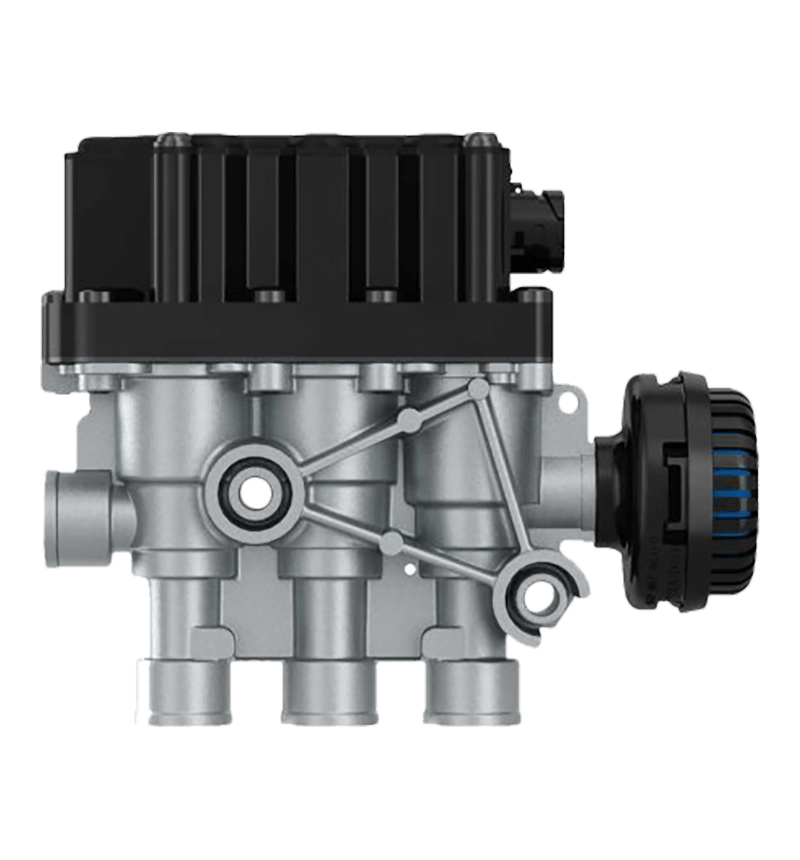
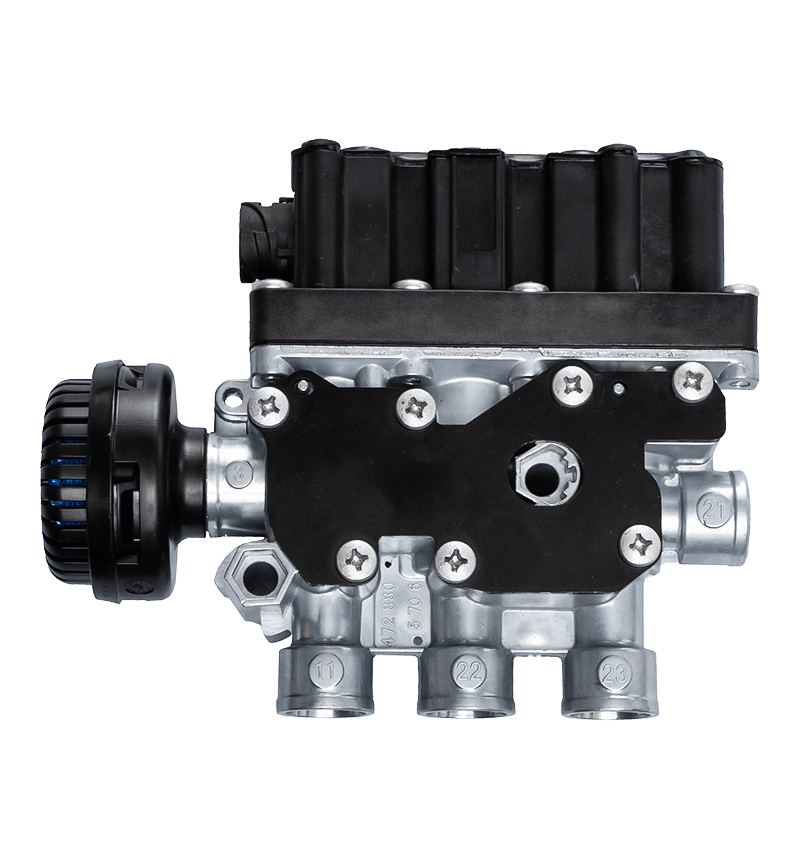
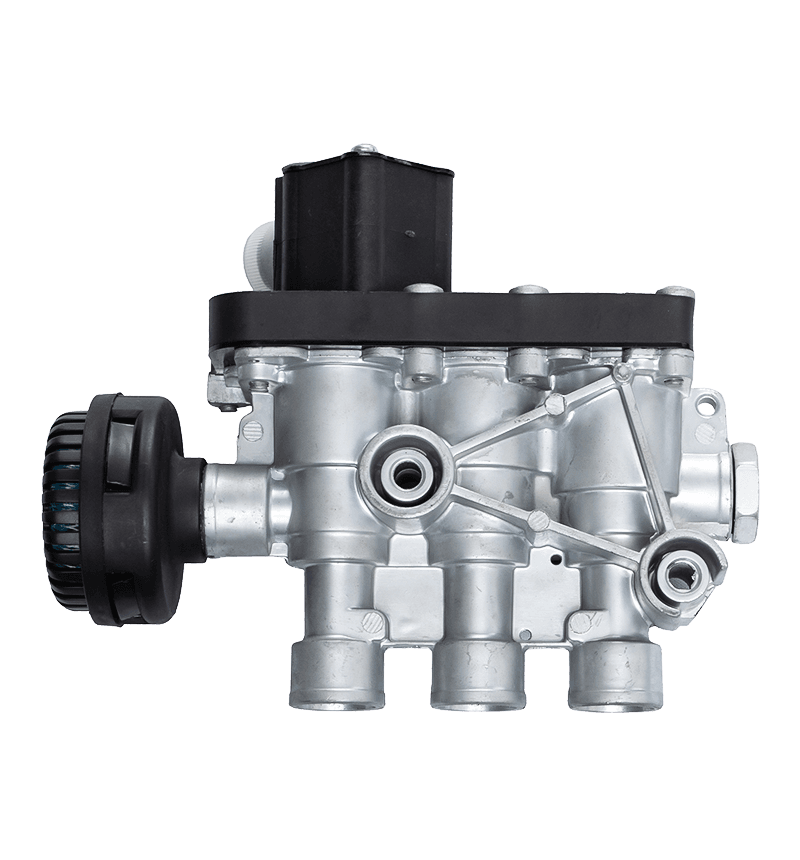
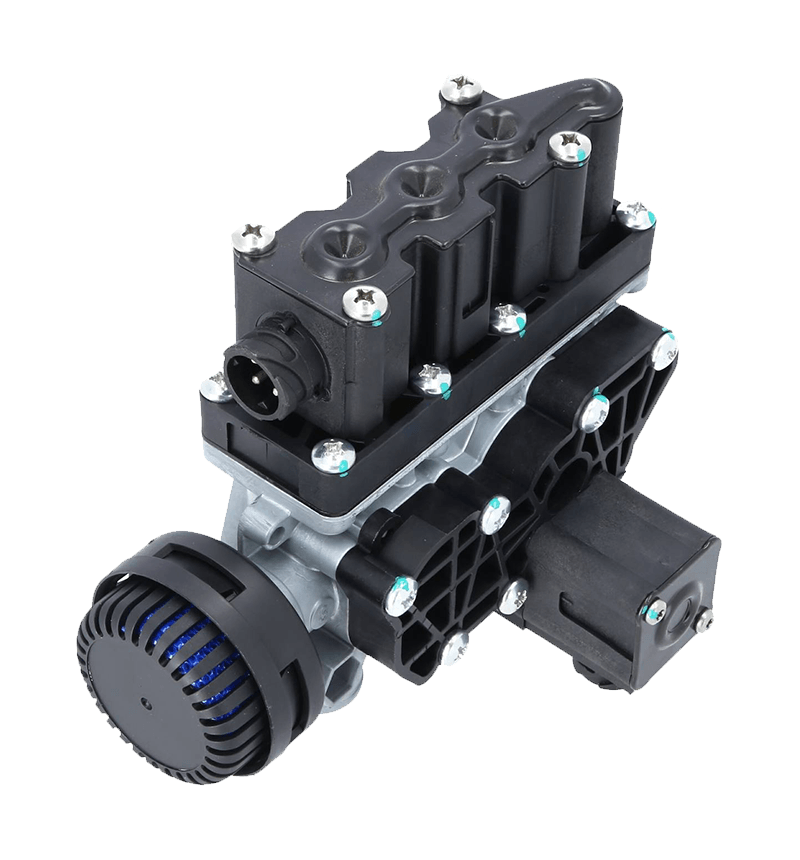
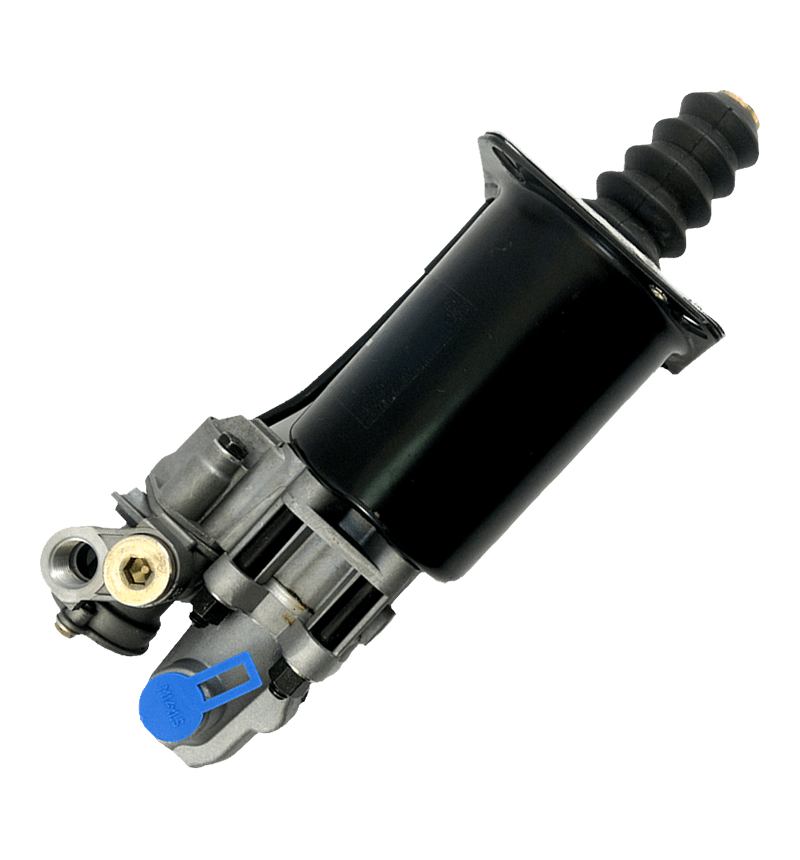 OEM/ODM Clutch Servos Manufacturers, Suppliers, FactoryZhuji Infia Auto Parts Co., Ltd. is China Clutch Servos Manufacturers and Clutch Servos Suppliers, our factory offer OEM/ODM Clutch Servos.View Product →
Even a high-quality clutch servo will fail quickly if the installation is wrong or the air supply is dirty. Follow these basic rules:
Clutch servos are not simple cylinders. The bore finish, seal compound, diaphragm stiffness, and pilot valve calibration all affect how the truck feels on the road. A specialist manufacturer makes these decisions consistently across production batches.
Infia Auto Parts has been producing pneumatic valves and actuators for vehicle brake and air-control systems since 2007. The company develops and manufactures clutch servos alongside hand brake valves, ECAS solenoid valves, and air dryers. Its engineering and sales teams also work with customers on drawings and sample-based development, which helps when a vehicle requires a non-standard mounting configuration or a custom port arrangement.
A clutch servo problem is not something that should be postponed to the next service interval. A hard pedal and grinding gears will not fix themselves. Inspect the system, find the actual cause, install the correct replacement, and make sure the air supply stays clean. The long-term result is a lighter clutch, smoother shifts, and fewer unexpected workshop visits.
 NO. 132 Xingye Road,Fengqiao Town ,Zhuji City,Zhejiang
 +86-13958007768 +86-13655857582
Copyright © Zhuji Infia Auto Parts Co., Ltd. All Rights Reserved.
Wholesale Truck/Bus Brake Parts Suppliers
 English
 Español