E-mail: [email protected]
E-mail: [email protected]Address: NO. 132 Xingye Road,Fengqiao Town ,Zhuji City,Zhejiang
Whatsapp: +86-13958007768
Whatsapp: +86-13655857582




Need Help
+86-13958007768
E-mail: [email protected]
E-mail: [email protected]
Address: NO. 132 Xingye Road,Fengqiao Town ,Zhuji City,Zhejiang
Whatsapp: +86-13958007768
Whatsapp: +86-13655857582
Our team is proud to offer on time guarantee and product guarantee to customer satisfaction.
Read MoreNews
 Home / News / Industry News / ECAS Valve Guide: How It Works, Common Failures, and Selection Criteria
  2026.08.27
 Industry News
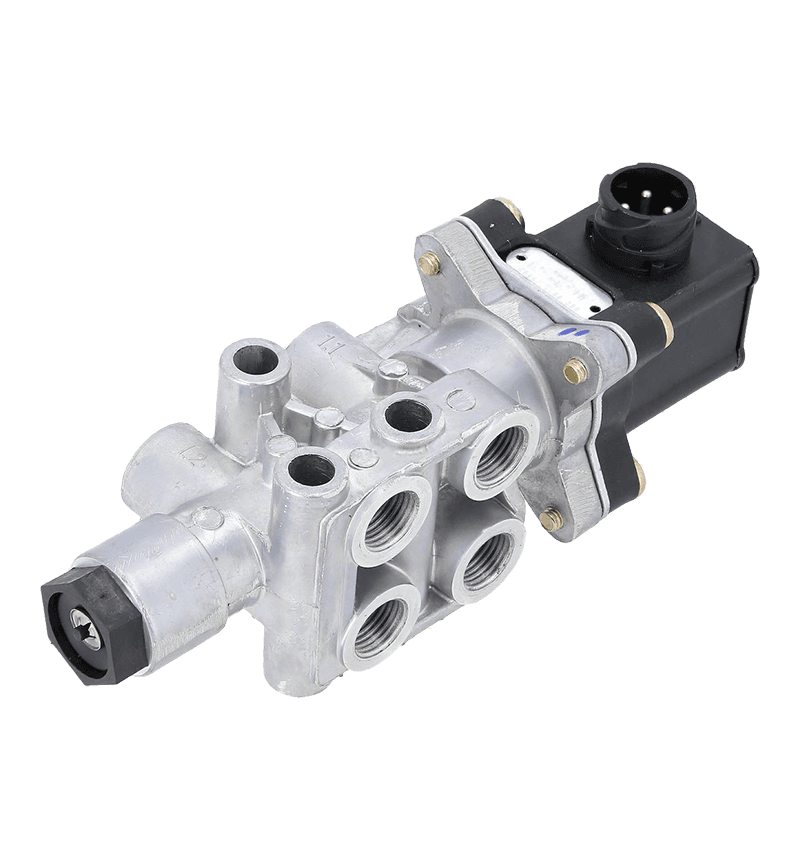
A truck that tilts to one side when parked, a suspension warning light that comes on after a cold morning, and an air compressor that runs almost constantly: these are signs of an ECAS valve that is not holding air pressure. The ECAS valve, or ECAS solenoid valve, is the component that executes height changes in an electronically controlled air suspension. It opens to let air into the suspension bellows and exhausts air to lower the chassis. Because it is both mechanical and electrical, it fails in predictable ways. This guide explains how the valve works, what goes wrong, and how to choose a replacement that matches the needs of a heavy-duty commercial vehicle.
An ECAS system uses height sensors and an electronic control unit to maintain the correct chassis height. The ECU compares the actual height with the target height and sends a command to the ECAS valve. In a typical installation, the valve has two solenoid-operated functions: one for pressurizing the air bag, one for exhausting it. When driving, both solenoids are closed, and the valve must hold air without leakage. On a curve or during loading, the ECU may pressurize one side and exhaust the other to keep the vehicle level.
That simple description hides a demanding operating environment. The valve is mounted under the chassis, exposed to water, salt, and temperature extremes. It sees supply pressure from the air system, which is usually around 10 to 12 bar. At the same time, it must respond to small electrical signals from the ECU and maintain a tight seal for years. For a more detailed view of the internal control path, read our earlier article on the working principle and performance characteristics of ECAS valves.
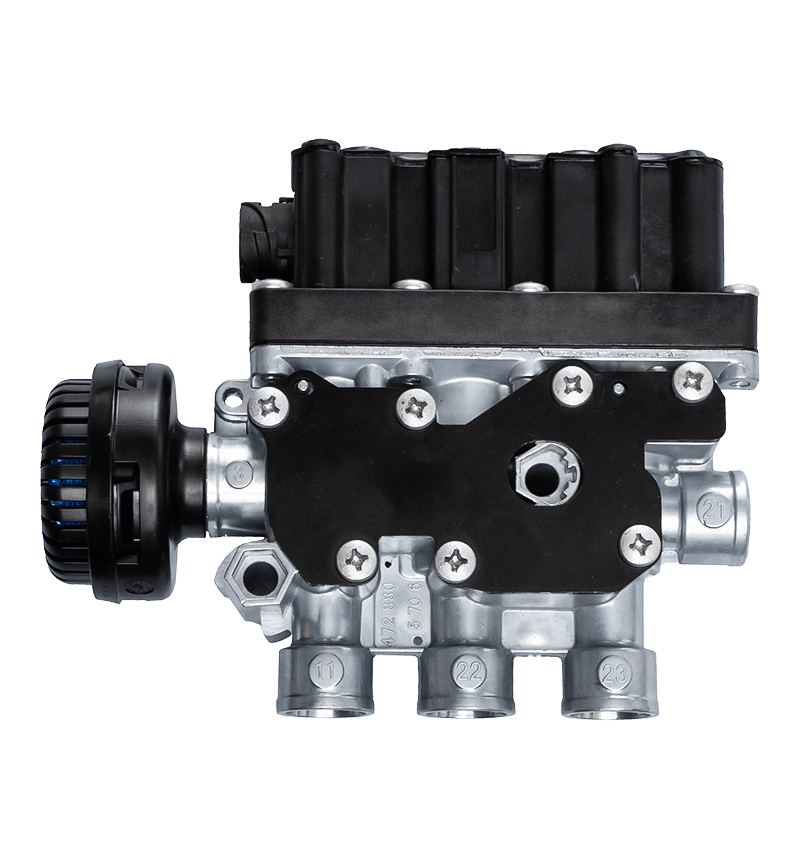
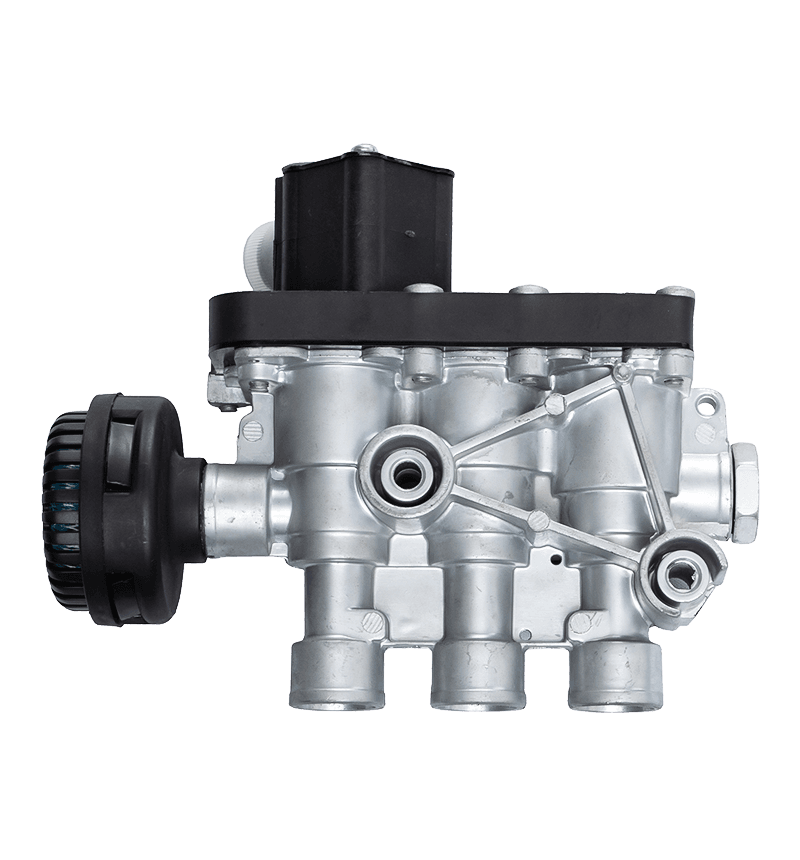
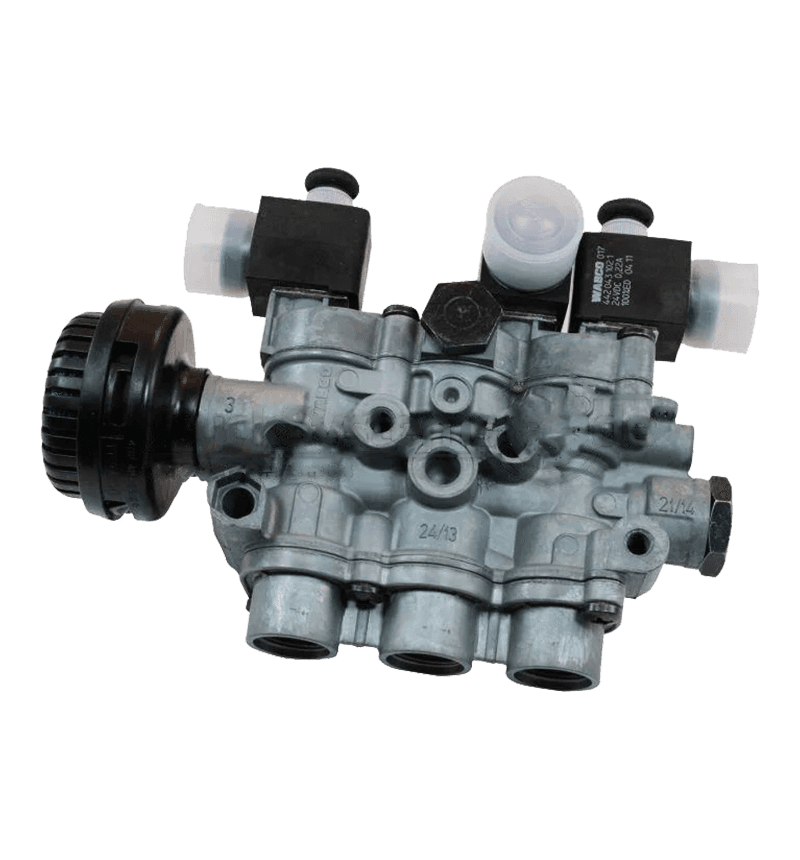
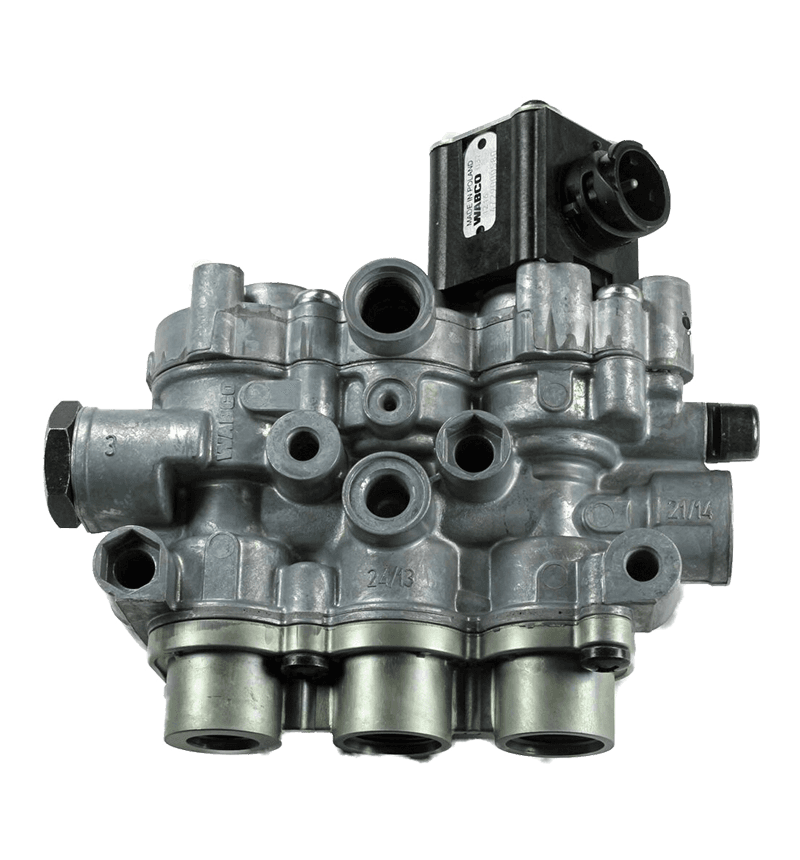
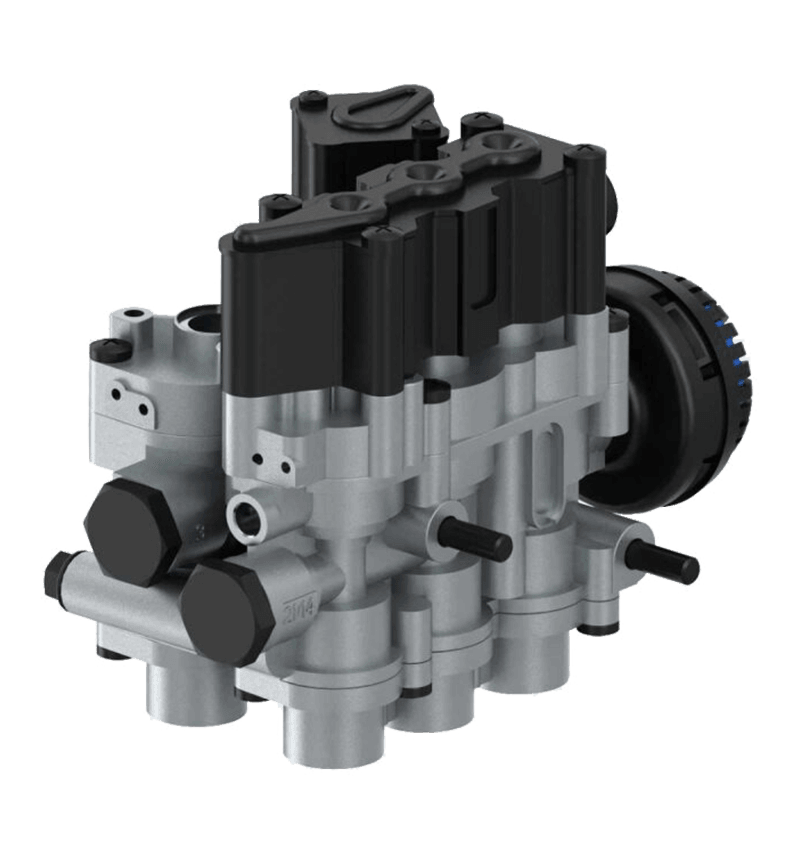
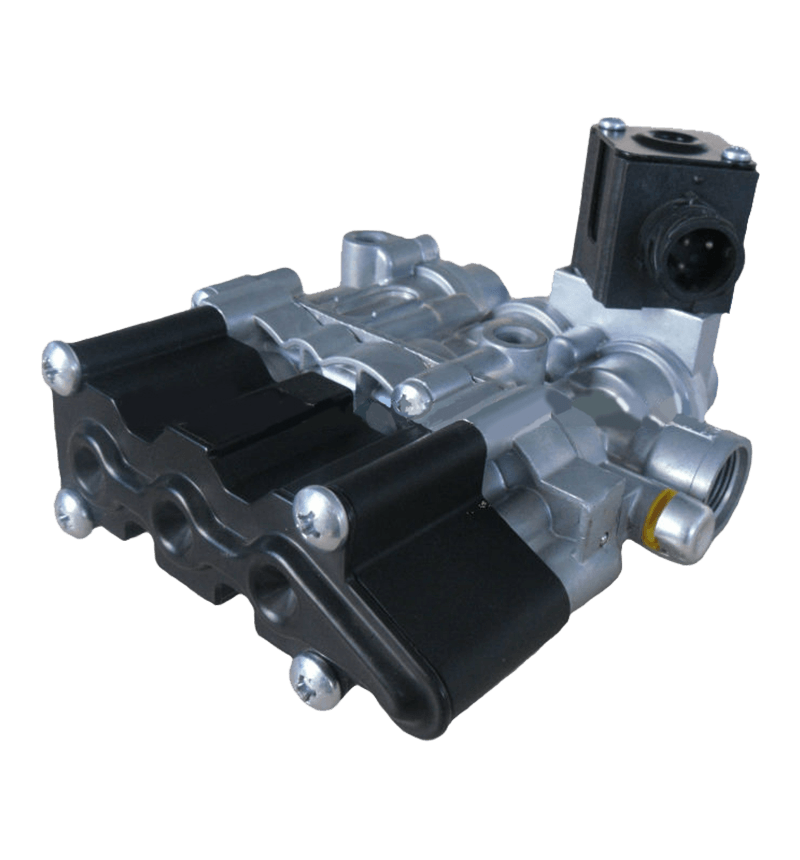
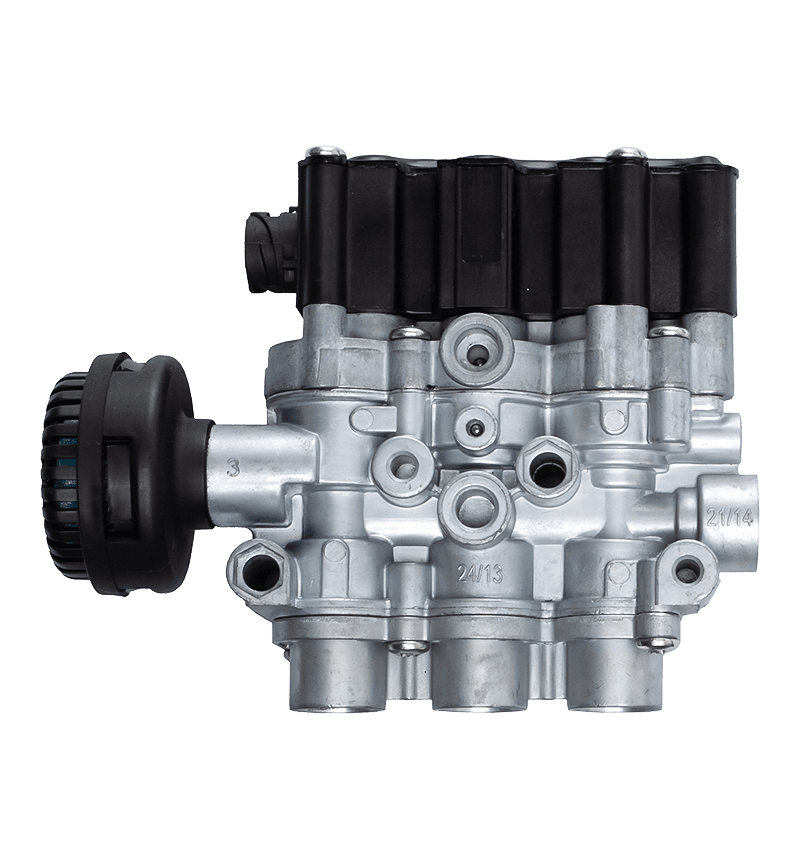
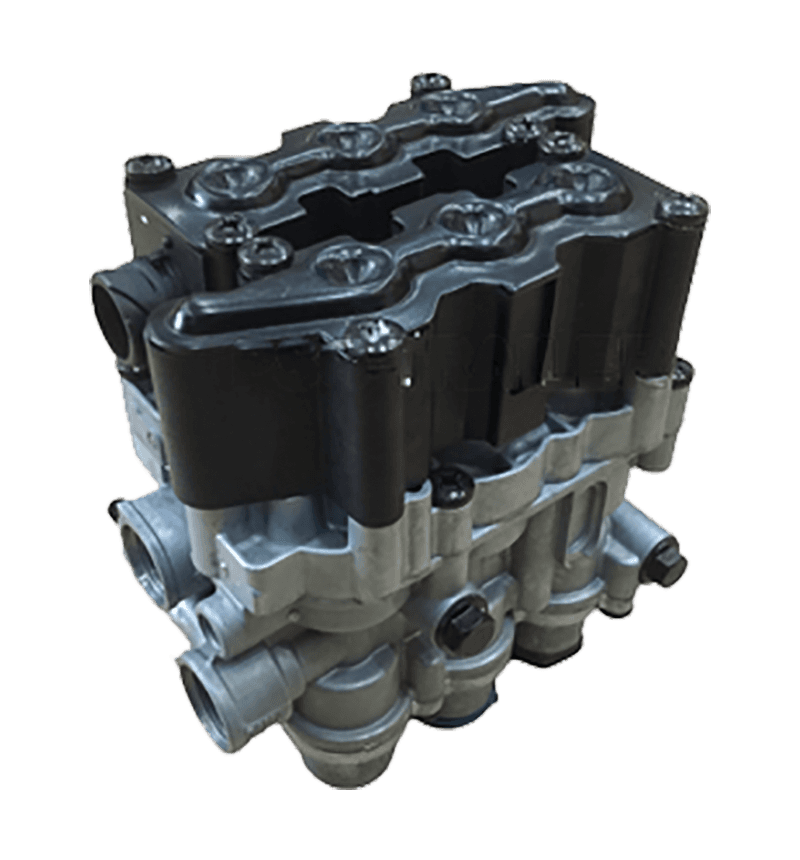
An ECAS valve body contains an inlet solenoid valve, an exhaust solenoid valve, and a pressure path that connects the vehicle air supply to the suspension air bags. When the ECU energizes the inlet coil, magnetism lifts an armature and allows compressed air to flow into the bellows. When it energizes the exhaust coil, the armature opens an outlet and vents air from the bellows. When neither coil is energized, the valve returns to its closed position and seals the pressure in the suspension circuit.
The reliability of this design depends on three areas: the solenoid armature, the rubber seals, and the valve seat. Contamination in the air supply can make the armature stick or prevent it from seating. A worn seal creates a slow leak that the system can detect as a height error. If the valve seat is damaged by moisture or freeze-thaw cycles, the valve will bleed air even in the closed position. These are the reasons why air treatment matters as much as the valve itself.
ECAS valve failure often appears as a gradual change in suspension behavior rather than a sudden breakdown. The first symptom is usually a slight lean after the vehicle has been parked, or a height reading that drifts when the engine is off. Over time, the compressor begins to cycle more often, and the ECU may store a fault for “height not reached” or “slow response.” In more severe cases, the valve will exhaust air continuously, producing a hissing sound under the chassis.
A sticking solenoid caused by moisture and oil is the most common issue in humid climates. Coil failure is also common in vehicles that have been jump-started incorrectly, because a voltage spike can burn the winding. Hardened seals are a typical wear issue on older vehicles. Once the valve fails, there is no reliable way to repair a damaged solenoid coil or valve seat in the field; replacement is the standard route.
Replacing an ECAS valve is not difficult if you know the right specifications. The table below lists the main parameters to check before buying.
| Parameter | Recommended Range or Note |
|---|---|
| Supply voltage | 12V or 24V DC; verify the vehicle system before ordering. |
| Operating pressure | 8 to 12.5 bar, with a higher margin for air suspension circuits. |
| Protection class | IP65 or higher for underbody exposure to water and dust. |
| Port connection | Check whether the valve has threaded ports, push-in fittings, or a flat mating surface. |
| Orifice size | Larger orifices provide faster raise/lower, but increase current draw; 4 to 6 mm is common. |
| Cycle durability | A replacement valve should be rated for at least one million cycles. |
| Electrical connector | Confirm the pin layout and connector style to match the cabling in the vehicle. |
These numbers are a starting point, not a complete specification sheet. Also consider the valve’s flow capacity and whether the coil is designed for continuous duty or intermittent duty. For example, a valve that is used every time the driver raises the suspension to dump a load may need a different coil rating than a valve used mainly for kneeling at loading docks. Because mounting brackets and port positions vary between vehicle brands, a compact and configurable body is often easier to install.
In practice, a reliable ECAS valve should come from a producer that tests the coil and seal assembly under temperature and vibration. A manufacturer with a dedicated product line for ECAS solenoid valves can usually supply correct porting and voltage options without a long lead time.
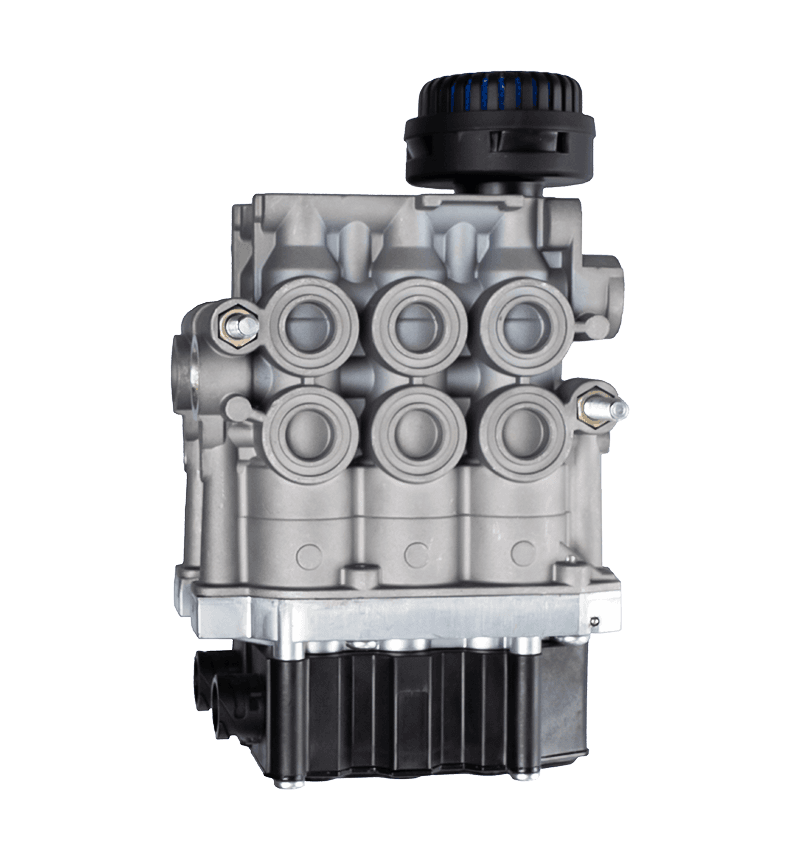 OEM/ODM Ecas Valve Manufacturers, Ecas Solenoid Valves SuppliersAs professional China ecas valve manufacturers and ecas solenoid valves suppliers, Zhuji Infia Auto Parts Co., Ltd. offer OEM/ODM ecas so...View Product →
Installing an ECAS valve is straightforward, but the surrounding system decides how long it will last. First, check the air dryer and replace the desiccant cartridge at the manufacturer’s recommended interval. Moisture is the single biggest enemy of a solenoid valve. Wet air enters the valve, condenses on the armature, and mixes with compressor oil to form a sticky film that slows the valve response. If the dryer is saturated, no valve can survive for long. Many fleets find that installing quality air dryers extends the life of all downstream valves.
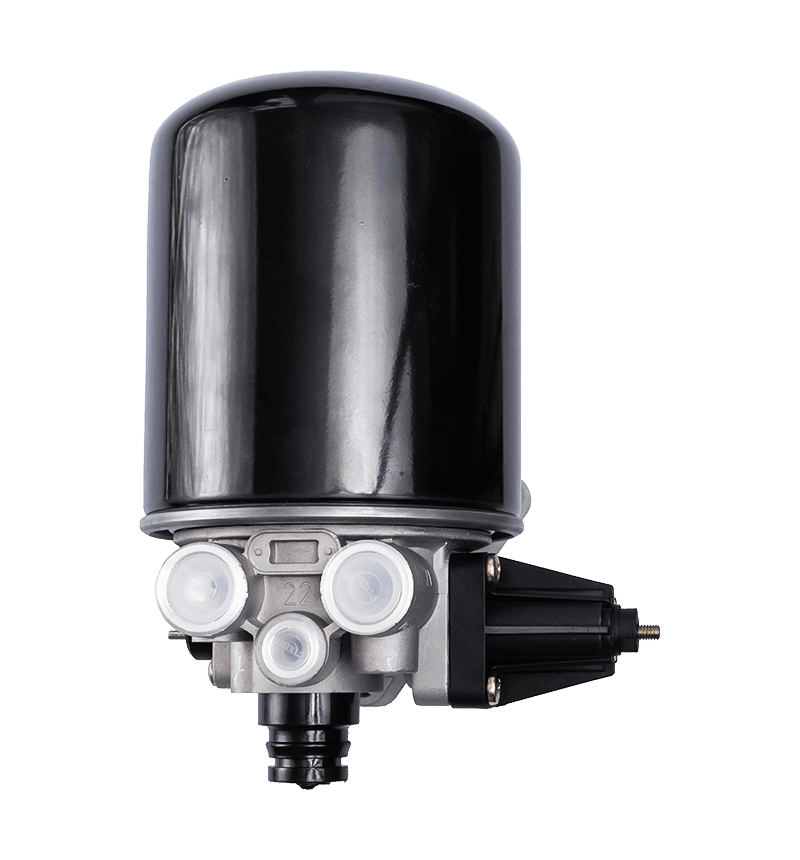 Wholesale Air Dryers Manufacturers, Suppliers, FactoryZhuji Infia Auto Parts Co., Ltd. is China Air Dryers manufacturers and Air Dryers suppliers, our factory wholesale Air Dryers.View Product →
Second, inspect the electrical connector. Corroded pins or a loose connector can reduce the voltage at the coil. When the coil voltage drops, the magnetic force becomes weaker and the valve may not open fully. This is often misdiagnosed as a valve failure when the real problem is a wiring resistance of a few ohms.
Third, cycle the suspension every two to three weeks on vehicles that sit idle for long periods. Moving the valve armature regularly keeps the seals flexible and helps prevent sticking. When replacing the valve, apply a small amount of thread sealant to the ports and tighten to the recommended torque. Overtightening can distort the aluminum body and cause a permanent leak.
An ECAS valve is a small part with a big responsibility. It turns an electrical command into a precise change in air pressure, and it must hold that pressure for years under difficult conditions. The failures are predictable: contamination, coil damage, and seal wear. The selection criteria are also clear: voltage, pressure rating, protection class, port connection, and cycle life. When you combine that knowledge with a supplier that understands both the brake and suspension valve market, you avoid the trial-and-error that costs downtime. Keep the air dry, keep the wiring clean, and choose a valve designed for the environment under the chassis.
 NO. 132 Xingye Road,Fengqiao Town ,Zhuji City,Zhejiang
 +86-13958007768 +86-13655857582
Copyright © Zhuji Infia Auto Parts Co., Ltd. All Rights Reserved.
Wholesale Truck/Bus Brake Parts Suppliers
 English
 Español