E-mail: [email protected]
E-mail: [email protected]Address: NO. 132 Xingye Road,Fengqiao Town ,Zhuji City,Zhejiang
Whatsapp: +86-13958007768
Whatsapp: +86-13655857582




Need Help
+86-13958007768
E-mail: [email protected]
E-mail: [email protected]
Address: NO. 132 Xingye Road,Fengqiao Town ,Zhuji City,Zhejiang
Whatsapp: +86-13958007768
Whatsapp: +86-13655857582
Our team is proud to offer on time guarantee and product guarantee to customer satisfaction.
Read More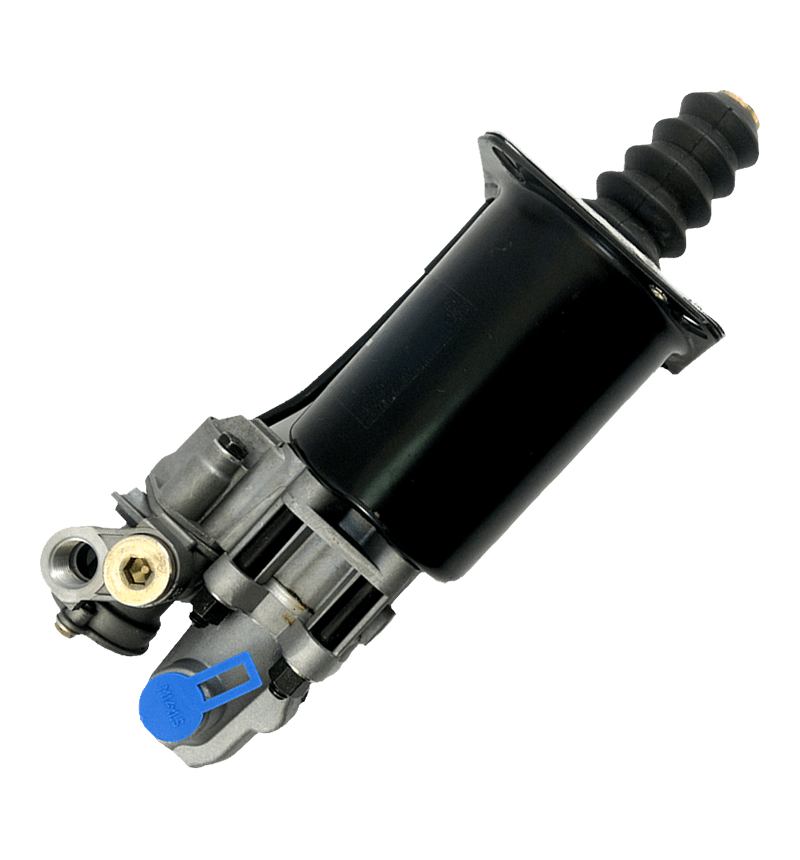
YFY No.
YFY05001
TECHNICAL DATAILS
DIA: Φ76 STROKE: 67mm
AIR: M16x1.5 HYD: M14x1.5
VEHICLES
DAF,MERCEDES,MAN
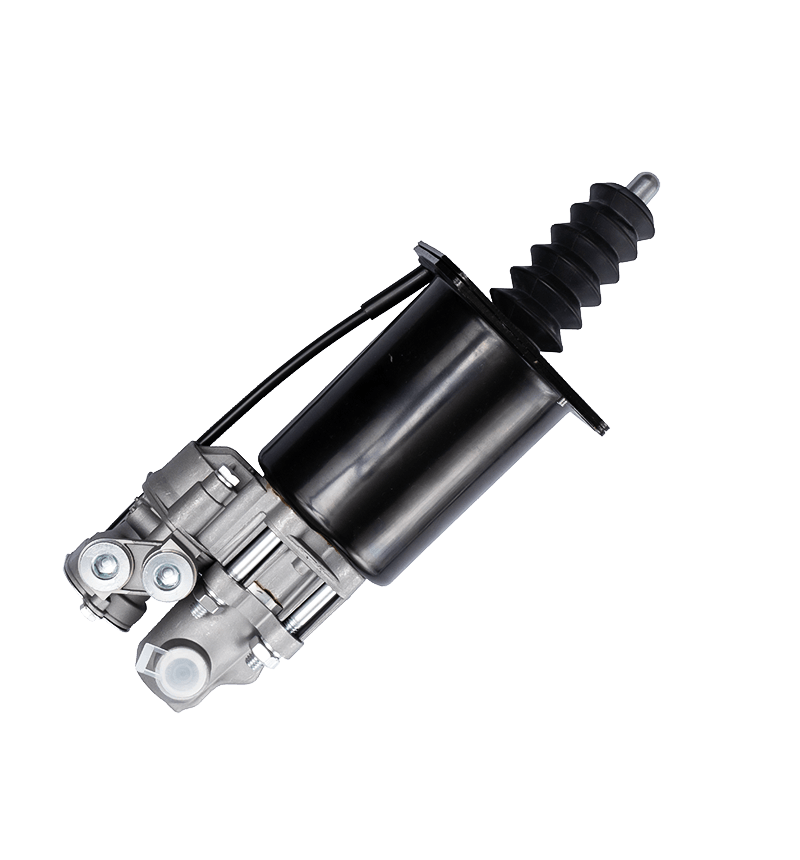
YFY No.
YFY05002
TECHNICAL DATAILS
DIA: Φ102 STROKE: 58mm
AIR: M16x1.5 HYD: M14x1.5
VEHICLES
SCANIA
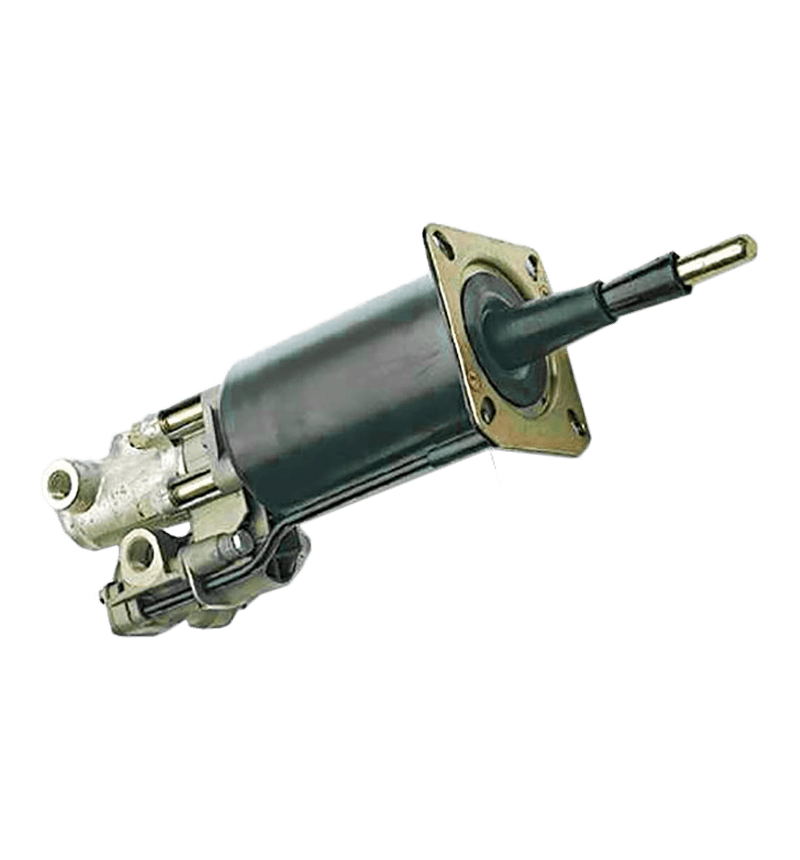
YFY No.
YFY05003
TECHNICAL DATAILS
DIA: Φ75 STROKE: 85mm
AIR: M16x1.5 HYD: M14x1.5
VEHICLES
MAN
YFY No.
YFY05004
TECHNICAL DATAILS
DIA: Φ76 STROKE: 67mm
AIR: M16x1.5 HYD: M14x1.5
VEHICLES
DAF,IVECO,RVI,ZF
YFY No.
YFY05005
TECHNICAL DATAILS
DIA: Φ102 STROKE: 58mm
AIR: M16x1.5 HYD: M14x1.5
VEHICLES
RVI
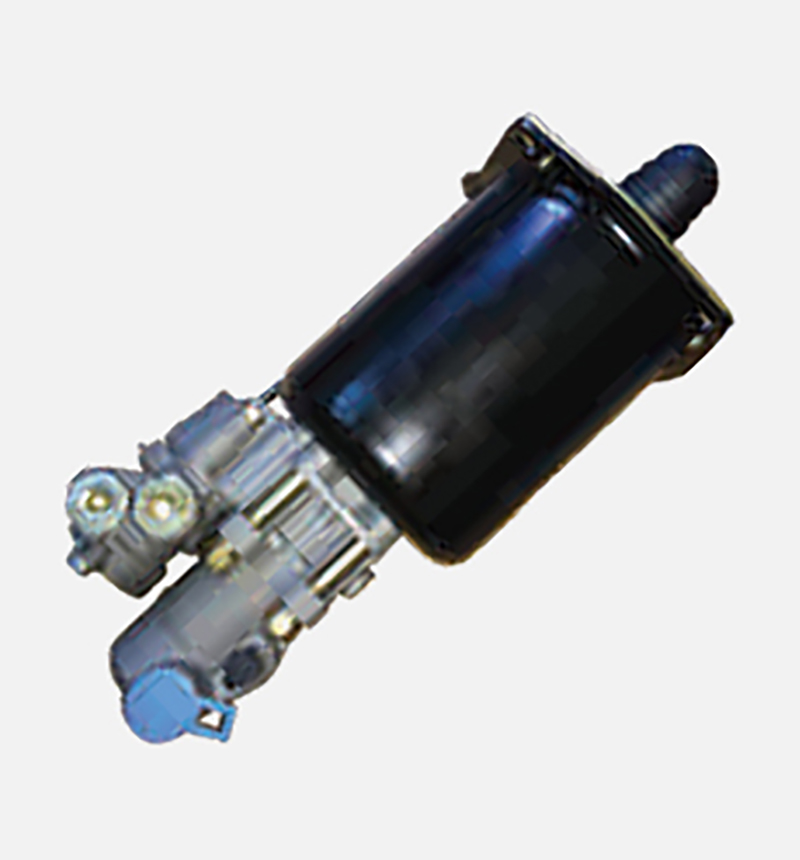
YFY No.
YFY05006
TECHNICAL DATAILS
DIA: Φ102 STROKE: 85mm
AIR: M16x1.5 HYD: M14x1.5
VEHICLES
DAF
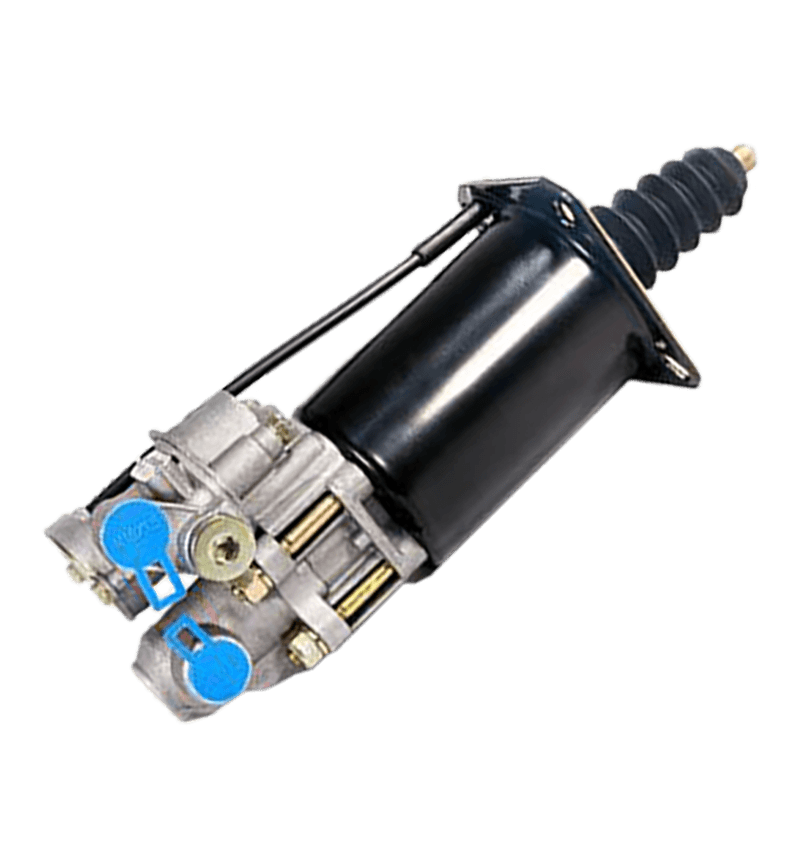
YFY No.
YFY05007
TECHNICAL DATAILS
DIA: Φ76 STROKE: 67mm
AIR: M16x1.5 HYD: M14x1.5
VEHICLES
DAF,IVECO,RVI
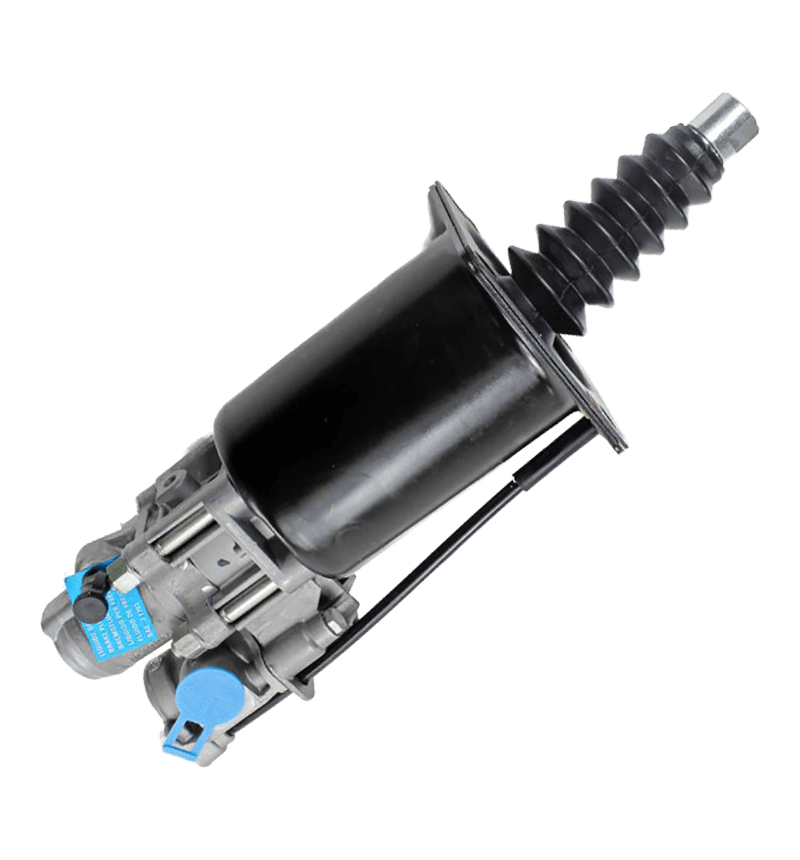
YFY No.
YFY05008
TECHNICAL DATAILS
DIA: Φ102 STROKE: 58.5mm
AIR: M16x1.5 HYD: M14x1.5
VEHICLES
DAF,IVECO
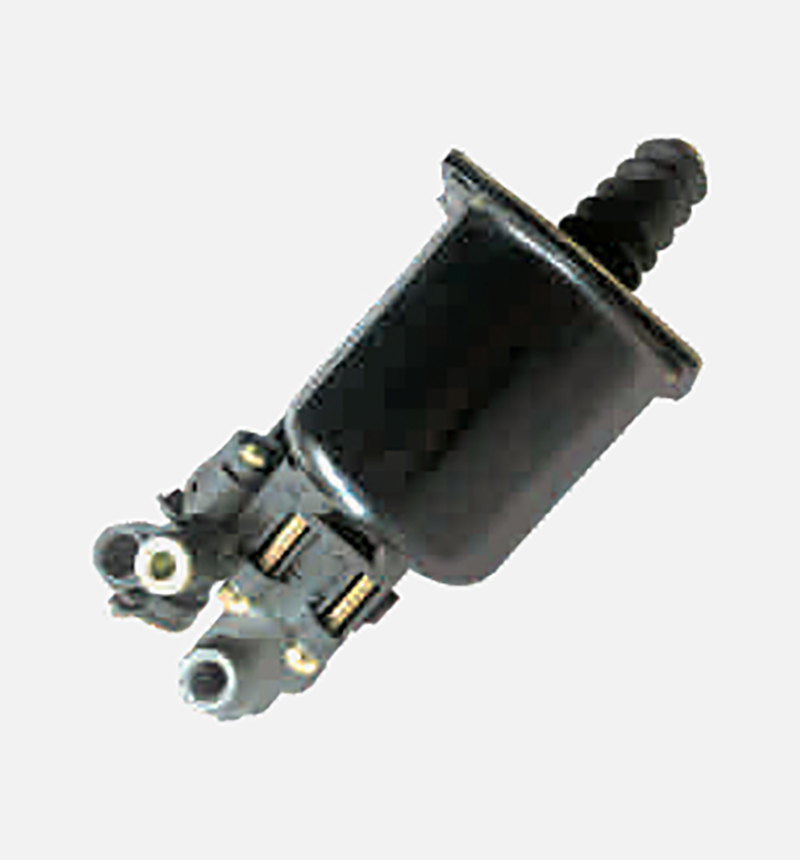
YFY No.
YF05009
TECHNICAL DATAILS
DIA: Φ102 STROKE: 58.5mm
AIR: M16x1.5 HYD: M14x1.5
VEHICLES
DAF,MERCEDES
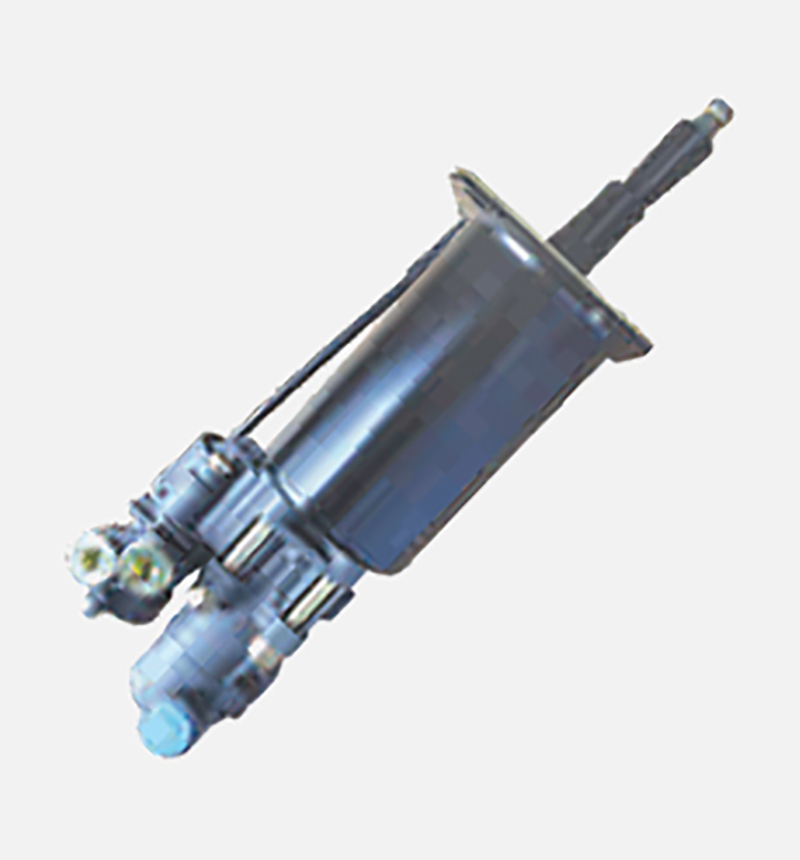
YFY No.
YFY05010
TECHNICAL DATAILS
DIA: Φ76 STROKE: 85mm
AIR: M16x1.5 HYD: M14x1.5
VEHICLES
DAF
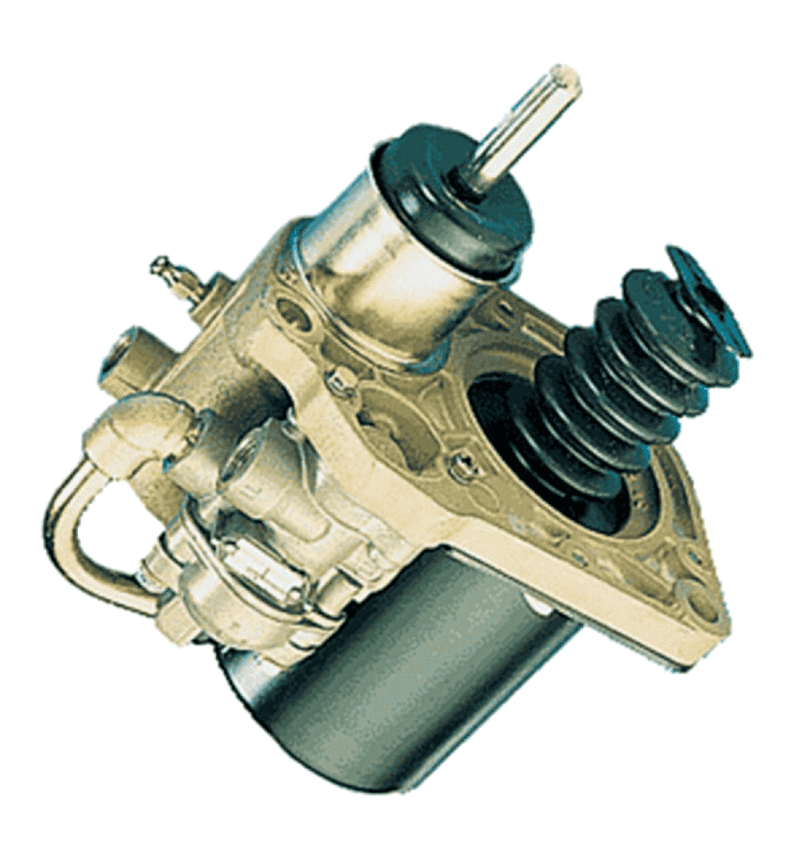
YFY No.
YFY05011
TECHNICAL DATAILS
DIA: Φ85 STROKE: 72mm
AIR: M16x1.5 HYD: M14x1.5
VEHICLES
DAF,MERCEDES
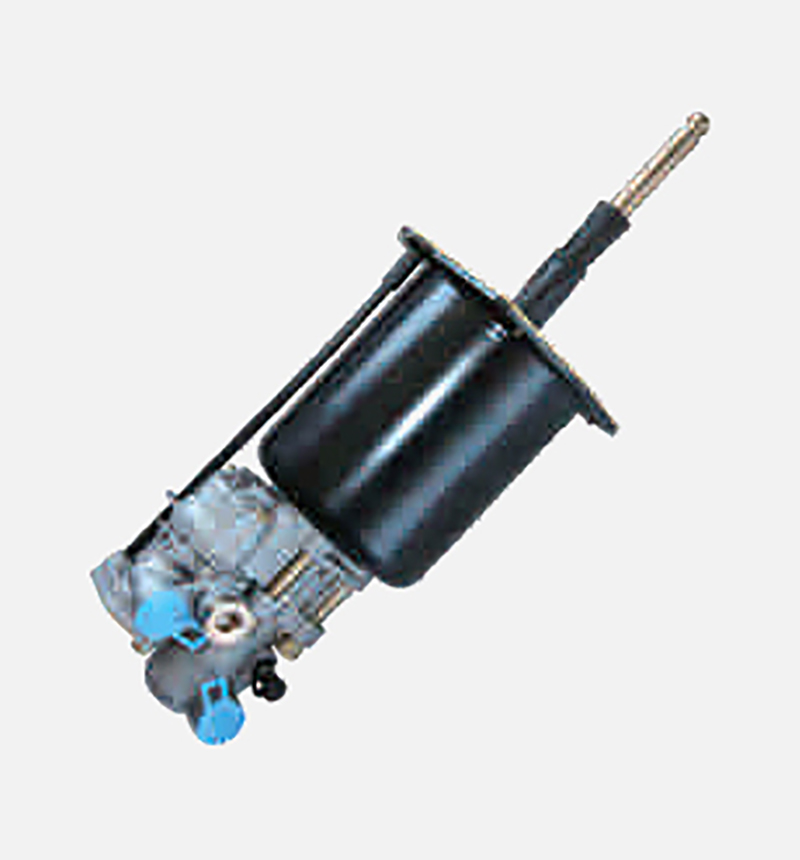
YFY No.
YFY05012
TECHNICAL DATAILS
DIA: Φ102 STROKE: 85mm
AIR: M16x1.5 HYD: M14x1.5
VEHICLES
MAN
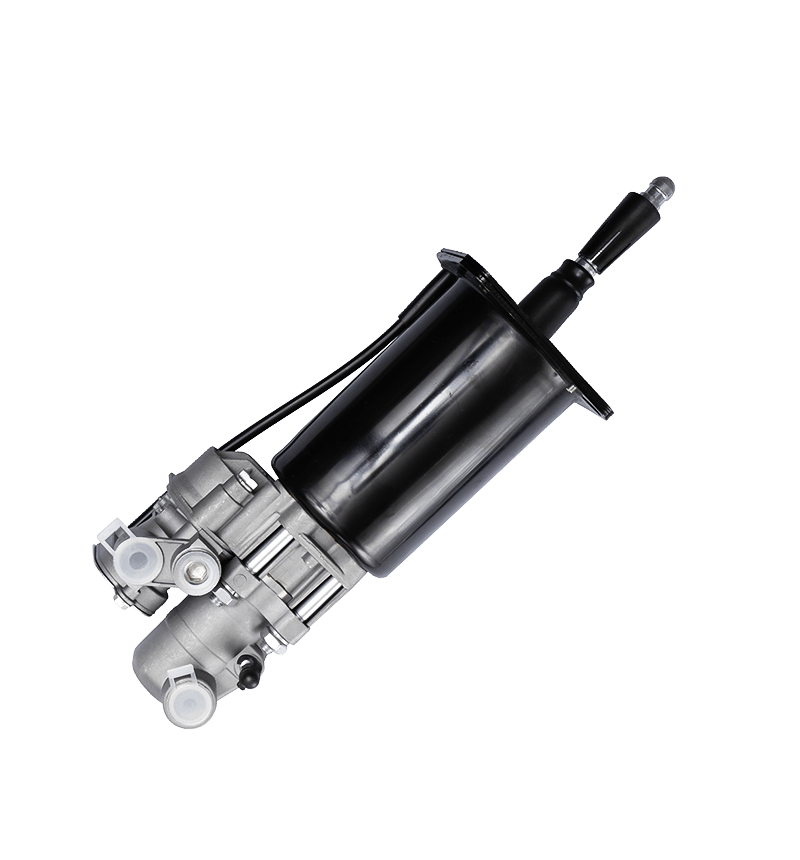
YFY No.
YFY05013
TECHNICAL DATAILS
DIA: Φ75 STROKE: 85mm
AIR: M16x1.5 HYD: M14x1.5
VEHICLES
DAF
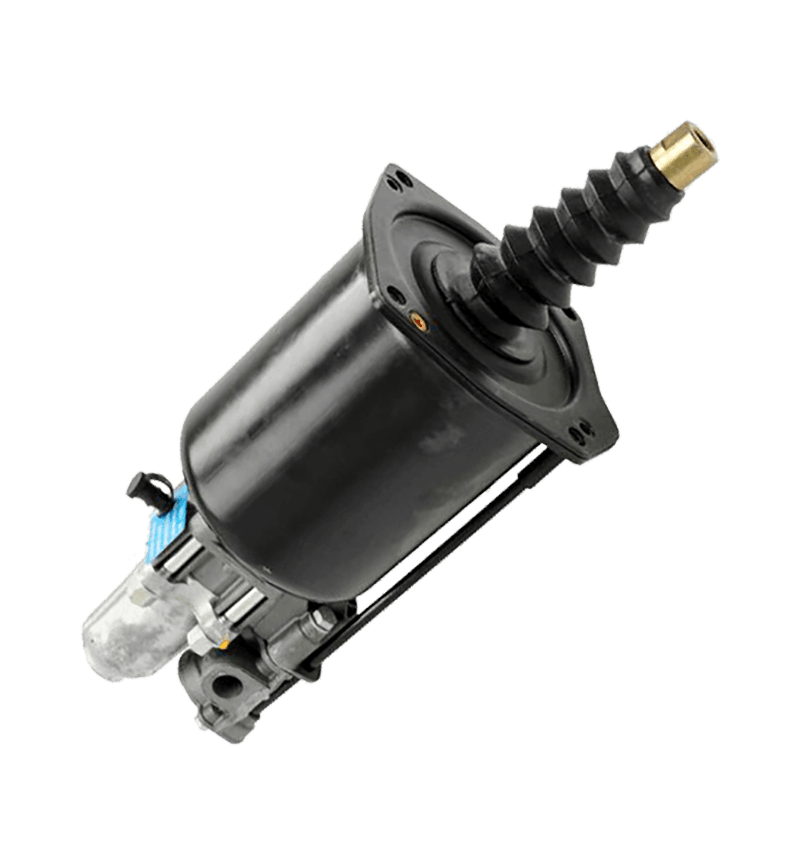
YFY No.
YFY05014
TECHNICAL DATAILS
DIA: Φ75 STROKE: 85mm
AIR: M16x1.5 HYD: M14x1.5
VEHICLES
DAF,MERCEDES
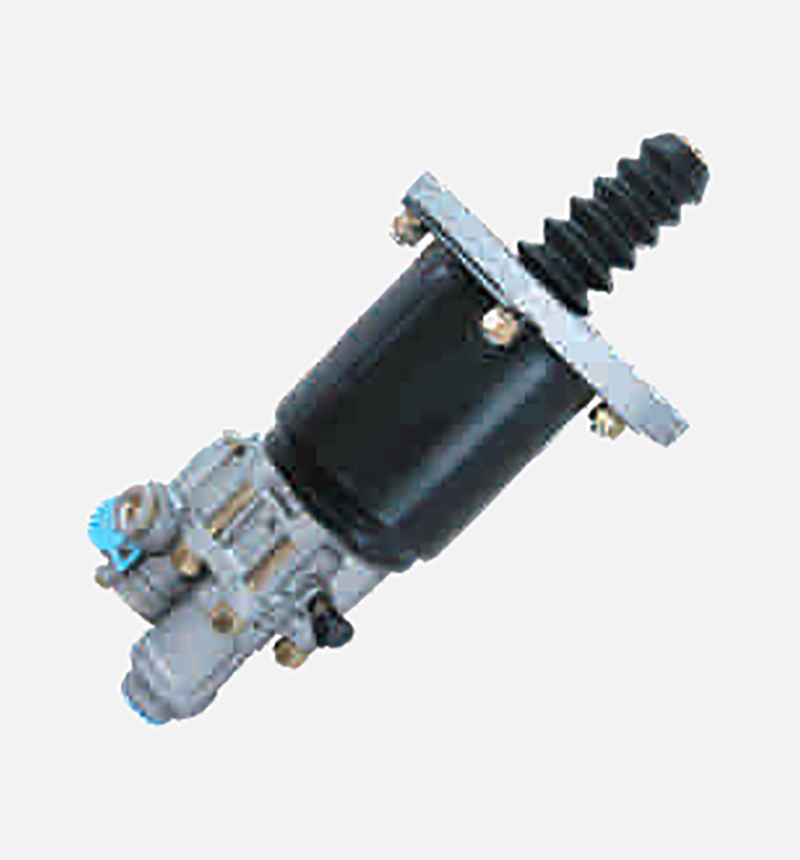
YFY No.
YFY05015
TECHNICAL DATAILS
DIA: Φ85 STROKE: 65mm
AIR: M16x1.5 HYD: M14x1.5
VEHICLES
MERCEDES
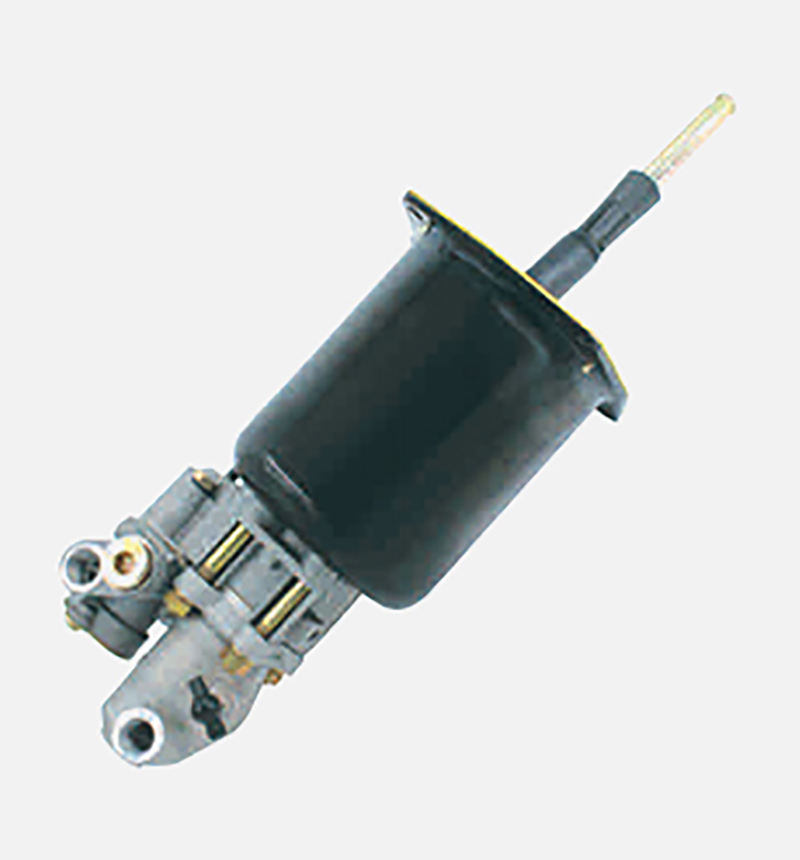
YFY No.
YFY05016
TECHNICAL DATAILS
DIA: Φ102 STROKE: 85mm
AIR: M16x1.5 HYD: M14x1.5
VEHICLES
MERCEDES
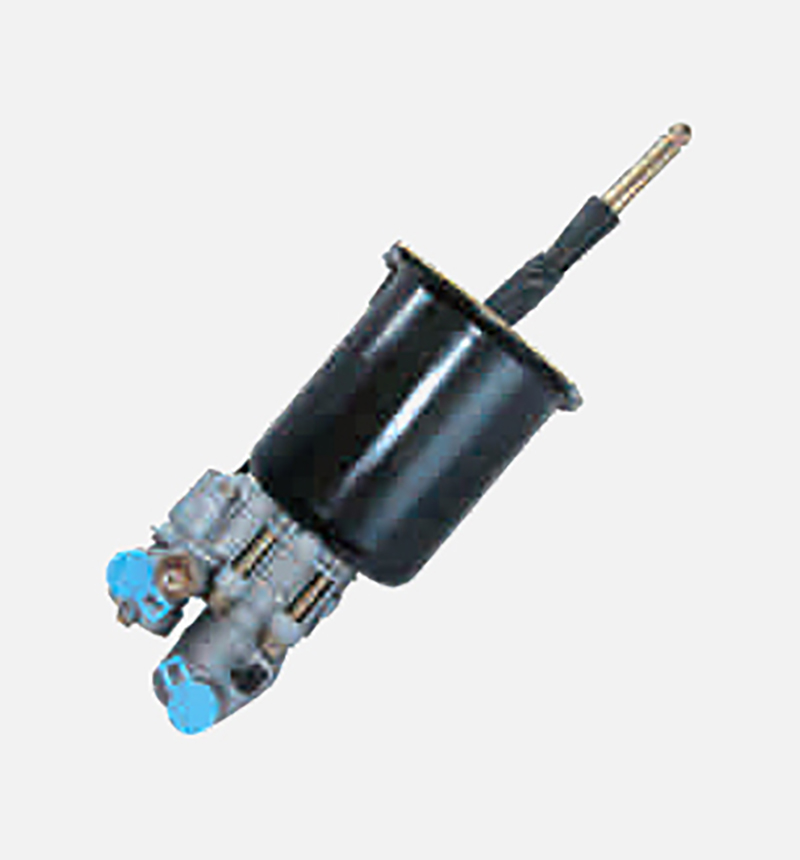
YFY No.
YFY05017
TECHNICAL DATAILS
DIA: Φ102 STROKE: 85mm
AIR: M16x1.5 HYD: M14x1.5
VEHICLES
MAN
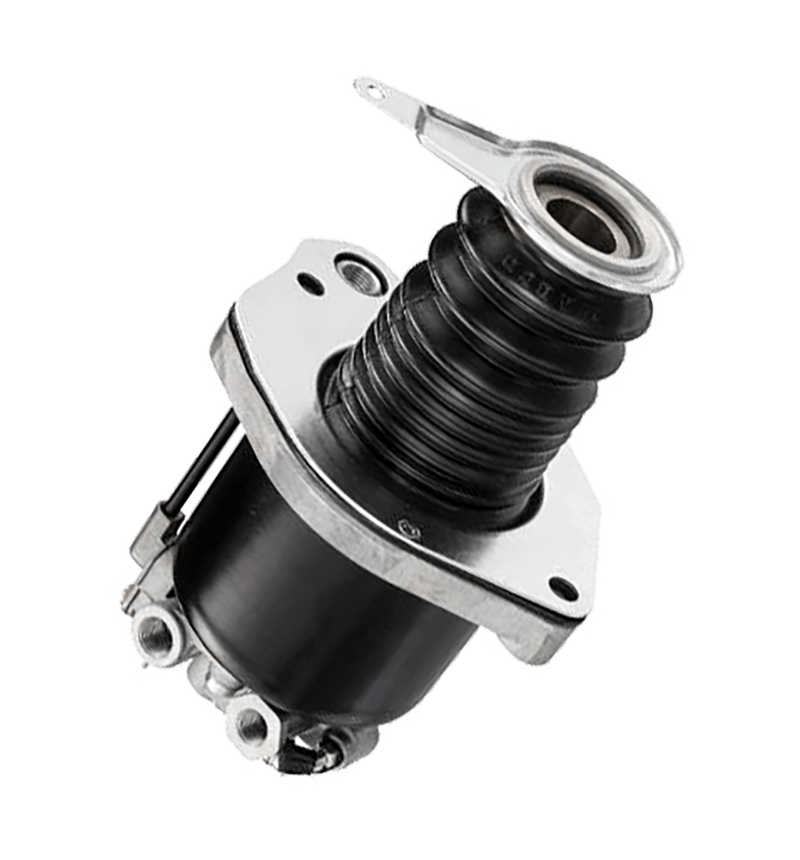
YFY No.
YFY05018
TECHNICAL DATAILS
DIA: Φ85 STROKE: 70mm
AIR: M16x1.5 HYD: M14x1.5
VEHICLES
DAF,MERCEDES
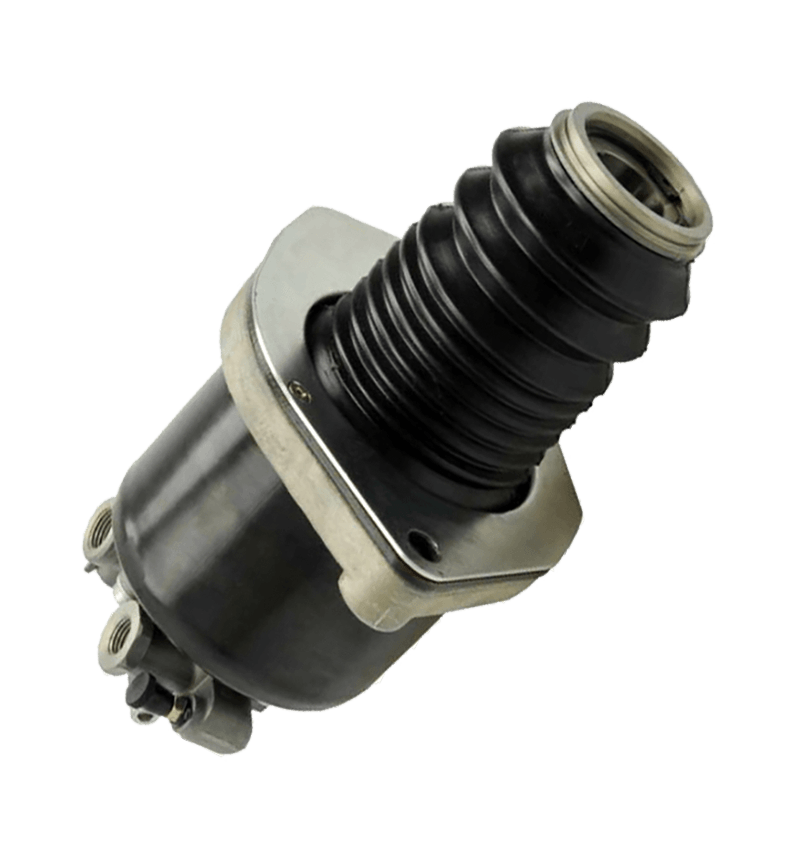
YFY No.
YFY05019
TECHNICAL DATAILS
DIA: Φ102 STROKE: 70mm
AIR: M16x1.5 HYD: M14x1.5
VEHICLES
MERCEDES
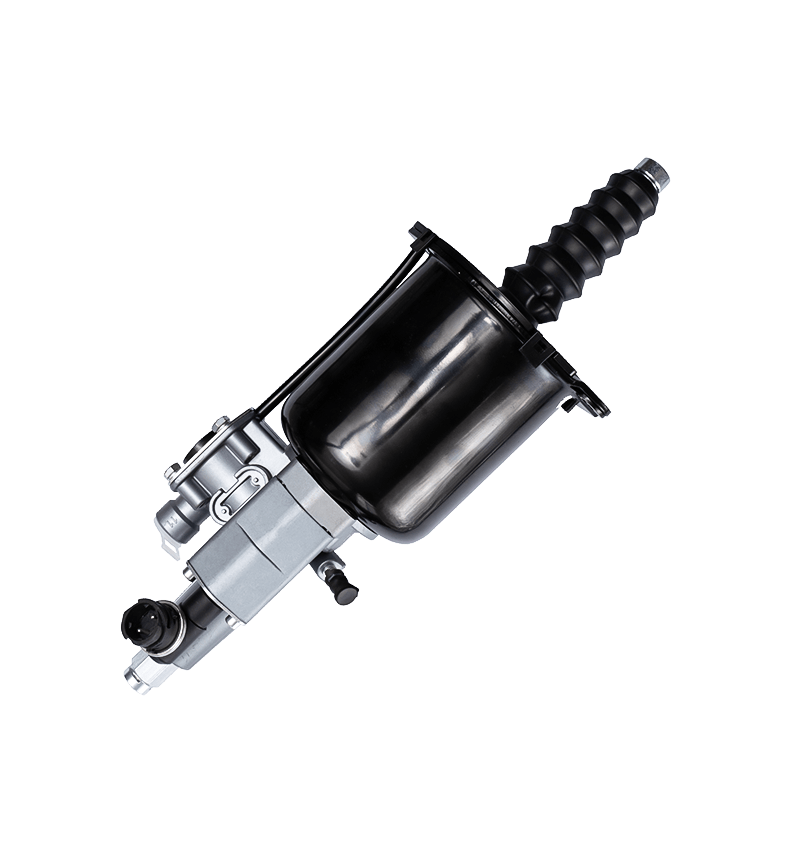
YFY No.
YFY05020
TECHNICAL DATAILS
DIA: Φ102 STROKE: 85mm
AIR: M16x1.5 HYD: M14x1.5
VEHICLES
MERCEDES
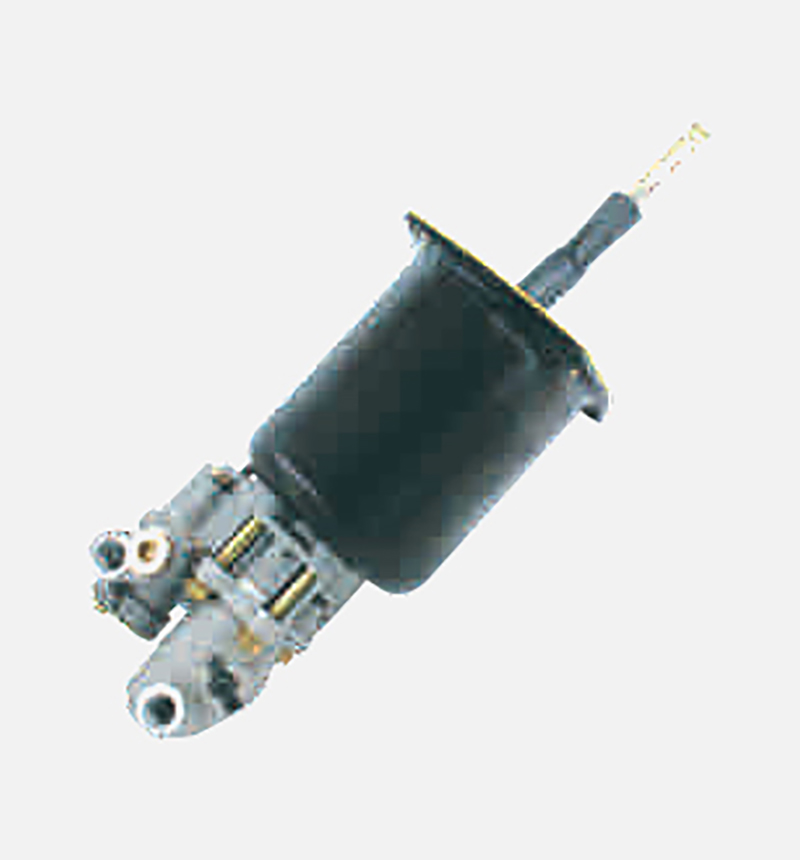
YFY No.
YFY05021
TECHNICAL DATAILS
DIA: Φ102 STROKE: 85mm
AIR: M16x1.5 HYD: M14x1.5
VEHICLES
NEOPLAN
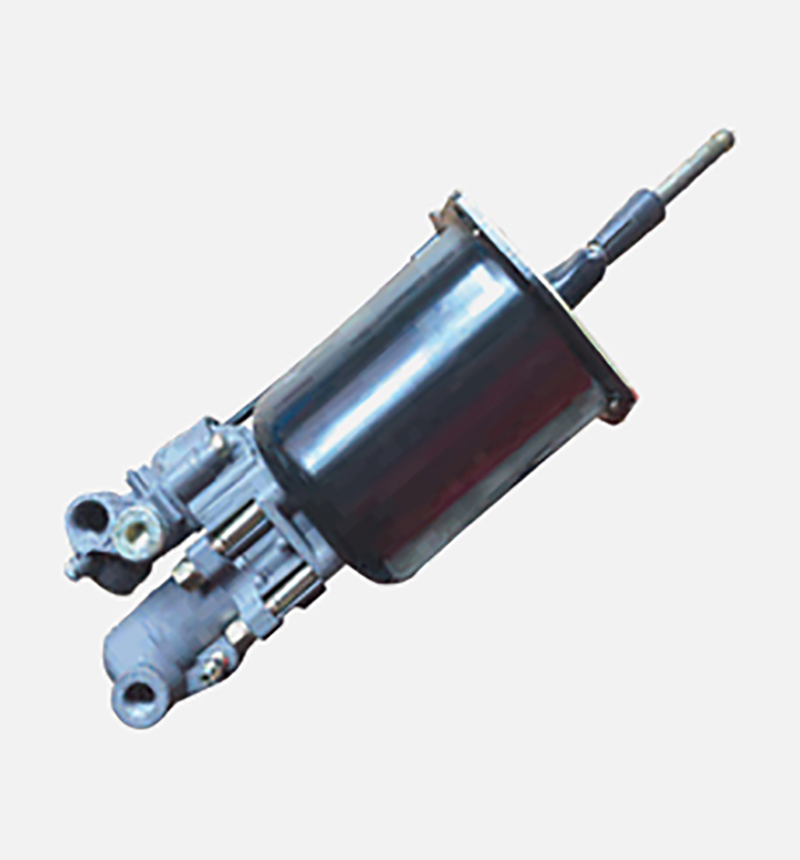
YFY No.
YFY05022
TECHNICAL DATAILS
DIA: Φ102 STROKE: 85mm
AIR: M16x1.5 HYD: M14x1.5
VEHICLES
DAF,MAN
YFY No.
YFY05023
TECHNICAL DATAILS
DIA: Φ102 STROKE: 85mm
AIR: M16x1.5 HYD: M14x1.5
VEHICLES
ZF
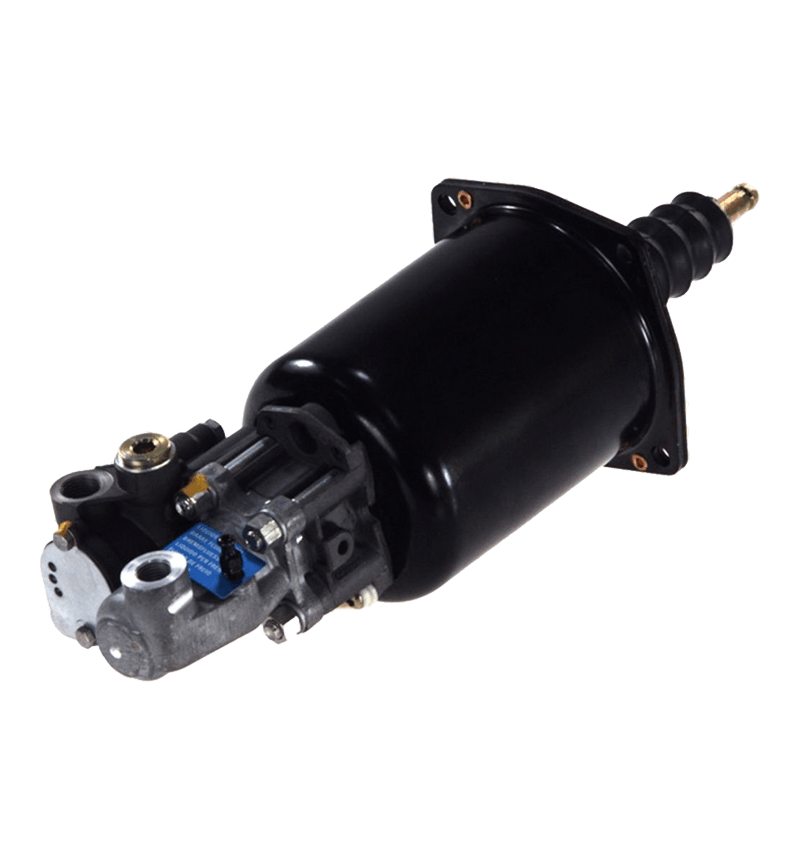
YFY No.
YFY05024
TECHNICAL DATAILS
DIA: Φ102 STROKE: 85mm
AIR: M16x1.5 HYD: M14x1.5
VEHICLES
DAF,MAN,ZF
Heavy Duty Clutch Servo is an important mechanical device used in heavy-duty vehicles. Its function is to assist the driver in operating the clutch system. In heavy-duty commercial vehicles such as large trucks, trailers, and buses, the clutch is responsible for transmitting the power output from the engine to the transmission and wheels. However, due to the larger size and weight of these vehicles, clutch operation usually requires greater force, which can easily to driver fatigue and inconvenience. Therefore, the Heavy Duty Clutch Servo is designed to solve this problem. This device consists of several main components. The is the air compressor, which supplies compressed air through the vehicle's air system. The compressor stores compressed air when the driver depresses the clutch pedal. Next is the connecting rod, which connects the mechanical components between the clutch pedal and the clutch, transmitting force through air pressure to make clutch operation easier. Finally, there is the auxiliary cylinder, located in the clutch system, which receives compressed air and converts it into motion force to help the driver operate the clutch. When the driver presses the clutch pedal, a sensor detects this action and sends a signal to the assist cylinder. The auxiliary cylinder then generates thrust through compressed air, which is transmitted to the clutch system through the connecting rod to help press the clutch. This process greatly reduces the force required by the driver to operate the clutch, which can reduce driver fatigue, especially when driving for long periods or when frequent gear changes are required. Heavy Duty Clutch Servo plays a key role in heavy-duty vehicles, improving driver comfort and operating efficiency while also extending the life of the clutch system. By assisting the driver in operating the clutch, this device improves the reliability and safety of the entire vehicle and is an indispensable and important component of heavy-duty commercial vehicles.

ECAS Valve Overview: Precision Control for Modern Vehicles ECAS valves are essential components in electronic suspension systems. Electronic ECAS valves enable precise control of vehicle height and s...
View MoreIntroduction to Trailer Control Valves Trailer control valves play a crucial role in the braking and safety systems of trailers, especially in commercial vehicles. These valves are responsible for reg...
View MoreIntroduction to Vehicle Brake Valves Vehicle brake valves play a critical role in controlling the braking system's pressure and ensuring that the brakes function effectively and safely. These valves r...
View MoreUnderstanding the Role of ECAS Valves in Air Suspension Systems ECAS valves are key components in electronically controlled air suspension systems, where they regulate the intake and exhaust of compre...
View MoreRole of Response Speed in ECAS Valve Operation The ECAS valve, commonly used in electronically controlled air suspension systems, plays a central role in adjusting vehicle height and maintaining ride ...
View MoreMaterial Selection for High-Pressure and High-Temperature Environments One of the most important considerations when using solenoid valves for high-pressure or high-temperature fluids is the selection...
View MoreIntroduction to ECAS Valves The ECAS valve, short for Electronic Control Air Suspension valve, is a critical component in air suspension systems used in a variety of vehicles, particularly heavy-duty ...
View MoreIntroduction to ECAS Valves and Suspension Systems The ECAS (Electronic Control Air Suspension) valve is a vital component in modern air suspension systems, particularly in commercial vehicles, trucks...
View More
Clutch servos, also known as clutch boosters or clutch actuators, are devices that assist in the operation of the clutch system in vehicles. They are typically found in manual transmission vehicles, where they help reduce the effort required by the driver to engage or disengage the clutch. The servo works by utilizing fluid pressure or electrical power to augment the force applied by the driver, making clutch operation smoother and more efficient.
The basic components of a clutch servo include a housing, an input member, an output member connected to the clutch, and a movable wall or piston. The input member is connected to the clutch pedal or cable, while the output member interfaces with the clutch mechanism. The movable wall is operated by a fluid pressure chamber or electrical actuator, and its movement controls the engagement and disengagement of the clutch.
Clutch servos are widely used in a variety of vehicles, including passenger cars, commercial vehicles, and heavy-duty trucks. They provide numerous benefits to drivers and vehicle performance.
Clutch servos significantly reduce the effort required to operate the clutch. This makes driving more comfortable, especially in urban areas where frequent clutch operation is necessary. Additionally, the servo's ability to augment the force applied by the driver allows for smoother and more precise clutch engagement and disengagement, improving shift quality and reducing wear on the clutch components.
Moreover, clutch servos can be integrated with advanced driver assistance systems and electronic control units. This enables advanced functions such as automatic clutch engagement and disengagement, as well as adaptive clutch control based on driving conditions and vehicle load. Such features further enhance driving comfort and safety.
As the automotive industry continues to evolve, so does the technology used in clutch servos. Here are some of the key trends shaping the future of clutch servo technology:
Electrification: With the increasing adoption of electric and hybrid vehicles, clutch servos are also becoming more electrical. Electric actuators powered by batteries or the vehicle's electrical system are replacing traditional fluid-based servos. This provides faster and more precise control, as well as opportunities for integration with other vehicle systems.
Advanced Control Algorithms: Advanced control algorithms are being developed to optimize clutch servo performance. These algorithms can adapt to different driving conditions and vehicle loads, providing more responsive and efficient clutch operation.
Integration with Driver Assistance Systems: Clutch servos are increasingly being integrated with advanced driver assistance systems, such as autonomous braking and parking assistance. This enables features like automatic clutch engagement and disengagement during braking or parking, further enhancing driving comfort and safety.
Lightweighting and Efficiency: Manufacturers are also focusing on reducing the weight and improving the efficiency of clutch servos. Lightweight materials and optimized designs are being used to reduce the overall mass, while energy-efficient actuators and control systems are being developed to minimize energy consumption.
 NO. 132 Xingye Road,Fengqiao Town ,Zhuji City,Zhejiang
 +86-13958007768 +86-13655857582
Copyright © Zhuji Infia Auto Parts Co., Ltd. All Rights Reserved.
OEM/ODM Clutch Servos Manufacturers
 English
 Español
